
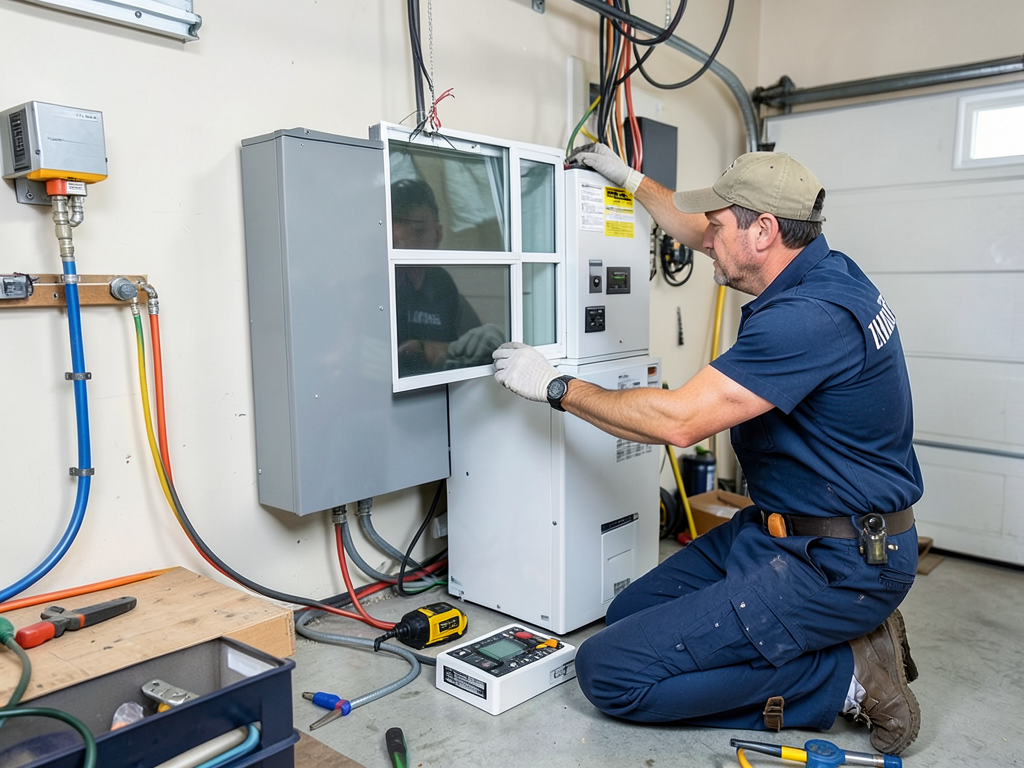
How to Finally Cool Down Your Citrus Park Garage and Make It Livable
Your Citrus Park garage feels like an oven in July. The concrete slab soaks up Tampa’s brutal sun all day, and by 2 PM the temperature inside can hit 110 degrees even when it’s only 92 outside. That heat seeps into your home and makes your main AC work overtime. If you want to use that space for a home gym, workshop, or office, you need more than just a fan.
The good news. You can transform that hot box into comfortable living space. It starts with understanding Tampa’s unique climate challenges and choosing the right cooling solution for your garage’s specific needs. How to Choose the Right New Air Conditioner for Your Westchase Home.
Why Citrus Park Garages Get So Hot
Concrete block construction common in Citrus Park homes absorbs and radiates heat like a sponge. The uninsulated garage door acts like a giant solar collector, and the attic above often lacks proper ventilation. Tampa’s high humidity means the air holds more heat energy, making the space feel even hotter than the thermometer shows.. Read more about Why Better Attic Insulation is the Secret to Helping Your University Square AC.
During summer afternoons, the heat index in an uninsulated garage can feel like 120 degrees. That’s not just uncomfortable—it can damage tools, electronics, and anything you store inside.
Step One: Block the Heat Before It Enters
Before adding cooling, you need to stop heat gain. Start with the garage door. Standard single-layer doors have almost no insulation value. Adding an R-8 insulated garage door panel can reduce heat transfer by 70 percent.
Install a radiant barrier on the garage door’s interior surface. This reflective material bounces infrared heat back outside. Combined with weatherstripping around the door frame, you’ll cut the garage’s heat load dramatically.
Check the attic above your garage. If it’s uninsulated, adding R-30 fiberglass batts can prevent heat from radiating down through the ceiling. Make sure soffit vents work properly—blocked vents trap heat like an oven.
Step Two: Choose Your Cooling System
Portable air conditioners barely dent the heat in a Tampa garage. They’re designed for small, well-insulated rooms—not concrete boxes that bake all day. Window units work better but create security risks and block natural light.
Ductless mini-split systems are the gold standard for garage cooling in Florida. These compact units mount on the wall and connect to an outdoor condenser through small refrigerant lines. No ductwork means no energy loss through leaky ducts. Florida Building Code.
A 12,000 BTU mini-split handles most two-car garages up to 500 square feet. For larger spaces or workshops with heat-generating equipment, step up to 18,000 BTU. The key is getting a unit with high SEER2 ratings—look for 18+ SEER2 for maximum efficiency in Tampa’s climate. Getting Your AC Fixed Fast in South Tampa When It Quits Mid-Summer.
Installation Requirements and Building Codes
Adding HVAC to a garage in Hillsborough County requires permits. The Florida Building Code mandates proper condensate drainage to prevent water damage. You’ll need a licensed HVAC contractor to pull permits and ensure the installation meets mechanical code requirements.
Electrical upgrades often accompany garage cooling installations. Most garages have 15-amp circuits that can’t handle the startup load of an AC unit. A dedicated 20-amp circuit protects your equipment and prevents tripped breakers.
Mounting the outdoor condenser requires hurricane tie-down straps per Florida code. Citrus Park sits in Wind Zone III, meaning gusts over 130 mph during storms. Proper mounting prevents equipment damage and keeps your warranty valid.
Cost Breakdown and Operating Expenses
Professional mini-split installation in Citrus Park ranges from $3,200 to $5,500 depending on unit size and installation complexity. This includes the indoor head, outdoor condenser, refrigerant lines, electrical work, and permit fees.
Monthly operating costs depend on usage. A 12,000 BTU unit running 8 hours daily costs about $45-65 per month at current TECO rates. High-efficiency models with inverter technology use 30 percent less electricity than standard units.
Factor in the increased home value. A cooled garage adds usable square footage and appeals to buyers looking for home gym or workshop space.
Humidity Control: The Hidden Challenge
Cooling alone doesn’t solve Tampa’s humidity problem. Your garage needs dedicated dehumidification to prevent mold growth and that musty smell. Mini-splits with dry mode remove moisture while cooling, but standalone dehumidifiers work better for workshops with tools that rust.
Target 50-55 percent relative humidity. Higher levels promote mold; lower levels can crack wood and damage electronics. A hygrometer helps you monitor conditions and adjust accordingly.
Proper drainage prevents water damage. Condensate lines should slope toward a drain or outside. Never let water pool on the garage floor—standing water breeds mosquitoes and creates slip hazards.
DIY vs. Professional Installation
You can install a window unit yourself, but mini-splits require specialized tools and EPA certification for refrigerant handling. Professional installation ensures proper refrigerant charge, which affects efficiency and equipment life. EPA refrigerant handling requirements.
DIY mistakes cost more long-term. Incorrect line set length, poor insulation, or improper mounting void warranties and reduce system performance. A NATE-certified technician knows how to size and install equipment for maximum efficiency.
Professional installation includes system commissioning—testing airflow, checking refrigerant levels, and verifying all components work together. This step prevents callbacks and ensures you get the comfort you paid for.
Energy Efficiency and Smart Controls
Modern mini-splits offer Wi-Fi controls that let you adjust temperature from your phone. Set schedules to cool the space before you arrive home from work. Smart thermostats learn your patterns and optimize operation for comfort and efficiency.
Zone control saves energy. If you only use part of the garage, close doors to unused areas. Some systems offer multiple indoor heads controlled independently, perfect for separating workshop and storage zones.
Consider solar attic fans as a complement. These reduce the heat load on your main AC and can lower garage temperatures by 10-15 degrees during peak sun hours.
Maintenance for Long-Term Performance
Clean the air filter monthly during heavy use. Clogged filters reduce efficiency by up to 15 percent and strain the compressor. Use a soft brush or vacuum—never wash filters with water unless the manual says it’s safe.
Check the outdoor condenser twice yearly. Remove leaves, grass clippings, and debris from the coil. Trim vegetation at least two feet away for proper airflow. A dirty condenser can reduce cooling capacity by 30 percent.
Schedule professional maintenance annually. A technician checks refrigerant levels, cleans coils, inspects electrical connections, and tests system performance. This prevents costly breakdowns and keeps your warranty valid.
Special Considerations for Workshop Spaces
Woodworking shops generate fine dust that clogs filters quickly. Install a pre-filter or upgrade to a unit with washable filters. Consider positive pressure ventilation to keep dust from spreading to other areas.
Automotive garages need explosion-proof components near fuel and solvents. Standard mini-splits work fine for most home workshops, but consult a professional if you store flammable materials.
Electronics and computer equipment need stable temperatures. Temperature swings can damage sensitive components. A mini-split with precise temperature control protects your investment better than a basic window unit.
Ready to Transform Your Garage?
A comfortable garage adds usable space to your Citrus Park home and protects your belongings from Florida’s harsh climate. Whether you want a home gym, workshop, or just a cooler place to store your lawnmower, the right cooling solution makes it possible.
Call (656) 237-5377 today to schedule your inspection. Our NATE-certified technicians will evaluate your garage’s specific needs and recommend the most efficient cooling solution for your budget.
Don’t wait until next summer to solve this problem. The sooner you install proper cooling, the more comfortable your home will be year-round.
Frequently Asked Questions
How much does it cost to cool a garage in Tampa?
Professional mini-split installation ranges from $3,200 to $5,500 depending on size and complexity. Monthly operating costs run $45-65 for typical usage. Window units cost less upfront but use more electricity and provide less comfort.
Can I use a portable air conditioner in my garage?
Portable AC units struggle in Tampa garages due to high heat gain and humidity. They’re designed for small, insulated rooms—not concrete boxes that absorb solar heat all day. You’ll get minimal cooling and high electricity bills.
Do I need a permit to add AC to my garage?
Yes. Hillsborough County requires permits for HVAC modifications. A licensed contractor will pull permits, ensure code compliance, and handle inspections. This protects you from fines and ensures proper installation.
What size AC do I need for a two-car garage?
Most two-car garages up to 500 square feet need a 12,000 BTU mini-split. Larger spaces or workshops with heat-generating equipment require 18,000 BTU units. Proper sizing prevents short cycling and ensures efficient operation.
How can I reduce humidity in my garage?
Combine cooling with dedicated dehumidification. Mini-splits with dry mode remove moisture while cooling. Standalone dehumidifiers work better for workshops. Target 50-55 percent relative humidity to prevent mold and protect stored items.
You may also find this helpful. Keeping Your Beach Park Home Dry with a Whole-House Dehumidifier.
You may also find this helpful. The Hidden Danger of Installing an Oversized AC Unit in Sun City Center.
You may also find this helpful. Fixing Hot and Cold Spots in Your Keystone House with HVAC Zoning.
You may also find this helpful. How to Cool a New Room Addition in Land O’ Lakes Without Adding Ductwork.
{
“@context”: “https://schema.org”,
“@type”: “BlogPosting”,
“headline”: “How to Finally Cool Down Your Citrus Park Garage and Make It Livable”,
“description”: “Learn how to cool your Citrus Park garage with mini-split AC, insulation, and humidity control. Local HVAC expert explains the best cooling solutions for Tampa’s heat.”,
“wordCount”: 1485,
“datePublished”: “2026-03-07T14:59:00.000Z”,
“dateModified”: “2026-03-07T14:59:00.000Z”,
“inLanguage”: “en-US”,
“mainEntityOfPage”: {
“@type”: “WebPage”,
“@id”: “https://peakhvactampa.com”
},
“publisher”: {
“@type”: “LocalBusiness”,
“name”: “Peak HVAC Tampa”,
“url”: “https://peakhvactampa.com”
},
“author”: {
“@type”: “Organization”,
“name”: “Peak HVAC Tampa”,
“url”: “https://peakhvactampa.com”
},
“image”: {
“@type”: “ImageObject”,
“url”: “https://peakhvactampa.com/wp-content/uploads/2026/03/how-to-finally-cool-down-your-citrus-park-garage-a-1.png”
}
}
{
“@context”: “https://schema.org”,
“@type”: “HVACBusiness”,
“name”: “Peak HVAC Tampa”,
“url”: “https://peakhvactampa.com”,
“address”: {
“@type”: “PostalAddress”,
“addressLocality”: “Tampa”
},
“areaServed”: {
“@type”: “City”,
“name”: “Tampa”
}
}
{
“@context”: “https://schema.org”,
“@type”: “FAQPage”,
“mainEntity”: [
{
“@type”: “Question”,
“name”: “Ready to Transform Your Garage?”,
“acceptedAnswer”: {
“@type”: “Answer”,
“text”: “A comfortable garage adds usable space to your Citrus Park home and protects your belongings from Florida’s harsh climate. Whether you want a home gym, workshop, or just a cooler place to store your lawnmower, the right cooling solution makes it possible.”
}
},
{
“@type”: “Question”,
“name”: “How much does it cost to cool a garage in Tampa?”,
“acceptedAnswer”: {
“@type”: “Answer”,
“text”: “Professional mini-split installation ranges from $3,200 to $5,500 depending on size and complexity. Monthly operating costs run $45-65 for typical usage. Window units cost less upfront but use more electricity and provide less comfort.”
}
},
{
“@type”: “Question”,
“name”: “Can I use a portable air conditioner in my garage?”,
“acceptedAnswer”: {
“@type”: “Answer”,
“text”: “Portable AC units struggle in Tampa garages due to high heat gain and humidity. They’re designed for small, insulated rooms—not concrete boxes that absorb solar heat all day. You’ll get minimal cooling and high electricity bills.”
}
},
{
“@type”: “Question”,
“name”: “Do I need a permit to add AC to my garage?”,
“acceptedAnswer”: {
“@type”: “Answer”,
“text”: “Yes. Hillsborough County requires permits for HVAC modifications. A licensed contractor will pull permits, ensure code compliance, and handle inspections. This protects you from fines and ensures proper installation.”
}
},
{
“@type”: “Question”,
“name”: “What size AC do I need for a two-car garage?”,
“acceptedAnswer”: {
“@type”: “Answer”,
“text”: “Most two-car garages up to 500 square feet need a 12,000 BTU mini-split. Larger spaces or workshops with heat-generating equipment require 18,000 BTU units. Proper sizing prevents short cycling and ensures efficient operation.”
}
},
{
“@type”: “Question”,
“name”: “How can I reduce humidity in my garage?”,
“acceptedAnswer”: {
“@type”: “Answer”,
“text”: “Combine cooling with dedicated dehumidification. Mini-splits with dry mode remove moisture while cooling. Standalone dehumidifiers work better for workshops. Target 50-55 percent relative humidity to prevent mold and protect stored items.”
}
}
]
}
{
“@context”: “https://schema.org”,
“@type”: “BreadcrumbList”,
“itemListElement”: [
{
“@type”: “ListItem”,
“position”: 1,
“name”: “Home”,
“item”: “https://peakhvactampa.com”
},
{
“@type”: “ListItem”,
“position”: 2,
“name”: “Blog”,
“item”: “https://peakhvactampa.com/blog”
},
{
“@type”: “ListItem”,
“position”: 3,
“name”: “How to Finally Cool Down Your Citrus Park Garage and Make It Livable”
}
]
}
{
“@context”: “https://schema.org”,
“@type”: “Service”,
“serviceType”: “HVAC”,
“provider”: {
“@type”: “LocalBusiness”,
“name”: “Peak HVAC Tampa”,
“url”: “https://peakhvactampa.com”
},
“areaServed”: {
“@type”: “City”,
“name”: “Tampa”
},
“description”: “Learn how to cool your Citrus Park garage with mini-split AC, insulation, and humidity control. Local HVAC expert explains the best cooling solutions for Tampa’s heat.”
}