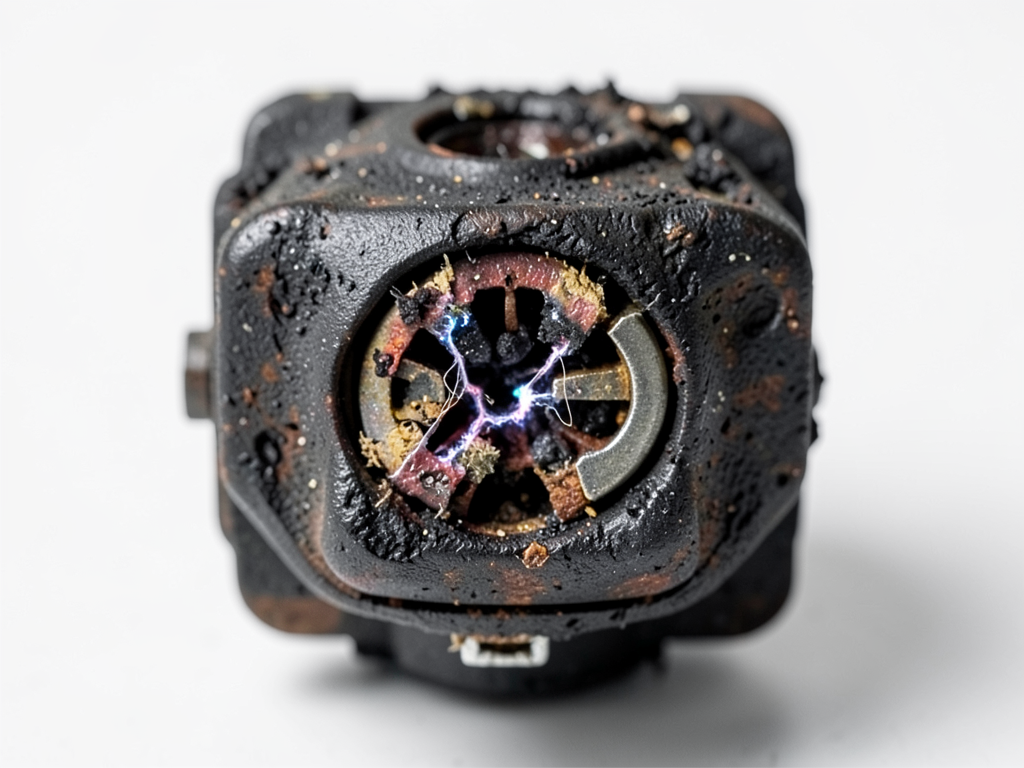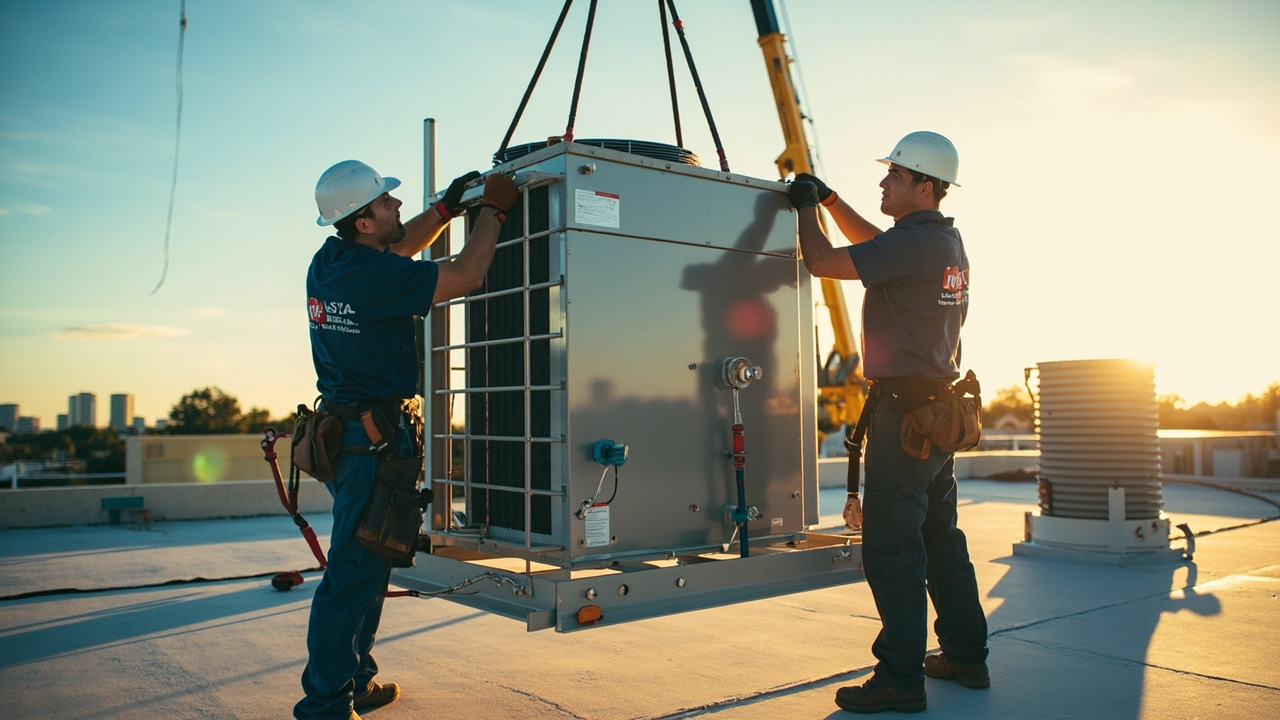
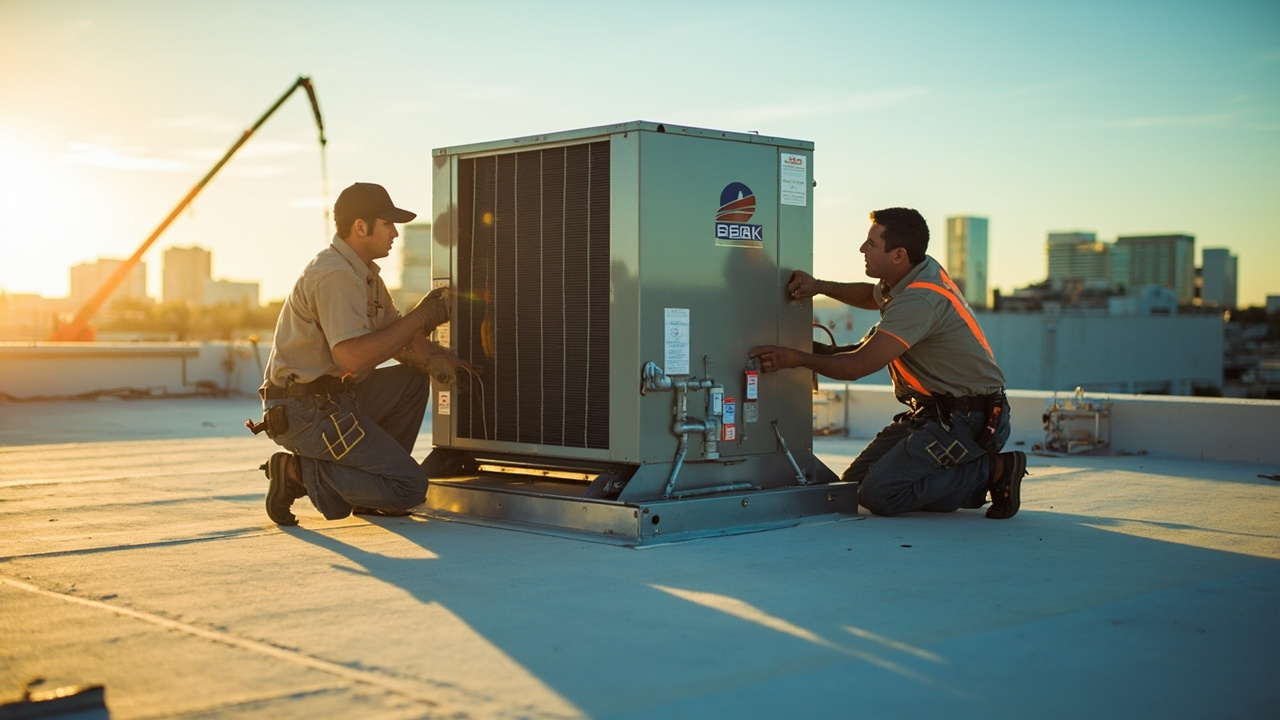
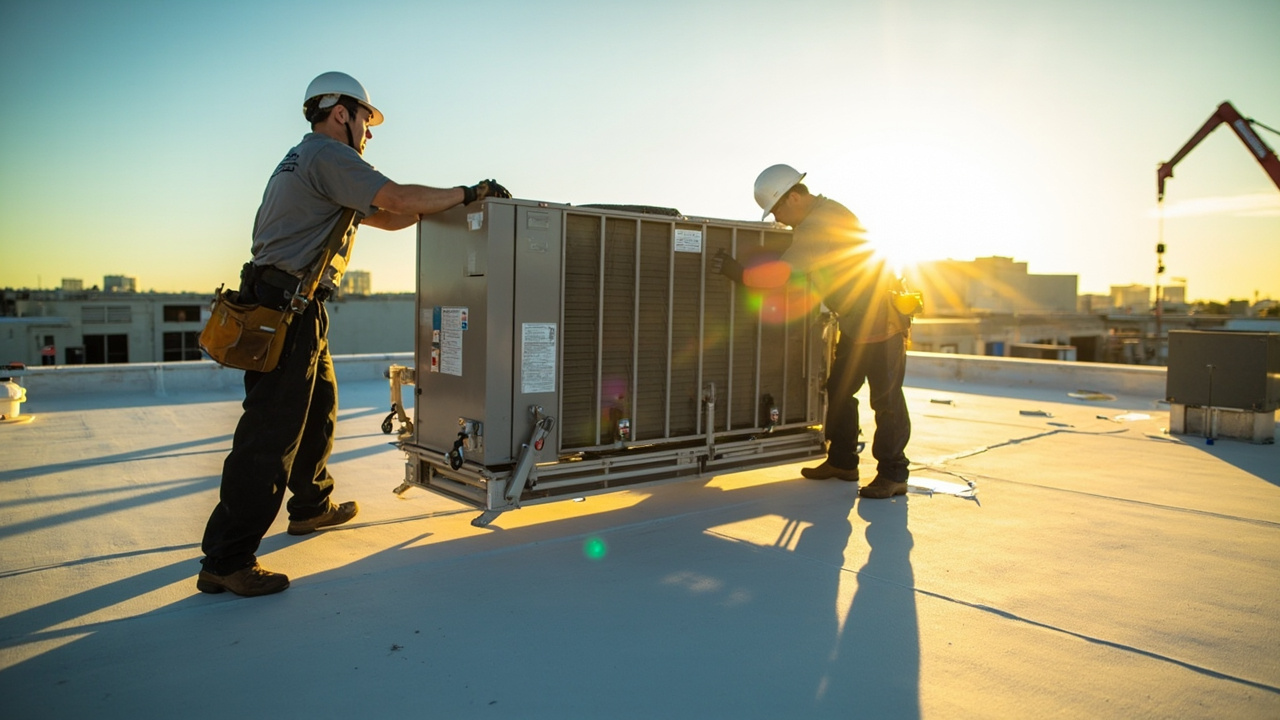
Tampa's proximity to the Gulf of Mexico and Tampa Bay creates a corrosive environment for rooftop HVAC equipment. Salt particles carried by prevailing southwest winds settle on condenser coils and electrical components. This salt attracts moisture from the humid air, forming an electrolytic solution that accelerates metal corrosion. Aluminum fins on condenser coils pit and deteriorate, reducing heat transfer efficiency. Copper refrigerant tubing develops pinhole leaks at brazed joints. Commercial facilities within three miles of the coastline, including properties along Bayshore Boulevard and Harbor Island, face accelerated degradation. Proper commercial rooftop HVAC installation in these areas requires marine-grade coatings, stainless steel fasteners, and upgraded electrical enclosures rated for corrosive atmospheres. Units installed without these protections typically fail within five to seven years, compared to the standard 15-year service life.
Peak HVAC Tampa understands Florida Building Code requirements specific to Hillsborough County's wind zone classifications. Commercial buildings in Tampa fall under Wind Zone 2, requiring rooftop units to withstand 150 mph sustained winds. This affects curb adapter attachment, unit anchoring, and ductwork seismic bracing. Our team coordinates with local inspectors who enforce these provisions during rough-in and final inspections. We maintain contractor licensing through the state Construction Industry Licensing Board and carry commercial general liability coverage that meets requirements for bonded projects. Tampa facility managers choose local expertise because we understand the difference between code-minimum installations and systems engineered for long-term Gulf Coast performance.