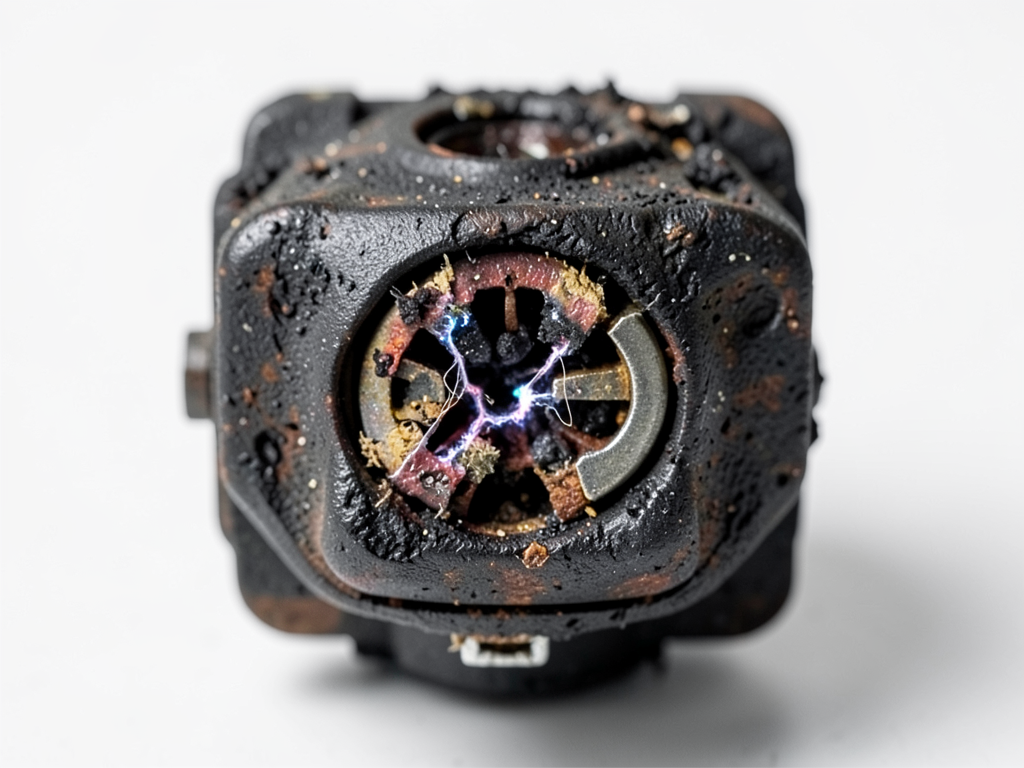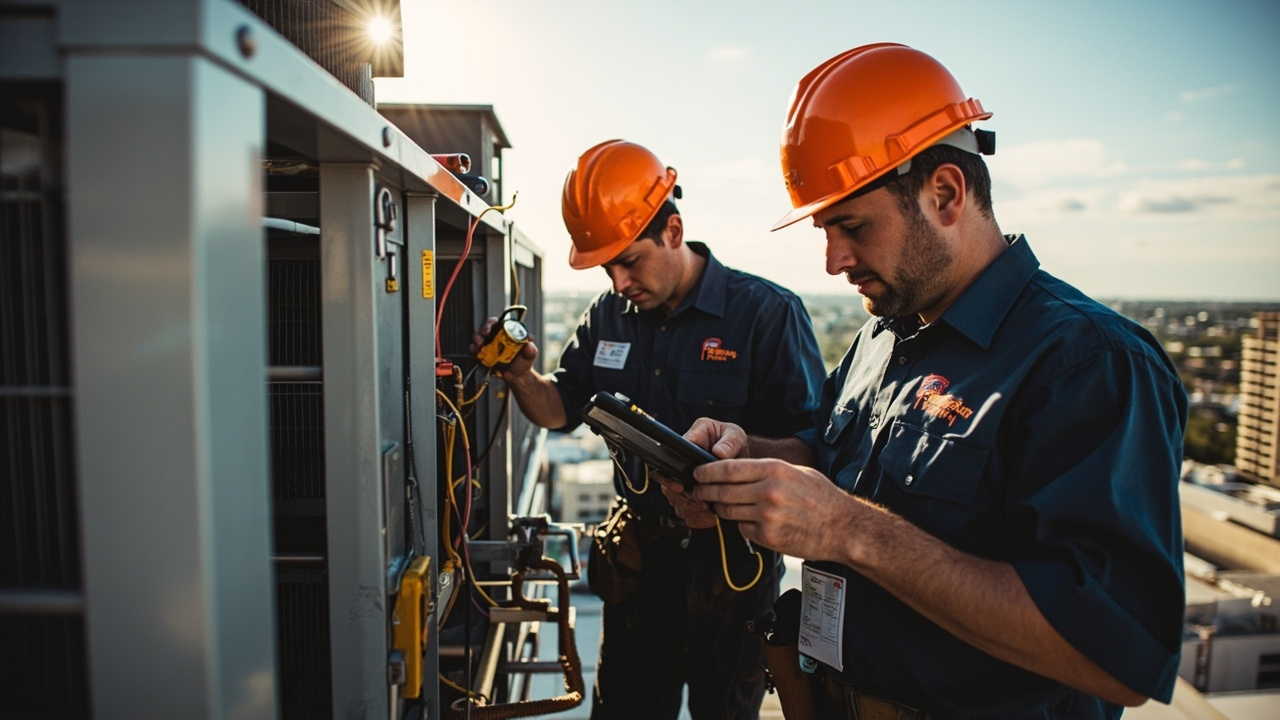

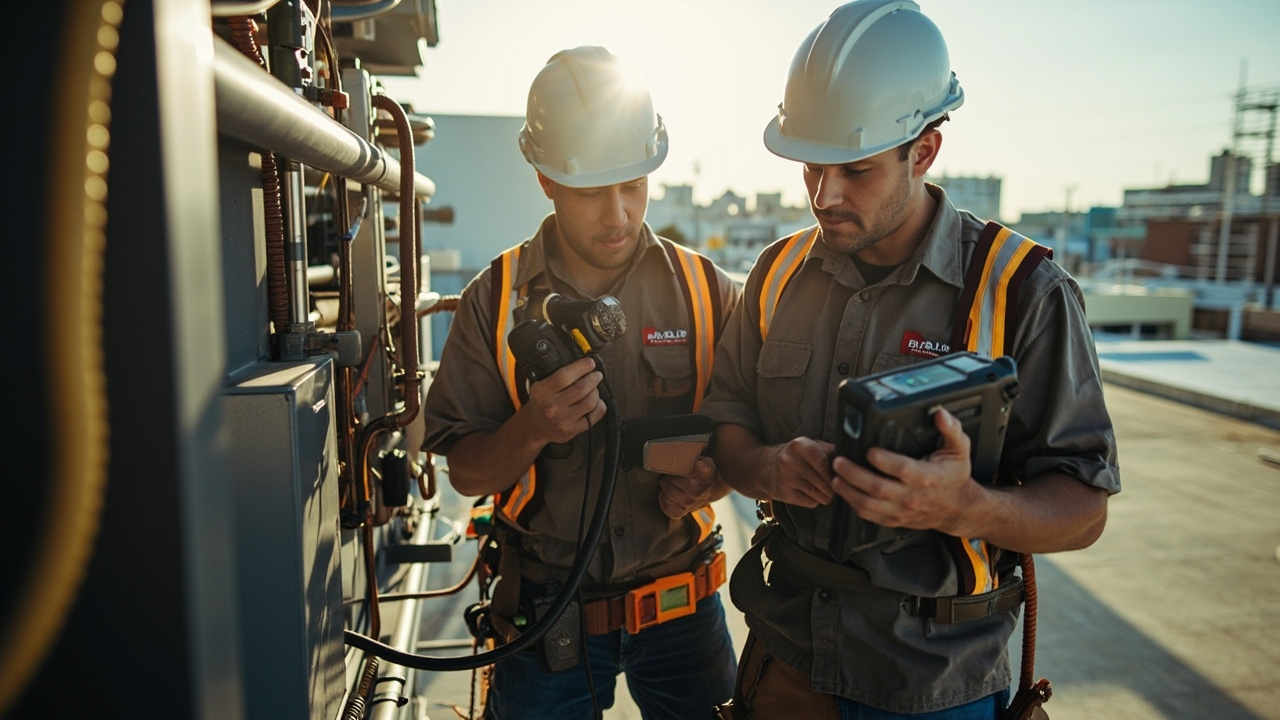
Tampa's location on the Gulf Coast creates specific challenges for commercial heating and cooling services that contractors from inland markets often underestimate. Salt-laden air from Tampa Bay accelerates corrosion on condenser coils, requiring marine-grade coatings or more frequent replacement cycles. The combination of high humidity and afternoon thunderstorms means commercial buildings need enhanced dehumidification capacity beyond standard calculations. Buildings in evacuation zones or near the Hillsborough River face flood elevation requirements that affect equipment placement and electrical connections. The Florida Building Code requires hurricane-rated equipment attachments, making rooftop unit installation more complex than in non-coastal markets. These factors directly impact equipment selection, installation methods, and maintenance requirements for Tampa commercial facilities.
Commercial HVAC companies serving Tampa must maintain current knowledge of local permitting authorities and inspection requirements. The City of Tampa Development Services handles permits for properties within city limits while Hillsborough County manages unincorporated areas. Each jurisdiction applies slightly different interpretations of the Florida Building Code. Projects in designated historic districts including Ybor City require additional design review. Contractors need established relationships with local building inspectors, familiarity with Tampa Electric interconnection procedures, and understanding of when mechanical plans require professional engineer stamps. Peak HVAC Tampa operates within this regulatory framework daily, maintaining the documentation, insurance requirements, and inspection protocols that commercial property owners need for compliance and liability protection.