Menu

Emergency Furnace Repair in Tampa – Licensed Technicians Dispatched in 60 Minutes or Less

When your furnace fails after midnight in Tampa's unpredictable winter, you need a technician at your door fast. Peak HVAC Tampa provides 24/7 emergency furnace repair with guaranteed rapid response, same-day parts availability, and diagnostic expertise you can trust.

Slider Image 1
Slider Image 2
Slider Image 3
Slider Image 4
Slider Image 5
Slider Image 7
Slider Image 8
Slider Image 9
Slider Image 10
Slider Image 11

Why Tampa Furnaces Fail Without Warning

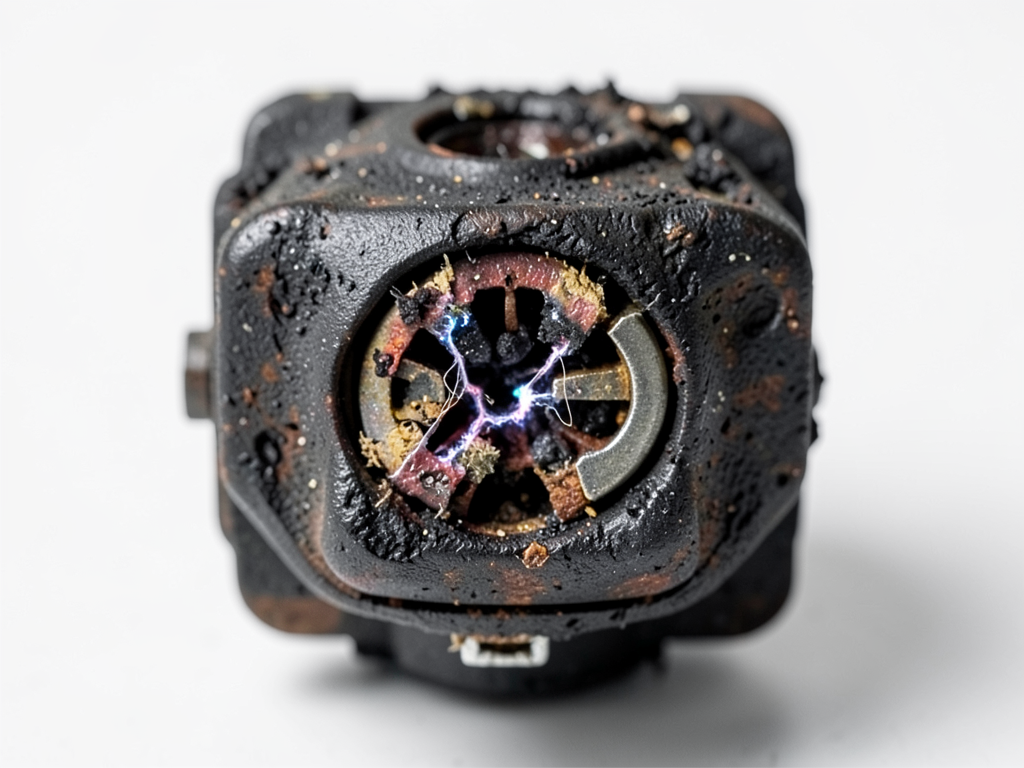
Tampa's humid subtropical climate creates conditions most homeowners never consider. Your furnace sits dormant for eight months in moisture-saturated air. Condensation builds inside the heat exchanger, combustion chamber, and blower assembly. When you finally flip that thermostat in December, corroded igniters fail to spark, rusted burners refuse to light, and seized blower motors lock up.

The temperature swings between 45 degrees at night and 75 degrees by noon stress metal components through constant expansion and contraction. Gas valves that worked fine last February crack from thermal cycling. Pressure switches clog with airborne salt from the Gulf, triggering safety lockouts that shut your system down completely.

You wake up at 3 AM to a house at 55 degrees. Your kids are cold. Your elderly parent is shivering. You search for urgent heating repair and find companies that promise callbacks during business hours. That does not solve the problem now.

Peak HVAC Tampa stocks critical furnace components on every service truck because we understand Tampa's failure patterns. Ignitors, flame sensors, pressure switches, gas valves, and blower capacitors sit ready for immediate heating system repair. We arrive prepared for the exact failures Tampa's climate creates. When you call for 24 hour furnace repair, a technician is dispatched within minutes, not scheduled for tomorrow.

Why Tampa Furnaces Fail Without Warning
How We Diagnose and Repair Failed Furnaces at 2 AM

How We Diagnose and Repair Failed Furnaces at 2 AM

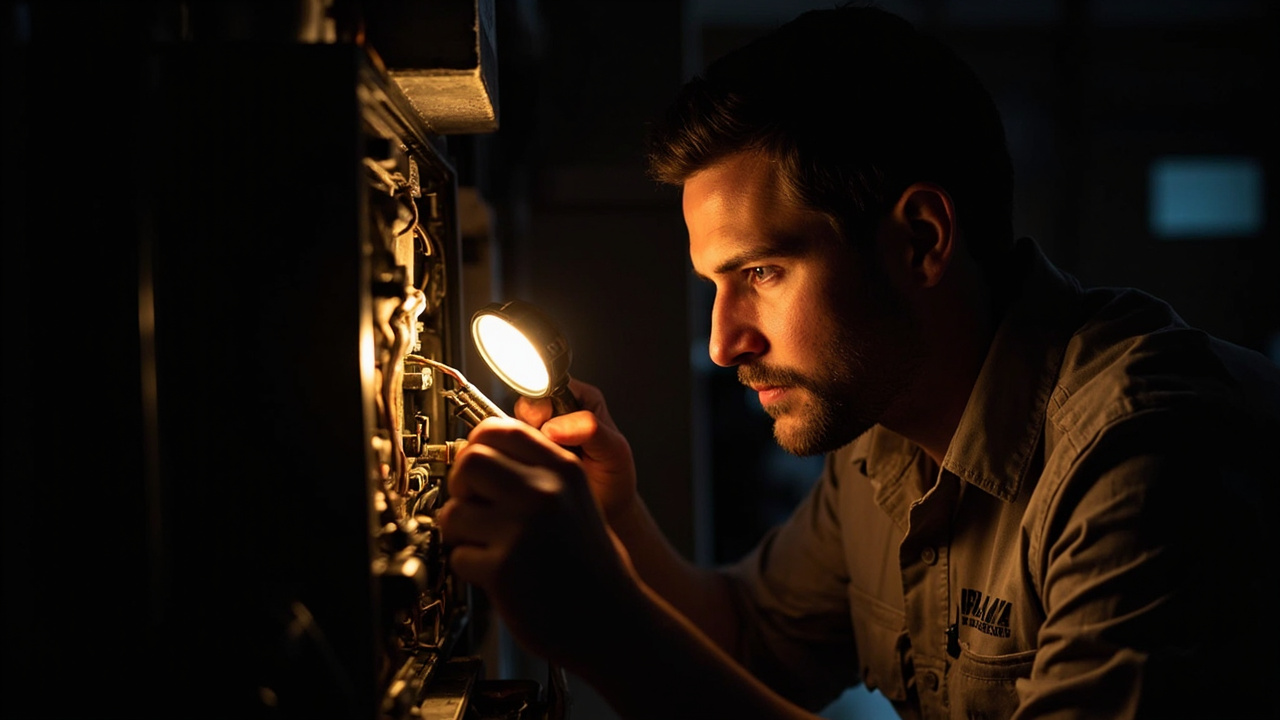
Emergency heater repair starts with systematic elimination. Our technicians do not guess. We begin at the thermostat and work backward through the control circuit. Is the transformer delivering 24 volts to the control board? Is the pressure switch closing properly? Is the hot surface ignitor glowing? Is the flame sensor detecting combustion?

We use digital multimeters to test voltage drops across every component in the ignition sequence. A faulty pressure switch reads infinite resistance when it should show continuity. A cracked heat exchanger shows visible flame rollout that triggers the limit switch. A failing inducer motor pulls 0.3 amps when it should draw 3.2 amps, signaling bearing failure.

Tampa homes built before 2000 often have undersized return air paths because builders assumed year-round air conditioning use. When you finally run heat, restricted airflow overheats the heat exchanger and trips the high-limit safety. We measure static pressure and calculate airflow in cubic feet per minute. If your system is choking, we explain the fix before we touch a single screw.

Peak HVAC Tampa technicians carry thermal imaging cameras that reveal hot spots invisible to the naked eye. A heat exchanger crack shows as a temperature differential. A blocked flue pipe shows as back pressure in the combustion chamber. We document the failure, explain what caused it, and show you the evidence. You see exactly what broke and why. Then we fix it with OEM-grade parts, not universal-fit components that fail in six months.

What Happens When You Call for Emergency Repair

Emergency Furnace Repair in Tampa – Licensed Technicians Dispatched in 60 Minutes or Less
01

Immediate Dispatch and Arrival

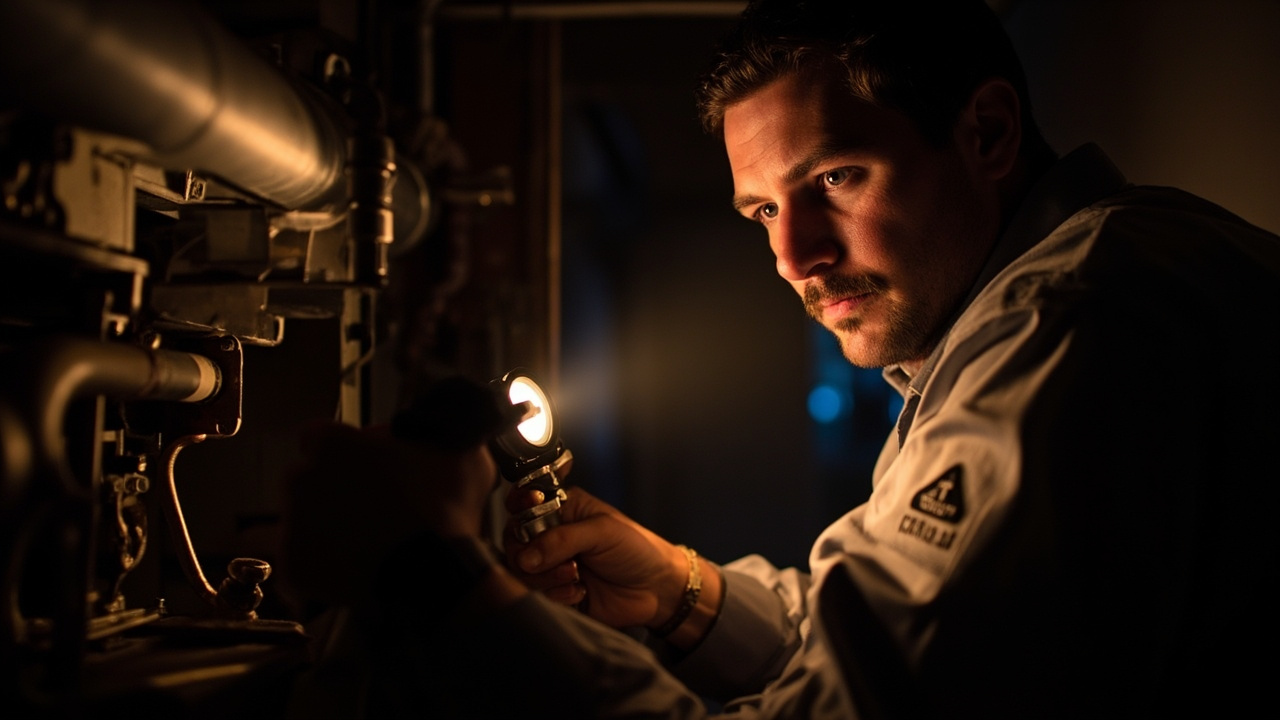
The moment you call (656) 237-5377, we assign a licensed technician already in a service truck. No waiting for someone to finish another job. No callbacks. You receive a text with your technician's name, photo, and estimated arrival time. Most Tampa addresses get service within 60 minutes, even at 3 AM. Our trucks carry diagnostic equipment, replacement parts, and safety gear to handle gas leaks, electrical faults, and carbon monoxide risks.
02

Full System Diagnostic

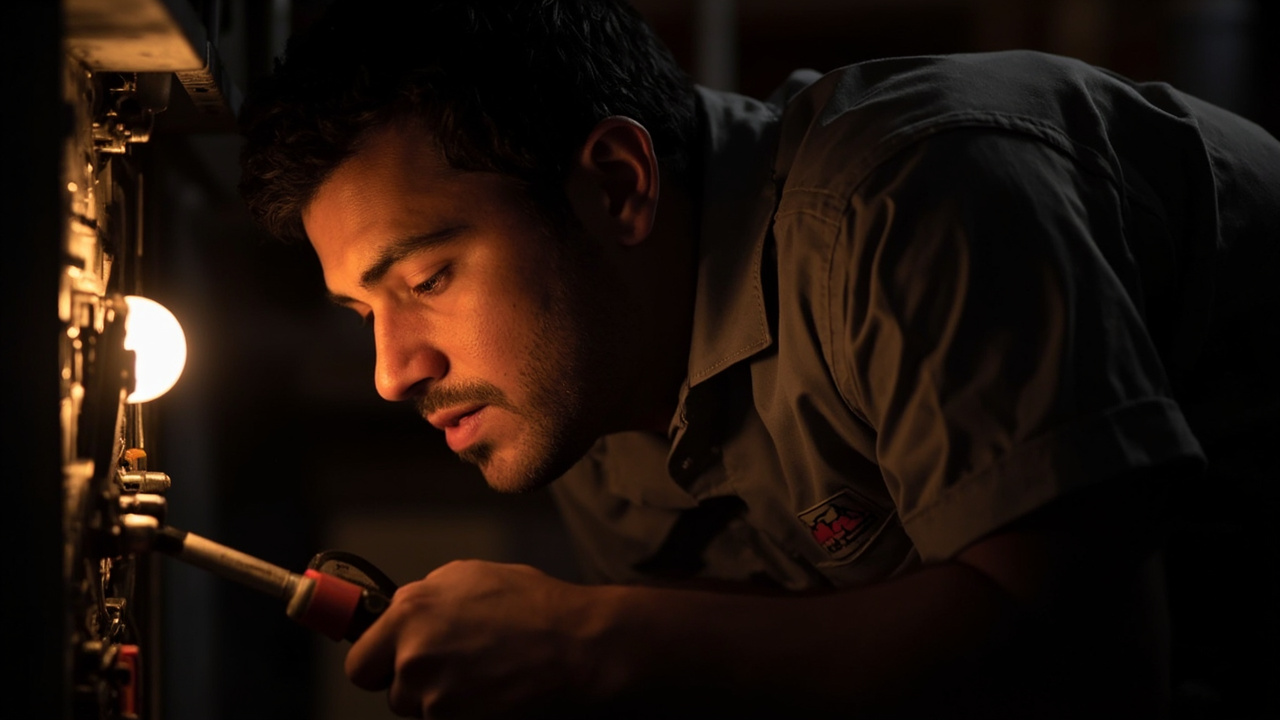
We test the entire heating system, not just the obvious failure point. Gas pressure at the manifold, voltage at the control board, amperage draw on the blower motor, and temperature rise across the heat exchanger all get measured and compared against manufacturer specs. We inspect the flue pipe for blockages, check the condensate drain for clogs, and verify proper combustion with a flue gas analyzer. You get a written diagnostic report before any repair begins.
03

Repair and System Verification

After replacing the failed component, we run multiple heating cycles to confirm proper ignition, stable flame, correct temperature rise, and safe shutdown. We measure supply air temperature, verify thermostat response, and check for gas leaks with electronic detection equipment. You watch the system cycle on and off normally. Before we leave, we program your thermostat, replace your air filter if needed, and provide a written service record with the part warranty information.

Why Tampa Residents Call Peak HVAC for 24/7 Furnace Service

Most HVAC companies in Tampa focus on air conditioning because that generates year-round revenue. They staff for cooling calls and treat heating as an afterthought. When your furnace dies in January, those companies tell you to wait until morning or suggest space heaters as a temporary fix. That approach does not work when you have infants, elderly family members, or pipes at risk of freezing during a cold snap.

Peak HVAC Tampa maintains dedicated emergency heating technicians every single night. We stock furnace parts other companies special-order because we understand Tampa's heating equipment failure patterns. Gas furnaces in coastal areas fail differently than furnaces in dry climates. Salt air corrodes flame sensors. High humidity damages control boards. We see these failures constantly and carry the exact parts Tampa furnaces need.

Our technicians train specifically on emergency diagnostics where speed and accuracy both matter. A misdiagnosed pressure switch costs you another service call tomorrow. A missed heat exchanger crack puts carbon monoxide in your home. We get the diagnosis right the first time because we have seen every failure mode Tampa's climate creates.

Neighborhoods throughout Tampa, from Seminole Heights to South Tampa, from Westchase to New Tampa, call us when other companies leave them waiting. We have repaired furnaces in historic bungalows with original 1940s ductwork and modern homes with zoned systems. We understand how Tampa building codes changed over decades and how those changes affect heating system performance. When you call Peak HVAC Tampa for emergency furnace repair, you get technicians who know this city's housing stock inside and out.

What to Expect During an Emergency Service Call

Response Time and Availability

Peak HVAC Tampa dispatches emergency technicians 24 hours a day, 365 days a year. When you call (656) 237-5377 at 2 AM on Christmas morning, a live person answers and a technician gets dispatched immediately. We do not use answering services or queue your call for morning callback. Most Tampa locations receive service within 60 minutes. Outlying areas in Hillsborough County may take 90 minutes depending on traffic conditions. You receive real-time text updates with your technician's location and arrival estimate. If we encounter unexpected delays, we communicate immediately so you know exactly when help arrives.

Diagnostic Process and Transparency

Emergency diagnostics take 30 to 45 minutes for most furnace failures. Our technicians test every component in the heating sequence using calibrated meters and diagnostic software. We show you the failed part, explain what caused the failure, and provide a written estimate before starting any repair. You see the actual voltage readings, temperature measurements, and amperage draws that prove the diagnosis. If your furnace needs multiple repairs, we prioritize what gets your heat working immediately and what can wait. You make the decision. We never pressure you into unnecessary work during an emergency call.

Repair Quality and Parts

We install OEM-grade replacement parts designed for Tampa's humid climate. Universal-fit components from big-box stores fail quickly in coastal environments because they lack corrosion-resistant coatings and proper humidity ratings. Our ignitors, flame sensors, gas valves, and control boards meet or exceed original manufacturer specifications. Most emergency repairs finish in 60 to 90 minutes once parts get installed. Complex repairs requiring multiple components may take two hours. You get heat restored the same night we arrive. Your system cycles normally before we leave. We test ignition, monitor combustion, and verify proper airflow to confirm everything operates safely.

Service Documentation and Follow-Up

You receive a detailed service report documenting the failure, diagnostic findings, parts installed, and system performance after repair. This report includes photos of the failed component and test measurements proving proper operation. We email this documentation within 24 hours for your records. Parts installed during emergency repairs come with manufacturer warranties that we honor completely. If the same component fails within the warranty period, we replace it at no charge for the part. We also provide a follow-up call within three days to confirm your system continues operating correctly. If you experience any issues, we return immediately at no additional diagnostic charge.

Frequently Asked Questions

You Have Questions,
We Have Answers

How much is an emergency furnace call? +

Emergency furnace calls in Tampa typically range from a diagnostic fee plus repair costs, with many companies charging premium rates for after-hours service. You pay for speed and immediate response, especially during rare cold snaps when demand spikes. Most techs charge a trip fee that applies toward the repair if you proceed. During Tampa's brief winter months, expect higher rates for same-day or overnight service. Always ask upfront about the diagnostic fee, overtime charges, and whether it's waived with repair. Get a quote before authorizing work to avoid surprises when your family needs heat restored fast.

What to do if you can't afford to fix your furnace? +

If you cannot afford furnace repairs right away, ask your HVAC contractor about financing options or payment plans. Many Tampa companies offer zero-interest financing through third-party lenders. Check if your homeowner's insurance covers the failure, especially if caused by storm damage or power surges during Florida thunderstorms. Look into local utility assistance programs or nonprofit organizations that help with emergency heating repairs. As a short-term fix, seal off unused rooms and use space heaters safely in occupied areas. Do not ignore a broken furnace, as humidity and mold grow fast in Tampa's climate without proper ventilation and temperature control.

What to do while waiting for furnace repair? +

While waiting for emergency furnace repair in Tampa, close off unused rooms to concentrate heat in smaller spaces. Use electric space heaters with automatic shutoffs, but never leave them unattended or near curtains. Reverse ceiling fans to push warm air down. Open blinds during the day to let in sunlight, then close them at night to trap warmth. Layer clothing and use extra blankets. Keep bathroom and kitchen doors closed after showers or cooking to retain steam heat. Check your thermostat batteries and breaker box first, as these quick fixes sometimes restore heat immediately. Stay patient and keep your phone charged for tech updates.

What qualifies as a furnace emergency? +

A furnace emergency means no heat when temperatures drop below 55 degrees indoors, carbon monoxide detector alarms, gas odors, visible flames outside the combustion chamber, or unusual burning smells. In Tampa, true furnace emergencies are less common than northern climates, but they still happen during January cold fronts when nighttime temps hit the 30s and 40s. Families with infants, elderly members, or medical conditions need immediate heat restoration. Cracked heat exchangers leaking carbon monoxide require instant shutdown and professional repair. Strange noises like banging or screeching also warrant urgent attention to prevent complete system failure or safety hazards.

What is the $5000 rule for HVAC? +

The $5000 rule for HVAC states that if repair costs plus remaining system age in years exceed $5000, replace instead of repair. For example, a $1200 repair on a 16-year-old furnace totals $6200, suggesting replacement makes more financial sense. This rule helps Tampa homeowners avoid throwing money at aging equipment that will fail again soon. Newer systems also offer better energy efficiency, lowering your electric bills in Florida's climate where HVAC accounts for over half of home energy use. Always get a second opinion on major repairs and compare the cost against a new, warrantied system before deciding.

What is the most expensive thing to fix on a furnace? +

The heat exchanger is the most expensive furnace component to replace, often costing 50 to 70 percent of a new system's price. This metal chamber transfers heat from combustion gases to your home's air. Cracks or corrosion cause carbon monoxide leaks, requiring immediate replacement for safety. In Tampa's humid climate, condensation accelerates heat exchanger rust, especially in older units. Control boards and variable-speed blower motors also carry high replacement costs. If your furnace is over 12 years old and needs a heat exchanger, replacement usually makes better financial sense than repair due to labor intensity and part expense.

How can I heat my house with a broken furnace? +

Heat your Tampa home temporarily with electric space heaters rated for the square footage you need to warm. Place them on hard, flat surfaces away from furniture and curtains. Use one heater per circuit to avoid tripping breakers. Keep bathroom doors closed after hot showers to trap steam heat. Run your dryer briefly with the door open to add warmth to laundry rooms. Open your oven door after cooking, but never use gas ovens as heaters due to carbon monoxide risk. Layer clothing and use thick blankets. Focus heating efforts on one or two rooms where your family gathers until professional repair restores your furnace.

What qualifies as an HVAC emergency? +

An HVAC emergency requires immediate professional response to prevent health risks, property damage, or complete system failure. This includes no heat when indoor temps drop dangerously low, no cooling during Tampa's summer heat waves causing heat exhaustion risks, refrigerant leaks, electrical burning smells, gas odors, carbon monoxide alarms, flooding around indoor units, or frozen AC coils causing water damage. Strange loud noises or visible smoke also qualify. In Florida's humidity, a broken AC can trigger mold growth within 48 hours. Medical conditions like asthma or heart disease make temperature extremes true emergencies requiring same-day service for safety.

How to pay for a new furnace with no money? +

Pay for a new furnace with no upfront money through HVAC financing programs offering zero-interest promotional periods or low monthly payments. Many Tampa contractors partner with lenders like GreenSky or Wells Fargo for instant approval. Check local utility rebate programs for high-efficiency system incentives. Apply for a home equity line of credit if you have equity built up. Some manufacturers offer financing directly through dealers. Look into FHA Title 1 home improvement loans. As a last resort, use a low-interest credit card with a promotional rate. Compare total costs across options and read terms carefully to avoid high interest after promotional periods end.

What temperature is dangerously cold for a house? +

Indoor temperatures below 55 degrees pose health risks, especially for infants, elderly residents, and those with respiratory or heart conditions. Hypothermia can occur indoors at temperatures in the 50s with prolonged exposure. Pipes risk freezing at 32 degrees, causing costly water damage when they burst. Tampa rarely sees these extremes, but January cold fronts occasionally push nighttime lows into the 30s and 40s. At 60 degrees indoors, discomfort increases and vulnerable individuals face risk. Below 50 degrees, seek alternative shelter or emergency heating immediately. High humidity in Florida makes cold feel more penetrating, requiring faster response than dry climates.

How Tampa's Coastal Humidity Accelerates Furnace Component Failure

Tampa sits less than 10 miles from the Gulf of Mexico in most residential areas. Salt-laden air infiltrates your home every time you open a door or window. This airborne salt deposits on furnace components during the eight-month cooling season when your heating system sits dormant. Flame sensors corrode. Ignitors develop surface oxidation that prevents proper heating. Pressure switches develop internal corrosion that causes false safety shutdowns. Control boards exposed to humidity develop micro-shorts that trigger intermittent failures. When you finally need heat in December, these corroded components fail instantly under thermal stress. Peak HVAC Tampa stocks corrosion-resistant components specifically rated for coastal environments because we understand how Gulf Coast humidity destroys standard heating parts.

Tampa's HVAC contractors must hold active Hillsborough County mechanical permits and maintain liability coverage specific to gas appliance work. Many emergency repair companies use unlicensed subcontractors who lack proper gas line certification. This creates serious liability risks when working on natural gas or propane furnaces. Peak HVAC Tampa employs only licensed journeyman and master HVAC technicians who carry individual certifications for gas appliance repair. We pull permits when code requires and maintain full insurance coverage for gas line work. When we repair your furnace, you get documented proof that a qualified, insured professional performed the work correctly. This matters for home insurance claims and future resale inspections.


HVAC Services in The Tampa Area

Discover Peak HVAC's primary service area and easily locate our business office on the map below. We are dedicated to serving our community with top-tier heating, ventilation, and air conditioning solutions, ensuring comfort and peace of mind. Feel free to visit our location for a personal consultation or simply use the map to understand our reach and how conveniently we can serve your home or business needs.

Address:
Peak HVAC Tampa, 100 Ashley Dr S #600, Tampa, FL, 33602

Additional Services We Offer

Our news updates

Latest Articles & News from The Blogs

Hunting Down Every Air Filter Return in Your Older Tampa Heights Bungalow \n\n Living in a historic Tampa Heights bungalow…

Hunting Down Every Air Filter Return in Your Older Tampa Heights Bungalow

Hunting Down Every Air Filter Return in Your Older Tampa Heights Bungalow \n\n Living in a historic Tampa Heights bungalow…

The Hidden Danger of Forgetting to Register Your New Fish Hawk HVAC Warranty

The Hidden Danger of Forgetting to Register Your New Fish Hawk HVAC Warranty Your new HVAC system represents a significant…

How Florida Lizards and Ants Can Actually Short Out Your Lutz AC Unit

How Florida Lizards and Ants Can Actually Short Out Your Lutz AC Unit Your AC suddenly stops working on a…

Contact Us

Your family does not need to spend another hour in the cold. Call Peak HVAC Tampa right now at (656) 237-5377. A licensed technician will arrive at your door within 60 minutes with the parts needed to fix your furnace tonight. No appointments. No waiting. Just fast, professional emergency heating repair.