Menu

Troubleshooting AC Issues in Tampa – Expert Diagnostics That Pinpoint Problems Fast

When your air conditioner fails in Tampa's heat, you need accurate troubleshooting AC issues guidance from technicians who understand central air troubleshooting and HVAC system diagnostics specific to Florida's demanding climate conditions.

Slider Image 1
Slider Image 2
Slider Image 3
Slider Image 4
Slider Image 5
Slider Image 7
Slider Image 8
Slider Image 9
Slider Image 10
Slider Image 11

Why Tampa Air Conditioners Fail in Predictable Ways

Tampa's relentless humidity and near-constant cooling demand create a perfect storm for air conditioner failures. Your system runs 10 to 11 months per year, pushing components far beyond what units in milder climates endure. Salt air from Tampa Bay corrodes outdoor condensers faster than inland systems. Afternoon thunderstorms flood drain lines with debris from oak and palm trees. The sandy soil shifts foundations, stressing refrigerant lines until they develop micro-leaks.

Most AC faults in Tampa follow patterns tied directly to these conditions. Capacitors fail from heat cycling. Evaporator coils freeze when dirty filters restrict airflow in humid conditions. Contactors pit from constant use. Drain lines clog with algae that thrives in 90-degree attic temperatures.

Diagnosing air conditioner problems correctly the first time matters because misdiagnosis costs you time, money, and comfort. A technician who replaces a capacitor without checking for voltage imbalances or refrigerant charge levels treats the symptom, not the cause. You get three days of relief before the compressor fails completely.

Central air troubleshooting requires understanding the relationship between outdoor ambient temperature, indoor humidity levels, and system performance. In Tampa, an AC struggling to maintain 72 degrees on a 95-degree day might have a refrigerant leak, a failing compressor, or simply a return air duct pulling hot attic air. The symptoms look identical. The fixes cost vastly different amounts.

Identifying AC faults through systematic HVAC system diagnostics eliminates guesswork. You deserve a technician who measures, tests, and verifies before recommending repairs.

Why Tampa Air Conditioners Fail in Predictable Ways
How Proper AC Diagnostics Work in Real Conditions

How Proper AC Diagnostics Work in Real Conditions

Effective troubleshooting AC issues starts with baseline measurements, not assumptions. Peak HVAC Tampa technicians arrive with digital manifold gauges, thermal imaging cameras, and amp meters because proper HVAC system diagnostics demand precision tools.

The first step involves measuring supply and return air temperatures at the plenum. A 15 to 20 degree temperature split indicates healthy operation in Tampa's climate. Anything less signals reduced capacity. We then check static pressure across the blower to identify ductwork restrictions that strangle airflow. High static pressure forces the blower motor to work harder, shortening its lifespan and reducing cooling efficiency.

Next, we measure refrigerant pressures on both the low side and high side while the system runs under load. We compare these readings against manufacturer specifications adjusted for outdoor ambient temperature. This reveals refrigerant leaks, TXV failures, or compressor valve problems that other technicians miss. We do not add refrigerant without first performing leak detection using electronic sniffers and nitrogen pressure tests.

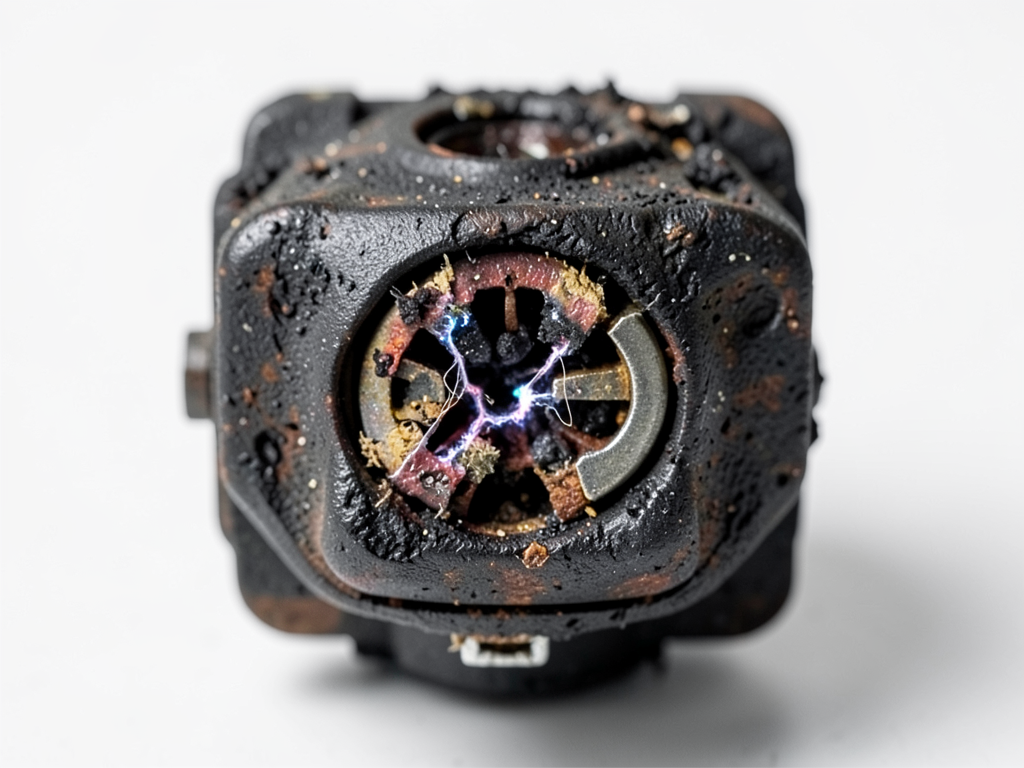
Electrical diagnostics separate competent technicians from parts changers. We measure voltage and amperage at the disconnect, the contactor, and each motor. Voltage imbalances above 2 percent damage compressors. We check capacitor microfarads under load, not just with a cheap analog meter. A capacitor reading 35 microfarads out of a rated 40 fails under Tampa's heat within weeks.

Central air troubleshooting requires checking airflow across the evaporator coil. We measure with a hot wire anemometer because proper airflow, 400 CFM per ton, determines whether your system can handle Tampa humidity. Low airflow causes freeze-ups. High airflow reduces dehumidification.

What Happens During Professional AC Diagnostics

Troubleshooting AC Issues in Tampa – Expert Diagnostics That Pinpoint Problems Fast
01

Initial System Assessment

We begin by listening to your description of symptoms, noting when problems occur and under what conditions. You know your system's behavior better than anyone. We then perform a visual inspection of the indoor air handler, outdoor condenser, thermostat wiring, and ductwork accessibility. This reveals obvious issues like tripped breakers, frozen coils, or damaged disconnect switches before we start detailed testing.
02

Comprehensive Performance Testing

With the system running, we measure electrical draw, refrigerant pressures, temperature splits, and airflow volumes. We photograph thermal images showing hot spots on electrical connections or cold spots indicating restricted refrigerant flow. These measurements identify root causes, not just failed components. We test capacitors, contactors, and compressor windings to determine remaining service life, preventing unexpected failures during the hottest weeks.
03

Diagnosis and Recommendation

After testing, we explain exactly what we found using plain language and supporting data. You receive a written diagnostic report showing measured values, manufacturer specifications, and our findings. We prioritize repairs by urgency and explain how each issue affects performance, efficiency, and longevity. You decide what gets fixed and when, armed with accurate information instead of sales pressure or guesswork.

Why Tampa Homeowners Trust Our Diagnostic Accuracy

Peak HVAC Tampa technicians understand how Tampa's climate accelerates wear on specific components. We know that condensers near Bayshore Boulevard face heavier salt corrosion than systems in Carrollwood. We recognize that older homes in Hyde Park with original ductwork suffer from airflow restrictions that newer Westchase homes do not experience.

Our diagnostic process accounts for Tampa's building characteristics. Concrete block construction common throughout Hillsborough County retains heat differently than wood frame homes. Attics reaching 140 degrees in summer stress ductwork and air handlers in ways that affect system performance. We factor these variables into our troubleshooting because they change how AC systems behave under load.

We carry diagnostic equipment that most HVAC companies skip due to cost. Our thermal imaging cameras reveal hidden problems like disconnected ductwork behind drywall or refrigerant leaks invisible to the naked eye. Our digital manifold gauges provide real-time data logging so we can track system performance over a complete cooling cycle, catching intermittent faults that simple pressure readings miss.

You benefit from our investment in ongoing training. HVAC system diagnostics evolve as manufacturers introduce variable-speed compressors, electronically commutated motors, and communicating thermostats. We maintain certifications in these advanced systems because identifying AC faults requires understanding how modern components interact differently than older single-stage equipment.

Our diagnostic fees apply toward repairs when you proceed with our recommendations. You pay for answers, not just a service call. We provide written findings you can use for second opinions or warranty claims. Transparency builds trust, and accurate diagnostics save you from unnecessary repairs or premature system replacement.

What You Can Expect From Our Diagnostic Service

Fast Scheduling and Response

We schedule diagnostic appointments within 24 to 48 hours for non-emergency situations. If your AC has failed completely during a heat wave, we prioritize urgent cases and often arrive same-day. Our technicians call 30 minutes before arrival and arrive within the scheduled window. Most diagnostic visits take 60 to 90 minutes depending on system complexity and accessibility. We do not rush through testing to hit quotas or move to the next call.

Thorough Multi-Point Inspection

Our diagnostic service includes electrical testing, refrigerant analysis, airflow measurement, and component inspection. We check thermostat calibration, drain line flow, blower motor amperage, contactor condition, capacitor performance, and compressor health. You receive documentation showing what we tested and what we found. We explain technical findings in terms you can understand without talking down to you. Our goal is to educate, not intimidate with jargon.

Clear Diagnosis and Options

We provide a written diagnostic report ranking issues by severity. Critical failures that risk property damage or safety come first. Performance issues that waste energy but do not threaten the system come next. We explain repair options, including manufacturer part numbers and expected labor time. You choose whether to repair, monitor, or replace based on accurate information. We never use scare tactics or create false urgency around minor issues.

Diagnostic Fee Application

Our diagnostic fee covers the time, expertise, and equipment required for accurate troubleshooting. If you proceed with recommended repairs, we apply the full diagnostic fee toward your repair invoice. This ensures you pay for the fix, not just the diagnosis. If you decline repairs, you keep the written report for future reference or second opinions. Accurate diagnostics prevent repeated service calls for the same problem, saving money long term.

Frequently Asked Questions

You Have Questions,
We Have Answers

What is the most common AC problem? +

The most common AC problem in Tampa is a dirty or clogged air filter. High humidity and constant system use cause filters to load up with dust, pollen, and moisture faster than in drier climates. A clogged filter restricts airflow, forcing your compressor to work harder and reducing cooling efficiency. Check your filter monthly during summer. Refrigerant leaks and faulty capacitors are also frequent issues due to the year-round demand on Tampa systems. Regular maintenance catches these problems before they escalate into costly repairs or complete system failure.

What is the 3 minute rule for AC? +

The 3 minute rule prevents compressor damage by requiring a minimum wait time between system cycles. When you turn your AC off, refrigerant pressure needs at least 3 minutes to equalize between the high and low sides. If you restart too quickly, the compressor fights against unbalanced pressure, causing mechanical strain and potential failure. This matters in Tampa where constant thermostat adjustments during heat waves tempt frequent cycling. Most modern units have built-in time delay relays, but manual shutdowns still require patience. Follow this rule to extend compressor life.

What is the $5000 rule for AC? +

The $5000 rule helps you decide between repair and replacement. If your AC repair cost multiplied by the system age in years exceeds $5000, replacement makes more financial sense. For example, a $500 repair on a 12-year-old unit equals $6000, suggesting replacement. In Tampa's humid climate, units older than 10 years often face escalating repair costs due to corrosion and wear. A new system offers better efficiency, lower utility bills, and warranty protection. This rule prevents throwing money at a failing system approaching end-of-life.

How to troubleshoot air conditioning problems? +

Start troubleshooting by checking your thermostat batteries and settings. Verify the breaker did not trip and the outdoor disconnect switch is on. Inspect your air filter for clogs. Look at the outdoor condenser unit for debris blocking airflow or ice buildup on refrigerant lines. Listen for unusual noises like grinding or clicking. Check vents for weak airflow. In Tampa's humid environment, drain line clogs cause frequent shutdowns, so inspect the condensate pan for standing water. If basic checks reveal nothing, call a licensed technician before attempting electrical or refrigerant work.

Why is my AC running but not cooling? +

Your AC runs but does not cool due to refrigerant leaks, a failed compressor, frozen evaporator coils, or a clogged filter restricting airflow. In Tampa, dirty condenser coils covered in pollen and salt spray reduce heat transfer efficiency. Check if your outdoor unit fan spins and whether refrigerant lines show ice formation. A malfunctioning reversing valve or thermostatic expansion valve also prevents proper cooling. Low refrigerant does not just disappear, it leaks, requiring professional leak detection and EPA-certified recharge. Do not ignore this issue as continued operation damages the compressor.

What should my AC be set at if it's 100 degrees outside? +

Set your AC to 72-75 degrees when outdoor temperatures hit 100 degrees. Most residential systems can maintain a 15-20 degree temperature difference between indoor and outdoor air. In Tampa's extreme heat and humidity, setting your thermostat below 72 forces your system to run continuously without reaching the setpoint, wasting energy and stressing components. Use ceiling fans to improve comfort at higher temperatures. Close blinds during peak sun hours. If your system struggles to maintain 75 degrees, you likely have capacity issues, ductwork leaks, or inadequate insulation requiring professional evaluation.

Why is my AC set to 72 but reads 78? +

Your thermostat reads 78 degrees when set to 72 because your system lacks cooling capacity for the space, has restricted airflow, or suffers from refrigerant loss. In Tampa homes, poor attic insulation and air leaks around windows allow heat infiltration faster than your AC removes it. Undersized ductwork or closed vents in unused rooms reduce system efficiency. A failing compressor or dirty evaporator coil also prevents temperature drop. Check your air filter first. If the system runs continuously without reaching setpoint, call a technician to measure airflow, refrigerant charge, and duct leakage.

How to tell if an AC capacitor is bad? +

A bad capacitor shows specific symptoms. Listen for a clicking sound when the system tries to start but the compressor does not engage. The outdoor fan may spin slowly or not at all. You might smell burning near the outdoor unit. Use a multimeter set to capacitance mode to test. A healthy capacitor reads within 6% of its rated microfarad value printed on the casing. Bulging, leaking, or corroded capacitors fail frequently in Tampa's heat and humidity. Capacitors are inexpensive parts but require safe discharge before handling due to stored electrical charge.

How long should your AC run on a 100 degree day? +

Your AC should run 15-20 minutes per cycle on a 100 degree day, cycling 2-3 times per hour. In Tampa's extreme heat, expect longer run times but the system should still cycle off once reaching setpoint. Continuous operation without cycling indicates undersized equipment, refrigerant issues, or excessive heat load. A properly sized system maintains comfort without running nonstop. If your unit never shuts off, you waste energy and accelerate wear on components. Check that your thermostat placement is not near heat sources and that insulation adequately protects conditioned spaces.

What is the life expectancy of an air conditioner? +

Air conditioners last 10-15 years in Tampa's climate. High humidity, salt air near coastal areas, and year-round use reduce lifespan compared to northern climates. Systems that receive annual maintenance, clean coils, and prompt repairs reach 15 years. Neglected units fail closer to 10 years due to corrosion, refrigerant leaks, and compressor burnout. Factors affecting longevity include installation quality, thermostat cycling frequency, and attic temperatures. After 12 years, repair frequency increases and efficiency drops. Budget for replacement once your system passes the 10-year mark to avoid emergency failures during peak summer heat.

How Tampa's Year-Round Cooling Demand Changes AC Troubleshooting

Tampa air conditioners operate under conditions most other cities never experience. Your system runs 3,000 to 4,000 hours annually compared to 1,000 hours in moderate climates. This constant operation means components fail from fatigue, not just age. A five-year-old compressor in Tampa has the equivalent wear of a 15-year-old unit in Colorado. Troubleshooting AC issues here requires understanding cumulative stress, not just textbook failure modes. Capacitors degrade from heat cycling. Contactors pit from constant switching. Blower motors wear bearings from continuous operation. Diagnosing air conditioner problems in Tampa means accounting for accelerated wear patterns that training manuals do not cover because they assume seasonal use.

Peak HVAC Tampa technicians live and work in the same conditions your AC faces. We troubleshoot systems in Seminole Heights bungalows with undersized ductwork, Westshore high-rises with multiple zones, and South Tampa historic homes with retrofitted central air. This local experience matters when identifying AC faults because building characteristics affect system performance. We understand Tampa's building code requirements for refrigerant line protection and condensate drainage. We know which AC models hold up best in salt air and which fail prematurely near the bay. You get diagnostic expertise shaped by thousands of service calls in your exact environment, not generic troubleshooting charts from a corporate manual.


HVAC Services in The Tampa Area

Discover Peak HVAC's primary service area and easily locate our business office on the map below. We are dedicated to serving our community with top-tier heating, ventilation, and air conditioning solutions, ensuring comfort and peace of mind. Feel free to visit our location for a personal consultation or simply use the map to understand our reach and how conveniently we can serve your home or business needs.

Address:
Peak HVAC Tampa, 100 Ashley Dr S #600, Tampa, FL, 33602

Additional Services We Offer

Our news updates

Latest Articles & News from The Blogs

Expert Mobile Home AC Replacement in Ruskin, FL Mobile homes in Ruskin need specialized cooling systems that differ from standard…

Finding a Reliable Mobile Home AC Replacement Specialist in Ruskin

Expert Mobile Home AC Replacement in Ruskin, FL Mobile homes in Ruskin need specialized cooling systems that differ from standard…

Emergency AC Repair for Busy Restaurants and Kitchens Near Armature Works

Emergency AC Repair for Busy Restaurants and Kitchens Near Armature Works When your restaurant AC fails during Tampa's summer heat…

Connecting your Westshore Marina District condo HVAC to your smart home system

Connecting your Westshore Marina District condo HVAC to your smart home system Living in the Westshore Marina District means enjoying…

Contact Us

Stop guessing what is wrong with your air conditioner. Call Peak HVAC Tampa at (656) 237-5377 for accurate diagnostics that identify the real problem. We schedule diagnostic appointments fast and provide written findings you can trust.