


St. Petersburg's coastal subtropical climate punishes HVAC systems year-round. Summer temperatures regularly exceed 90 degrees with humidity levels that make air conditioners run 12 to 16 hours daily. Salt air from Tampa Bay accelerates corrosion on outdoor condenser units, eating through coils and electrical connections faster than inland areas experience. Winter cold snaps, while brief, stress heating systems that sit unused most of the year, causing ignition failures and cracked heat exchangers when temperatures suddenly drop.
The sandy soil common throughout Pinellas County shifts and settles, stressing ductwork connections and causing air leaks that waste energy. Afternoon thunderstorms during summer months create power surges that damage compressors and control boards. Homes near the waterfront in neighborhoods like Shore Acres and Snell Isle face additional challenges from salt spray that requires more frequent coil cleaning and component replacement.
Your HVAC system works harder in St. Petersburg than almost anywhere else in the country. Regular maintenance and fast repairs prevent small issues from becoming expensive replacements during the hottest months when you need cooling most.
Peak HVAC Tampa has served St. Petersburg and Pinellas County for over 15 years, building a reputation for showing up fast and fixing problems right the first time. We understand coastal climate challenges because we work with them every day. Our technicians know which components fail first in salt air, which systems handle humidity best, and how to prevent the most common breakdowns before they happen.
We stock our trucks with parts for every major brand and system type, which means we complete most repairs during the first visit without waiting for parts orders. When your AC quits at 3 PM on a 95-degree Saturday, you need someone who arrives within hours, not days. Our 24/7 dispatch system ensures a technician is en route quickly, and our flat-rate pricing means you know the cost before work begins.
Other companies send undertrained technicians who misdiagnose problems or push unnecessary replacements. We focus on honest assessments and repairs that extend your system's life. Our technicians receive ongoing training on new refrigerants, smart thermostats, and energy-efficient technologies. We also maintain relationships with local building inspectors and understand Pinellas County permitting requirements for installations and major repairs.
We serve St. Petersburg because we live here. Our families deal with the same heat, humidity, and salt air your system faces. We treat your home like our own because our reputation depends on satisfied customers who recommend us to neighbors and friends.

HVAC emergencies happen at the worst times. Peak HVAC Tampa operates around the clock with real technicians on call, not answering services. Call at midnight or Sunday morning and get a live person who dispatches help immediately. We understand that losing cooling in August or heating in January creates dangerous conditions for children and elderly family members.

Our trucks carry extensive parts inventory for all major brands including Carrier, Trane, Lennox, Rheem, and Goodman. Most repairs finish during the initial service call without return trips or parts delays. We diagnose accurately using digital testing equipment and thermal imaging, then fix the actual problem instead of guessing. This approach saves you time and gets your comfort restored immediately.
You receive a firm price before any work begins, regardless of how long the repair takes. No surprise charges, no hourly rate inflation, no games. Our pricing includes labor, parts, and warranty coverage. If the repair costs more than expected, we absorb the difference. This transparency builds trust and eliminates the anxiety of watching a clock tick while your bill climbs.
St. Petersburg's salt air, humidity, and storms require specialized knowledge. We recommend corrosion-resistant components for waterfront properties, properly size systems for extreme humidity loads, and install surge protection that prevents damage during Florida's frequent lightning strikes. Our maintenance plans focus on the specific issues that plague coastal HVAC systems, extending equipment life and preventing breakdowns during peak demand.
Peak HVAC Tampa provides every service your cooling and heating systems need, from emergency repairs to full system replacements. We work on all equipment types including central air conditioning, heat pumps, gas furnaces, electric heating, and ductless mini-split systems. Our technicians hold EPA certifications for refrigerant handling and stay current on Florida building codes and manufacturer specifications.
HVAC service breaks into three main categories based on urgency and scope. Emergency repairs address systems that have stopped working or are creating dangerous conditions. Maintenance and tune-ups prevent breakdowns and improve efficiency before problems develop. Installations and replacements handle systems that have reached the end of their useful life or can't meet your home's comfort needs. Each category requires different expertise, parts availability, and project timelines. Understanding which service you need helps you make informed decisions about your system and budget.
When your air conditioner stops cooling or your heater quits working, Peak HVAC Tampa responds immediately. We diagnose compressor failures, refrigerant leaks, electrical problems, thermostat malfunctions, and blower motor issues on all brands. Our emergency service includes same-day repairs for most problems, with technicians arriving in trucks stocked with common replacement parts. We handle frozen evaporator coils, failed capacitors, contactor problems, and control board failures that leave homes uncomfortable and families stressed during extreme weather.
Scheduled maintenance catches small problems before they become expensive failures. Our comprehensive tune-ups include cleaning condenser coils, checking refrigerant levels, testing electrical connections, lubricating motors, inspecting ductwork, and calibrating thermostats. We measure airflow, test safety controls, and clean drain lines that frequently clog in humid climates. Regular maintenance reduces energy consumption by up to 15 percent and extends equipment life by years. Our service plans provide priority scheduling and discounted repairs for members.
Systems over 15 years old or requiring frequent repairs often cost more to maintain than replace. Peak HVAC Tampa performs load calculations to properly size new equipment for your home's square footage, insulation, and window exposure. We install high-efficiency systems that qualify for utility rebates and tax credits, handle all permitting and inspections, and remove old equipment responsibly. Our installations include upgraded thermostats, proper ductwork modifications, and warranty registration. We explain financing options and help you select equipment that balances upfront cost with long-term energy savings.
St. Petersburg's climate creates specific problems that homeowners encounter repeatedly. Understanding these common issues helps you recognize warning signs and call for service before minor problems become major failures. Coastal humidity, salt air, and extreme summer heat stress components in ways that don't happen in drier or cooler climates.
Most HVAC problems start small and worsen gradually. A refrigerant leak might reduce cooling capacity by 20 percent before you notice rooms staying warm. A dirty evaporator coil forces your blower motor to work harder, increasing energy bills before the motor burns out completely. Catching these issues early through regular maintenance or immediate attention to performance changes saves money and prevents emergency breakdowns during the hottest or coldest days of the year.
Salt air corrodes copper refrigerant lines and aluminum coil fins, creating leaks that slowly drain your system's cooling capacity. You notice rooms staying warmer, the system running constantly, and ice forming on refrigerant lines. Simply adding refrigerant without fixing the leak wastes money and harms the environment. Proper repair requires finding the leak, repairing or replacing damaged components, evacuating the system, and recharging with the correct amount of refrigerant.
Your AC removes gallons of moisture from indoor air every day. That water drains through a small pipe that frequently clogs with algae, mold, and debris in humid climates. Clogged drains cause water to back up into your air handler, overflow onto ceilings, and trigger float switches that shut down your system completely. Regular drain cleaning prevents water damage and keeps your AC running during the hottest months when humidity levels peak.
Capacitors start compressors and blower motors, but they fail frequently in hot attics and during power surges from summer thunderstorms. A failed start capacitor prevents your compressor from starting, leaving your home without cooling. A weak run capacitor makes motors work harder and overheat. Capacitor replacement is quick and inexpensive when caught early, but delayed replacement often damages expensive compressors and motors that cost hundreds more to replace.
Many St. Petersburg homes have HVAC systems installed without proper load calculations. Undersized equipment runs 24 hours daily during summer, never reaching set temperatures and driving energy bills through the roof. The constant operation wears out compressors, motors, and contactors years early. Proper system sizing based on your home's square footage, insulation levels, window exposure, and ductwork design ensures adequate cooling capacity and reasonable equipment life.
Peak HVAC Tampa focuses on clear communication, fast service, and honest recommendations. You talk to real people who answer questions directly, schedule convenient appointment windows, and keep you informed throughout the repair or installation process. Our service vans carry extensive parts inventory, diagnostic equipment, and safety gear to handle most jobs during the first visit.
We respect your home and your time. Technicians wear shoe covers, use drop cloths to protect flooring, and clean up completely after finishing work. You receive detailed explanations of what failed, why it happened, and how to prevent similar problems. We show you failed parts, explain repair options at different price points, and never pressure you into unnecessary upgrades. Our goal is fixing your immediate problem while building a long-term service relationship based on trust.
Call our dispatch line any time, day or night, and reach a real person who understands HVAC emergencies. We don't use answering services or voicemail during off hours. Our dispatcher asks about your symptoms, provides immediate troubleshooting guidance if safe, and schedules the fastest available appointment. Emergency calls receive same-day service, often within a few hours. Scheduled maintenance and non-emergency repairs get convenient time windows that fit your schedule. We call 30 minutes before arrival and show up when promised.
Our technician examines your entire system, not just the obvious problem. Using digital multimeters, refrigerant gauges, and inspection cameras, we identify the root cause and any related issues that need attention. You receive a clear explanation of what failed and why, shown in terms anyone can understand. Before starting work, we provide flat rate pricing for the complete repair including parts, labor, and warranty. You approve the price or decline without pressure or surprise charges appearing later.
We use OEM or premium aftermarket parts that meet or exceed original specifications. Repairs include written warranties covering both parts and labor, typically one year for most components. Major equipment installations carry manufacturer warranties up to 10 years on compressors and heat exchangers. After completing work, we test the entire system under operating conditions, verify proper temperatures and pressures, and ensure everything works correctly. You receive detailed invoices showing exactly what we fixed and what warranty coverage applies.
Peak HVAC Tampa streamlines service delivery so you spend less time dealing with HVAC problems and more time enjoying comfortable indoor temperatures. Our process eliminates confusion and delays.
Call our dispatch line or submit a service request online. We gather information about your symptoms, schedule an appointment within your preferred time window, and send reminders before arrival. Our technician arrives in a marked service van, introduces themselves, and asks detailed questions about the problem. After examining your system with diagnostic equipment, we identify the failure cause and check for related issues. You receive a clear explanation of what's wrong and what it takes to fix it properly.
We present flat rate pricing for the complete repair before starting any work. The quote includes parts, labor, testing, and warranty coverage with no hidden fees. You approve the work or decline without obligation. Once approved, our technician completes the repair using parts from the truck inventory or, for less common components, schedules a follow-up after ordering the exact part needed. We protect your floors and work areas, complete the repair efficiently, and test the entire system to verify proper operation before leaving.
After finishing repairs, we run your system through complete heating or cooling cycles to confirm proper operation. We measure temperatures, check refrigerant pressures, verify electrical draws, and ensure safety controls function correctly. You receive a detailed invoice showing work performed, parts installed, and warranty terms. We answer any questions about system operation, provide maintenance recommendations, and schedule follow-up service if needed. Our warranty covers both parts and labor, giving you confidence the repair will last.
Florida enforces specific codes and standards for HVAC installations and repairs that differ from other states. These requirements exist to ensure systems operate safely and efficiently in extreme heat and humidity. Peak HVAC Tampa stays current on all state and local regulations, holding proper licensing and insurance to perform work legally throughout Pinellas County.
Florida Building Code mandates proper refrigerant handling, ductwork installation standards, and energy efficiency minimums for new equipment. Systems must meet SEER ratings of at least 14 for air conditioners, though higher efficiency equipment qualifies for utility rebates. Load calculations using Manual J methodology are required for proper equipment sizing, preventing undersized systems that run constantly or oversized units that cycle too frequently and fail to remove humidity adequately.
Refrigerant regulations changed significantly in recent years. R-22 refrigerant, common in older systems, is no longer produced domestically. Systems using R-22 can still be repaired, but refrigerant costs have increased substantially. New systems use R-410A or newer refrigerants with lower environmental impact. EPA Section 608 certification is mandatory for technicians who handle refrigerants, ensuring proper recovery and disposal to prevent environmental damage.
Ductwork in Florida attics faces extreme temperatures, often exceeding 140 degrees during summer. Properly installed ducts require adequate insulation rated at minimum R-6, sealed connections to prevent air leakage, and proper support to prevent sagging. Leaky ductwork wastes up to 30 percent of cooled air into unconditioned attics, dramatically increasing energy bills and reducing comfort. Duct testing using calibrated blower door equipment identifies leakage and measures improvement after sealing.
Permit requirements in Pinellas County apply to system replacements, major repairs involving refrigerant lines or electrical work, and ductwork modifications. Permits ensure work meets code standards and includes mandatory inspections by county officials. Contractors performing work without proper permits risk fines and create liability issues if equipment fails or causes property damage. Always verify your contractor pulls necessary permits for major work.
Correctly sized equipment requires detailed calculations based on your home's square footage, insulation levels, window sizes and orientations, occupancy, and internal heat sources. Manual J load calculations account for Florida's climate zone requirements and ensure adequate capacity without oversizing. Oversized systems cost more upfront, cycle on and off too frequently, fail to dehumidify properly, and wear out components faster than properly sized equipment.
Repair costs depend on the failed component, refrigerant type, system accessibility, and whether the unit is still under warranty. Simple fixes like capacitor replacement cost substantially less than compressor replacement or complete coil changeouts. New system costs vary based on efficiency ratings, capacity requirements, brand selection, and installation complexity. Higher SEER ratings cost more initially but reduce monthly energy bills, often paying for the upgrade within five to seven years through lower utility costs.
Coastal Florida's harsh climate shortens HVAC equipment life compared to moderate climates. Well-maintained systems typically last 12 to 15 years, while neglected equipment often fails within 8 to 10 years. Heat pumps experience more wear than straight cooling systems because they operate year-round for both heating and cooling. Regular maintenance, prompt repairs, and proper installation significantly extend equipment life and maintain efficiency throughout the system's operational years.
Florida mandates minimum SEER 14 for new air conditioning installations, but utility companies offer rebates for higher efficiency equipment. SEER 16 and above systems qualify for incentives through Duke Energy and local programs. High efficiency equipment costs more initially but reduces monthly energy consumption by 20 to 40 percent compared to minimum efficiency models. Federal tax credits may also apply for qualified high-efficiency equipment, further reducing the effective cost of upgrading.
Peak HVAC Tampa explains common HVAC problems in St. Petersburg's coastal climate, including refrigerant leaks from salt air corrosion, clogged condensate drains, and failed capacitors from power surges. The video covers proper system sizing using Manual J load calculations, Florida building code requirements for installations, refrigerant regulations affecting R-22 and R-410A systems, and realistic equipment lifespan expectations in harsh humidity. Viewers learn warning signs of system failure, cost factors for repairs versus replacement, and energy efficiency standards for new installations. The presentation includes specific guidance for waterfront properties, older homes requiring ductwork upgrades, and proper maintenance schedules to prevent emergency breakdowns.
Peak HVAC Tampa provides fast service throughout St. Petersburg and the greater Pinellas County area. We maintain close proximity to all major neighborhoods, allowing rapid response when emergencies strike. Our service territory spans from downtown waterfront districts to suburban communities inland, with technicians who understand how location affects HVAC performance and maintenance needs.
Historic Old Northeast features beautiful brick streets and homes built in the 1920s, many with original ductwork that requires careful modification when installing modern high-efficiency systems. The compact lots and mature tree canopy create unique challenges for outdoor unit placement and condensate drainage. Shore Acres residents near the bay deal with aggressive salt air that corrodes outdoor units faster than properties just a mile inland. We recommend specific corrosion-resistant coatings and more frequent maintenance for waterfront homes to prevent premature equipment failure.
The Jungle and Snell Isle neighborhoods feature luxury properties with complex multi-zone systems requiring specialized expertise in ductless mini-splits and zoned conventional systems. Larger homes in these areas often have multiple units or sophisticated control systems that regulate different areas independently. Gateway and Lakewood Estates represent more suburban development with standard residential systems, though older homes often need ductwork improvements and proper load calculations when replacing equipment originally installed in the 1980s or 1990s.
Greater Pinellas Point and Maximo neighborhoods south of downtown have experienced significant renovation activity, with many older homes receiving modern HVAC upgrades. These areas require careful attention to bringing older electrical systems up to code capacity for modern high-efficiency equipment. North of downtown, Historic Kenwood and Crescent Lake areas feature mid-century homes where access to attic ductwork can be limited, requiring creative solutions for repairs and replacements.
We also serve communities throughout central Pinellas County including Gulfport, Kenneth City, and areas near Tyrone Mall. Each neighborhood has distinct characteristics that affect HVAC service needs, from older housing stock requiring careful load calculations to newer construction with builder-grade equipment needing upgrades. Our technicians know the area well because we live and work here year-round, responding to hundreds of service calls monthly across all of St. Petersburg and surrounding communities. This local presence means faster response times and familiarity with the specific challenges your neighborhood presents.
The $5000 rule is a quick guideline to decide between repairing or replacing your HVAC system. Multiply your unit's age by the estimated repair cost. If the total exceeds $5000, replacement makes more financial sense. For example, a 12-year-old system needing a $500 compressor repair equals $6000, suggesting replacement. In St. Petersburg's humid climate, older systems often struggle with efficiency and salt air corrosion. This rule helps you avoid pouring money into aging equipment that will fail again soon. Always get a second opinion before committing to major work.
A new HVAC system in Florida typically costs between $5000 and $12000, depending on system size, efficiency rating, and installation complexity. St. Petersburg homes face high humidity and cooling demands, so SEER2 ratings and dehumidification capabilities affect pricing. Single-stage units cost less upfront but variable-speed systems save money long-term through lower energy bills. Ductwork modifications, electrical upgrades, and permit fees add to total costs. Your home's square footage, insulation quality, and existing ductwork condition determine final pricing. Get multiple written estimates from licensed contractors familiar with local building codes.
HVAC installers in St. Petersburg typically charge between $75 and $150 per hour for labor, though most companies quote flat-rate pricing for installations rather than hourly rates. Service calls and repairs often include trip charges plus hourly labor. Emergency after-hours service commands premium rates, sometimes double standard pricing. Commercial work generally costs more than residential due to complexity and liability. Experience level, licensing, and company overhead affect rates. Master technicians with EPA certification charge more than apprentices. Always ask for detailed written estimates that break down labor, materials, and permits before authorizing work.
The $5000 rule is a quick guideline to decide between repairing or replacing your HVAC system. Multiply your unit's age by the estimated repair cost. If the total exceeds $5000, replacement makes more financial sense. For example, a 12-year-old system needing a $500 compressor repair equals $6000, suggesting replacement. In St. Petersburg's humid climate, older systems often struggle with efficiency and salt air corrosion. This rule helps you avoid pouring money into aging equipment that will fail again soon. Always get a second opinion before committing to major work.
A new HVAC system in Florida typically costs between $5000 and $12000, depending on system size, efficiency rating, and installation complexity. St. Petersburg homes face high humidity and cooling demands, so SEER2 ratings and dehumidification capabilities affect pricing. Single-stage units cost less upfront but variable-speed systems save money long-term through lower energy bills. Ductwork modifications, electrical upgrades, and permit fees add to total costs. Your home's square footage, insulation quality, and existing ductwork condition determine final pricing. Get multiple written estimates from licensed contractors familiar with local building codes.
HVAC installers in St. Petersburg typically charge between $75 and $150 per hour for labor, though most companies quote flat-rate pricing for installations rather than hourly rates. Service calls and repairs often include trip charges plus hourly labor. Emergency after-hours service commands premium rates, sometimes double standard pricing. Commercial work generally costs more than residential due to complexity and liability. Experience level, licensing, and company overhead affect rates. Master technicians with EPA certification charge more than apprentices. Always ask for detailed written estimates that break down labor, materials, and permits before authorizing work.
Replacing HVAC in a 2000 square foot house typically costs $6000 to $10000 in St. Petersburg. Your home needs a 3 to 4 ton system depending on insulation, ceiling height, window quality, and sun exposure. Single-story homes with existing ductwork cost less than two-story homes requiring modifications. High-efficiency variable-speed systems cost more upfront but reduce monthly electric bills significantly in our hot climate. Factors like ductwork condition, thermostat upgrades, and air quality additions affect total cost. Salt air exposure near coastal areas may require corrosion-resistant coil coatings. Get multiple quotes with identical specifications.
New HVAC systems can qualify for federal tax credits in 2025 if they meet specific energy efficiency requirements. The Inflation Reduction Act offers credits up to $2000 for heat pumps and high-efficiency air conditioners with qualifying SEER2 ratings. You must claim the credit the year you install the system. Keep manufacturer certification statements and receipts. Florida has no state income tax, so only federal credits apply. Some utility companies offer additional rebates for energy-efficient upgrades. Consult a tax professional for your specific situation, as rules change and income limits may apply.
HVAC systems in St. Petersburg typically last 12 to 15 years with proper maintenance. Our constant cooling demands, high humidity, and salt air shorten lifespan compared to northern climates. Systems running year-round experience more wear than units with seasonal breaks. Regular filter changes, annual maintenance, and keeping outdoor units clear of debris extend equipment life. Coastal proximity accelerates corrosion on coils and components. Higher-quality systems with corrosion-resistant coatings last longer. Poor installation or neglected maintenance can cut lifespan in half. Budget for replacement once your system reaches 12 years to avoid emergency failures during summer.
A 2000 square foot house in Florida typically needs a 3.5 to 4 ton air conditioner, though proper sizing requires a Manual J load calculation. St. Petersburg's humidity, your home's insulation quality, window orientation, ceiling height, and ductwork condition affect sizing. Oversized units short-cycle and fail to dehumidify properly. Undersized systems run constantly and struggle on hot days. Newer homes with good insulation need less capacity than older homes with single-pane windows. Two-story homes often need more capacity than single-story layouts. Always get a professional load calculation before replacement to avoid comfort problems.
The 3-minute rule prevents compressor damage by requiring at least three minutes between shut-off and restart. When your AC stops, refrigerant pressure needs time to equalize between the high and low sides of the system. Starting too soon forces the compressor to work against high pressure, causing mechanical stress and potential failure. Most modern thermostats and systems have built-in time delay relays that enforce this rule automatically. Never rapidly flip your thermostat on and off. If your system short-cycles frequently, you have a bigger problem requiring professional diagnosis and repair.
Air conditioning for a 1500 square foot house in St. Petersburg typically costs $4500 to $8000 for complete system replacement. You need a 2.5 to 3 ton unit depending on insulation, windows, and layout. Installation complexity, chosen efficiency rating, and existing ductwork condition affect final cost. Single-stage systems cost less than variable-speed models but run less efficiently in our climate. Add costs for thermostat upgrades, ductwork modifications, or electrical panel upgrades if needed. Higher SEER2 ratings reduce monthly electric bills. Get three written estimates specifying identical equipment specifications and warranty coverage.
Full HVAC installation takes one to three days for most St. Petersburg homes. Straightforward replacements with existing ductwork often finish in one day. Systems requiring ductwork modifications, electrical upgrades, or complex configurations take longer. Two-story homes take more time than single-story installations. Permit inspections add scheduling time but protect your investment. Quality installers never rush critical steps like refrigerant charging, leak testing, and airflow balancing. Weather delays occasionally extend timelines. Your contractor should provide a detailed schedule before starting work. Plan to be without cooling briefly, so schedule installation during mild weather when possible.
Replacing HVAC in a 2000 square foot house typically costs $6000 to $10000 in St. Petersburg. Your home needs a 3 to 4 ton system depending on insulation, ceiling height, window quality, and sun exposure. Single-story homes with existing ductwork cost less than two-story homes requiring modifications. High-efficiency variable-speed systems cost more upfront but reduce monthly electric bills significantly in our hot climate. Factors like ductwork condition, thermostat upgrades, and air quality additions affect total cost. Salt air exposure near coastal areas may require corrosion-resistant coil coatings. Get multiple quotes with identical specifications.
New HVAC systems can qualify for federal tax credits in 2025 if they meet specific energy efficiency requirements. The Inflation Reduction Act offers credits up to $2000 for heat pumps and high-efficiency air conditioners with qualifying SEER2 ratings. You must claim the credit the year you install the system. Keep manufacturer certification statements and receipts. Florida has no state income tax, so only federal credits apply. Some utility companies offer additional rebates for energy-efficient upgrades. Consult a tax professional for your specific situation, as rules change and income limits may apply.
HVAC systems in St. Petersburg typically last 12 to 15 years with proper maintenance. Our constant cooling demands, high humidity, and salt air shorten lifespan compared to northern climates. Systems running year-round experience more wear than units with seasonal breaks. Regular filter changes, annual maintenance, and keeping outdoor units clear of debris extend equipment life. Coastal proximity accelerates corrosion on coils and components. Higher-quality systems with corrosion-resistant coatings last longer. Poor installation or neglected maintenance can cut lifespan in half. Budget for replacement once your system reaches 12 years to avoid emergency failures during summer.
A 2000 square foot house in Florida typically needs a 3.5 to 4 ton air conditioner, though proper sizing requires a Manual J load calculation. St. Petersburg's humidity, your home's insulation quality, window orientation, ceiling height, and ductwork condition affect sizing. Oversized units short-cycle and fail to dehumidify properly. Undersized systems run constantly and struggle on hot days. Newer homes with good insulation need less capacity than older homes with single-pane windows. Two-story homes often need more capacity than single-story layouts. Always get a professional load calculation before replacement to avoid comfort problems.
The 3-minute rule prevents compressor damage by requiring at least three minutes between shut-off and restart. When your AC stops, refrigerant pressure needs time to equalize between the high and low sides of the system. Starting too soon forces the compressor to work against high pressure, causing mechanical stress and potential failure. Most modern thermostats and systems have built-in time delay relays that enforce this rule automatically. Never rapidly flip your thermostat on and off. If your system short-cycles frequently, you have a bigger problem requiring professional diagnosis and repair.
Air conditioning for a 1500 square foot house in St. Petersburg typically costs $4500 to $8000 for complete system replacement. You need a 2.5 to 3 ton unit depending on insulation, windows, and layout. Installation complexity, chosen efficiency rating, and existing ductwork condition affect final cost. Single-stage systems cost less than variable-speed models but run less efficiently in our climate. Add costs for thermostat upgrades, ductwork modifications, or electrical panel upgrades if needed. Higher SEER2 ratings reduce monthly electric bills. Get three written estimates specifying identical equipment specifications and warranty coverage.
Full HVAC installation takes one to three days for most St. Petersburg homes. Straightforward replacements with existing ductwork often finish in one day. Systems requiring ductwork modifications, electrical upgrades, or complex configurations take longer. Two-story homes take more time than single-story installations. Permit inspections add scheduling time but protect your investment. Quality installers never rush critical steps like refrigerant charging, leak testing, and airflow balancing. Weather delays occasionally extend timelines. Your contractor should provide a detailed schedule before starting work. Plan to be without cooling briefly, so schedule installation during mild weather when possible.
Discover Peak HVAC's primary service area and easily locate our business office on the map below. We are dedicated to serving our community with top-tier heating, ventilation, and air conditioning solutions, ensuring comfort and peace of mind. Feel free to visit our location for a personal consultation or simply use the map to understand our reach and how conveniently we can serve your home or business needs.
Address:
St. Petersburg, FL, 33701
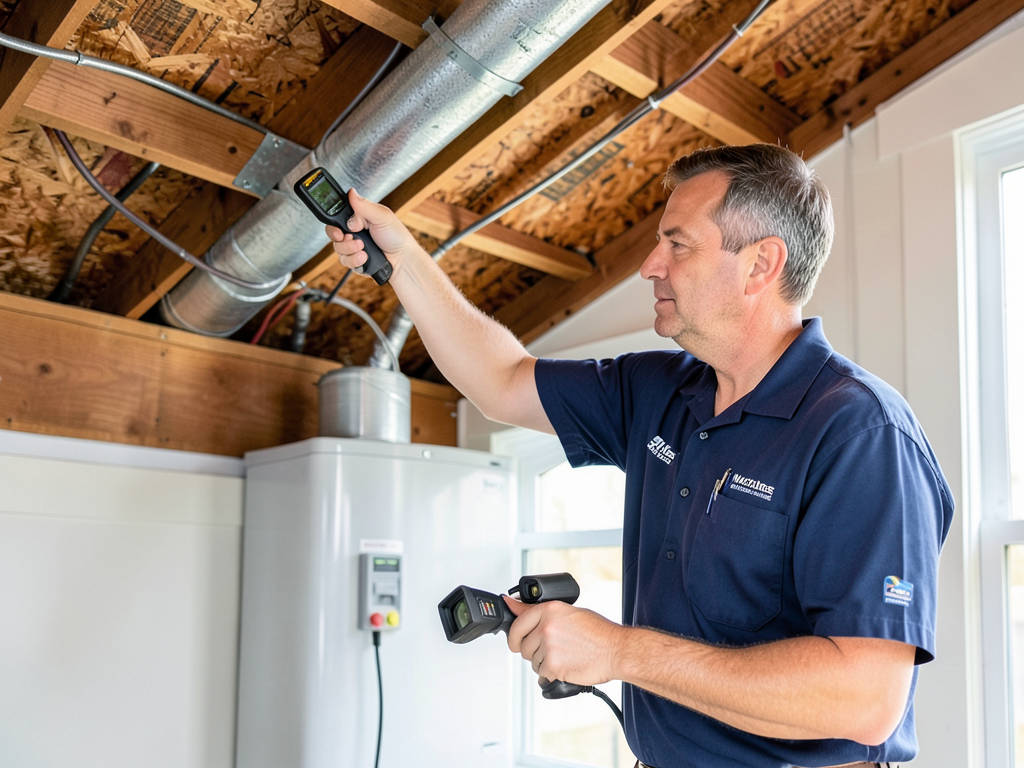
Why Whole House Fans Often Fail to Solve Humidity Issues in Westchase Homes Whole house fans promise cool, fresh air by pulling outside air through your home and exhausting it through the attic. But in…

Hunting Down Every Air Filter Return in Your Older Tampa Heights Bungalow \n\n Living in…

The Hidden Danger of Forgetting to Register Your New Fish Hawk HVAC Warranty Your new…
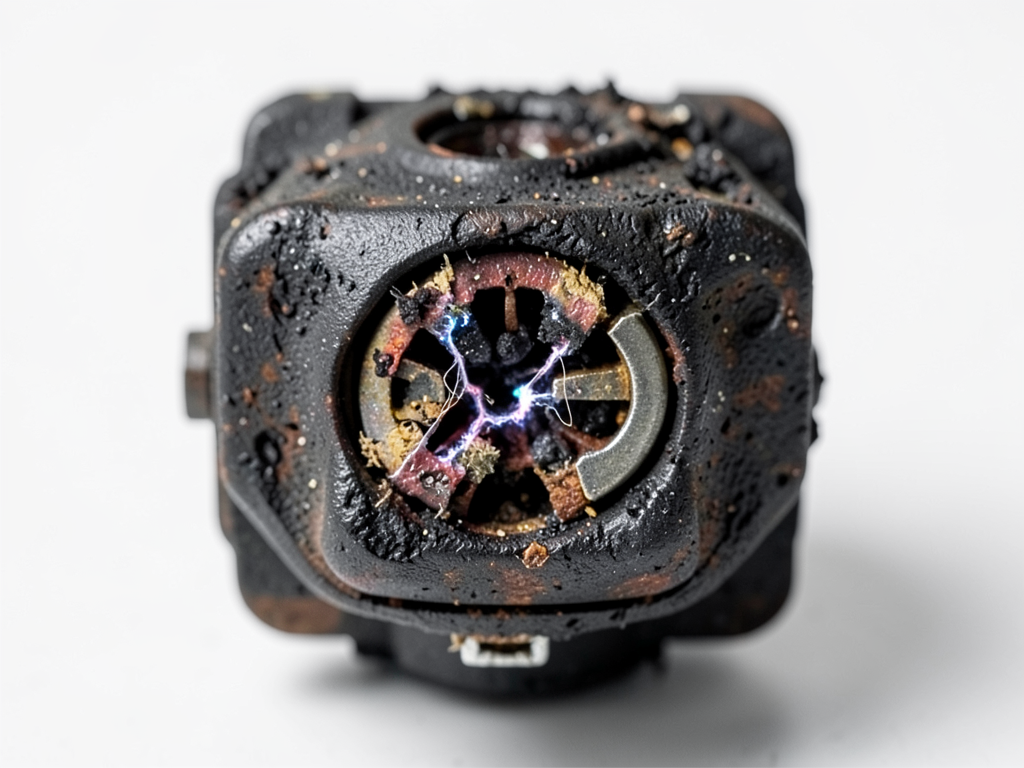
How Florida Lizards and Ants Can Actually Short Out Your Lutz AC Unit Your AC…
Your comfort matters, especially during extreme heat or unexpected cold snaps. Peak HVAC Tampa responds quickly with expert technicians ready to diagnose and repair your system. Call (656) 237-5377 now for same-day service or schedule an appointment at your convenience. We answer phones 24/7 because HVAC emergencies don't wait for business hours.