Menu

Storm Damage HVAC Repair in Tampa – 24/7 Emergency Response Within 60 Minutes

When hurricanes, tropical storms, or severe thunderstorms damage your heating and cooling system, Peak HVAC Tampa dispatches certified technicians immediately to restore comfort and prevent secondary water damage, mold growth, and total system failure.

Slider Image 1
Slider Image 2
Slider Image 3
Slider Image 4
Slider Image 5
Slider Image 7
Slider Image 8
Slider Image 9
Slider Image 10
Slider Image 11

Tampa Storms Turn Working AC Units Into Broken Liabilities Fast

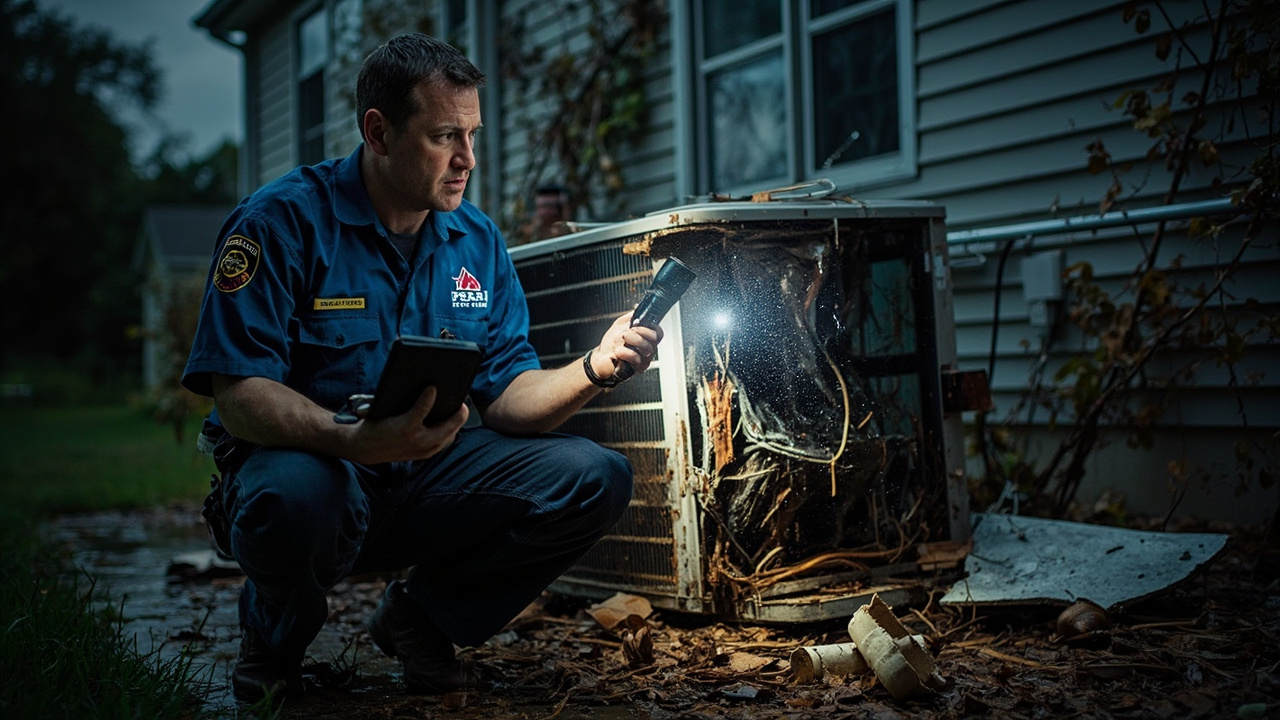
You walked outside after the storm passed and saw your condenser unit tilted on its pad, the aluminum fins crushed, or the refrigerant lines torn open. Maybe you heard the system try to start, then heard a grinding noise before it shut down completely. You are not imagining the urgency. A storm damaged AC unit that sits broken in Tampa's humidity becomes a breeding ground for mold inside your ductwork within 48 hours.

Tampa sits in the direct path of Gulf Coast hurricane systems and afternoon thunderstorms that produce 70 mph straight-line winds. These storms rip condenser fan blades apart, flood outdoor disconnect boxes with rainwater, and send debris through coil fins like buckshot. The real danger is not just the initial damage. When refrigerant lines crack or compressor mounts shear off, the entire system can fail catastrophically if someone tries to restart it without a proper emergency HVAC storm repair inspection.

Your homeowner's policy has a claims window. Waiting three days to call for heating and cooling storm damage repair can void your coverage if secondary damage spreads. You need a technician who documents the damage correctly for your adjuster, shuts down electrical hazards, and prevents compressor burnout before it happens. Storm damaged HVAC systems in Tampa require immediate attention because the heat and humidity do not wait for your schedule.

Tampa Storms Turn Working AC Units Into Broken Liabilities Fast
How We Restore Storm Damaged HVAC Systems Without Making It Worse

How We Restore Storm Damaged HVAC Systems Without Making It Worse

Most HVAC companies tell you to wait until Monday or try to sell you a full replacement before they even diagnose the actual damage. Peak HVAC Tampa sends a technician to your property within 60 minutes of your call, even at 2 a.m. during the storm's immediate aftermath. We do not guess. We use refrigerant leak detectors, megohm meters to test compressor windings, and amp clamps to measure electrical draw before we restore power to any component.

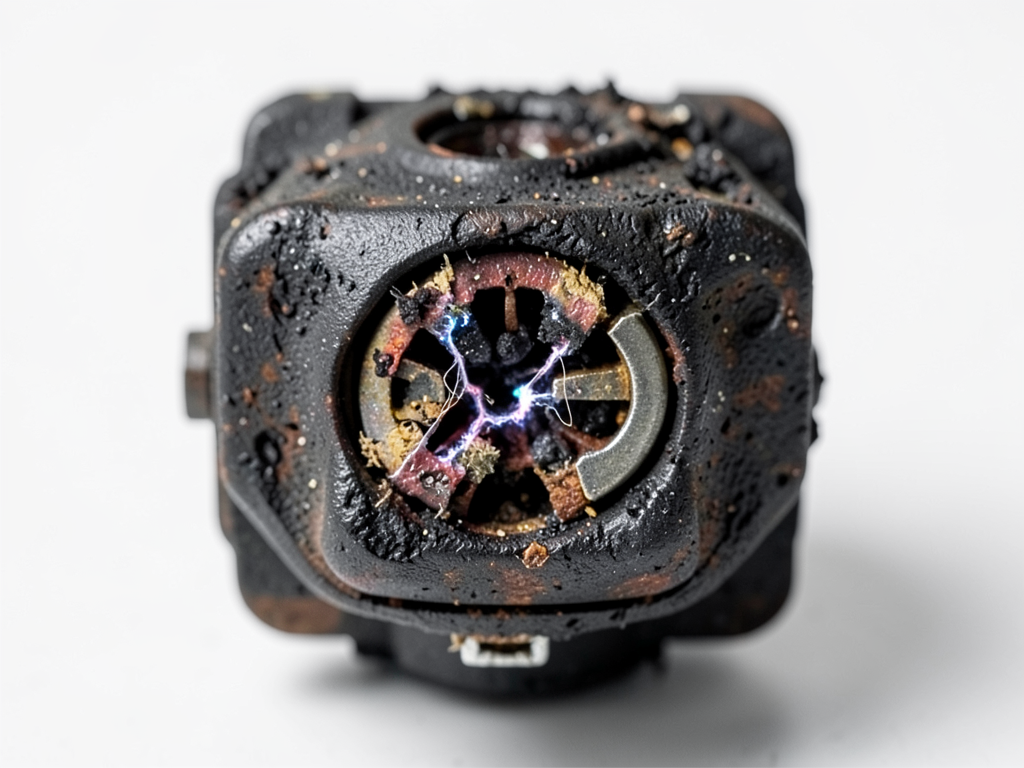
Our HVAC storm restoration services start with a safety lockout. We disconnect power at the breaker and the outdoor disconnect, then inspect for water intrusion in the electrical cabinet, damaged capacitor terminals, and bent fan blades that will destroy the motor if someone tries to run the unit. If the condenser took a direct hit from a tree limb or fence panel, we check the compressor mounts, refrigerant line brazed joints, and the reversing valve on heat pumps. A single cracked braze joint will vent your entire refrigerant charge in under 10 minutes once the system restarts.

We photograph every damaged component for your insurance claim before we touch anything. Then we provide a written scope that separates emergency repairs from full restoration work. If your compressor survived but your condenser coil is destroyed, we can install a temporary cooling solution while we order the correct replacement coil. You do not sit in 90-degree heat for two weeks waiting for parts. We prioritize getting your family comfortable, then we handle the permanent fix storm damaged HVAC system process correctly.

What Happens When You Call for Emergency Storm Damage Repair

Storm Damage HVAC Repair in Tampa – 24/7 Emergency Response Within 60 Minutes
01

Immediate Safety Assessment

Our technician arrives within 60 minutes and immediately locks out all power to your HVAC system. We inspect for live wires, gas line damage on furnace systems, and water intrusion in electrical panels. You get a verbal safety briefing within 10 minutes of our arrival so you know exactly what hazards exist and what we are doing to eliminate them before any repair work begins.
02

Damage Documentation and Diagnosis

We photograph all visible damage and use diagnostic tools to check compressor integrity, refrigerant line pressure, and electrical component function. You receive a written report that separates cosmetic damage from functional failures. This documentation goes directly to your insurance adjuster with our professional assessment of what failed due to the storm versus pre-existing wear.
03

Emergency Restoration and Temporary Cooling

If your system can be safely repaired on-site, we complete the work immediately using our truck stock inventory. If major components need replacement, we install temporary cooling equipment so your family does not suffer while we order parts. You get a firm timeline for permanent repairs and a detailed estimate that matches your insurance scope of work.

Why Tampa Homeowners Call Peak HVAC Tampa After Storm Damage

You need a contractor who understands how Tampa's building codes apply to storm damaged HVAC repair. When a condenser unit gets knocked off its pad, the concrete pad itself often cracks or shifts in Florida's sandy soil. We do not just set the unit back on a broken pad. We assess whether the pad needs replacement to meet current wind load requirements under the Florida Building Code, which updated hurricane tie-down standards after Hurricane Ian.

Peak HVAC Tampa has repaired hundreds of storm damaged systems in neighborhoods from Hyde Park to New Tampa. We know which insurance adjusters require refrigerant recovery documentation before they approve compressor replacement. We know that Hillsborough County inspectors flag any outdoor disconnect box that shows water intrusion and require a full electrical panel inspection before they sign off on the repair permit. These details delay your claim and your comfort if your contractor does not know the local process.

When your neighbor's oak tree destroys your condenser coil, you do not have time to interview three contractors. You need someone who answers the phone at midnight, arrives before sunrise, and knows the difference between a repairable refrigerant leak and a total system loss. We carry emergency stock of condenser fan motors, capacitors, contactors, and reversing valves for the most common residential systems in Tampa. If your unit is repairable, we fix it the same day. If it is not, we tell you immediately and explain exactly why replacement is the only safe option.

What You Get When Peak HVAC Tampa Handles Your Storm Damage Claim

Response Time You Can Trust

We answer emergency calls 24 hours a day, seven days a week, including during active storm warnings when most companies shut down dispatch. You get a technician on-site within 60 minutes for properties inside Hillsborough County. Our trucks carry diagnostic equipment, safety lockout tools, and a full inventory of emergency repair components so we complete most repairs in a single visit. You do not wait three days for a "free estimate" while your family sweats in a house with no air conditioning.

Insurance-Ready Documentation

Our technicians photograph all storm damage from multiple angles and provide written reports that insurance adjusters accept without argument. We document pre-storm service history if you are an existing customer, which proves your system was functioning correctly before the weather event. You receive a detailed scope of work that separates emergency repairs from permanent restoration, so your adjuster knows exactly what needs approval immediately versus what can wait for parts. We have worked with every major carrier operating in Tampa.

Repairs That Pass Inspection

Every storm damage repair we complete meets Florida Building Code requirements and passes Hillsborough County inspection on the first attempt. We pull permits when required, install hurricane-rated condenser tie-downs when the pad is replaced, and verify all refrigerant recovery and recharge procedures meet EPA Section 608 standards. Your system works correctly and your insurance claim closes without compliance issues that delay payment or create liability problems.

Follow-Up Performance Verification

After we restore your heating and cooling system, we schedule a follow-up visit within 10 days to verify refrigerant charge, check electrical draw on all motors, and confirm your thermostat is maintaining temperature correctly. Storm damage often causes secondary failures that do not appear immediately. A compressor that survived the initial impact can fail two weeks later due to internal damage. We catch these issues before they become your problem and document everything for your insurance file.

Frequently Asked Questions

You Have Questions,
We Have Answers

What is the $5000 rule for HVAC? +

The $5000 rule is a quick calculation homeowners use to decide between repair or replacement. If your HVAC system is past its midpoint life and the repair cost multiplied by the system age in years exceeds $5000, replacement makes more financial sense. For example, if your 12-year-old AC needs a $500 compressor repair, that equals $6000, so replacement is smarter. After Tampa storms damage outdoor units with corrosion or debris strikes, this formula helps you avoid throwing money at a dying system. Get a professional assessment to compare costs before deciding.

Does insurance cover HVAC damage? +

Most homeowners insurance policies cover sudden HVAC damage from covered perils like hurricane winds, lightning strikes, or falling trees during Tampa storms. However, policies exclude damage from neglect, wear and tear, or flooding without separate flood insurance. Insurance typically covers external unit damage from wind-blown debris but may deny claims if you skipped routine maintenance. Document storm damage immediately with photos, get a professional inspection report, and file your claim within your policy timeframe. Review your policy exclusions carefully, as Tampa coastal properties face specific coverage limitations.

How long after storm damage can I claim? +

File your storm damage claim immediately. Most Florida homeowners insurance policies require notification within days of discovering damage, with full claim filing typically required within one year. Waiting risks claim denial and lets hidden damage worsen. After Tampa hurricanes or severe thunderstorms damage your HVAC system, document everything with photos and timestamps. Contact your insurer and schedule a professional inspection within 48 to 72 hours. Delayed claims raise red flags with adjusters who question if storm damage is actually old wear. Act fast to protect your coverage rights.

What is the 3 minute rule for AC? +

The 3 minute rule prevents compressor damage by requiring a minimum wait between system cycles. When your AC shuts off, refrigerant pressure must equalize before restarting. Turning the system back on too quickly forces the compressor to start under high pressure, causing mechanical stress and premature failure. After Tampa power outages from storms, wait at least 3 minutes before restarting your HVAC. Modern systems have built-in delay timers, but manual thermostats require discipline. If your unit short cycles frequently after storm damage, call for immediate repair to prevent total compressor failure.

What is the average lifespan of an HVAC? +

The average HVAC system lasts 15 to 20 years with proper maintenance. Tampa systems face shorter lifespans due to constant high humidity, salt air corrosion near the coast, and heavy summer use. AC units work harder year-round in Florida compared to northern climates. Outdoor condenser units exposed to tropical storms, flying debris, and daily afternoon thunderstorms deteriorate faster. If your system is over 12 years old and suffers significant storm damage, replacement often beats costly repairs. Regular maintenance extends lifespan, but Tampa climate stresses components aggressively.

Is HVAC system cost tax deductible? +

HVAC system costs are typically not tax deductible for personal residences. However, energy-efficient upgrades may qualify for federal tax credits under the Inflation Reduction Act, covering up to 30 percent of costs for qualifying high-efficiency systems. If you use part of your Tampa home for business, you may deduct a proportional amount. Storm damage repairs covered by insurance reimbursement are not deductible. Medical necessity exceptions exist if your doctor prescribes specific air quality equipment. Consult a tax professional about current credits before replacing storm-damaged equipment to maximize potential savings.

What two events are not covered under homeowners insurance? +

Homeowners insurance typically excludes flooding and earth movement. Standard policies do not cover damage from rising water, storm surge, or ground saturation, which are common during Tampa hurricanes. You need separate flood insurance through NFIP or private carriers. Earth movement includes sinkholes, a significant Tampa risk due to limestone geology, landslides, and soil settling. These exclusions matter when storms cause multiple damage types simultaneously. Your wind-damaged HVAC may be covered while water intrusion from storm surge is not. Review your policy exclusions and consider supplemental coverage for Tampa-specific risks.

How much does it cost to fix a leak in your AC system? +

AC refrigerant leak repairs range from $200 for simple line repairs to $1500 or more for coil replacement. Costs depend on leak location, refrigerant type, and labor complexity. After Tampa storms, outdoor coil damage from debris or corrosion requires expensive fixes. Technicians must locate leaks, repair damaged components, vacuum the system, and recharge refrigerant. Older R-22 systems cost more due to refrigerant scarcity. If storm damage caused multiple leaks or coil punctures, replacement may be more cost-effective than extensive repairs. Get detailed estimates comparing repair versus replacement options.

What is the most common damage to your home that insurance does not cover? +

Flood damage is the most common exclusion. Standard homeowners policies do not cover rising water, storm surge, or ground saturation damage. This matters critically in Tampa, where hurricanes bring storm surge and heavy rainfall that saturates low-lying areas. Many homeowners discover this gap after flooding ruins HVAC systems, ductwork, and air handlers in ground-level installations. Separate flood insurance is essential in Tampa flood zones. Even minor storm surge can total ground-mounted equipment. Elevating outdoor units and adding flood coverage protects you when the next tropical system hits.

When not to file a homeowners insurance claim? +

Avoid filing claims for minor damage below your deductible or slightly above it. Small claims increase your premiums and claims history without significant financial benefit. If storm damage repair costs $800 and your deductible is $1000, pay out of pocket. Multiple claims can trigger policy non-renewal in Tampa high-risk areas. Reserve insurance for catastrophic losses like total HVAC system replacement after hurricane damage. Document all damage regardless, but consult your agent before filing. Strategic claim decisions protect your insurability and premiums while keeping coverage available for true emergencies.

Why Tampa's Hurricane Season Makes Emergency HVAC Storm Repair a Life Safety Issue

Tampa sits at the center of Florida's Gulf Coast hurricane corridor, where tropical systems intensify rapidly over warm water before making landfall. Hurricane season runs from June through November, overlapping with the hottest months when daytime temperatures exceed 90 degrees and humidity stays above 70 percent. A storm damaged AC unit during August in Tampa is not just uncomfortable. It becomes a medical emergency for elderly residents, young children, and anyone with respiratory conditions. Heat exhaustion occurs within hours in a closed home without air circulation. Emergency HVAC storm repair in Tampa is not optional. It is life safety equipment restoration.

Peak HVAC Tampa operates year-round in this environment. We understand that storm damaged HVAC systems in neighborhoods like Seminole Heights, Westchase, and South Tampa require different approaches based on housing age, electrical service capacity, and proximity to flood zones. A 1950s bungalow in Old Seminole Heights has different hurricane tie-down requirements than a 2015 home in New Tampa. We know which local suppliers stock emergency replacement parts and which insurance adjusters require additional documentation for refrigerant system repairs. This local expertise means your claim moves faster and your system gets restored correctly the first time.


HVAC Services in The Tampa Area

Discover Peak HVAC's primary service area and easily locate our business office on the map below. We are dedicated to serving our community with top-tier heating, ventilation, and air conditioning solutions, ensuring comfort and peace of mind. Feel free to visit our location for a personal consultation or simply use the map to understand our reach and how conveniently we can serve your home or business needs.

Address:
Peak HVAC Tampa, 100 Ashley Dr S #600, Tampa, FL, 33602

Additional Services We Offer

Our news updates

Latest Articles & News from The Blogs

Ending the Thermostat War in Your Multi-Level Mirabay Home with Smart Zoning Living in a multi-level home in Mirabay means…

Ending the Thermostat War in Your Multi-Level Mirabay Home with Smart Zoning

Ending the Thermostat War in Your Multi-Level Mirabay Home with Smart Zoning Living in a multi-level home in Mirabay means…

Why Your High-End Cheval Home Might Have Poor Airflow Due to High Static Pressure

Why Your High-End Cheval Home Might Have Poor Airflow Due to High Static Pressure Your Cheval home’s air conditioning runs…

Does Your New Pool Cage in Carrollwood Village Change How Your AC Works

Does Your New Pool Cage in Carrollwood Village Change How Your AC Works Your new pool cage in Carrollwood Village…

Contact Us

Call Peak HVAC Tampa now at (656) 237-5377. We answer 24/7, dispatch immediately, and arrive within 60 minutes. Your family deserves immediate relief from the heat and your home deserves protection from secondary damage.