Menu

Iced Up Evaporator Coil in Tampa – Fast Diagnosis and Proper Repair Before Compressor Damage

When ice builds on your evaporator coil, you need technicians who understand the root cause, not just a defrost cycle. Peak HVAC Tampa diagnoses airflow restrictions, refrigerant leaks, and drainage issues specific to Tampa's high humidity climate.

Slider Image 1
Slider Image 2
Slider Image 3
Slider Image 4
Slider Image 5
Slider Image 7
Slider Image 8
Slider Image 9
Slider Image 10
Slider Image 11

Why Your AC Evaporator Coil Freezes in Tampa's Climate

You walk to your thermostat and the house feels warm. You check the air handler and see ice coating the evaporator coil. Your first thought is refrigerant, but an iced over evaporator coil rarely means what you think it means.

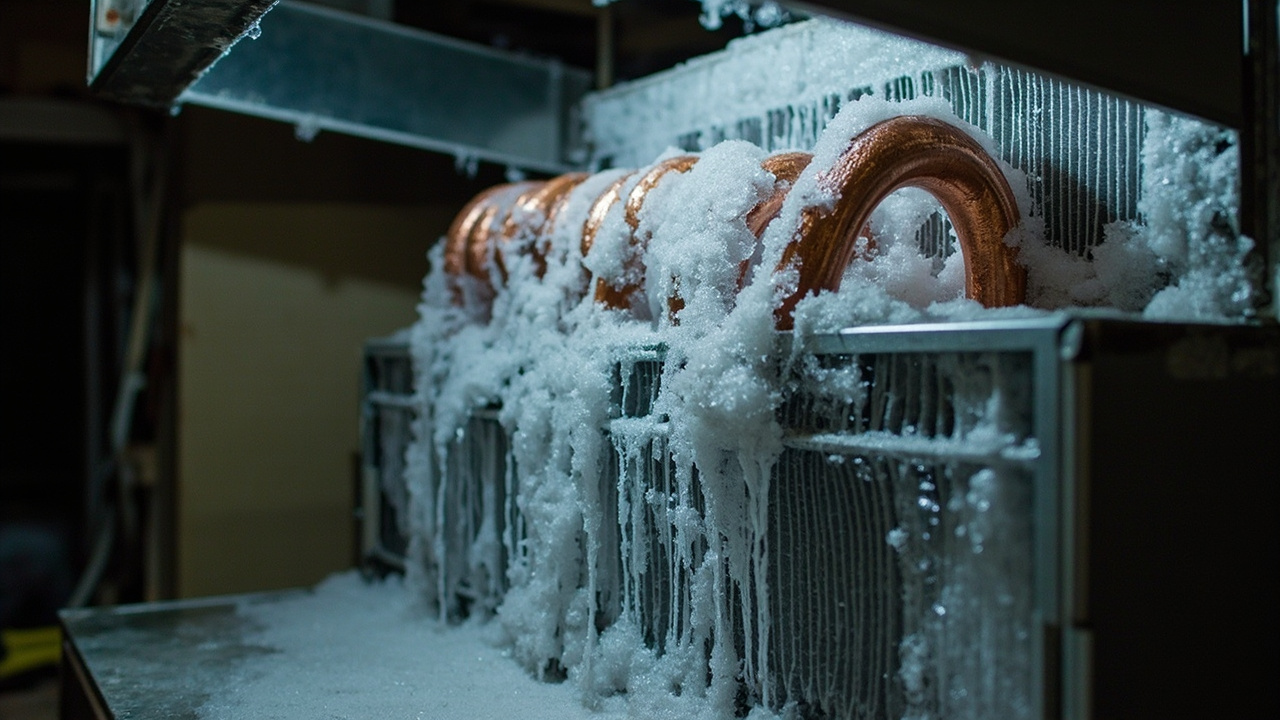
Tampa's combination of high humidity and aggressive cooling demand creates the perfect environment for frozen cooling coils. When your system runs 8 to 10 months per year, even minor airflow restrictions become major problems. A dirty filter, collapsed duct section, or failing blower motor forces the coil temperature below freezing. Refrigerant continues to absorb heat, but without adequate airflow, condensation freezes on contact.

Air conditioner coil freezing up also signals refrigerant undercharge. A slow leak drops system pressure. The expansion valve allows refrigerant to expand too much, dropping coil temperature dramatically. Ice forms, insulates the coil, and blocks heat exchange completely. Your compressor continues to run, but no cooling happens. You hear the system, you pay for the electricity, but your home stays hot.

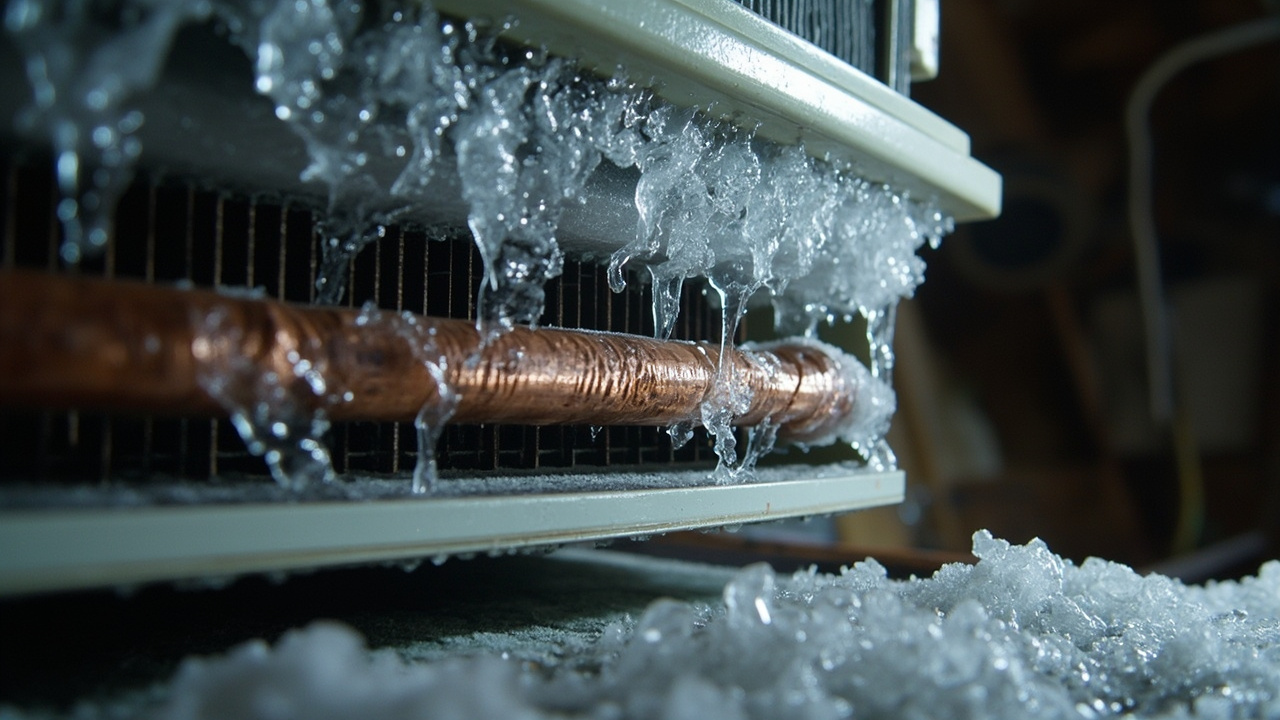
Drainage problems cause frozen ac evaporator coil issues too. When the condensate drain clogs with algae or gets disconnected during a filter change, water backs up into the drain pan. That standing water freezes, spreads to the coil fins, and creates a cascade. Each cooling cycle adds more ice.

The danger is not just discomfort. Ice formation stresses the compressor. Liquid refrigerant floods back through the suction line. Compressor bearings fail. Windings overheat. A simple airflow problem becomes a complete system replacement if you ignore the symptoms or attempt a DIY fix without understanding the root cause.

Why Your AC Evaporator Coil Freezes in Tampa's Climate
How We Diagnose and Repair Ice on Evaporator Coil

How We Diagnose and Repair Ice on Evaporator Coil

We do not defrost your coil, reset your thermostat, and call it fixed. That approach guarantees you will see ice again within days. Peak HVAC Tampa follows a diagnostic protocol that identifies the actual failure point.

We start with static pressure testing across the evaporator coil. A manometer measures pressure drop. High static pressure means restricted airflow. We inspect the filter, the return plenum, and every supply duct for collapse or blockage. We pull the blower assembly and check the wheel for debris buildup. A quarter inch of dust on blower fins cuts airflow by 30 percent. You would never notice until the coil freezes.

Next, we check refrigerant charge using superheat and subcooling calculations. We do not guess based on gauge pressure alone. Ambient temperature, indoor wet bulb temperature, and metering device type all affect correct charge. We compare measured superheat to manufacturer specification. Low superheat with ice formation confirms undercharge. We locate the leak using nitrogen pressure testing and electronic leak detection before adding refrigerant.

We inspect the condensate drain system completely. The trap, the drain line, the termination point. Algae grows in Tampa's heat. We clear blockages with a wet vac and CO2 flush, then treat the pan with biocide tablets to prevent recurrence.

Finally, we measure amperage draw on the blower motor and compressor. Elevated amps signal mechanical wear. A failing blower capacitor drops motor speed without triggering a fault code. Reduced airflow freezes the coil even with clean filters and correct refrigerant charge.

We document findings, explain the repair in plain terms, and give you options. You decide what gets fixed and when.

What Happens During Your Evaporator Coil Service Call

Iced Up Evaporator Coil in Tampa – Fast Diagnosis and Proper Repair Before Compressor Damage
01

System Shutdown and Thaw

We shut down your system immediately to prevent compressor damage. We switch the thermostat to fan-only mode to accelerate thawing. This typically takes 45 to 90 minutes depending on ice thickness. We do not apply external heat. Forced thawing can warp coil fins and crack the drain pan. While the coil thaws, we inspect your air handler cabinet, check electrical connections, and begin preliminary diagnostics on accessible components.
02

Root Cause Analysis

Once the coil is clear, we run our diagnostic protocol. We measure airflow with a digital anemometer at each supply register. We test static pressure across the evaporator and filter. We check refrigerant pressures and calculate superheat. We inspect the drain line and test for blockages. We pull the blower assembly if needed to examine the wheel and motor. This step identifies whether your problem is mechanical, refrigerant-related, or drainage-related.
03

Repair and Verification

We complete the necessary repair based on diagnostic findings. If the issue is airflow, we clean or replace components and verify static pressure returns to normal range. If refrigerant is low, we repair the leak and recharge to specification. We clear drain blockages and treat the system. After repairs, we run the system through a complete cooling cycle and monitor coil temperature, airflow, and superheat to confirm normal operation before we leave your property.

Why Tampa Homeowners Choose Peak HVAC for Coil Freezing Issues

Most service calls for frozen coils result in temporary fixes. The technician defrosts the coil, replaces the filter, and moves on. You pay the service fee. The ice comes back. You call again. You pay again. This cycle repeats until you find someone who actually diagnoses the problem.

Peak HVAC Tampa built its reputation on solving problems correctly the first time. We do not rush diagnostics to hit a call quota. We carry diagnostic tools that most companies leave in the warehouse. A manometer, refrigerant scale, and digital psychrometer are not optional equipment for us. They are required for every service call.

We understand Tampa's specific HVAC challenges. Systems here run longer and harder than anywhere else in the country. Humidity accelerates wear on blower motors and drain components. Salt air from the bay corrodes outdoor coil fins and electrical connections. Afternoon thunderstorms cause voltage sags that damage capacitors. We account for these factors during every diagnosis.

Our technicians receive ongoing training on residential and light commercial systems. We work on split systems, package units, and mini splits daily. We see coil freezing caused by dozens of different failures. That experience means faster diagnosis and fewer return trips for you.

We also understand the financial stress of unexpected AC repairs. We give you a clear explanation of what failed, why it failed, and what it costs to fix. We present options when they exist. If your blower motor is failing but still functional, we tell you. You decide whether to replace it now or monitor it. We do not upsell. We educate.

Tampa's AC contractors are not all equal. Some are volume-based call centers that prioritize speed over accuracy. Others are one-person operations without the diagnostic tools or training to solve complex problems. Peak HVAC Tampa operates in the space between those extremes. We are large enough to respond quickly and stock parts, but small enough to care about our reputation in the neighborhoods we serve.

What to Expect When You Call Peak HVAC Tampa

Same-Day Service Availability

We schedule most frozen coil calls the same day you contact us. Ice on your evaporator coil means no cooling and potential compressor damage. We treat it as urgent. Our dispatch system prioritizes frozen coil calls because the longer ice remains, the greater the risk of secondary damage. We give you a two-hour arrival window and call 30 minutes before arrival. If you need emergency after-hours service, we provide that too without excessive upcharges. Our goal is to restore cooling quickly while protecting your equipment from permanent damage.

Comprehensive Diagnostic Process

Our diagnostic process takes 60 to 90 minutes depending on system complexity. We do not guess. We test airflow, measure static pressure, calculate superheat and subcooling, inspect the drain system, and check electrical components. We document all measurements and compare them to manufacturer specifications. You receive a written summary of findings before any repair work begins. We explain what failed, what caused the failure, and what happens if you delay the repair. This transparency allows you to make informed decisions about your system without pressure or confusion.

Professional Repairs with Quality Parts

We stock common repair parts on every truck. Blower motors, capacitors, contactors, thermostatic expansion valves, and drain line components are available immediately. For refrigerant leaks, we use nitrogen pressure testing and electronic leak detection to locate the exact failure point before opening the system. We repair leaks properly using brazing or flare fittings, not sealant products. After refrigerant repairs, we evacuate the system with a vacuum pump and recharge by weight, not pressure alone. You get a repair that lasts, not a temporary patch that fails next season.

Post-Repair Monitoring and Maintenance Plans

After we complete repairs, we run your system through a full cooling cycle and monitor performance. We measure supply air temperature, check coil temperature, and verify proper drainage. We leave detailed service notes for future reference. We also offer preventive maintenance agreements that include seasonal inspections, filter delivery, and priority scheduling. Regular maintenance catches problems before they cause coil freezing or compressor failure. Our maintenance customers experience fewer emergency breakdowns and longer equipment life. We remind you when service is due so you never have to remember.

Frequently Asked Questions

You Have Questions,
We Have Answers

What causes ice on an evaporator coil? +

Ice forms on your evaporator coil when airflow drops or refrigerant pressure changes. Restricted airflow from a clogged filter, blocked return vents, or a failing blower motor prevents warm air from reaching the coil. The coil temperature drops below freezing, and condensation turns to ice. Low refrigerant from a leak causes the remaining refrigerant to expand too much, dropping coil temperature. Dirty coils also insulate the surface, preventing heat exchange. In Tampa's humid climate, even minor airflow issues accelerate ice buildup because moisture-laden air constantly hits the cold surface.

What is the best way to thaw out an iced up evaporator coil? +

Turn off your AC at the thermostat immediately. Switch the fan to ON mode to blow room-temperature air across the coil, speeding thaw time. This typically takes two to eight hours depending on ice thickness. Check your air filter and replace it if dirty. Never chip or scrape ice, you will damage the thin aluminum fins. Place towels under the air handler to catch meltwater. Tampa's heat helps, but forced air circulation works faster. Once thawed, identify the root cause before restarting. Running the system again without fixing the problem just re-freezes the coil.

Will low refrigerant cause an evaporator to ice up? +

Yes. Low refrigerant is a leading cause of evaporator coil icing in Tampa homes. When refrigerant levels drop due to a leak, the remaining refrigerant expands more than designed. This causes excessive temperature drop at the evaporator coil, often below 32 degrees. Moisture in the air freezes instantly on contact. You might notice reduced cooling, hissing sounds, or ice visible on refrigerant lines outside. Low refrigerant never fixes itself. The system needs a licensed technician to locate the leak, repair it, and recharge the system to manufacturer specifications. Simply adding refrigerant without fixing the leak wastes money.

How to melt ice on an evaporator coil? +

Turn your system off at the thermostat and set the fan to ON. This circulates indoor air across the frozen coil to melt ice safely. Do not use external heat sources like hair dryers or space heaters. You risk damaging refrigerant lines or electrical components. The process takes three to eight hours. Clear the area around your air handler and place towels to absorb meltwater. Replace your air filter while waiting. Once ice melts completely, inspect the drain pan for clogs. If the coil re-freezes after restart, you have an underlying issue requiring professional diagnosis.

What is the likely cause for heavy icing in the evaporator coil? +

Heavy icing signals a serious airflow restriction or refrigerant issue. The most common cause in Tampa is a severely clogged air filter combined with dirty evaporator coils. Dust buildup on coils acts as insulation, preventing heat exchange. A failing blower motor that runs too slowly also starves the coil of warm air. Refrigerant leaks cause aggressive icing because pressure drops dramatically. Closed or blocked supply vents in multiple rooms compound the problem. Ductwork leaks in your attic can pull in unconditioned air, reducing system airflow. Heavy ice does not happen overnight. It reflects weeks of ignored maintenance or hidden mechanical failure.

Can I turn my AC back on after it thaws? +

Not immediately. After the coil thaws, you must identify and fix the root cause first. Check your air filter and replace it if dirty or clogged. Inspect return vents for furniture or curtains blocking airflow. Turn the system back on and monitor for 30 minutes. If ice begins forming again, shut it down. You have a mechanical problem requiring professional repair. Common culprits include low refrigerant, a failing blower motor, or collapsed ductwork. Running a frozen AC damages the compressor and risks flooding your home with meltwater. Tampa's humidity accelerates re-freezing if airflow issues persist.

What are the six common causes of evaporator freezing? +

First, dirty or clogged air filters restrict airflow. Second, blocked return or supply vents choke the system. Third, low refrigerant from leaks drops coil temperature below freezing. Fourth, a failing blower motor reduces air circulation across the coil. Fifth, dirty evaporator coils insulate the surface and prevent heat exchange. Sixth, thermostat malfunctions cause the compressor to run nonstop without cycling. In Tampa, a seventh cause emerges: oversized AC units that short-cycle before dehumidifying properly. The coil never warms between cycles, allowing ice to accumulate. Each cause requires different fixes, so accurate diagnosis matters.

What is the 3 minute rule for AC? +

The three-minute rule prevents compressor damage after shutdown. When you turn off your AC, refrigerant pressure between the high and low sides must equalize before restarting. This takes about three minutes. Restarting too soon forces the compressor to start against high pressure, straining internal components and shortening lifespan. Modern thermostats have built-in delay timers, but older systems do not. After thawing a frozen coil or a power outage in Tampa, wait at least three minutes before turning the system back on. This simple habit prevents expensive compressor repairs and extends equipment life.

Can you clean an evaporator coil without removing it? +

Yes, but with limitations. You can spray coil cleaner through the access panel on your air handler. Use a no-rinse foaming cleaner designed for evaporator coils. Spray evenly across visible fins and let the foam dissolve dirt. The condensation during normal operation rinses debris into the drain pan. This method works for light dust buildup. Heavy contamination, mold growth, or biological fouling requires coil removal for pressure washing. In Tampa's humid environment, coils collect organic matter quickly. Annual professional cleaning prevents restricted airflow and maintains efficiency. Never use household cleaners or high-pressure water without removing the coil first.

What is the $5000 AC rule? +

The $5,000 rule is industry guidance for major AC repairs. If a repair costs more than $5,000 and your system is over 10 years old, replacement often makes better financial sense. Divide the repair cost by the system age. If the result exceeds $500, consider replacement instead. A failing compressor in a 12-year-old system might cost $3,000 to fix. That is $250 per year of age, below the threshold. But the same repair on a 5-year-old system is $600 per year, suggesting replacement. Factor in Tampa's brutal cooling demands and rising efficiency standards when deciding.

How Tampa's Year-Round Humidity Accelerates Evaporator Coil Problems

Tampa's average relative humidity stays above 70 percent for most of the year. Your evaporator coil handles moisture removal as much as temperature control. Every cooling cycle condenses gallons of water from indoor air. This constant condensation creates ideal conditions for algae growth in drain pans and lines. When drains clog, water backs up and freezes on the coil. High humidity also means your system runs longer cycles. Extended run times expose any airflow restriction. A filter that would last two months in Arizona fails in three weeks here. Humidity accelerates the conditions that cause frozen ac evaporator coil failures across Tampa's residential neighborhoods.

Peak HVAC Tampa has serviced systems in Seminole Heights, South Tampa, Westchase, and New Tampa for years. We understand the specific challenges of older homes with undersized return ducts and newer construction with flex duct runs that sag over time. We know which neighborhoods have hard water that clogs drain lines faster. We recognize the signs of salt air corrosion on coastal properties near the bay. This local knowledge allows us to diagnose coil freezing issues faster and recommend solutions that address Tampa's unique environmental factors. You get service from technicians who live and work in the same conditions your system faces every day.


HVAC Services in The Tampa Area

Discover Peak HVAC's primary service area and easily locate our business office on the map below. We are dedicated to serving our community with top-tier heating, ventilation, and air conditioning solutions, ensuring comfort and peace of mind. Feel free to visit our location for a personal consultation or simply use the map to understand our reach and how conveniently we can serve your home or business needs.

Address:
Peak HVAC Tampa, 100 Ashley Dr S #600, Tampa, FL, 33602

Additional Services We Offer

Our news updates

Latest Articles & News from The Blogs

Hunting Down Every Air Filter Return in Your Older Tampa Heights Bungalow \n\n Living in a historic Tampa Heights bungalow…

Hunting Down Every Air Filter Return in Your Older Tampa Heights Bungalow

Hunting Down Every Air Filter Return in Your Older Tampa Heights Bungalow \n\n Living in a historic Tampa Heights bungalow…

The Hidden Danger of Forgetting to Register Your New Fish Hawk HVAC Warranty

The Hidden Danger of Forgetting to Register Your New Fish Hawk HVAC Warranty Your new HVAC system represents a significant…

How Florida Lizards and Ants Can Actually Short Out Your Lutz AC Unit

How Florida Lizards and Ants Can Actually Short Out Your Lutz AC Unit Your AC suddenly stops working on a…

Contact Us

Ice on your evaporator coil will not fix itself. Every hour you wait increases the risk of compressor failure and system replacement. Call Peak HVAC Tampa now at (656) 237-5377 for same-day diagnosis and repair. We find the real problem and fix it right.