
Menu

Noisy AC or Heater in Tampa – Expert Diagnosis and Permanent Repair Solutions

When your HVAC system starts making unfamiliar sounds, you need technicians who can identify the exact cause and fix it correctly the first time. Peak HVAC Tampa diagnoses loud air conditioners, furnace noise, and noisy heater issues using precision testing equipment to eliminate the problem at its source.

Slider Image 1
Slider Image 2
Slider Image 3
Slider Image 4
Slider Image 5
Slider Image 7
Slider Image 8
Slider Image 9
Slider Image 10
Slider Image 11

Why Tampa HVAC Systems Develop Noise Problems

A loud air conditioner or furnace making noise is rarely normal. Tampa's demanding climate puts unique stress on HVAC equipment that runs nearly year-round. The constant cycling between cooling modes and occasional heating creates wear patterns you do not see in milder climates.

Humidity accelerates the corrosion of blower motor bearings, compressor mounts, and fan blade assemblies. When moisture penetrates electrical components or accumulates in drain pans, you hear rattling, buzzing, or grinding sounds that signal imminent failure. The salt air near Tampa Bay compounds this issue, eating away at outdoor condenser units faster than inland systems.

A noisy hvac system often starts small. You might hear a faint squeal when the unit kicks on. Within weeks, that squeal becomes a loud heater or air conditioner making noise that disrupts sleep and raises concern about equipment failure. The sound tells you something specific is failing, whether it is a worn belt, loose mounting hardware, refrigerant pressure imbalance, or debris caught in the blower assembly.

Different sounds point to different problems. Screeching indicates belt wear or motor bearing failure. Banging suggests loose components or a failing compressor. Humming without airflow points to capacitor issues or a seized motor. Clicking during startup can mean relay problems or cracked heat exchangers, which create safety risks beyond just noise.

Ignoring these sounds costs you more than sleep. A noisy system runs inefficiently, cycling harder to reach temperature while consuming excess electricity. Component failure spreads when you delay repairs. A worn bearing damages the motor shaft. A loose fan blade cracks the housing. What starts as a minor repair becomes a major replacement.

Why Tampa HVAC Systems Develop Noise Problems
How Peak HVAC Tampa Isolates and Eliminates System Noise

How Peak HVAC Tampa Isolates and Eliminates System Noise

Most technicians guess at noise sources. We use diagnostic tools that eliminate guesswork. Our approach starts with documenting the exact sound characteristics, when they occur, and under what operating conditions. A sound that happens only during compressor startup differs completely from noise during blower operation, and each requires a different diagnostic path.

We use vibration analyzers to measure frequency patterns in rotating components. Bearings produce specific vibration signatures as they wear. Belt misalignment creates harmonic patterns we can measure and trace to the exact pulley causing the problem. This data tells us if you need a simple tension adjustment or a complete motor replacement before we disassemble anything.

Refrigerant pressure testing reveals noise from expansion valve flutter, low charge causing compressor cavitation, or overcharge creating liquid slugging. We check suction and discharge pressures under load, comparing them to manufacturer specifications for your specific equipment model and Tampa's typical ambient conditions. Pressure imbalances create sounds that mimic mechanical failure but require completely different repairs.

Airflow measurement identifies restriction noise. When ducts are undersized, dampers are closed, or filters are clogged, you hear whooshing or whistling as air forces through restricted pathways. We use manometers to measure static pressure across the system, pinpointing exactly where restrictions occur and whether the ductwork design itself causes the problem.

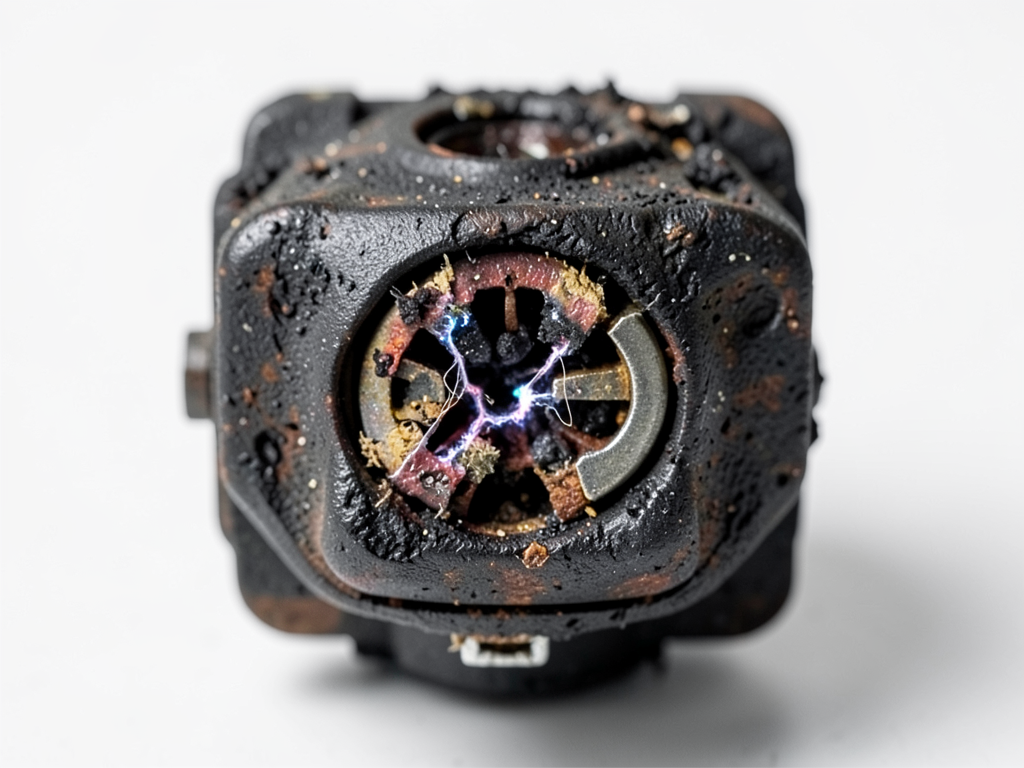
Electrical testing catches failing capacitors, loose connections, and relay chatter before they destroy motors. We measure voltage drop under load, capacitance values, and contact resistance. A humming compressor that will not start often needs a capacitor, not a compressor. Proper testing saves you thousands by identifying the actual failed component rather than replacing parts until the noise stops.

What Happens During Your Noise Diagnosis Appointment

Noisy AC or Heater in Tampa – Expert Diagnosis and Permanent Repair Solutions
01

Sound Documentation and Testing

We record the noise under actual operating conditions and run the system through complete heating and cooling cycles. This reveals intermittent sounds that only appear under specific loads or temperatures. We document decibel levels, frequency ranges, and exactly when during the cycle each sound occurs. This baseline data guides our diagnostic testing and confirms when the repair eliminates the problem completely.
02

Component Isolation and Measurement

Using vibration analysis, pressure gauges, and electrical meters, we test each component that could produce the documented sound. We measure bearing play in motors, check belt tension and alignment, test capacitor values, and verify refrigerant pressures match specifications. We inspect mounting hardware, ductwork connections, and cabinet panels for looseness. This systematic approach identifies the exact failing part rather than guessing based on sound alone.
03

Repair and Verification

After replacing or adjusting the identified component, we run the system through multiple complete cycles while monitoring sound levels and component performance. We verify airflow, check electrical draws, measure temperature splits, and confirm the repair eliminated the noise without creating new issues. You receive documentation of what failed, why it failed, and what measurements confirmed the repair solved the problem permanently.

Why Tampa Homeowners Trust Peak HVAC Tampa for Noise Repairs

HVAC noise diagnosis requires experience with how Tampa's specific conditions affect equipment longevity and failure patterns. We have seen how humidity causes bearing failures that would not occur in dry climates. We know which compressor mounts corrode first in salt air. We understand how undersized ductwork in older Tampa homes creates velocity noise that newer construction avoids.

Most companies replace parts until the noise stops. That approach costs you money on unnecessary components and leaves the root cause unaddressed. When a technician replaces a blower motor without checking duct static pressure, the new motor fails just as fast because the restriction that killed the original motor still exists. We fix what actually broke and eliminate what caused it to break.

Our technicians carry diagnostic equipment most companies skip because proper testing tools cost more than guessing. Vibration analyzers, refrigerant pressure charts, and airflow measurement devices are not standard truck stock. We invested in them because accurate diagnosis matters more than fast parts swapping. You pay for one correct repair instead of multiple attempts that might eventually stumble onto the answer.

We also understand Tampa's building stock. Homes in Hyde Park have different ductwork configurations than new construction in New Tampa. Equipment in Channelside condos faces different maintenance needs than single-family homes in Carrollwood. Beach properties near Davis Islands need more frequent inspection of outdoor components. This local knowledge shapes our diagnostic approach and repair recommendations.

When we tell you a component needs replacement, we explain what measurement or test result led to that conclusion. You see the vibration reading, the pressure value, or the capacitance number that falls outside specifications. You understand why the part failed and what prevents future failure. Transparency builds trust and helps you make informed decisions about repairs versus replacement.

What to Expect When You Call Peak HVAC Tampa

Rapid Response Scheduling

We schedule most noise diagnosis appointments within 24 hours. Loud equipment creates stress and sleep disruption that should not wait days for attention. When you call, we ask specific questions about the sound and when it occurs to prepare the right diagnostic tools and reference materials. Same-day appointments are often available for urgent situations. We confirm arrival windows the morning of your appointment and call when we are on the way.

Comprehensive Diagnostic Evaluation

Your diagnosis appointment lasts between 60 and 90 minutes depending on system complexity and the number of sounds we need to isolate. We test the equipment under actual operating loads, not just quick visual checks. You receive a written diagnostic report explaining what we found, what measurements fell outside specifications, and what repairs will eliminate the noise. We explain multiple repair options when they exist and answer questions about cost factors and timeline.

Quality Repairs with Performance Testing

Repairs happen immediately if we stock the needed parts and you approve the work. Complex repairs requiring specialty components are scheduled within days, not weeks. After completing repairs, we run extended test cycles measuring sound levels, electrical draws, airflow volumes, and temperature outputs to verify the repair solved the diagnosed problem. You hear the system run quietly before we leave. We do not consider the job complete until measurements confirm normal operation.

Ongoing Maintenance Guidance

After noise repairs, we review maintenance practices that extend component life in Tampa's climate. You learn what sounds indicate normal operation versus early warnings of new problems. We explain filter change intervals, condensate drain care, and outdoor unit cleaning that prevents future noise issues. Many noise repairs qualify for inclusion in our maintenance plan, which covers twice-yearly inspections that catch wear before it becomes noise. Preventive care costs less than emergency repairs.

Frequently Asked Questions

You Have Questions,
We Have Answers

Why is my AC so loud all of a sudden? +

Sudden AC noise usually signals a component failure or debris intrusion. Common causes include worn compressor bearings, loose fan blades, failing motor mounts, or debris in the condenser. Tampa's high humidity accelerates wear on rubber isolators and motor bushings. Rattling suggests loose panels or hardware. Screeching points to belt issues or motor bearing failure. Grinding means metal-on-metal contact and requires immediate shutdown to prevent catastrophic damage. Banging at startup indicates a failing compressor. Turn off your system and schedule a diagnostic inspection. Continuing to run a loud AC risks complete system failure and costly emergency repairs during Tampa's brutal cooling season.

What is the 3 minute rule for AC? +

The 3-minute rule is a compressor protection delay built into modern thermostats. After your AC cycles off, it prevents the compressor from restarting for three minutes. This delay allows refrigerant pressures to equalize throughout the system. Restarting too quickly forces the compressor to work against unbalanced pressure, which causes mechanical stress and premature failure. In Tampa's climate, where AC units cycle frequently due to constant demand, this protection is critical. If your system tries to restart immediately and makes loud noises or trips breakers, the delay circuit may have failed. Respect this rule during manual thermostat adjustments to extend compressor life.

How to tell if an AC blower is going out? +

A failing blower motor shows clear warning signs before complete failure. Weak airflow from vents is the first indicator. You may notice some rooms cooling while others stay warm. Listen for squealing, screeching, or grinding sounds from the air handler. The motor may cycle on and off repeatedly or fail to start entirely. Overheating causes the motor to shut down mid-cycle, triggering safety limits. You might smell burning electrical components or see higher energy bills as the motor struggles. In Tampa's humid conditions, moisture intrusion accelerates motor bearing corrosion. If your AC runs but produces minimal airflow, the blower is likely failing and needs immediate professional assessment.

What does an AC compressor sound like when it's going out? +

A failing compressor produces distinct sounds that worsen over time. Clicking at startup that fails to engage suggests electrical relay issues or locked rotor. Grinding or clanking indicates internal bearing failure or broken valve plates. Humming without starting means seized bearings or capacitor failure. Rattling suggests loose internal components breaking apart. Screaming or shrieking points to refrigerant pressure imbalances or damaged pistons. Tampa's extreme heat cycles stress compressor components year-round. If you hear these sounds, shut down immediately. Running a failing compressor contaminates refrigerant with metal shavings, damaging the entire system. Compressor replacement is expensive, but catching it early prevents total system replacement.

What is the $5000 AC rule? +

The $5000 AC rule is an informal replacement guideline used by homeowners and technicians. Multiply the repair cost by the system age in years. If the result exceeds $5000, replacement makes better financial sense than repair. For example, a $600 repair on a 10-year-old unit equals $6000, suggesting replacement. This accounts for diminishing returns on aging equipment. However, Tampa's climate demands reliable cooling, so other factors matter. Consider efficiency gains, refrigerant type, remaining component life, and financing options. A 12-year-old system using R-22 refrigerant may justify replacement even for minor repairs due to refrigerant costs and obsolescence. Evaluate total ownership cost, not just immediate repair expense.

What does a blown blower motor sound like? +

A blown blower motor produces loud, distinctive sounds before total failure. Squealing indicates worn bearings struggling under load. Screeching suggests metal-on-metal contact as bearing lubrication fails. Grinding means bearing cages have disintegrated, causing rotor drag. Humming without airflow indicates the motor tries to start but cannot overcome mechanical resistance. A burned motor smells acrid and may trip breakers repeatedly. Rattling suggests loose mounting brackets or a bent fan wheel striking the housing. In Tampa's humid air handlers, moisture and dust buildup accelerate bearing wear. Any unusual motor noise requires immediate shutdown. Continued operation risks electrical fire or complete air handler damage.

How cool should my house be if it's 100 outside? +

When outdoor temperatures hit 100 degrees, expect your indoor temperature to be around 75 to 80 degrees with a properly functioning AC. HVAC systems typically achieve a 20-degree temperature differential between outdoor and indoor air. Tampa's high humidity increases the cooling load, making it harder to reach lower temperatures. Setting your thermostat below 72 during extreme heat forces the system to run continuously without reaching setpoint, wasting energy and stressing components. If your home exceeds 80 degrees on a 100-degree day, you likely have capacity issues, refrigerant leaks, or airflow problems. Proper insulation, sealed ductwork, and regular maintenance help maintain comfortable temperatures during Tampa's summer peaks.

How to tell if an AC capacitor is bad? +

A failing capacitor shows specific symptoms you can identify without tools. Your AC struggles to start or makes a clicking sound without the compressor engaging. The outdoor fan spins slowly or not at all while the compressor hums. The system randomly shuts off mid-cycle or fails to start after power outages. You may notice the unit runs hot or trips breakers. Tampa's extreme heat degrades capacitors faster than moderate climates. Capacitors typically fail after 5 to 7 years in Florida's climate. Visual inspection reveals bulging, leaking, or corroded capacitor tops. Never touch a capacitor without discharging it first. They store lethal voltage even when power is disconnected. This repair requires professional service.

How do the amish keep cool in the summer? +

The Amish keep cool through passive strategies that predate mechanical cooling. They design homes with cross-ventilation using strategically placed windows and transoms to capture breezes. Whole-house fans pull hot air out through attic vents while drawing cooler air through lower windows at night. They use shade trees, wide porches, and reflective metal roofs to reduce heat gain. Interior spaces feature high ceilings and minimal insulation to allow heat rise. Basements provide naturally cool spaces during peak heat. They avoid heat-generating appliances during daytime and perform physical work during cooler morning hours. While these methods work in moderate climates, Tampa's extreme heat and humidity make mechanical cooling necessary for health and safety.

What is the lifespan of an AC blower motor? +

AC blower motors typically last 12 to 15 years with proper maintenance. Tampa's climate shortens this lifespan due to year-round operation and high humidity exposure. Motors run nearly continuously during cooling season, accumulating more operating hours than systems in moderate climates. Poor maintenance accelerates failure. Dirty filters force motors to work harder, overheating bearings and windings. Lack of lubrication on older motors causes bearing seizure. Moisture infiltration corrodes electrical connections and shorts windings. Variable-speed ECM motors last longer than single-speed PSC motors but cost more to replace. Regular filter changes, annual professional maintenance, and proper drainage extend motor life. Upgrading to an ECM motor during replacement improves efficiency and reduces operating costs long-term.

How Tampa's Year-Round Runtime Accelerates HVAC Component Wear

Tampa air conditioners run nine to ten months per year, accumulating runtime hours that systems in temperate climates take three years to reach. This constant operation means blower bearings, compressor mounts, and fan motors experience accelerated wear cycles. A noisy hvac system in Tampa often indicates components reaching end-of-life years before the manufacturer's rated lifespan because those ratings assume mixed-climate usage. The high humidity adds corrosive stress that speeds deterioration of electrical connections and mechanical fasteners. Coastal proximity in areas near Bayshore Boulevard or Harbour Island introduces salt aerosol that corrodes outdoor condenser components, creating loose parts that rattle and vibrate during operation.

Choosing a local HVAC provider means working with technicians who understand how Tampa-specific conditions cause equipment failure. Peak HVAC Tampa has diagnosed thousands of noisy systems across Hillsborough County and knows which components fail first in different neighborhoods. We stock parts that commonly wear in this climate and maintain relationships with local suppliers for rapid access to specialty components. Our diagnostic protocols account for Tampa's building codes, typical ductwork configurations in different housing eras, and equipment sizing standards that affect long-term reliability. This experience ensures accurate diagnosis and repairs that address local root causes, not generic symptom treatment.


HVAC Services in The Tampa Area

Discover Peak HVAC's primary service area and easily locate our business office on the map below. We are dedicated to serving our community with top-tier heating, ventilation, and air conditioning solutions, ensuring comfort and peace of mind. Feel free to visit our location for a personal consultation or simply use the map to understand our reach and how conveniently we can serve your home or business needs.

Address:
Peak HVAC Tampa, 100 Ashley Dr S #600, Tampa, FL, 33602

Additional Services We Offer

Our news updates

Latest Articles & News from The Blogs

Hunting Down Every Air Filter Return in Your Older Tampa Heights Bungalow \n\n Living in a historic Tampa Heights bungalow…

Hunting Down Every Air Filter Return in Your Older Tampa Heights Bungalow

Hunting Down Every Air Filter Return in Your Older Tampa Heights Bungalow \n\n Living in a historic Tampa Heights bungalow…

The Hidden Danger of Forgetting to Register Your New Fish Hawk HVAC Warranty

The Hidden Danger of Forgetting to Register Your New Fish Hawk HVAC Warranty Your new HVAC system represents a significant…

How Florida Lizards and Ants Can Actually Short Out Your Lutz AC Unit

How Florida Lizards and Ants Can Actually Short Out Your Lutz AC Unit Your AC suddenly stops working on a…

Contact Us

A loud air conditioner or furnace making noise will not fix itself. The longer you wait, the more damage occurs and the higher your repair cost climbs. Call Peak HVAC Tampa at (656) 237-5377 now to schedule your diagnostic appointment. We will identify the exact cause and restore quiet operation.