

Menu

Excess Dust in Home in Tampa – Expert Diagnosis and Permanent Solutions

Peak HVAC Tampa specializes in identifying the root causes of excess dust in home environments, from duct leaks to filter failures, and implements targeted HVAC solutions that eliminate constant dust buildup for good.

Slider Image 1
Slider Image 2
Slider Image 3
Slider Image 4
Slider Image 5
Slider Image 7
Slider Image 8
Slider Image 9
Slider Image 10
Slider Image 11

Why Tampa Homes Battle Excessive House Dust Year-Round

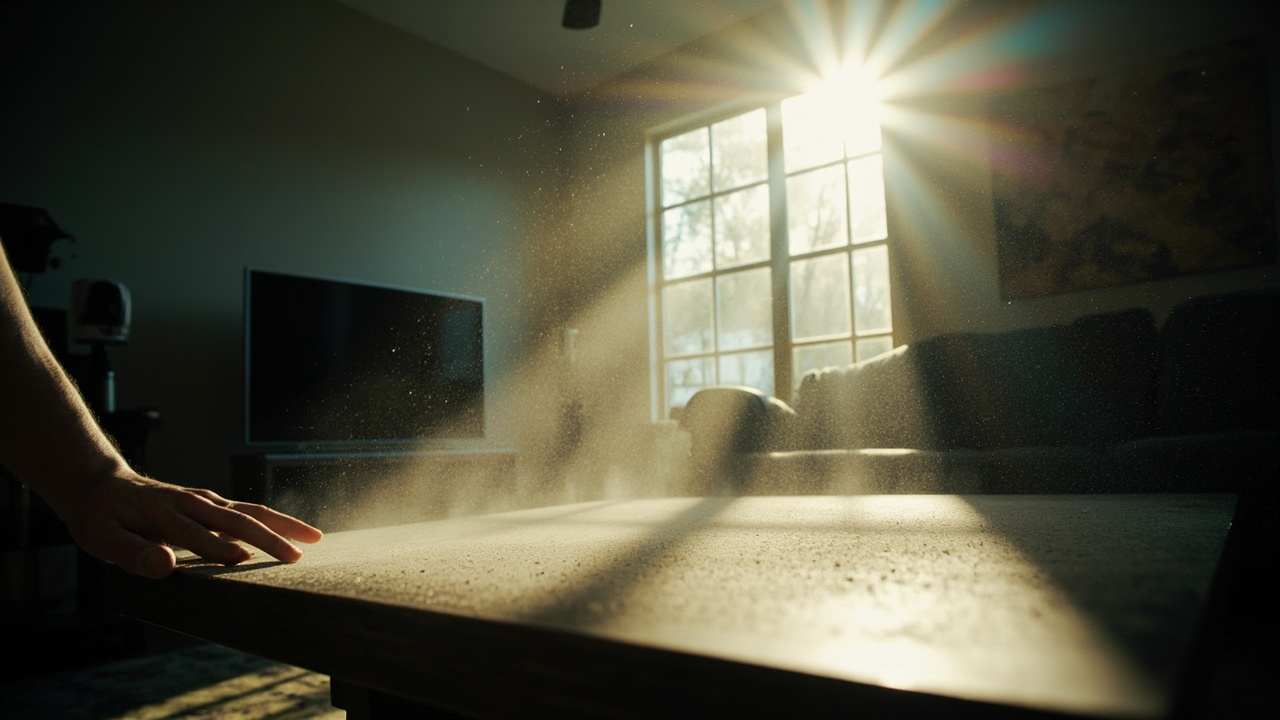
You wipe down surfaces in the morning, and by afternoon, a visible layer of dust has returned. You vacuum daily, yet constant dust in house continues to settle on furniture, electronics, and windowsills. This is not normal, and you are not imagining it.

Tampa's subtropical climate creates the perfect storm for too much dust in home environments. High humidity levels cause airborne particles to clump and settle faster. Pollen from oak, pine, and palm trees saturates the air nine months of the year. Add construction dust from the region's ongoing development boom, and you have a recipe for heavy dust buildup that no cleaning routine can fix.

The real culprit is often your HVAC system. Leaking ductwork pulls in attic dust, insulation fibers, and outdoor particulates, then circulates them through every room. A clogged filter stops trapping particles and starts bypassing them entirely. Negative air pressure from undersized return vents pulls in dust through wall penetrations and recessed lighting. These are mechanical failures, not housekeeping failures.

Homes near Westshore, Davis Islands, and Hyde Park face additional challenges. Proximity to Tampa Bay introduces salt spray particulates. Older homes with original ductwork built before modern sealing standards leak at every joint. The sandy soil common to Carrollwood and Town 'N' Country creates ground-level dust that infiltrates crawlspaces and enters through HVAC components.

Your unusually dusty home is sending a signal. The HVAC system is either pulling in contamination or failing to filter what is already inside.

Why Tampa Homes Battle Excessive House Dust Year-Round
How We Identify and Eliminate Dust Sources in Your HVAC System

How We Identify and Eliminate Dust Sources in Your HVAC System

Most companies replace filters and call it solved. We treat excessive house dust as a diagnostic challenge, not a maintenance task. The solution requires identifying where dust enters the system, how it circulates, and why filtration is failing.

We start with static pressure testing across the supply and return plenums. High pressure differentials indicate restrictive ductwork or undersized returns that create negative pressure and pull in unfiltered air. We then perform a visual duct inspection using a borescope camera to identify separation at joints, missing duct tape, and gaps around boot connections. These leaks are the primary entry points for attic dust and insulation particles.

Next, we evaluate filter placement and sizing. Many Tampa homes have filters installed at the air handler rather than at return grilles, which allows dust to travel through ductwork before reaching filtration. We calculate the system's actual airflow requirements in cubic feet per minute and compare it to filter surface area. Undersized filters create bypass, where air simply goes around the filter rather than through it.

We inspect the blower compartment for dust accumulation on the motor housing and evaporator coil fins. Heavy buildup here confirms the filter has been bypassed or saturated. We check the condensate drain pan for dust sludge, which indicates particulates are getting past the filter and mixing with condensation.

For homes with persistent issues, we conduct a blower door test to measure whole-house air leakage. This identifies whether the HVAC system is competing with building envelope failures, such as gaps around windows or unsealed penetrations in exterior walls.

Once we map the contamination pathways, we seal duct leaks with mastic compound and foil-backed tape, upgrade filter slots to accommodate higher MERV-rated media, and balance airflow to eliminate negative pressure zones.

Our Dust Elimination Process for Tampa Homes

Excess Dust in Home in Tampa – Expert Diagnosis and Permanent Solutions
01

Comprehensive System Inspection

We begin with a full HVAC evaluation, including duct integrity testing, filter sizing analysis, and airflow measurements. Using diagnostic tools like manometers and borescope cameras, we identify every leak, bypass, and pressure imbalance. This inspection pinpoints whether dust is entering through ductwork, failing filtration, or negative pressure pulling in outdoor air through building envelope gaps.
02

Targeted Sealing and Upgrades

After mapping contamination sources, we seal all duct leaks using mastic sealant and mechanical fasteners. We upgrade filter housings to accommodate high-efficiency MERV 13 or MERV 16 media filters that capture fine particulates without restricting airflow. If return airflow is insufficient, we add return grilles to eliminate negative pressure that pulls in unfiltered air from wall cavities and attics.
03

Verification and Maintenance Plan

We retest static pressure and airflow after repairs to confirm the system is balanced and operating within manufacturer specifications. You receive a maintenance schedule tailored to Tampa's pollen and humidity cycles, including filter replacement intervals based on your system's actual runtime and dust load. We provide follow-up inspections to ensure the dust problem has been permanently resolved.

Why Peak HVAC Tampa Solves Dust Problems Other Companies Miss

Most HVAC companies treat dust complaints with generic filter upgrades and send you on your way. We treat it as a system failure requiring diagnostic precision. This approach stems from years of working in Tampa's specific housing stock, from post-war block homes in Seminole Heights with original ductwork to newer builds in New Tampa with improperly installed flex duct.

We understand the local variables that contribute to dust infiltration. Homes built on slab foundations often have ductwork running through vented attics, where summer temperatures exceed 140 degrees and insulation particles break down into dust. Coastal properties deal with salt corrosion that degrades duct connections. Older neighborhoods have ductwork installed before modern sealing standards existed, with joints held together by nothing more than friction and gravity.

Our technicians are trained to recognize the symptoms of duct leakage that manifest as dust problems. A dusty home combined with uneven room temperatures indicates supply duct leaks. Dust concentrated near return vents points to negative pressure pulling in attic contamination. A musty odor alongside dust suggests mold spores circulating through leaking ductwork.

We also account for Tampa's building codes and permitting requirements. Duct modifications and filter upgrades must meet Florida Building Code standards for airflow and energy efficiency. Improperly sized filters or restricted returns can void equipment warranties and create humidity problems that lead to mold growth.

Peak HVAC Tampa combines diagnostic rigor with local expertise. We know which neighborhoods have undersized ductwork from the 1980s building boom. We know how live oak pollen clogs filters in March and April. We know that homes near Busch Boulevard deal with road dust infiltration that overwhelms standard filtration. This knowledge allows us to solve dust problems permanently, not temporarily.

What to Expect When You Hire Peak HVAC Tampa for Dust Problems

Rapid Response and Scheduling

We schedule diagnostic appointments within 48 hours of your call. Dust problems rarely qualify as emergencies, but we understand the frustration of living in an unusually dusty home that triggers allergies and requires constant cleaning. Our technicians arrive with the diagnostic equipment needed to complete the evaluation in a single visit. You receive a detailed assessment the same day, outlining the specific failures contributing to dust infiltration and the recommended repairs. Most sealing and filtration upgrades are completed within three to five business days.

Thorough Diagnostic Process

Our evaluation goes beyond visual inspection. We measure static pressure at multiple points in the duct system to identify restrictions and leaks. We calculate filter surface area against airflow requirements to determine if bypass is occurring. We inspect the blower compartment, evaporator coil, and condensate pan for dust accumulation that indicates filtration failure. If ductwork is accessible, we use a borescope camera to inspect interior conditions and joint integrity. You receive photos and pressure readings documenting every finding, so you understand exactly why dust is accumulating.

Permanent, Measurable Results

You will notice a reduction in dust within one to two weeks after repairs are completed. This is the time it takes for existing airborne particulates to settle and be removed through normal cleaning. The difference is measurable. Surfaces stay clean for days instead of hours. HVAC vents no longer blow visible dust when the system cycles on. Filter inspections show captured particulates instead of bypass streaks. We provide before-and-after static pressure readings to prove the system is now operating within specifications and no longer pulling in contaminated air.

Ongoing Maintenance and Filter Management

Dust control requires consistent filtration maintenance. We provide a schedule tailored to Tampa's seasonal pollen loads and your system's runtime. Spring and fall require more frequent filter changes due to oak and ragweed pollen. Homes with pets or smokers need shorter intervals. We offer filter delivery and replacement services, so you never have to remember to buy or install them. Our maintenance plans include annual duct inspections to ensure seals remain intact and no new leaks have developed.

Frequently Asked Questions

You Have Questions,
We Have Answers

What causes so much dust in my house? +

Excess dust comes from dirty or clogged HVAC filters, leaky ductwork, poor ventilation, and Tampa's high humidity combined with sandy soil tracked indoors. Old fiberglass insulation breaking down in attics also contributes. Your AC system constantly recirculates indoor air. When filters are saturated or ducts have gaps, dust particles bypass filtration and settle on surfaces. Poor sealing around windows and doors lets in outdoor pollen and fine sand particles common to the Tampa Bay area. Pet dander, skin cells, and fabric fibers add to the problem. Check your air filter monthly and inspect ductwork for leaks.

How do I stop my house from getting so dusty? +

Replace your HVAC filter every 30 to 60 days with a MERV 8 to 11 filter. Seal air leaks around windows, doors, and duct joints using mastic sealant or metal tape. Have your ductwork professionally cleaned and inspected for gaps, especially in older Tampa homes where ducts may have separated due to settling. Use doormats and remove shoes indoors to prevent tracking in sand and debris. Run exhaust fans in bathrooms and kitchens to improve ventilation. Consider upgrading to a whole-home air cleaner if dust remains excessive despite these measures.

Do air purifiers actually reduce dust? +

Yes, but effectiveness depends on the unit. Portable air purifiers with true HEPA filters capture 99.97 percent of particles 0.3 microns or larger, including dust, pollen, and mold spores common in Tampa's humid climate. They work best in single rooms, not whole homes. For comprehensive dust reduction, pair a portable unit with improved HVAC filtration or install a whole-home air purification system that treats air before it circulates through ducts. Portable units must run continuously and require filter changes every three to six months to maintain effectiveness.

Is it unhealthy to live in a dusty house? +

Yes. Dust harbors allergens, dust mites, mold spores, and pet dander that trigger respiratory issues, especially in Tampa's humid environment where mold thrives. Prolonged exposure causes or worsens asthma, allergies, and sinus problems. Children and elderly residents face higher risks. Dust mites feed on skin cells and multiply rapidly in humid conditions above 50 percent relative humidity, typical for Tampa homes without proper dehumidification. Fine particulate matter can penetrate deep into lungs, causing inflammation. If you notice persistent coughing, sneezing, or congestion indoors that improves when you leave, dust is likely affecting your health.

What is grandmas' simple trick to eliminate dust? +

Use a damp microfiber cloth instead of dry dusting. The moisture traps dust particles rather than spreading them into the air, where they resettle minutes later. Microfiber's electrostatic properties attract and hold fine particles that cotton rags miss. This method works especially well in Tampa homes where humidity already adds slight moisture to surfaces. Rinse the cloth frequently during cleaning and wash afterward in hot water without fabric softener, which reduces microfiber effectiveness. This simple trick cuts dusting time and keeps surfaces cleaner longer without chemicals or expensive equipment.

How to clean an extremely dusty house? +

Start at the top and work down. Dust ceiling fans, light fixtures, and air vents first using a damp microfiber cloth or extendable duster. Vacuum upholstered furniture using the brush attachment. Wipe down all horizontal surfaces, baseboards, and window sills. Vacuum or sweep floors, then mop hard surfaces. Replace your HVAC filter immediately. If dust is severe, your ductwork may need professional cleaning. In Tampa's sandy environment, outdoor dust infiltrates easily. Seal gaps around doors and windows. Run your AC fan continuously on low to maintain filtration, especially during spring when pollen counts spike.

What absorbs dust in the house? +

Nothing truly absorbs dust from the air. HVAC filters trap it as air passes through. Microfiber cloths capture it during cleaning. Houseplants do not meaningfully reduce dust despite popular claims. Your best defense is mechanical filtration through your AC system. Upgrade to higher MERV-rated filters, seal ductwork leaks, and maintain consistent airflow. In Tampa's climate, controlling humidity between 30 and 50 percent with your AC or a dehumidifier prevents dust mites from multiplying and reduces mold spore release, both major dust components. Frequent vacuuming with a HEPA-filtered vacuum removes settled dust before it recirculates.

What is the golden rule of dusting? +

Dust from top to bottom, always. Gravity pulls dislodged particles downward. If you dust low surfaces first, debris from ceiling fans, shelves, and light fixtures lands on already-cleaned areas. Start with ceiling fixtures and fans, move to high shelves and picture frames, then mid-level surfaces like tables and counters, finishing with baseboards. Vacuum or sweep floors last to capture everything that fell. Use a damp microfiber cloth to trap particles rather than scatter them. In Tampa homes with tile floors, follow up with a damp mop to capture fine sand particles vacuums miss.

Does opening a window reduce dust? +

Not in Tampa. Opening windows introduces outdoor pollen, mold spores, and fine sand particles, increasing indoor dust. Tampa's humidity also allows mold growth when moist outdoor air enters. Your HVAC system filters recirculated indoor air, keeping it cleaner than outdoor air. Opening windows forces your AC to work harder, reducing efficiency and filtration effectiveness. If you want fresh air, open windows during brief periods when pollen counts are low and outdoor humidity is below 60 percent, typically early morning. Otherwise, rely on mechanical ventilation through bathroom and kitchen exhaust fans while keeping windows closed.

Is there a machine that removes dust from the air? +

Yes. Whole-home air cleaners integrate with your HVAC system to filter air throughout your house. Options include media filters, electronic air cleaners, and UV light systems. HEPA filtration systems capture the smallest particles but require professional installation and ductwork modifications. Portable air purifiers with true HEPA filters work for single rooms. For Tampa homes, pairing filtration with dehumidification controls both dust and the humidity that allows mold and dust mites to thrive. Professional HVAC contractors can assess your system and recommend the right solution based on your home's size, ductwork condition, and specific dust sources.

Why Tampa's Climate and Construction Patterns Create Chronic Dust Problems

Tampa's combination of high humidity, year-round pollen, and rapid construction creates dust conditions unlike anywhere else in Florida. Humidity causes airborne particles to clump and settle faster, which is why you see visible dust accumulation within hours. The region's dominant tree species, live oaks and slash pines, produce pollen nine months of the year. Add construction dust from the building boom in Wesley Chapel, Riverview, and Fishhawk, and outdoor air quality directly impacts indoor dust levels. Homes with leaking ductwork or insufficient filtration pull in this contaminated outdoor air continuously.

Peak HVAC Tampa has worked in every Tampa neighborhood, from historic bungalows in Hyde Park with original ductwork to new construction in Westchase with improperly installed flex duct. We understand the specific failures common to each era of construction. We know that homes built before 1990 often lack return air pathways, creating negative pressure that pulls in dust. We know that homes near major roadways like Dale Mabry Highway and I-275 face elevated particulate loads from vehicle exhaust. This local knowledge allows us to diagnose and fix dust problems other companies cannot explain.


HVAC Services in The Tampa Area

Discover Peak HVAC's primary service area and easily locate our business office on the map below. We are dedicated to serving our community with top-tier heating, ventilation, and air conditioning solutions, ensuring comfort and peace of mind. Feel free to visit our location for a personal consultation or simply use the map to understand our reach and how conveniently we can serve your home or business needs.

Address:
Peak HVAC Tampa, 100 Ashley Dr S #600, Tampa, FL, 33602

Additional Services We Offer

Our news updates

Latest Articles & News from The Blogs

Hunting Down Every Air Filter Return in Your Older Tampa Heights Bungalow \n\n Living in a historic Tampa Heights bungalow…

Hunting Down Every Air Filter Return in Your Older Tampa Heights Bungalow

Hunting Down Every Air Filter Return in Your Older Tampa Heights Bungalow \n\n Living in a historic Tampa Heights bungalow…

The Hidden Danger of Forgetting to Register Your New Fish Hawk HVAC Warranty

The Hidden Danger of Forgetting to Register Your New Fish Hawk HVAC Warranty Your new HVAC system represents a significant…

How Florida Lizards and Ants Can Actually Short Out Your Lutz AC Unit

How Florida Lizards and Ants Can Actually Short Out Your Lutz AC Unit Your AC suddenly stops working on a…

Contact Us

You deserve clean air and surfaces that stay dust-free. Peak HVAC Tampa will identify why your home is excessively dusty and fix it permanently. Call (656) 237-5377 now to schedule your diagnostic evaluation.