Menu

Commercial Heating Services in Tampa | Industrial-Grade Systems Built for Florida's Year-Round Demand

Peak HVAC Tampa delivers commercial heating solutions engineered for high-occupancy buildings, manufacturing facilities, and retail spaces across the Tampa Bay metro, ensuring your operation never loses productivity to equipment failure.

Slider Image 1
Slider Image 2
Slider Image 3
Slider Image 4
Slider Image 5
Slider Image 7
Slider Image 8
Slider Image 9
Slider Image 10
Slider Image 11

Why Tampa's Mild Winters Still Demand Robust Commercial Heating Infrastructure

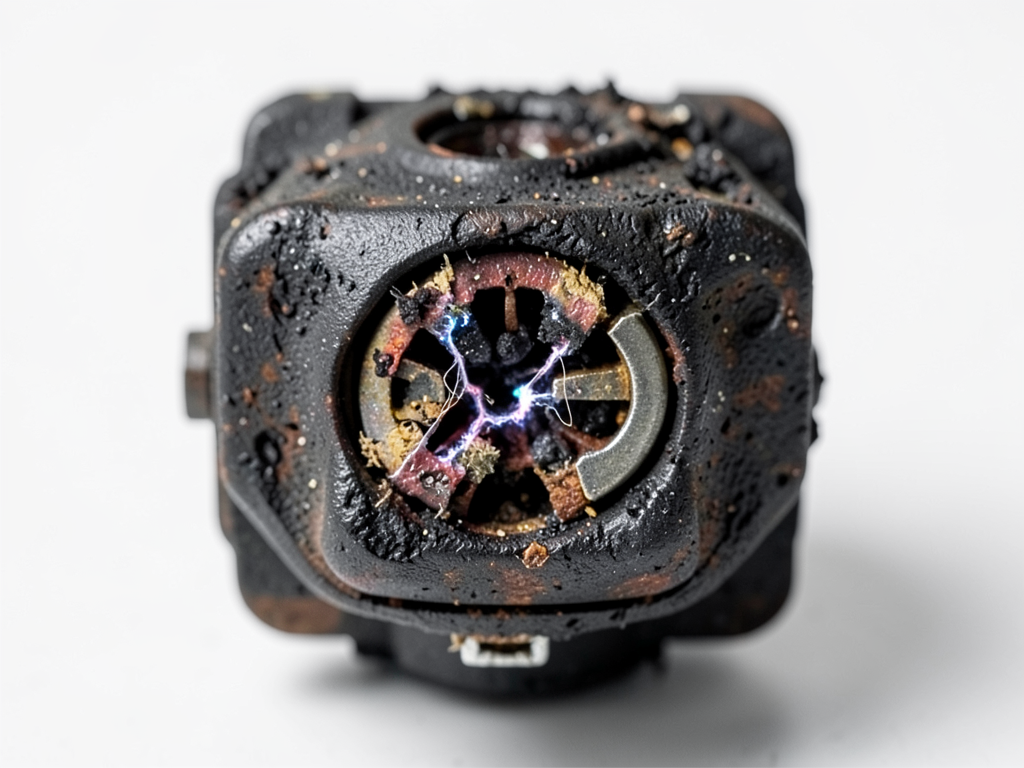
Tampa's subtropical climate creates a unique challenge for commercial heating contractors. While average winter lows hover around 52°F, the high humidity and coastal salt air corrode heat exchangers, deteriorate ignition systems, and accelerate wear on blower assemblies faster than in drier climates. Your warehouse in Ybor City or retail center in Westshore experiences wildly fluctuating heating loads. Morning temperatures in the low 50s demand full heating capacity, but by midday, HVAC systems shift to cooling mode. This constant cycling stresses commercial heating systems in ways that steady northern climates never do.

Manufacturing facilities near Port Tampa Bay face additional complications. Salt-laden air infiltrates air handling units, causing premature failure of gas valves and pilot assemblies. Office buildings in the Central Business District require precise zone control to manage solar heat gain through floor-to-ceiling windows while maintaining comfortable temperatures in interior conference rooms. Distribution centers in East Tampa need powerful heating systems that can recover quickly after frequent dock door openings expose the space to cold morning air.

Commercial heating companies in Tampa must account for building codes that prioritize hurricane wind loads and moisture control over insulation values. Your heating system works harder because local construction standards reflect different priorities than cold-weather climates. Industrial heating services require contractors who understand how Tampa's unique environmental factors impact equipment selection, installation practices, and maintenance protocols. Generic approaches fail because they ignore the specific demands of operating commercial HVAC heating services in a coastal subtropical environment.

Why Tampa's Mild Winters Still Demand Robust Commercial Heating Infrastructure
How Peak HVAC Tampa Engineers Commercial Heating Systems for Maximum Uptime

How Peak HVAC Tampa Engineers Commercial Heating Systems for Maximum Uptime

We start every commercial heating project with load calculations that account for Tampa's specific climate data, not generic southeastern assumptions. Our engineers evaluate your building's thermal envelope, occupancy patterns, and process heat generation to right-size equipment. Oversized units cycle too frequently in our mild winters, wasting energy and reducing equipment life. Undersized systems run continuously during cold snaps, unable to maintain setpoints when you need them most.

Equipment selection focuses on durability in high-humidity environments. We specify heat exchangers with corrosion-resistant coatings, stainless steel burner assemblies, and sealed blower motors that withstand moisture infiltration. Gas-fired rooftop units receive enhanced weatherproofing because Tampa's afternoon thunderstorms and salt air destroy standard factory sealing. For facilities requiring process heating, we install modulating burners that maintain precise temperature control while minimizing fuel consumption during variable load conditions.

Zoning strategy separates your building into logical control areas. Perimeter zones with high solar heat gain receive independent temperature control from interior spaces. Warehouse areas with high ceilings get destratification fans that recirculate warm air downward, reducing the heating load. Manufacturing spaces with heat-generating equipment receive separate consideration to avoid overheating while maintaining comfort in office areas.

Our installation teams follow NFPA 54 fuel gas code requirements and Florida Building Code mechanical provisions specific to commercial installations. We pressure-test all gas piping at 150% of operating pressure, verify proper combustion air supply, and commission control sequences to ensure your heating system integrates correctly with existing building automation. Documentation includes as-built drawings, equipment schedules, and maintenance requirements your facility team needs for long-term operation.

Our Commercial Heating Delivery Process

Commercial Heating Services in Tampa | Industrial-Grade Systems Built for Florida's Year-Round Demand
01

Site Assessment and Load Analysis

Our engineers visit your facility to measure spaces, document existing equipment, and evaluate your heating requirements. We review utility bills to understand current energy consumption, interview your facility manager about comfort complaints, and identify any process heating needs. We calculate actual heating loads using ACCA Manual N commercial methodology, accounting for Tampa's climate data, your building construction, and operational schedule. This analysis determines the correct equipment capacity and configuration for your specific application.
02

System Design and Equipment Specification

We create detailed engineering drawings showing equipment locations, ductwork routing, gas piping runs, and electrical connections. Equipment specifications include model numbers, capacity ratings, efficiency values, and installation requirements. We submit designs to your architect or engineer for approval if required by your project delivery method. Our proposals include line-item pricing for equipment, labor, materials, permits, and startup services. We explain equipment options, efficiency tradeoffs, and lifecycle cost implications so you make informed decisions based on your operational priorities and budget constraints.
03

Installation and System Commissioning

Our installation crews coordinate with your operations team to minimize business disruption. We schedule work during low-occupancy periods when possible, isolate work areas to maintain productivity in unaffected spaces, and complete installations within agreed timelines. After installation, we commission the system by verifying airflow rates, testing safety controls, calibrating thermostats, and training your facility staff on operation and basic troubleshooting. We provide operations manuals, warranty documentation, and recommended maintenance schedules. Your system receives a final inspection to confirm code compliance before we close out the project.

Why Tampa Businesses Trust Peak HVAC for Commercial Heating Solutions

Peak HVAC Tampa understands the operational realities of running a business in the Tampa Bay market. We know you cannot afford downtime during the winter months when heating failures impact employee productivity, customer comfort, and product storage conditions. Our commercial heating contractors maintain relationships with local equipment distributors, ensuring we access parts and materials quickly when your system needs service. We stock critical components for common commercial heating equipment, reducing repair timelines from days to hours.

Our technicians receive ongoing training on the latest commercial heating technologies, control systems, and building automation platforms. We service equipment from all major manufacturers, so you are not locked into a single brand relationship. When you need emergency repairs at your Brandon distribution center or scheduled maintenance at your South Tampa office building, we respond with technicians who understand commercial heating systems, not residential HVAC generalists attempting commercial work.

We work with Tampa-area mechanical engineers, general contractors, and facility management companies who specify our services on new construction and renovation projects. This professional network recognizes our commitment to code compliance, quality workmanship, and project schedule adherence. When your architect designs a new facility in Carrollwood or your property manager plans HVAC upgrades at your Westchase retail center, our reputation for delivering commercial heating solutions on time and within budget makes us the preferred contractor.

Our understanding of local building codes, permit requirements, and inspection procedures streamlines project approvals. We know Hillsborough County permitting timelines, inspector expectations, and documentation requirements that out-of-area contractors struggle to navigate. This local knowledge prevents delays that cost you money and extend project completion dates. We handle all permitting, coordinate inspections, and ensure your commercial heating installation meets or exceeds code requirements on the first review.

What to Expect from Your Commercial Heating Project

Project Timeline and Scheduling Flexibility

Commercial heating installations range from single-day rooftop unit replacements to multi-week projects for complete system overhauls. We provide detailed schedules during the proposal phase, identifying long-lead equipment items and critical path activities. For retail and hospitality clients, we schedule disruptive work during closed hours or low-occupancy periods to protect your revenue. Manufacturing and warehouse clients receive staging plans that maintain partial heating capacity during phased installations. We update you on progress through daily or weekly reports, depending on project duration. Equipment procurement typically takes two to six weeks for standard commercial units, longer for custom-configured systems. We communicate proactively about any schedule changes caused by weather, permit delays, or equipment availability issues.

Comprehensive System Evaluation Process

Our initial consultation includes a thorough assessment of your current heating infrastructure, energy costs, and comfort issues. We perform combustion analysis on existing gas-fired equipment to evaluate efficiency and safety. Infrared cameras identify heat loss through building envelope deficiencies that increase your heating load. We test thermostat calibration, verify proper airflow at registers, and measure temperature variations across your facility. For buildings with outdated heating systems, we evaluate whether repair or replacement makes better financial sense based on equipment age, repair history, and energy efficiency improvements available with modern equipment. You receive a detailed report explaining our findings, recommended solutions, and projected costs before making any decisions about moving forward.

Performance Verification and Comfort Delivery

After installation, we verify your commercial heating system delivers the performance we promised during the sales process. Our commissioning procedure includes airflow measurements at all zones, temperature verification at thermostats, and control sequence testing to ensure proper operation. We document baseline performance data including gas consumption rates, supply air temperatures, and runtime patterns that establish expectations for normal operation. Your facility manager receives training on system operation, thermostat programming, and filter change procedures. We return for follow-up visits during the first heating season to address any comfort issues and fine-tune control settings. Your system should maintain consistent temperatures across all occupied areas, respond quickly to thermostat adjustments, and operate quietly without disruptive noise levels.

Ongoing Maintenance and Service Support

Commercial heating equipment requires regular maintenance to sustain efficiency and prevent unexpected failures. We offer service agreements that include pre-season inspections, filter changes, burner cleaning, and safety control testing. Scheduled maintenance visits catch developing problems before they cause system failures during cold weather. Our service agreements provide priority scheduling, discounted repair rates, and extended parts coverage that reduces your long-term operating costs. We maintain detailed service records for all equipment, tracking repair history and component replacements that help predict when major parts may need replacement. For multi-location clients, we coordinate maintenance across all facilities, ensuring consistent service delivery and consolidated reporting. Emergency service remains available outside normal business hours, ensuring your heating system receives immediate attention when failures impact your operation.

Frequently Asked Questions

You Have Questions,
We Have Answers

What is the $5000 rule for HVAC? +

The $5000 rule is an IRS guideline for capital expense decisions. If your commercial HVAC repair costs less than $5000, you can typically deduct it as a maintenance expense in the current tax year. If the repair exceeds $5000, you may need to capitalize it and depreciate the cost over several years. This matters for Tampa businesses managing cash flow and tax liability. The rule applies to repairs that restore function, not upgrades that improve the system beyond its original capacity. Always consult your CPA before making repair-versus-replace decisions on equipment.

How much does a commercial HVAC system cost? +

Commercial HVAC system costs vary widely based on building size, tonnage requirements, and system complexity. Light commercial buildings in Tampa typically start around $10,000 to $15,000 per ton installed. A 20,000 square foot office may require 50 to 70 tons of cooling capacity due to Tampa's high humidity and heat loads. Total project costs range from basic rooftop units at lower price points to sophisticated multi-zone VRF systems at premium pricing. Ductwork modifications, zoning controls, and building-specific factors significantly impact the final investment. Request detailed load calculations specific to your Tampa property.

What is the most common commercial HVAC system? +

Rooftop package units dominate Tampa commercial installations. These self-contained systems house all components in one cabinet mounted on the roof, simplifying maintenance access and preserving interior space. They handle Tampa's cooling demands efficiently and resist salt air corrosion with proper coatings. Split systems rank second, separating indoor air handlers from outdoor condensing units. Larger Tampa facilities use chilled water systems or variable refrigerant flow technology for better zone control. The rooftop package unit remains most common because it balances cost, serviceability, and performance for retail, office, and light industrial applications.

How often should a commercial HVAC be serviced? +

Commercial HVAC systems require quarterly professional servicing in Tampa's climate. The high humidity and extended cooling season stress components year-round, accelerating wear on compressors, coils, and condensate systems. Schedule maintenance every three months to inspect refrigerant levels, clean coils, check electrical connections, and verify drain line function. Monthly filter changes are non-negotiable in commercial spaces with high occupancy or indoor air quality requirements. Tampa businesses operating 24/7 or with critical temperature control needs may require monthly professional inspections. Preventive maintenance contracts reduce emergency failures and extend equipment lifespan in demanding subtropical conditions.

How much does a new HVAC system cost 4000 square feet? +

A 4000 square foot commercial space in Tampa typically requires 10 to 15 tons of cooling capacity, depending on ceiling height, insulation, window area, and occupancy type. Commercial-grade equipment with proper installation generally costs more per ton than residential systems due to durability requirements and code compliance. Total project costs include ductwork modifications, electrical upgrades, controls integration, and permit fees. Tampa's high cooling loads and humidity management needs require properly sized equipment. Undersizing creates comfort failures and efficiency loss. Request Manual J load calculations specific to your building envelope and use patterns before committing to equipment.

Is a new HVAC system tax deductible in 2025? +

Section 179 tax provisions allow qualifying businesses to deduct the full cost of commercial HVAC equipment in 2025, up to current limits. The system must be placed in service during the tax year and used for business purposes. Energy-efficient commercial HVAC upgrades may also qualify for Section 179D commercial building deduction or other incentives. Tampa businesses should verify eligibility requirements with tax professionals, as rules differ for owned versus leased properties. Bonus depreciation percentages change annually. Proper documentation of equipment costs, installation dates, and energy efficiency ratings is required for IRS compliance.

What is the life expectancy of a commercial HVAC system? +

Commercial HVAC systems in Tampa average 15 to 20 years with proper maintenance. Rooftop package units typically last 15 years in coastal climates due to salt air exposure and continuous operation. Compressors and heat exchangers often fail first. Split systems can reach 20 years if serviced quarterly and protected from corrosion. Tampa's year-round cooling demand shortens equipment life compared to northern climates with seasonal use. Buildings with deferred maintenance see failures at 10 to 12 years. Variable speed systems with advanced controls often outlast single-stage units. Budget replacement reserves starting at year 12 for uninterrupted operations.

How much is HVAC for a 2000 square foot house? +

This question addresses residential systems, not commercial applications. A 2000 square foot house is a residential project with different equipment specifications, installation requirements, and cost structures than commercial buildings. Commercial HVAC focuses on business continuity, liability management, and code compliance for occupied commercial spaces. Residential systems use lighter-duty components and simpler controls. If you operate a business from a residential structure in Tampa, consult a commercial HVAC contractor about proper zoning, ventilation rates, and occupancy-rated equipment to meet commercial building codes and insurance requirements.

What is the difference between HVAC and commercial HVAC? +

Commercial HVAC systems are engineered for continuous operation, higher occupancy loads, and stricter ventilation codes than residential equipment. Commercial units feature heavier gauge components, three-phase power compatibility, and modular designs for serviceability. Tampa commercial buildings require sophisticated humidity control, fresh air management, and zone-specific temperature regulation that residential systems cannot provide. Commercial equipment meets ASHRAE standards for indoor air quality and ventilation rates based on occupancy type. Liability and business continuity drive commercial specification decisions. Warranty structures, parts availability, and service response expectations differ significantly between commercial and residential applications.

What is the best commercial HVAC brand? +

Carrier, Trane, Lennox, and York dominate Tampa commercial installations. Carrier and Trane lead in reliability and parts availability throughout Florida. The best brand for your facility depends on specific application requirements, budget constraints, and service provider expertise. Rooftop package units favor Carrier and Trane for durability in salt air environments. Variable refrigerant flow systems see strong Daikin and Mitsubishi representation. Focus on proper system sizing, quality installation, and local service capability rather than brand loyalty alone. Tampa's climate demands corrosion-resistant coatings and humidity management regardless of manufacturer. Match equipment to your operational priorities and maintenance capacity.

How Tampa's Coastal Environment Accelerates Commercial Heating System Degradation

Salt-laden air from Tampa Bay carries corrosive particles that infiltrate commercial HVAC systems, attacking heat exchangers, gas valves, and ignition components. Buildings within three miles of the coastline, including the entire Westshore business district and downtown core, experience accelerated corrosion rates compared to inland locations. Industrial heating services near Port Tampa Bay require enhanced protective coatings and more frequent inspections because equipment exposed to marine environments fails years earlier than manufacturer specifications predict. The combination of high humidity and salt exposure creates the perfect conditions for galvanic corrosion wherever dissimilar metals contact each other in your heating system. Commercial heating contractors who ignore these environmental factors install equipment that underperforms and requires premature replacement.

Peak HVAC Tampa has served the commercial market across Hillsborough County for years, building relationships with facility managers, property owners, and mechanical engineers who value our understanding of local conditions. We maintain strong working relationships with building inspectors, expedite permit approvals through our knowledge of local requirements, and coordinate with utility providers for gas service connections. Our service area extends from New Tampa office parks to Apollo Beach industrial facilities, giving us insight into how different microclimates across the region affect commercial heating performance. This local expertise means we recommend equipment configurations and maintenance protocols specifically suited to your facility's location within the Tampa Bay area, not generic solutions that fail to account for coastal exposure, humidity levels, and salt air concentration.


HVAC Services in The Tampa Area

Discover Peak HVAC's primary service area and easily locate our business office on the map below. We are dedicated to serving our community with top-tier heating, ventilation, and air conditioning solutions, ensuring comfort and peace of mind. Feel free to visit our location for a personal consultation or simply use the map to understand our reach and how conveniently we can serve your home or business needs.

Address:
Peak HVAC Tampa, 100 Ashley Dr S #600, Tampa, FL, 33602

Additional Services We Offer

Our news updates

Latest Articles & News from The Blogs

Expert Mobile Home AC Replacement in Ruskin, FL Mobile homes in Ruskin need specialized cooling systems that differ from standard…

Finding a Reliable Mobile Home AC Replacement Specialist in Ruskin

Expert Mobile Home AC Replacement in Ruskin, FL Mobile homes in Ruskin need specialized cooling systems that differ from standard…

Emergency AC Repair for Busy Restaurants and Kitchens Near Armature Works

Emergency AC Repair for Busy Restaurants and Kitchens Near Armature Works When your restaurant AC fails during Tampa's summer heat…

Connecting your Westshore Marina District condo HVAC to your smart home system

Connecting your Westshore Marina District condo HVAC to your smart home system Living in the Westshore Marina District means enjoying…

Contact Us

Your business cannot afford heating system failures during winter operations. Call Peak HVAC Tampa at (656) 237-5377 to schedule an evaluation of your commercial heating needs. We will assess your current system, explain your options, and provide transparent pricing for solutions that keep your facility comfortable and operational.