Carbon monoxide leak testing is not a single test. It is a systematic analysis of every potential source in your property.
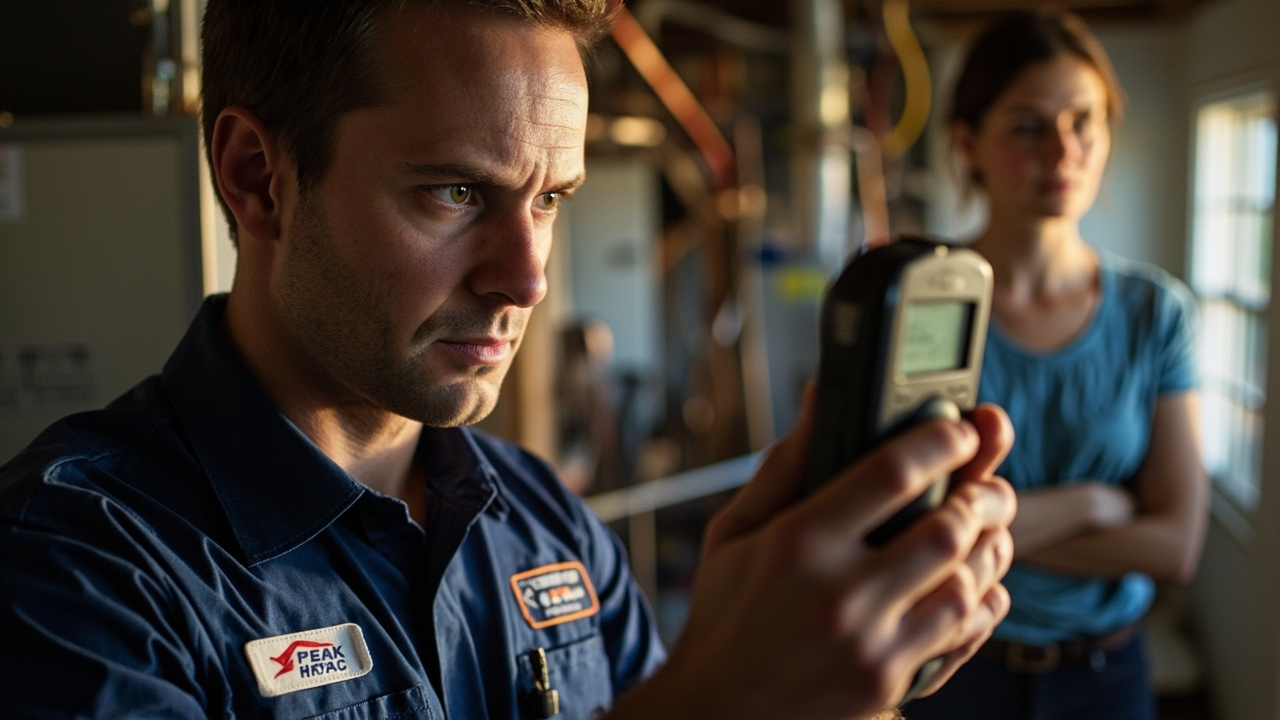
We begin with ambient air sampling using a calibrated digital analyzer that reads CO concentration in real time. We test the air near sleeping areas, living spaces, and mechanical rooms. We establish a baseline. Then we identify the anomalies.
Next, we perform combustion analysis on every fuel-burning appliance. Gas furnaces, water heaters, dryers, ranges, and pool heaters are all tested individually. We measure flue gas composition, draft pressure, and exhaust flow. A properly functioning gas appliance should have zero measurable CO in living spaces. We verify that standard is met.
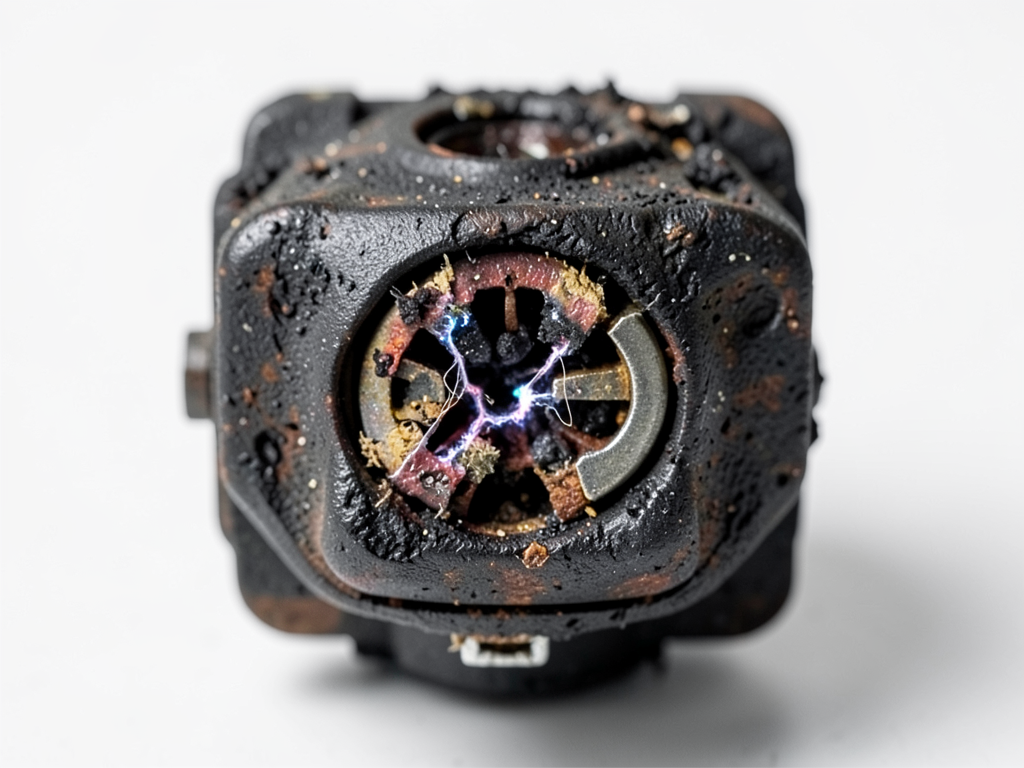
We inspect heat exchangers using a borescope camera to identify cracks or corrosion invisible to the naked eye. A heat exchanger failure is the most common source of CO in forced-air heating systems. Tampa's humidity accelerates metal corrosion, particularly in older systems with poor condensate drainage. We look for the stress fractures that precede catastrophic failure.
We check venting systems for blockages, disconnections, and improper termination. Birds nest in vent pipes. Roof repairs disconnect vent caps. Previous contractors use incorrect materials. We find these failures.
We test for backdrafting conditions using draft measurement and pressure differentials. Negative pressure in a home can reverse the flow of exhaust gases. Exhaust fans, dryer vents, and leaky ductwork can all contribute to backdrafting. We measure the airflow and correct the imbalance.
When we locate the source, we provide a written diagnostic report with CO concentration readings, appliance-specific findings, and actionable repair recommendations. You receive documentation of the threat level and the exact corrective action required.