
Menu

HVAC Warranty Guide in Tampa – Protect Your Investment and Avoid Thousands in Uncovered Repairs

Understanding HVAC system warranty coverage and manufacturer warranty details helps Tampa homeowners and businesses avoid surprise repair bills, maximize equipment protection, and know exactly when factory coverage ends and extended options begin.

Slider Image 1
Slider Image 2
Slider Image 3
Slider Image 4
Slider Image 5
Slider Image 7
Slider Image 8
Slider Image 9
Slider Image 10
Slider Image 11

Why Most Tampa Property Owners Misunderstand Their HVAC System Warranty Coverage

You pay thousands for an HVAC system, and you assume the warranty protects you. Then a compressor fails two years in, and you discover the labor is not covered. Or the manufacturer denies the claim because the annual maintenance was not documented. You are not alone. Most Tampa property owners do not read the fine print until something breaks, and by then, it is too late.

Tampa's high humidity and year-round cooling demand put extraordinary stress on HVAC equipment. Systems here run longer and harder than in northern climates, which means components wear faster. HVAC unit warranty information becomes critical when you factor in salt air corrosion near the bay, power surges from summer storms, and the strain of running a system 300 days a year. A compressor failure in Michigan might happen after 15 years. In Tampa, it can happen in seven.

Most HVAC manufacturer warranty details include parts coverage for five to ten years, but labor is almost never included after the first year. Heating and cooling warranty terms often require proof of annual professional maintenance, which many homeowners skip. One missed filter change documented in your service records can void a claim. HVAC equipment warranty policies also exclude damage from improper installation, refrigerant leaks caused by poor workmanship, or electrical issues tied to undersized breakers. You need to know what is covered, what is not, and how to keep your protection active.

Why Most Tampa Property Owners Misunderstand Their HVAC System Warranty Coverage
How HVAC Warranty Coverage Actually Works in Tampa

How HVAC Warranty Coverage Actually Works in Tampa

HVAC system warranty coverage is split into two buckets: parts and labor. The manufacturer covers parts, the installing contractor covers labor for a limited window, usually one year. After that first year, you pay for labor even if the part is free. This is where most surprise bills come from. A free compressor still requires four hours of labor, refrigerant recovery, and electrical work. That can run hundreds of dollars out of pocket.

Heating and cooling warranty terms also hinge on proper installation and maintenance. If your system was installed without a permit, or if ductwork was sized incorrectly, the manufacturer can deny coverage. Tampa code requires specific load calculations and refrigerant line sizing based on our climate zone. Shortcuts during installation do not just hurt performance, they void protection. If a technician skips the vacuum test or overcharges the system, you lose your safety net.

Peak HVAC Tampa documents every installation step and registers your equipment with the manufacturer immediately. We provide you with a maintenance log and explain exactly what you need to do annually to keep your warranty active. We also walk you through the HVAC equipment warranty policies for your specific brand, whether it is Carrier, Trane, Lennox, or Rheem. Each manufacturer has different exclusions, registration deadlines, and maintenance requirements. We make sure you understand the rules before a claim is needed.

Most extended warranty programs are sold through third parties, not the manufacturer. These plans cover labor and sometimes offer broader protection, but they come with deductibles, claim limits, and exclusions. We help you evaluate whether an extended plan makes sense for your system and usage patterns.

What You Need to Do to Keep Your HVAC Warranty Active

HVAC Warranty Guide in Tampa – Protect Your Investment and Avoid Thousands in Uncovered Repairs
01

Register Your Equipment

Most manufacturers require you to register your HVAC system within 60 to 90 days of installation. If you miss the deadline, your parts warranty may drop from ten years to five. Peak HVAC Tampa registers your equipment the day we complete installation. We provide you with the confirmation number and a copy of the registration for your records. This step protects your investment immediately.
02

Schedule Annual Maintenance

Heating and cooling warranty terms require proof of annual professional maintenance. That means a licensed technician must inspect, clean, and document service on your system every 12 months. We check refrigerant levels, test electrical connections, inspect the condensate drain, and provide you with a detailed service report. This documentation is required if you ever file a claim. Skipping even one year can void coverage.
03

Document Everything

Keep every invoice, service report, and receipt related to your HVAC system. Manufacturers and warranty companies require proof of maintenance, proof of installation, and proof of who performed the work. If you move into a home with an existing system, request all service records from the seller. Without documentation, you may not be able to prove your system qualifies for coverage. Peak HVAC Tampa provides digital and paper records for every job we complete.

Why Tampa Property Owners Trust Peak HVAC Tampa for Warranty Guidance

Peak HVAC Tampa has worked with every major HVAC manufacturer sold in the Tampa Bay area. We know the warranty policies for Carrier, Trane, Lennox, Goodman, Rheem, American Standard, and Daikin inside and out. We know which brands require registration, which offer transferable warranties, and which have the best track record for honoring claims. This knowledge helps you avoid buyer's remorse and choose equipment with protection that matches your budget and risk tolerance.

We also understand Tampa-specific challenges that affect warranty claims. Salt air corrosion near the bay can damage coils, but that is often excluded unless the unit was installed with a coastal protection coating. Power surges from summer storms can fry circuit boards, but electrical damage is usually not covered unless you have a surge protector documented in the installation records. We install systems with these risks in mind and document every protective measure to strengthen your warranty position.

Our service department maintains detailed records for every customer. If you need to file a warranty claim three years after installation, we pull your maintenance history, installation permits, and equipment registration instantly. We communicate directly with the manufacturer, submit the claim on your behalf, and handle the back-and-forth so you do not waste time on hold. We have relationships with warranty departments and know how to present a claim to maximize approval odds.

Tampa property owners also choose us because we explain the gaps in coverage before you buy. If a system comes with a five-year parts warranty but no labor coverage after year one, we tell you what that means in real dollars. We help you decide whether an extended labor warranty makes sense based on your system type, usage, and risk tolerance. We never oversell protection you do not need.

What to Expect When You Review Your HVAC Warranty Coverage

Immediate Clarity on Coverage Gaps

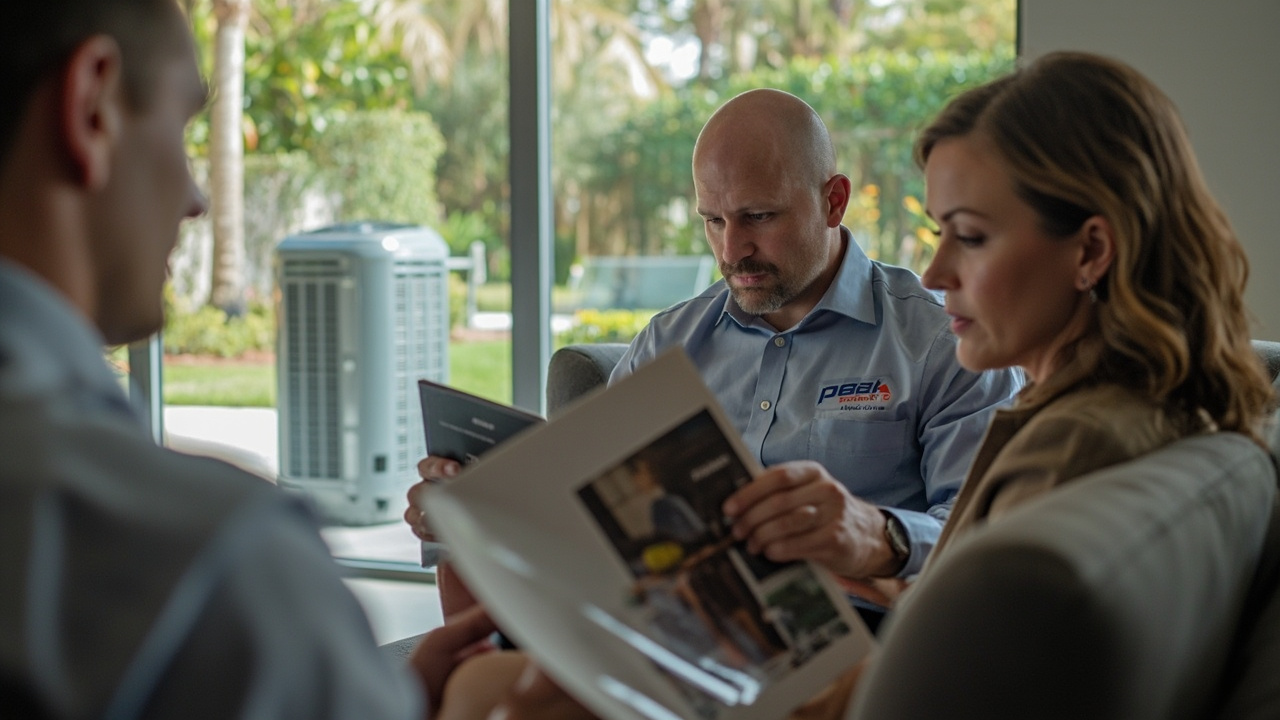
When you work with Peak HVAC Tampa, we sit down and walk through your HVAC unit warranty information line by line. We explain what parts are covered, for how long, and under what conditions. We point out exclusions like labor, refrigerant, or electrical components. We also identify whether your warranty is transferable if you sell your home, which can be a selling point for buyers. You leave with a clear understanding of what you are protected against and where you might face out-of-pocket costs. No fine print surprises.

Maintenance Plan Recommendations

We evaluate your system and your warranty terms, then recommend a maintenance schedule that keeps your protection active. For most Tampa homeowners, that means a spring tune-up before the heavy cooling season and a fall check before the rare cold snaps. We document every visit, provide you with a signed service report, and keep digital records in your customer file. If you enroll in our maintenance plan, we handle scheduling automatically. You never risk missing the annual service requirement that could void your HVAC manufacturer warranty details.

Claim Assistance and Advocacy

If a covered component fails, we handle the warranty claim process. We contact the manufacturer, provide documentation of installation and maintenance, and coordinate the parts shipment. We also perform the labor to replace the part, even if labor is not covered by the factory. We give you a clear estimate for the labor cost upfront. Our goal is to get you back online fast, minimize your expense, and make sure the manufacturer honors what they owe. We do not stop at the first denial. We escalate when needed.

Extended Warranty Evaluation

If you want protection beyond the factory warranty, we explain your options. Some extended plans cover labor and parts for up to ten years. Others include regular maintenance visits. We compare costs, coverage limits, deductibles, and exclusions. We help you decide if an extended plan fits your budget and risk profile. We also explain the difference between manufacturer-backed extended warranties and third-party plans. We do not sell extended warranties ourselves, which means we give you unbiased advice based on what makes sense for your system and situation.

Frequently Asked Questions

You Have Questions,
We Have Answers

What is the typical warranty on a HVAC system? +

Most HVAC systems come with two warranties: a parts warranty from the manufacturer (typically 5 to 10 years) and a labor warranty from your installer (usually 1 to 2 years). The compressor often carries a longer warranty, sometimes up to 10 years. In Tampa's humid climate, warranty length matters because your system works harder year-round. Always register your equipment within 90 days of installation to activate the full manufacturer warranty. Extended labor warranties are available and can save you significant money on service calls during the first decade of ownership.

What is the $5000 rule for HVAC? +

The $5,000 rule is an EPA regulation that applies when adding refrigerant to older systems. If your repair costs plus refrigerant charges exceed $5,000, you must retrofit the system to current efficiency standards or replace it entirely. This rule protects consumers from pouring money into failing equipment. In Tampa, where AC units cycle constantly due to heat and humidity, reaching this threshold often signals it's time to replace rather than repair. Your technician should calculate this before recommending a major refrigerant recharge on aging equipment.

What voids a HVAC warranty? +

Common warranty voids include skipping annual maintenance, using unauthorized parts, DIY repairs, and hiring unlicensed contractors. Missing your yearly tune-up is the biggest mistake Tampa homeowners make. Manufacturers require proof of regular professional maintenance to honor claims. Installing the wrong air filter size, neglecting drain line cleaning, or letting debris accumulate around your outdoor unit can also void coverage. Always keep service records and receipts. Improper installation voids warranties immediately, so choose your installer carefully and verify they follow manufacturer specifications during setup.

What is the average lifespan of an HVAC? +

A properly maintained HVAC system lasts 15 to 20 years in most climates. In Tampa, expect closer to 12 to 17 years due to year-round operation, high humidity, and salt air exposure near coastal areas. Your system runs more hours annually than units in northern states, accelerating wear on components. The compressor typically fails first, followed by the air handler and coils. Regular filter changes, annual professional maintenance, and keeping the condensate drain clear significantly extend lifespan. Systems installed in shaded locations or with programmable thermostats often outlast those in direct sun.

Which HVAC company has the best warranty? +

Warranty quality varies by manufacturer and installer. Look for comprehensive parts coverage (10 years minimum), compressor protection, and transferable terms if you sell your home. The installer's labor warranty matters just as much. Choose a Tampa-based contractor who offers extended labor coverage beyond the standard one year. Some manufacturers require registered installation by certified technicians to activate full warranty benefits. Read the fine print on maintenance requirements, as skipping annual service voids most warranties. The best warranty combines long manufacturer parts coverage with reliable local service backing.

How long should a HVAC compressor last? +

A quality HVAC compressor should last 12 to 15 years with proper maintenance. In Tampa's climate, compressors work harder due to constant cooling demands and high humidity. Factors affecting lifespan include proper refrigerant charge, clean coils, adequate airflow, and electrical stability. Compressors fail early when systems are oversized, run with dirty filters, or operate with low refrigerant. Most manufacturers warrant compressors separately for 10 years because they're the most expensive component. If your compressor fails outside warranty, replacement often costs enough that a full system upgrade makes financial sense.

Is a new HVAC system tax deductible in 2025? +

Some HVAC replacements qualify for federal tax credits in 2025 if they meet specific energy efficiency ratings. Systems must achieve SEER2 ratings of 16 or higher for central air conditioners. The Inflation Reduction Act allows credits up to 30% of project costs, with caps depending on equipment type. Check the Energy Star website for qualifying models before purchasing. For Tampa homeowners, investing in high-efficiency equipment reduces both your tax bill and monthly energy costs. Business owners may qualify for different deductions through Section 179. Consult your tax professional for guidance specific to your situation.

What is the 3 minute rule for AC? +

The 3-minute rule prevents compressor damage by requiring a minimum wait time between AC cycles. When your system shuts off, refrigerant pressure must equalize before restarting. Starting too soon forces the compressor to work against high pressure, causing premature wear. Most modern thermostats have built-in delay timers. In Tampa, where units cycle frequently during summer, this protection is critical. If you notice your AC short-cycling (running less than 10 minutes per cycle), contact a technician. Frequent short cycles damage the compressor and waste energy while failing to dehumidify your home properly.

What is the best month to buy an HVAC system? +

October through March offers the best HVAC deals in Tampa. Demand drops after cooling season ends, and contractors offer discounts to keep crews busy during slower months. You'll get better pricing, faster installation, and more attention from technicians when they're not swamped with emergency calls. Manufacturers often run promotions in fall and early spring. Avoid buying during Tampa's peak cooling months (June through September) when emergency replacements cost more and installation waits stretch to weeks. Planning ahead saves money and ensures your system is ready before the next brutal summer.

Why is freon not covered under warranty? +

Refrigerant is considered a consumable service item, similar to engine oil in your car. Warranties cover defective parts, not routine maintenance or materials that deplete through normal use. If your system needs refrigerant, it usually indicates a leak, which is a separate covered issue. The leak repair falls under warranty, but topping off the refrigerant does not. Tampa's vibration from constant compressor cycling can cause connections to loosen over time. A properly charged system should never need refrigerant added unless there's a leak. Annual maintenance should include leak checks to catch problems early.

How Tampa's Year-Round Cooling Demand Affects HVAC Warranty Claims

Tampa HVAC systems run more hours annually than systems in most other U.S. cities. The compressor, blower motor, and capacitors cycle constantly from March through November, and even winter months see regular use. This accelerated wear pattern leads to earlier component failure, which means you are more likely to file a warranty claim during the coverage period. Salt air near the bay and in coastal neighborhoods like Davis Islands and Bayshore also corrodes coils and outdoor unit cabinets faster. Manufacturers may deny claims if they determine corrosion was caused by environmental factors not disclosed during installation. Proper installation practices and documentation become critical to protecting your HVAC system warranty coverage in this climate.

Peak HVAC Tampa has served the greater Tampa metro for years, and we understand the local conditions that put stress on heating and cooling systems. We install equipment with coastal-rated coatings when needed, size systems based on Tampa's cooling load calculations, and document every environmental factor that could affect warranty eligibility. We also maintain strong relationships with manufacturer warranty departments and know how to present claims in a way that maximizes approval. Tampa property owners trust us because we know the local code requirements, the permitting process, and the specific challenges that come with running HVAC equipment in this high-demand environment. We are not a national chain. We are local experts who live and work in this market.


HVAC Services in The Tampa Area

Discover Peak HVAC's primary service area and easily locate our business office on the map below. We are dedicated to serving our community with top-tier heating, ventilation, and air conditioning solutions, ensuring comfort and peace of mind. Feel free to visit our location for a personal consultation or simply use the map to understand our reach and how conveniently we can serve your home or business needs.

Address:
Peak HVAC Tampa, 100 Ashley Dr S #600, Tampa, FL, 33602

Additional Services We Offer

Our news updates

Latest Articles & News from The Blogs

Hunting Down Every Air Filter Return in Your Older Tampa Heights Bungalow \n\n Living in a historic Tampa Heights bungalow…

Hunting Down Every Air Filter Return in Your Older Tampa Heights Bungalow

Hunting Down Every Air Filter Return in Your Older Tampa Heights Bungalow \n\n Living in a historic Tampa Heights bungalow…

The Hidden Danger of Forgetting to Register Your New Fish Hawk HVAC Warranty

The Hidden Danger of Forgetting to Register Your New Fish Hawk HVAC Warranty Your new HVAC system represents a significant…

How Florida Lizards and Ants Can Actually Short Out Your Lutz AC Unit

How Florida Lizards and Ants Can Actually Short Out Your Lutz AC Unit Your AC suddenly stops working on a…

Contact Us

Call Peak HVAC Tampa at (656) 237-5377 and schedule a free warranty review. We will examine your system, explain your coverage, and identify any gaps that could leave you exposed. Do not wait until a breakdown to discover what is not covered.