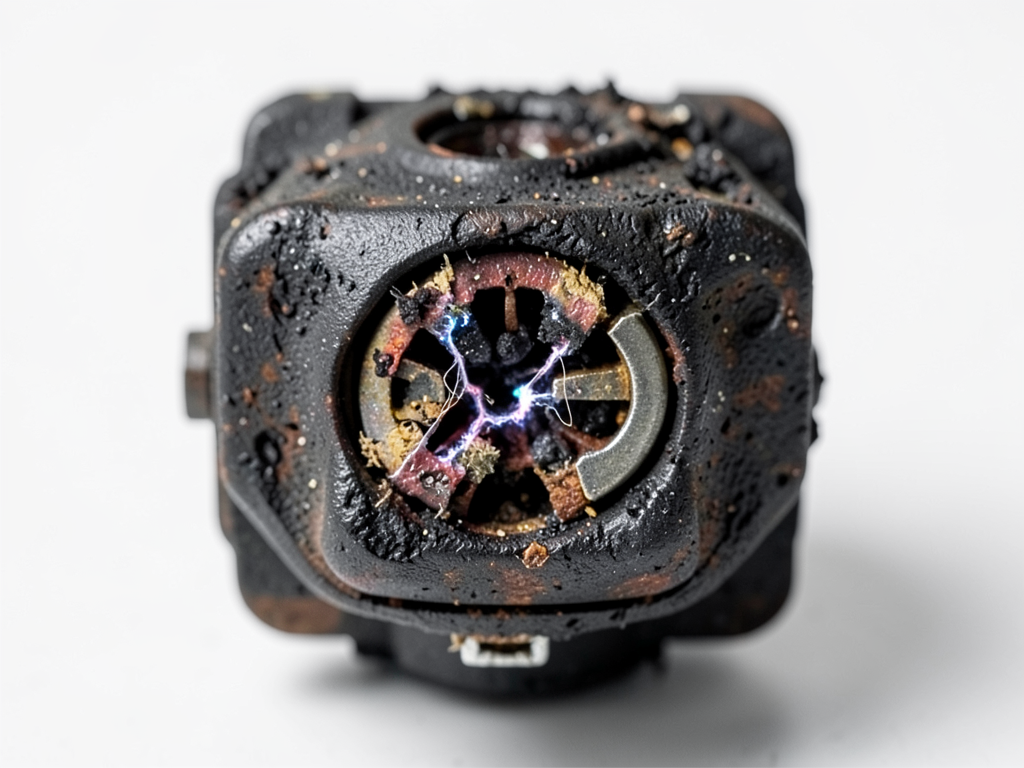
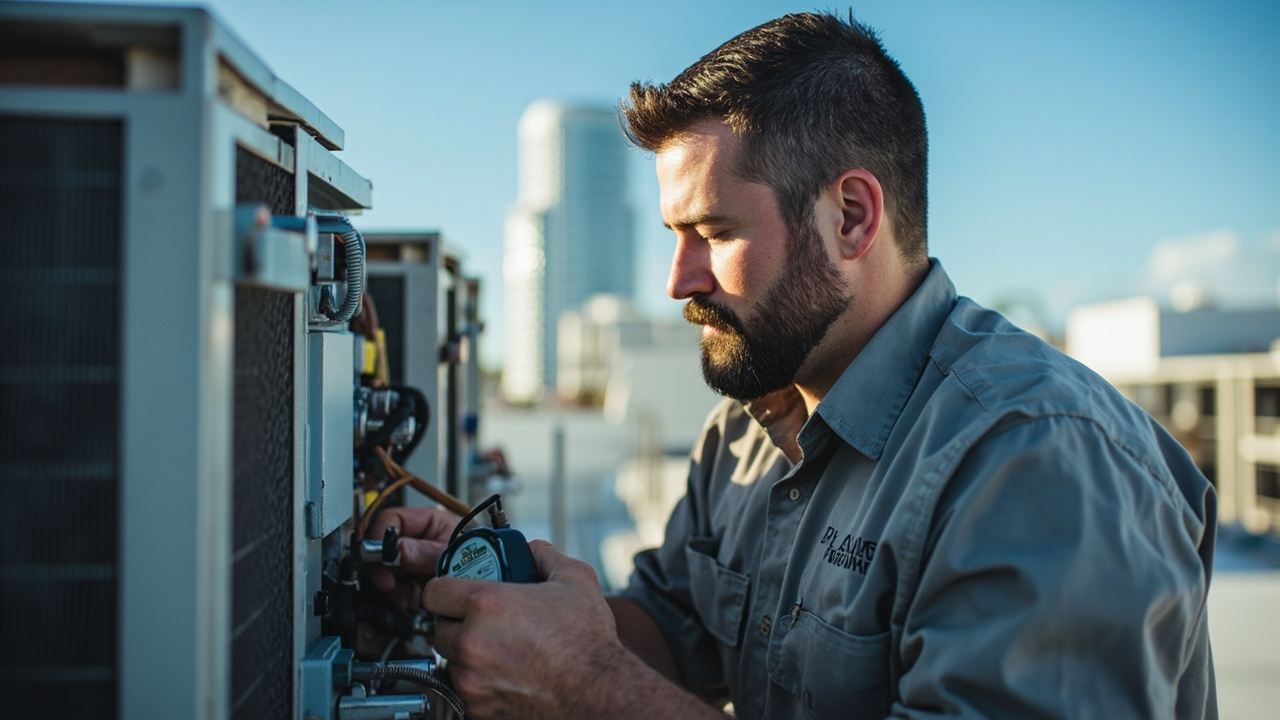
Salt spray from Tampa Bay carries up to three miles inland, coating condenser coils with a corrosive film that degrades aluminum fins and copper tubing. Facilities within two miles of the waterfront, including properties along Bayshore Boulevard and in the Channel District, experience condenser coil failure rates 40 percent higher than inland locations. High humidity year-round promotes mold growth inside ductwork and on evaporator coils, reducing airflow and indoor air quality. Commercial systems running continuously during summer face compressor stress from sustained high head pressures. These conditions make commercial air conditioning repair a recurring necessity rather than an occasional expense. Regular coil cleaning and corrosion-resistant coatings extend equipment life, but Tampa's environment demands proactive maintenance.
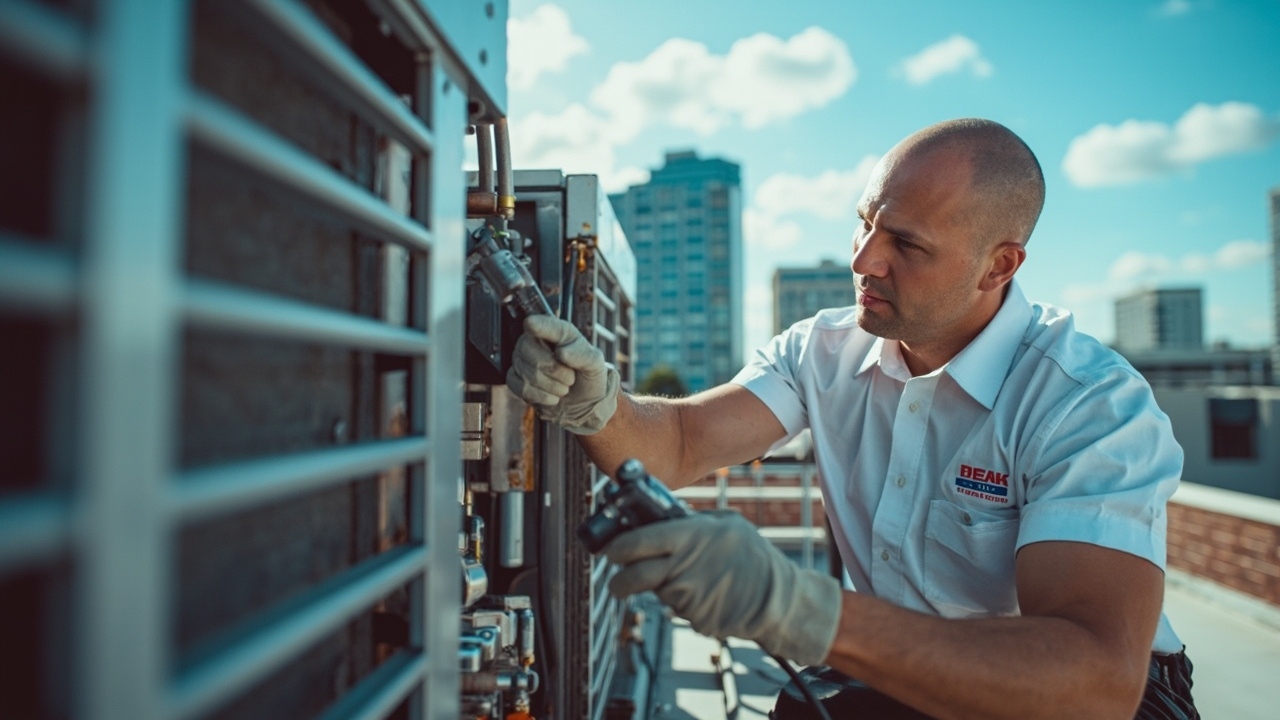
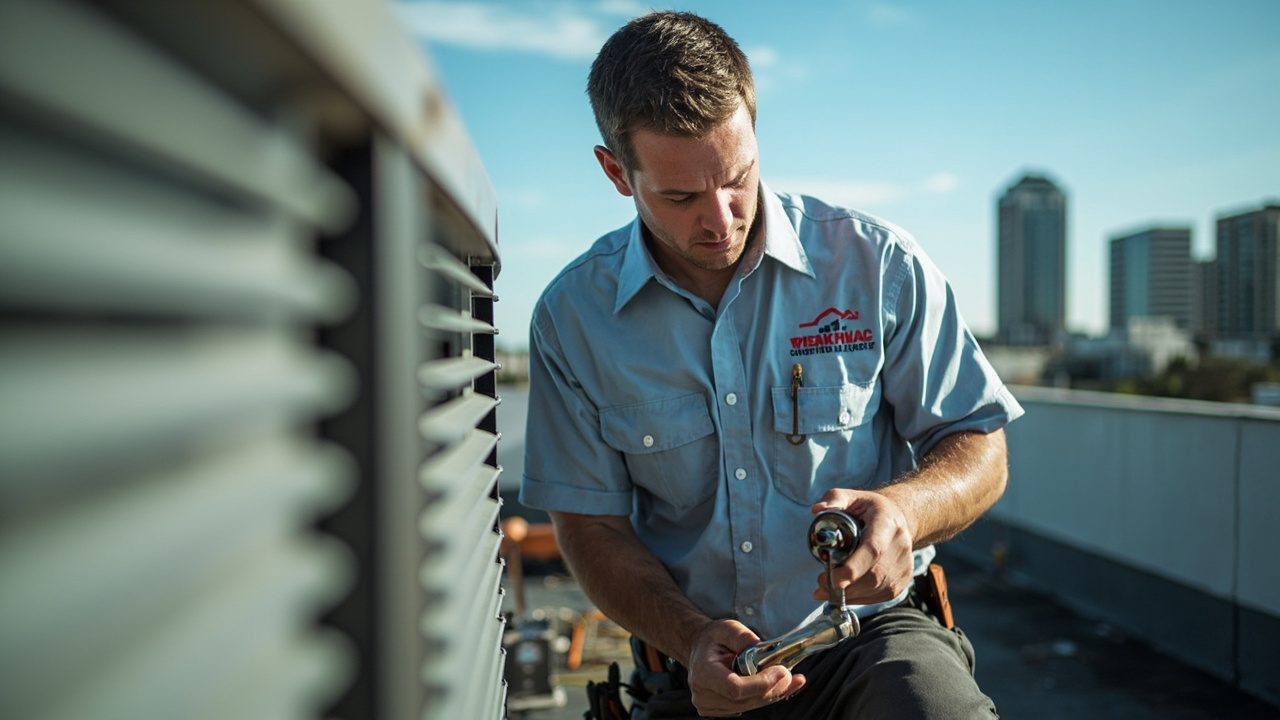
Tampa's commercial HVAC market includes everything from historic buildings in Hyde Park with retrofitted split systems to modern high-rises downtown with central chiller plants. The city enforces strict energy codes under the Florida Building Code, which requires commercial systems to meet minimum SEER ratings and ventilation standards. Facilities undergoing tenant improvements or change-of-use permits face inspections that can red-tag non-compliant equipment. Working with a contractor who understands local code requirements prevents costly delays and ensures that industrial ac repair work passes inspection on the first attempt. Peak HVAC Tampa maintains relationships with local inspectors and stays current on code amendments, giving you confidence that repairs meet both performance and regulatory standards.