Menu

Rapid Response Cooling in Tampa – Your AC Emergency Solved in Under 60 Minutes

When your air conditioning fails in Tampa's brutal heat, you need rapid response cooling that arrives fast and fixes it right. Peak HVAC Tampa dispatches certified technicians within the hour, equipped to restore your comfort before heat stress becomes a health risk.

Slider Image 1
Slider Image 2
Slider Image 3
Slider Image 4
Slider Image 5
Slider Image 7
Slider Image 8
Slider Image 9
Slider Image 10
Slider Image 11

Why AC Failures in Tampa Demand Immediate Action

Tampa's subtropical climate creates a dangerous situation when your cooling system fails. Indoor temperatures can climb to 95 degrees within two hours, turning your home into a health hazard. High humidity compounds the problem because your body cannot cool itself through sweat evaporation. Heat exhaustion symptoms begin within 30 minutes for vulnerable residents, including children, elderly adults, and anyone with respiratory conditions.

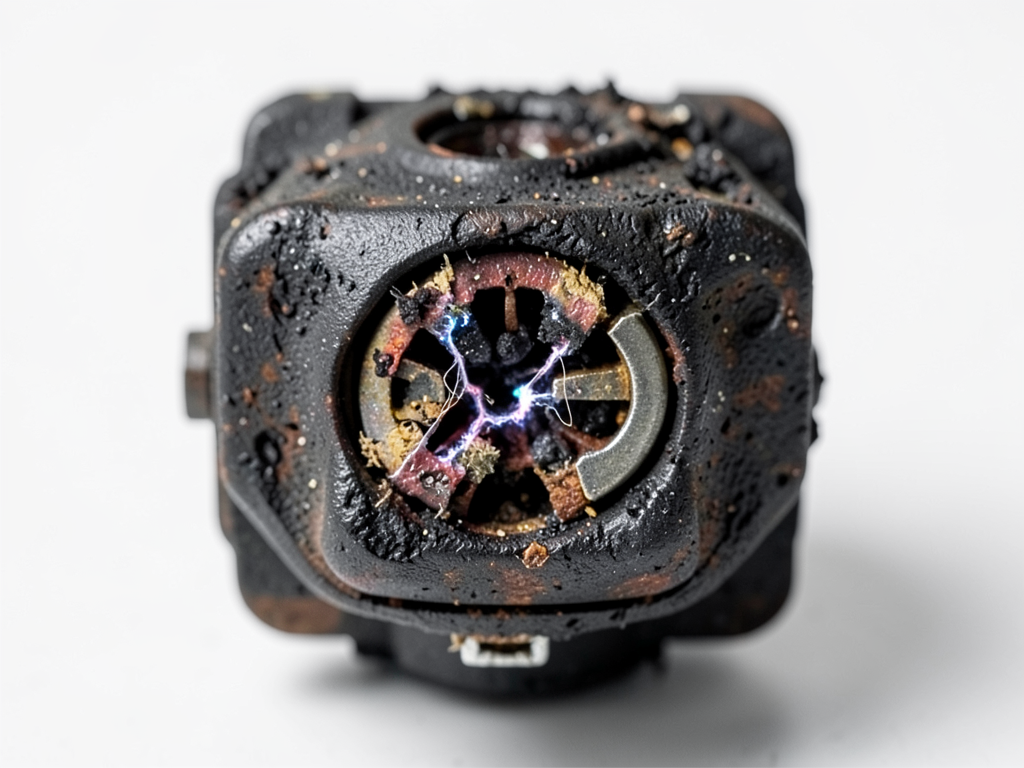
AC breakdowns spike during Tampa's hottest months from June through September, when outdoor temperatures hover between 90 and 95 degrees. The salt air from Tampa Bay accelerates corrosion on condenser coils and electrical connections, causing sudden compressor failures. Emergency AC repair becomes critical when refrigerant leaks empty your system or when electrical components fail during afternoon thunderstorms that surge through the grid.

Your cooling system works harder in Tampa than almost anywhere in the country. The combination of heat and humidity forces your compressor to run nearly continuously during peak summer. This constant strain breaks down capacitors, fan motors, and contactors without warning. When these components fail, you need urgent air conditioning service that responds immediately, not a callback two days later.

Delayed repairs create secondary problems. Humidity levels above 60 percent promote mold growth within 24 hours inside your ductwork and on drywall. Standing water from condensate line blockages damages flooring and creates electrical hazards. Every hour without cooling costs you comfort, safety, and potential property damage. Immediate AC service stops the cascade before it starts.

Why AC Failures in Tampa Demand Immediate Action
How Peak HVAC Tampa Delivers True Rapid Response Cooling

How Peak HVAC Tampa Delivers True Rapid Response Cooling

Real emergency HVAC cooling starts with dispatch, not promises. Our technicians carry fully stocked service vehicles with the components that fail most often in Tampa's climate: compressor capacitors, contactor relays, condensate pumps, and refrigerant for both R-22 and R-410A systems. When you call, we arrive with the parts needed to complete repairs on the first visit.

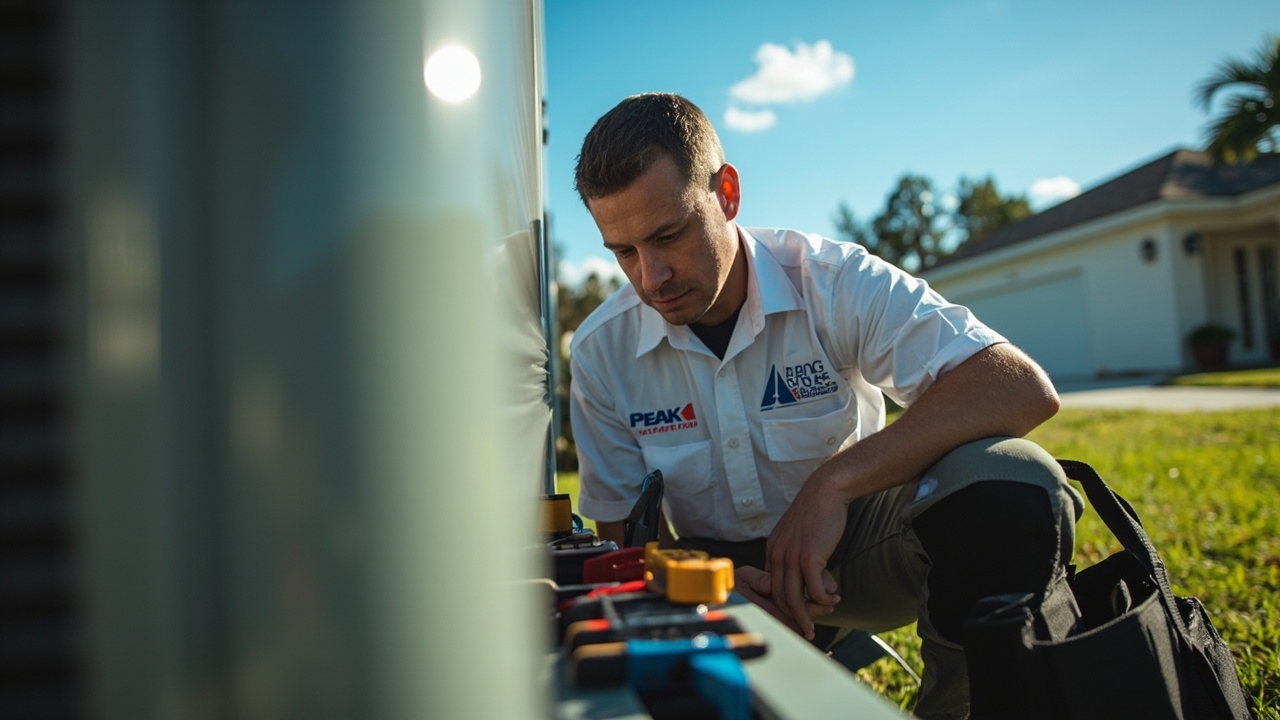
Our diagnostic protocol identifies failures fast. We test voltage at the disconnect, measure capacitance with calibrated meters, check superheat and subcooling to diagnose refrigerant issues, and inspect electrical connections for the corrosion that salt air causes. Most emergency failures trace to three systems: electrical components degraded by humidity, refrigerant leaks from vibration stress, or blocked condensate drains from algae growth. We isolate the failure point within 15 minutes.

24/7 cooling repair means arriving prepared for worst-case scenarios. Compressor failures after business hours leave you without options from most companies. We stock compressor units for the residential systems common in Tampa neighborhoods, from Seminole Heights bungalows to South Tampa estates. When a compressor fails, we provide options: temporary cooling restoration using the indoor blower as a fan, or complete compressor replacement that night if you choose to proceed.

Our technicians understand Tampa-specific failure patterns. Afternoon thunderstorms create power surges that destroy capacitors and control boards. Hurricane season forces systems to work overtime after evacuations when returning residents drop thermostats to 68 degrees. We see these patterns daily and fix them permanently, not temporarily. You get cooling restored and the root cause eliminated.

What Happens When You Call for Emergency Cooling

Rapid Response Cooling in Tampa – Your AC Emergency Solved in Under 60 Minutes
01

Immediate Dispatch

You reach a live technician coordinator, not an answering service. We identify your symptoms, assess urgency level, and dispatch the nearest available technician to your location. You receive the technician's name, estimated arrival time, and direct mobile number within five minutes of your call. Our average response time across Tampa sits at 47 minutes from call to arrival.
02

Onsite Diagnosis

The technician begins with your outdoor condenser unit, checking voltage, amperage draw, and capacitor function. We move to refrigerant pressures, measuring both high and low side to identify leaks or restriction. Indoor inspection covers the evaporator coil, blower motor, and condensate drainage. You receive a clear explanation of the failure cause and repair options before any work begins.
03

Same-Visit Restoration

Most emergency cooling failures get fixed during the initial visit because our trucks carry the inventory. We replace failed components, test system operation through a complete cooling cycle, and verify proper airflow and temperature drop across the evaporator. You feel cold air before we leave. Systems requiring parts we do not stock get temporary cooling solutions until permanent repairs happen the next business day.

Why Tampa Residents Trust Peak HVAC Tampa for Emergency Repairs

Emergency cooling is not the time to gamble on inexperience. Our technicians average eight years in the field and hold EPA Universal Refrigerant Certification required for handling both older R-22 systems and newer R-410A units. We understand the specific challenges Tampa's environment creates because we work in it daily, not occasionally.

Local knowledge matters during cooling emergencies. We know which neighborhoods have older electrical panels that trip breakers during compressor startup. We recognize the split-level homes in Palma Ceia that need zoned cooling solutions. We have worked on the historic properties in Hyde Park where ductwork runs through uninsulated attics that reach 140 degrees. This familiarity speeds diagnosis and prevents the trial-and-error approach that wastes your time.

Peak HVAC Tampa operates from Tampa, not a distant regional hub. Our technicians live in the communities we serve, from Town 'N' Country to Brandon. When flooding from summer storms blocks roads, we know alternate routes. When a hurricane approaches and residents need pre-storm system checks, we prioritize based on vulnerability, not profit. This is our community, and emergency response carries that responsibility.

Transparent pricing during emergencies builds trust. You receive a written estimate before repairs begin, with clear labor and parts costs. No hidden fees for after-hours service or weekend calls. Emergency cooling repair costs what it costs, we tell you upfront, and you decide how to proceed. Most repairs fall into predictable ranges because component failures follow patterns. Capacitors, contactors, and blower motors represent 70 percent of emergency calls, and we price them consistently.

What to Expect During Your Emergency Service Call

Response Time and Availability

Our average arrival time runs under one hour for emergency cooling calls across greater Tampa. We staff technicians around the clock, every day, including holidays. When you call at 2 a.m. because your system failed, you reach someone who dispatches immediately, not a recording promising a callback. Peak activity hours from 4 p.m. to 9 p.m. during summer see the highest volume, but we maintain capacity to respond fast even during surges. You get a two-hour arrival window, not an all-day wait. Delays only happen during major weather events that make roads impassable.

Diagnostic Process

Diagnosis begins outside at your condenser unit before moving indoors. We test electrical components first because they cause 60 percent of emergency failures in coastal climates. Multimeter readings show capacitor degradation, contactor failure, or transformer issues within minutes. Refrigerant testing follows, measuring pressures that reveal leaks, restrictions, or compressor failure. We check airflow at supply registers and inspect your filter, condensate drain, and evaporator coil access. The complete diagnostic takes 20 to 30 minutes, and you stay informed throughout. No repairs begin until you approve the written estimate.

Repair Quality and Completion

Emergency repairs meet the same quality standards as scheduled maintenance. We do not use temporary fixes or inferior parts to speed the process. Capacitors meet OEM specifications for your system. Refrigerant charging follows manufacturer superheat and subcooling targets, not guesswork. Electrical connections get cleaned, tightened, and protected against future corrosion. After repairs, we run your system through a full cooling cycle, measuring supply air temperature, verifying proper amp draw, and checking for abnormal sounds or vibrations. You receive documentation of all work performed and components replaced.

Follow-Up and Prevention

Emergency repairs reveal underlying maintenance gaps. If your capacitor failed prematurely, we explain why and what prevents recurrence. Dirty coils, clogged filters, or improper refrigerant charge accelerate component wear. We provide a written summary of your system's condition, noting any issues that need attention soon but did not cause the immediate failure. Many emergency customers transition to preventive maintenance plans that catch these problems before they fail. Regular maintenance costs less than emergency repairs, and scheduled service happens at your convenience, not at midnight when your system quits.

Frequently Asked Questions

You Have Questions,
We Have Answers

What is the $5000 AC rule? +

The $5000 AC rule refers to IRS guidance on when AC replacement qualifies as a capital improvement versus a repair. If your total HVAC work exceeds $5000 and significantly extends the unit's lifespan, it may need to be depreciated over time rather than deducted immediately. For Tampa homeowners, this matters when filing taxes after major AC replacements, which are common here due to high humidity and constant use. Always consult a tax professional to determine if your AC replacement qualifies as a repair expense or a home improvement requiring depreciation. Keep all receipts and contractor invoices.

What is the 3 minute rule for AC? +

The 3 minute rule means you should wait at least 3 minutes after your AC shuts off before restarting it. This allows refrigerant pressure to equalize throughout the system, preventing compressor damage. If you flip the breaker or thermostat too quickly, high pressure can cause the compressor to strain or fail. In Tampa's brutal heat, rushing to restart a tripped AC is tempting, but patience saves you from costly repairs. If your system trips repeatedly within minutes, shut it down and call for emergency service immediately. You have a bigger problem.

How cool should my house be if it's 100 outside? +

If it's 100 degrees outside in Tampa, your AC should maintain 75 to 78 degrees indoors. Florida's extreme humidity makes your system work harder than in dry climates. Setting your thermostat below 72 during peak heat forces your compressor to run nonstop, spiking energy bills and risking breakdown. Most systems can handle a 20 to 25 degree temperature drop from outdoor conditions. If your home cannot reach 78 degrees when it's 100 outside, your AC is undersized, low on refrigerant, or failing. That requires immediate diagnosis.

How much do HVAC technicians charge per hour? +

HVAC technicians in Tampa typically charge $75 to $150 per hour for labor, depending on experience, certification, and time of day. Emergency calls after hours, weekends, or holidays can push rates to $200 per hour or more. Flat-rate pricing is common for specific repairs like capacitor replacements or refrigerant recharges. Be wary of unusually low rates, which often signal unlicensed work or hidden fees. Always ask for upfront pricing and verify licensing. Tampa's heat demands fast, reliable service, but you should never sacrifice quality for a cheap hourly rate.

Can I write off my new AC unit on my taxes? +

You may be able to write off a new AC unit if you install energy-efficient equipment that qualifies for federal tax credits under the Inflation Reduction Act. Certain high-efficiency heat pumps or central AC systems can earn you up to $2000 in credits. For Tampa homeowners, this applies to SEER2 ratings of 16 or higher for split systems. If the AC is for a rental property, you can depreciate the cost over 27.5 years. Always consult a tax professional to confirm eligibility and documentation requirements before filing.

Is a 3 ton AC too big for 1500 square feet? +

A 3 ton AC is appropriate for 1500 square feet in Tampa if your home has average insulation, standard ceilings, and moderate sun exposure. Sizing depends on more than square footage. High ceilings, large windows, poor insulation, or west-facing walls increase cooling load. Tampa's humidity and relentless sun can push demand higher. An oversized unit short-cycles, failing to dehumidify properly, which leads to mold and discomfort. An undersized unit runs nonstop and never cools adequately. Always get a Manual J load calculation before replacement to ensure proper sizing for your specific home.

How do the amish keep cool in the summer? +

The Amish keep cool in summer using passive strategies like opening windows at night to pull in cooler air, closing shutters during peak heat, and positioning homes to catch cross breezes. They often use high ceilings, whole-house fans, and shade trees. Some communities allow gas-powered generators to run fans or small cooling units. They also adapt their schedules, working early morning or evening and resting midday. For Tampa residents facing AC failure, similar tactics can help until repairs arrive. Open windows after sunset, use box fans strategically, and block direct sun with curtains.

How long should your AC run on a 100 degree day? +

On a 100 degree day in Tampa, your AC may run 12 to 18 hours total, cycling on and off throughout the day. During peak afternoon heat, expect 20 to 30 minute run cycles with short breaks. If your system runs nonstop without reaching the set temperature, you have a problem. Continuous operation without cycling off signals low refrigerant, a failing compressor, or an undersized unit. If it short-cycles, running only 5 to 10 minutes at a time, your system is oversized or has a faulty thermostat. Both scenarios waste energy and require professional diagnosis.

Why is my AC set at 74 but reads 78? +

If your thermostat is set to 74 but reads 78, your AC cannot keep up with the cooling load. Common causes include low refrigerant from a leak, a dirty evaporator coil restricting airflow, or a failing compressor. In Tampa's heat and humidity, even a small refrigerant loss drastically reduces cooling capacity. Check your air filter first. If it's clean and the problem persists, your system needs immediate attention. A 4 degree gap means your AC is struggling. Ignoring this leads to compressor failure and a total system replacement, which costs thousands.

How long does it take to cool a house from 80 to 70? +

Cooling a Tampa home from 80 to 70 degrees typically takes 2 to 4 hours, depending on your AC size, insulation quality, and outdoor temperature. If it's 95 degrees and humid outside, expect closer to 4 hours. Smaller systems or homes with poor insulation take longer. If your AC cannot drop the temperature 10 degrees within 4 hours, you likely have low refrigerant, blocked airflow, or an undersized unit. Never set your thermostat drastically lower to speed cooling. Your AC runs at the same speed regardless, and you risk freezing the coil.

How Tampa's Humidity and Salt Air Create Unique AC Emergencies

Tampa sits at the convergence of two humidity sources: the Gulf of Mexico to the west and Tampa Bay surrounding the peninsula. This double moisture exposure keeps relative humidity above 70 percent most of the year, creating constant condensation inside AC systems. Your evaporator coil produces gallons of water daily that must drain properly, or it backs up into the air handler and floods your home. Salt particles carried inland by sea breezes settle on condenser coils and electrical connections, creating corrosion that causes sudden failures. These conditions make Tampa AC systems work harder and fail faster than units in dry climates, turning minor issues into urgent cooling emergencies overnight.

Tampa's building codes require HVAC contractors to hold state certification and maintain active licenses, but enforcement focuses on new construction, not emergency repairs. Peak HVAC Tampa exceeds baseline requirements because we built our reputation on quality, not minimum compliance. Our technicians complete ongoing training on refrigerant handling, electrical safety, and manufacturer-specific repair protocols. We belong to local trade organizations and maintain relationships with supply houses across Tampa, giving us access to parts other companies wait days to receive. When you need emergency cooling, local expertise and established relationships mean faster repairs and reliable results.


HVAC Services in The Tampa Area

Discover Peak HVAC's primary service area and easily locate our business office on the map below. We are dedicated to serving our community with top-tier heating, ventilation, and air conditioning solutions, ensuring comfort and peace of mind. Feel free to visit our location for a personal consultation or simply use the map to understand our reach and how conveniently we can serve your home or business needs.

Address:
Peak HVAC Tampa, 100 Ashley Dr S #600, Tampa, FL, 33602

Additional Services We Offer

Our news updates

Latest Articles & News from The Blogs

Ending the Thermostat War in Your Multi-Level Mirabay Home with Smart Zoning Living in a multi-level home in Mirabay means…

Ending the Thermostat War in Your Multi-Level Mirabay Home with Smart Zoning

Ending the Thermostat War in Your Multi-Level Mirabay Home with Smart Zoning Living in a multi-level home in Mirabay means…

Why Your High-End Cheval Home Might Have Poor Airflow Due to High Static Pressure

Why Your High-End Cheval Home Might Have Poor Airflow Due to High Static Pressure Your Cheval home’s air conditioning runs…

Does Your New Pool Cage in Carrollwood Village Change How Your AC Works

Does Your New Pool Cage in Carrollwood Village Change How Your AC Works Your new pool cage in Carrollwood Village…

Contact Us

Every minute without AC in Tampa's heat creates risk and discomfort. Call Peak HVAC Tampa now at (656) 237-5377 for rapid response cooling that arrives fast and fixes it right. Our technicians are dispatched and ready, carrying the parts your system needs.