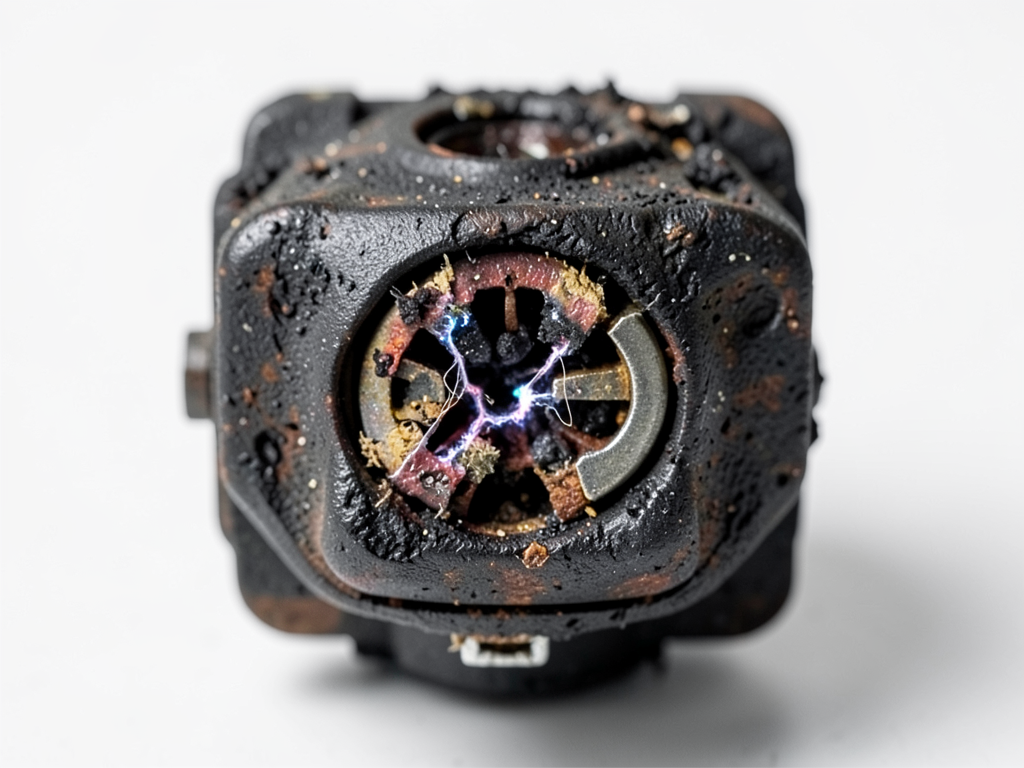
Tampa receives natural gas through distribution mains installed between 1950 and 1980. Many of these lines are cast iron or bare steel, not the corrosion-resistant materials used in modern installations. As these pipes age, internal corrosion creates rust particles that travel through the gas stream. These particles lodge in pilot orifices, causing blockages that standard cleaning cannot always clear. Additionally, Tampa's water table sits close to the surface in many neighborhoods. Groundwater seepage into aging gas mains introduces moisture that affects pressure consistency. During January and February cold snaps, when system demand peaks, pressure drops in older neighborhoods can cause pilot lights to extinguish throughout entire blocks.
Peak HVAC Tampa maintains relationships with local gas utility representatives, which gives us insight into planned maintenance and known pressure issues in specific service areas. When we diagnose pilot light problems, we know whether your neighborhood is on the list for infrastructure upgrades. This knowledge prevents us from misidentifying a system-wide pressure problem as a furnace defect. We also understand how Tampa's building codes evolved over the decades. Homes built before 1985 often have furnace installations that do not meet current ventilation requirements. Poor ventilation creates negative pressure that can pull pilot flames off thermocouples. We identify these code gaps and provide solutions that bring your system into compliance.