
Why Your High-End Cheval Home Might Have Poor Airflow Due to High Static Pressure
Your Cheval home’s air conditioning runs constantly but never quite cools every room. This hidden problem affects many homes in the 33549 zip code area near the Cheval Golf and Country Club. High static pressure in your HVAC system acts like a blood pressure issue for your home’s airflow. It forces your blower motor to work harder than designed creating hot spots noise and even complete system failure. In Tampa’s humid climate this problem becomes even more dangerous because stagnant air in ductwork creates the perfect breeding ground for mold and mildew.. Read more about Hunting Down Every Air Filter Return in Your Older Tampa Heights Bungalow.
Static pressure measures the resistance to airflow in your duct system. When your system moves air through undersized ducts dirty filters or closed vents pressure builds up. This pressure can reach dangerous levels that strain every component from the blower motor to the evaporator coil. The result is higher energy bills uncomfortable rooms and expensive repairs that could have been prevented. Energy Department duct sealing guide.
Cheval homes often face unique challenges because many were built during the housing boom with duct systems that barely meet minimum standards. When you add high-efficiency filters for better air quality or upgrade to smart thermostats that run longer cycles those undersized ducts become even more problematic. The physics are simple: more resistance means less airflow and less airflow means your expensive AC system cannot do its job properly.
What is HVAC Static Pressure? (The ‘Blood Pressure’ Analogy)
Think of your HVAC system like the human circulatory system. Your heart pumps blood through arteries and if those arteries narrow or get blocked pressure builds up. Your blower motor is the heart of your AC system and the ducts are the arteries. When static pressure gets too high it is like having high blood pressure in your home’s airflow system.
Technicians measure static pressure in inches of water column (inches w.c.). For most residential systems the ideal range is between 0.3 and 0.5 inches w.c. When pressure climbs above 0.8 inches w.c. you start seeing problems. At 1.0 inches w.c. or higher your system is essentially choking and working twice as hard for half the cooling.. Read more about Is Geothermal Cooling a Viable Option for Estates in the Avila Community.
In Florida’s humidity high static pressure creates a compounding problem. When airflow drops the evaporator coil temperature falls below freezing. Ice builds up further restricting airflow and creating a destructive cycle. The longer this continues the more likely you are to damage expensive components like the compressor or blower motor. Florida Building Code Section 403.8.
Why Static Pressure Matters in Florida’s Humidity
Tampa’s climate makes static pressure problems more severe than in drier regions. Our high humidity means the air contains more moisture which requires more energy to cool. When static pressure restricts airflow the system cannot remove moisture effectively. This leaves your home feeling clammy even when the thermostat reads the right temperature. How to Choose the Right New Air Conditioner for Your Westchase Home.
Florida Building Code Section 403.8 requires proper duct design and installation but many Cheval homes were built before these standards became strictly enforced. The combination of older construction methods salt air corrosion on metal components and our intense summer heat creates the perfect storm for static pressure issues. Troubleshooting AC Issues.
Top 7 Symptoms of High Static Pressure
Recognizing the symptoms early can save you thousands in repairs. Here are the seven most common signs that your Cheval home might have high static pressure problems:
- Excessive noise – Whistling or booming sounds from vents indicate air struggling to move through restricted spaces
- Uneven cooling – Some rooms feel like freezers while others stay uncomfortably warm
- Frequent blower motor failures – The motor works overtime and burns out prematurely
- High energy bills – Your system runs longer cycles trying to achieve the set temperature
- Frozen evaporator coils – Common in Tampa homes where humidity compounds the problem
- Increased dust accumulation – Restricted airflow means less air passes through filters
- Air leaks at duct junctions – Pressure forces air out through weak connections
The whistling sound is particularly telling. When air moves too fast through undersized ducts or past closed dampers it creates turbulence that sounds like a tea kettle. This is your system screaming for help. The booming noise often comes from pressure changes when the system cycles on and off causing ducts to expand and contract against their supports.
Common Causes: Why Your System is Struggling
Understanding what causes high static pressure helps you prevent it. Here are the most frequent culprits in Cheval homes:
| Cause | Impact on Static Pressure | Common in Cheval |
|---|---|---|
| Dirty or high-MERV filters | Can increase pressure by 0.3+ inches w.c. | Yes – many homeowners use premium filters |
| Undersized return air ducts | Creates back pressure on blower | Yes – common in homes built before 2010 |
| Closed or blocked registers | Can increase pressure by 0.5+ inches w.c. | Yes – often from furniture placement |
| Dirty evaporator coils | Adds resistance to airflow | Yes – Tampa’s humidity accelerates dirt buildup |
| Flex duct kinks or collapses | Can double pressure drop | Yes – common in attic installations |
| Poor duct design near Cheval Golf Course | Increases pressure by 0.4+ inches w.c. | Yes – many homes near the course have design issues |
High-MERV filters deserve special attention. While they capture more particles they also restrict airflow significantly. A MERV 13 filter might be great for allergies but can increase static pressure by 0.3 inches w.c. compared to a standard MERV 8 filter. In systems already borderline on duct sizing this extra resistance pushes them into the danger zone.
Flex duct problems are particularly common in Cheval’s attic spaces. The hot Florida sun combined with occasional rodent activity can cause these ducts to kink or collapse internally. You might not see the damage from outside but the pressure drop across a kinked section can be dramatic. A 10-foot section of kinked flex duct can add 0.2 inches w.c. of pressure.
How a Professional Measures Static Pressure (The Manometer Test)
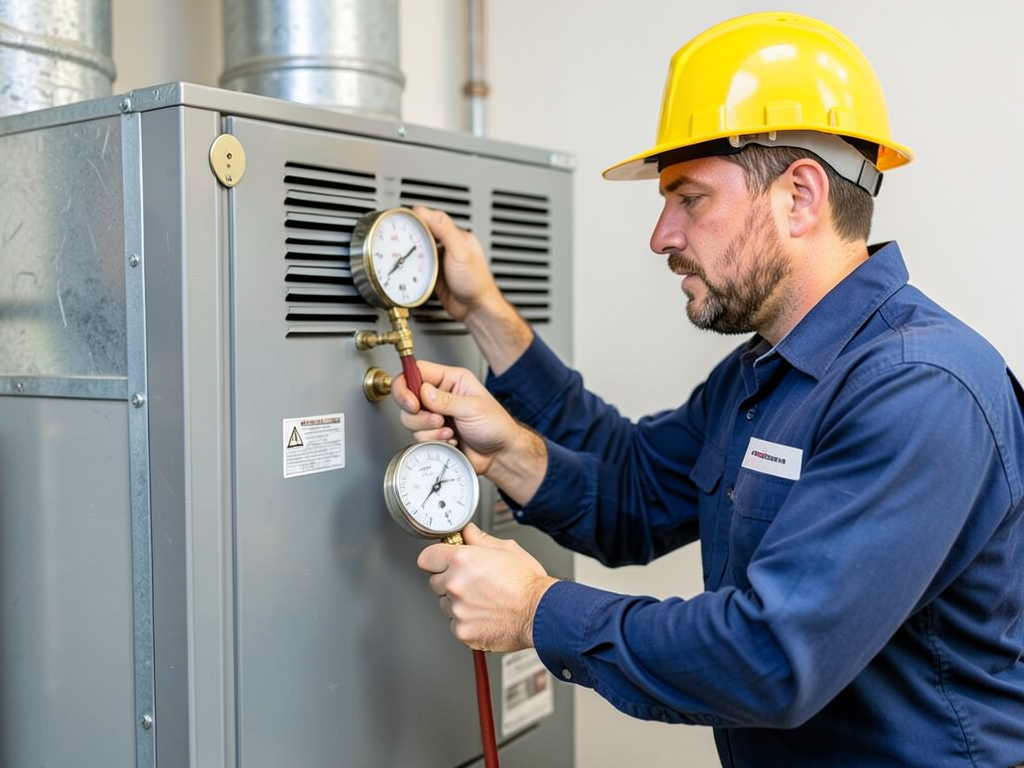
Diagnosing static pressure requires specialized tools and training. The primary instrument is a manometer which measures pressure in inches of water column. A qualified technician connects the manometer to test ports on your air handler to measure both supply and return pressure.
The process starts with measuring Total External Static Pressure (TESP) which is the sum of supply and return pressures. This gives the overall system resistance. Then the technician measures individual component pressures to identify specific problem areas. A healthy system typically shows 0.1 to 0.2 inches w.c. on supply and return sides individually totaling 0.3 to 0.4 inches w.c. TESP.
During the test the technician also checks for proper fan speed settings. Many systems are set to maximum speed by default but this can actually increase static pressure unnecessarily. Variable speed motors can adjust automatically but older systems need manual adjustment based on the pressure readings.
The manometer test takes about 30 minutes and provides concrete data about your system’s health. Without this measurement you are guessing about whether static pressure is causing your comfort problems. Many Cheval homeowners discover their systems are operating at 0.9 to 1.2 inches w.c. TESP well above the safe range. Why Most Carrollwood Homeowners Choose Local HVAC Experts Over Big Box Brands.
Solutions and Next Steps for Tampa Homeowners
Fixing high static pressure requires identifying the specific causes in your home. Sometimes the solution is simple like replacing a restrictive filter or opening closed vents. Other times it requires more extensive work like duct modifications or system upgrades.
The first step is always professional diagnosis. A technician will measure your static pressure inspect your ductwork and identify the root causes. This typically costs between $150 and $300 but can save you thousands by preventing unnecessary component replacements.
Common solutions include:
- Replacing restrictive filters with properly sized options
- Cleaning or replacing dirty evaporator coils
- Repairing or replacing damaged flex duct sections
- Adding or enlarging return air pathways
- Adjusting blower motor speeds or upgrading to variable speed
- Installing zoning systems to balance airflow
For Cheval homes with severe static pressure issues a complete duct system evaluation might be necessary. This involves measuring all ducts checking for proper sizing and identifying pressure drops across each section. The cost ranges from $500 to $1500 but provides a roadmap for permanent fixes.
Prevention is always better than repair. Regular maintenance including filter changes coil cleaning and duct inspections can catch static pressure problems before they cause damage. Many homeowners schedule these checks annually but in Tampa’s climate bi-annual service is often better. Who to Call for 24-Hour AC Service in New Tampa When the Temperature Starts Climbing.
If your system is over ten years old and showing multiple symptoms replacement might be the most cost-effective option. Modern high-efficiency systems are designed to operate at lower static pressures and include features like variable speed blowers that adapt to your home’s specific needs.
When to Call a Professional
Some static pressure issues are obvious but others require professional diagnosis. Call a qualified HVAC technician if you notice:
- Whistling or booming sounds from vents that persist for more than a few days
- Rooms that never reach the set temperature despite the system running constantly
- Ice forming on refrigerant lines or the evaporator coil
- Dust accumulation that seems excessive even with regular cleaning
- Energy bills that spike without explanation
DIY fixes like changing filters or opening vents can help minor issues but measuring and correcting static pressure requires specialized equipment and training. Incorrect adjustments can actually make problems worse by creating new pressure imbalances.
Cheval homeowners should be particularly vigilant because many homes in this area share similar construction patterns that predispose them to static pressure problems. The combination of stucco construction attic ductwork and the humid climate creates conditions where static pressure can develop gradually over years without obvious warning signs.
Don’t wait until your blower motor fails on the hottest day of the year. Static pressure problems rarely fix themselves and usually get worse over time. The cost of professional diagnosis and correction is minimal compared to emergency repairs or premature system replacement.
Call (656) 237-5377 today to schedule your static pressure evaluation. Our technicians use professional-grade manometers to measure your system’s exact pressure and provide specific recommendations for your Cheval home. Don’t let high static pressure turn your expensive AC system into an energy-wasting problem machine.
Pick up the phone and call (656) 237-5377 before the next storm hits. High static pressure combined with power fluctuations during summer thunderstorms can cause catastrophic system failures. A simple pressure check now could prevent a complete system shutdown when you need cooling most.
Frequently Asked Questions
How much does static pressure testing cost in Cheval?
Professional static pressure testing typically costs between $150 and $300 in the Cheval area. This includes measuring TESP inspecting ductwork and providing a detailed report of any issues found. Some companies offer free testing with paid repairs.
Can I measure static pressure myself with home tools?
No measuring static pressure requires specialized manometers that cost hundreds of dollars. Home tools cannot accurately measure inches of water column pressure. Additionally proper testing requires accessing sealed test ports that homeowners typically cannot reach safely.
How often should static pressure be checked?
Static pressure should be checked annually during routine maintenance or whenever you notice symptoms like unusual noises poor cooling or high energy bills. Homes with known duct issues or those using high-MERV filters should be checked more frequently ideally every six months.
Will a bigger AC unit solve static pressure problems?
No a larger AC unit will not solve static pressure problems and may actually make them worse. Static pressure is about airflow resistance in your existing ductwork not cooling capacity. The solution is fixing the duct system not upsizing the equipment. For more information, visit ASHRAE Standard 62.2.
You may also find this helpful. How Inverter AC Technology Keeps Culbreath Isles Homes Quieter and Cooler.
You may also find this helpful. Why Your Upstairs Bedrooms in Pebble Creek Feel Like a Sauna and How to Balance Them.
{
“@context”: “https://schema.org”,
“@type”: “BlogPosting”,
“headline”: “Why Your High-End Cheval Home Might Have Poor Airflow Due to High Static Pressure”,
“description”: “Discover why Cheval homes face unique static pressure problems and how to fix them. Learn diagnostic methods and solutions for better HVAC performance.”,
“wordCount”: 1975,
“datePublished”: “2026-05-29T15:30:00.000Z”,
“dateModified”: “2026-05-29T15:30:00.000Z”,
“inLanguage”: “en-US”,
“mainEntityOfPage”: {
“@type”: “WebPage”,
“@id”: “https://peakhvactampa.com”
},
“publisher”: {
“@type”: “LocalBusiness”,
“name”: “Peak HVAC Tampa”,
“url”: “https://peakhvactampa.com”
},
“author”: {
“@type”: “Organization”,
“name”: “Peak HVAC Tampa”,
“url”: “https://peakhvactampa.com”
},
“image”: {
“@type”: “ImageObject”,
“url”: “https://peakhvactampa.com/wp-content/uploads/2026/03/why-your-high-end-cheval-home-might-have-poor-airf-1.png”
}
}
{
“@context”: “https://schema.org”,
“@type”: “HVACBusiness”,
“name”: “Peak HVAC Tampa”,
“url”: “https://peakhvactampa.com”,
“address”: {
“@type”: “PostalAddress”,
“addressLocality”: “Tampa”
},
“areaServed”: {
“@type”: “City”,
“name”: “Tampa”
}
}
{
“@context”: “https://schema.org”,
“@type”: “FAQPage”,
“mainEntity”: [
{
“@type”: “Question”,
“name”: “How much does static pressure testing cost in Cheval?”,
“acceptedAnswer”: {
“@type”: “Answer”,
“text”: “Professional static pressure testing typically costs between $150 and $300 in the Cheval area. This includes measuring TESP inspecting ductwork and providing a detailed report of any issues found. Some companies offer free testing with paid repairs.”
}
},
{
“@type”: “Question”,
“name”: “Can I measure static pressure myself with home tools?”,
“acceptedAnswer”: {
“@type”: “Answer”,
“text”: “No measuring static pressure requires specialized manometers that cost hundreds of dollars. Home tools cannot accurately measure inches of water column pressure. Additionally proper testing requires accessing sealed test ports that homeowners typically cannot reach safely.”
}
},
{
“@type”: “Question”,
“name”: “How often should static pressure be checked?”,
“acceptedAnswer”: {
“@type”: “Answer”,
“text”: “Static pressure should be checked annually during routine maintenance or whenever you notice symptoms like unusual noises poor cooling or high energy bills. Homes with known duct issues or those using high-MERV filters should be checked more frequently ideally every six months.”
}
},
{
“@type”: “Question”,
“name”: “Will a bigger AC unit solve static pressure problems?”,
“acceptedAnswer”: {
“@type”: “Answer”,
“text”: “No a larger AC unit will not solve static pressure problems and may actually make them worse. Static pressure is about airflow resistance in your existing ductwork not cooling capacity. The solution is fixing the duct system not upsizing the equipment. For more information, visit ASHRAE Standard 62.2.”
}
}
]
}
{
“@context”: “https://schema.org”,
“@type”: “BreadcrumbList”,
“itemListElement”: [
{
“@type”: “ListItem”,
“position”: 1,
“name”: “Home”,
“item”: “https://peakhvactampa.com”
},
{
“@type”: “ListItem”,
“position”: 2,
“name”: “Blog”,
“item”: “https://peakhvactampa.com/blog”
},
{
“@type”: “ListItem”,
“position”: 3,
“name”: “Why Your High-End Cheval Home Might Have Poor Airflow Due to High Static Pressure”
}
]
}
{
“@context”: “https://schema.org”,
“@type”: “Service”,
“serviceType”: “HVAC”,
“provider”: {
“@type”: “LocalBusiness”,
“name”: “Peak HVAC Tampa”,
“url”: “https://peakhvactampa.com”
},
“areaServed”: {
“@type”: “City”,
“name”: “Tampa”
},
“description”: “Discover why Cheval homes face unique static pressure problems and how to fix them. Learn diagnostic methods and solutions for better HVAC performance.”
}