Menu

Outdoor Unit Not Spinning in Tampa – Expert Diagnosis Solves the Real Problem Fast

When your AC condenser fan stops spinning, you need more than a parts swap. Peak HVAC Tampa pinpoints the exact cause—from capacitor failure to motor burnout—and fixes it right the first time.

Slider Image 1
Slider Image 2
Slider Image 3
Slider Image 4
Slider Image 5
Slider Image 7
Slider Image 8
Slider Image 9
Slider Image 10
Slider Image 11

Why Your AC Condenser Fan Stopped Working in Tampa's Heat

You walk outside and notice silence. No hum. No breeze. Your outdoor unit fan not turning means your system cannot reject heat. The compressor runs but the condenser overheats. Within hours, internal pressures spike and components fail.

Tampa's brutal summer heat accelerates this failure. When ambient temperatures hit 95 degrees and your condenser fan not spinning leaves refrigerant trapped, compressor temperatures can exceed safe thresholds in under an hour. The result is a seized compressor, a refrigerant leak, or a tripped safety switch.

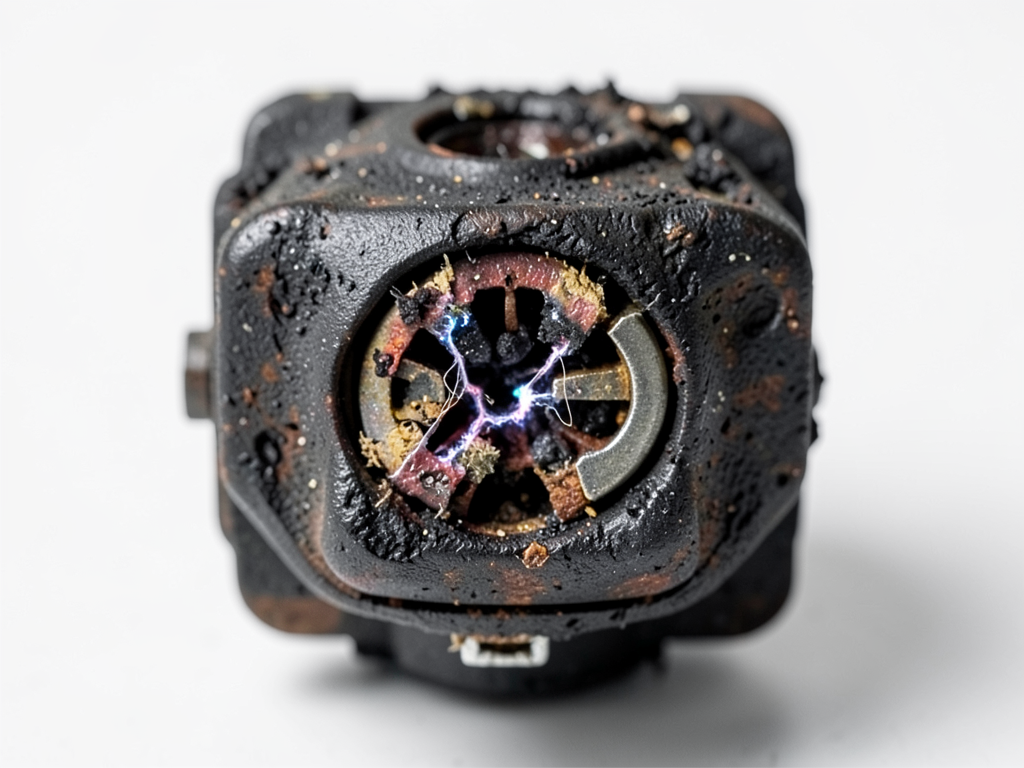
Most outdoor unit fan failures trace to three causes. Capacitors degrade faster in high heat and humidity. Tampa's year-round moisture corrodes terminals and weakens dielectric layers. A failed capacitor cannot start the motor. Second, the fan motor itself burns out. Bearings seize from dust intrusion or windings fail from electrical surges during afternoon thunderstorms. Third, debris buildup or a bent blade creates drag. The motor tries to spin but cannot overcome resistance.

When your air conditioner outdoor fan not running, you face compounding damage. The condenser coil cannot cool. Refrigerant stays superheated. The compressor works harder. High-pressure switches trip. Your indoor unit keeps running but blows warm air because the outdoor unit cannot complete the heat exchange cycle.

Ignoring an outside AC fan not turning costs you. You lose cooling capacity immediately. You risk compressor failure within days. Tampa's constant heat leaves no margin for delayed repairs.

Why Your AC Condenser Fan Stopped Working in Tampa's Heat
How We Diagnose and Repair AC Condenser Fan Failures

How We Diagnose and Repair AC Condenser Fan Failures

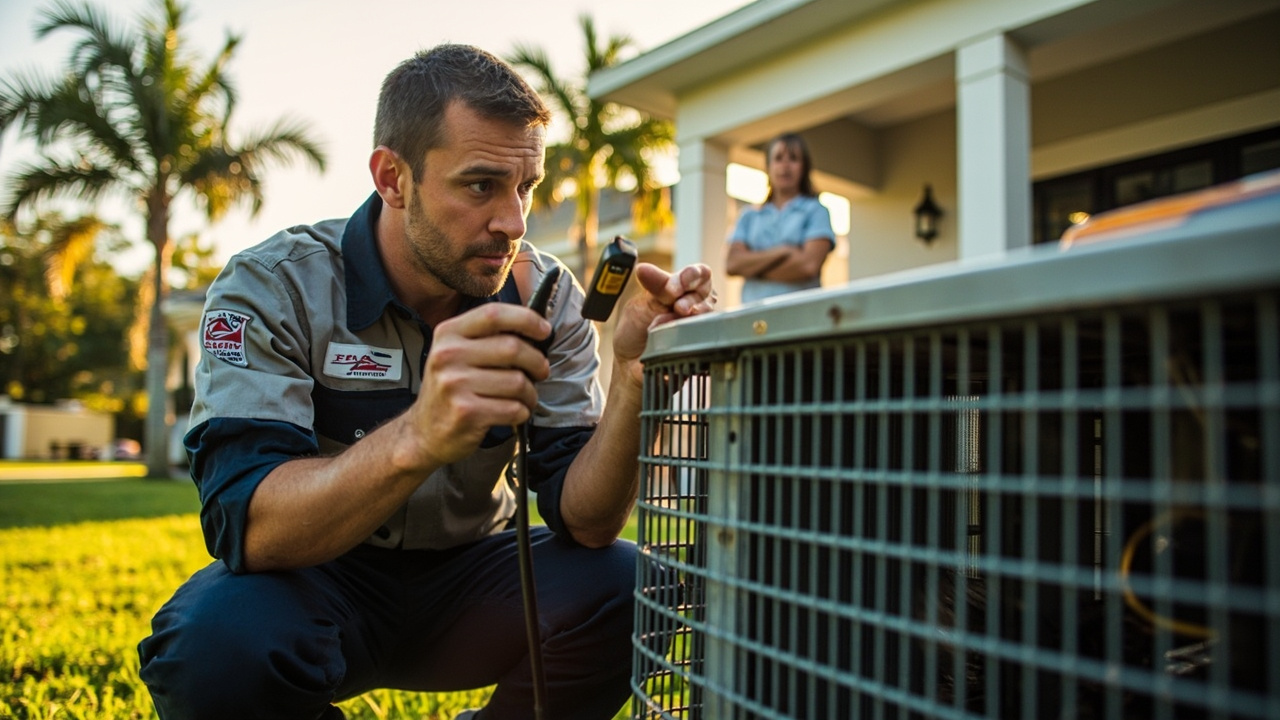
Peak HVAC Tampa does not guess. We test the electrical pathway first. Using a multimeter, we measure voltage at the contactor to confirm the control board sent power. If voltage reaches the fan motor but nothing spins, the motor or capacitor failed. If no voltage arrives, we trace the issue upstream to the thermostat, control board, or wiring.

Next, we test the capacitor. A dual-run capacitor powers both the compressor and fan motor. We measure microfarad ratings against the nameplate spec. A capacitor reading 10 percent low cannot start the motor. Bulging, leaking, or corroded capacitors get replaced immediately.

If the capacitor tests good, we inspect the motor. We spin the blade by hand. Resistance or grinding indicates seized bearings. We check continuity across motor windings. An open winding means the motor burned out. We also inspect the blade itself. Bent blades create imbalance. Cracked blades break apart at high RPM.

Tampa's sandy soil and oak pollen create another issue. Debris clogs the condenser coil and restricts airflow. The motor overheats trying to pull air through a clogged coil. We clean the coil, check amp draw, and verify the motor runs within spec.

We do not just replace parts. We identify why the part failed. If a capacitor died early, we check for voltage spikes or a failing compressor. If the motor burned out, we verify the control board is not sending inconsistent power. If debris caused the failure, we recommend a maintenance plan to prevent repeat issues.

After the repair, we monitor a full cooling cycle. We measure amperage, check capacitor performance under load, and verify airflow at the coil.

What Happens When You Call Peak HVAC Tampa

Outdoor Unit Not Spinning in Tampa – Expert Diagnosis Solves the Real Problem Fast
01

Initial System Assessment

We arrive and observe the outdoor unit while the system calls for cooling. We listen for compressor operation and verify the fan motor remains still. We check for tripped breakers, blown fuses, and visible damage to the contactor or capacitor. We measure voltage at the disconnect and confirm power reaches the unit. This gives us a diagnostic starting point before we open any panels.
02

Component Testing and Diagnosis

We remove the top panel and access the electrical components. Using a multimeter and clamp meter, we test the capacitor, contactor, and fan motor. We measure resistance, continuity, and amperage. We manually spin the fan blade to check for bearing failure or obstruction. We inspect wiring for corrosion or loose connections. This step isolates the failed component and confirms the diagnosis before we order or install parts.
03

Repair and Performance Verification

We replace the failed component and restore the system to operation. We monitor a full cooling cycle and measure amp draw to confirm the motor runs within manufacturer specs. We verify airflow at the coil and check refrigerant pressures to ensure the compressor operates safely. We clean the condenser coil if debris contributed to the failure. You get a system that cools correctly and operates efficiently.

Why Tampa Homeowners Trust Peak HVAC for Condenser Fan Repairs

Tampa's climate kills HVAC components faster than most regions. High humidity corrodes electrical connections. Salt air from the Gulf accelerates rust on fan blades and motor housings. Daily thunderstorms cause power surges that weaken capacitors and burn out contactors. Peak HVAC Tampa understands these failure patterns because we see them every day.

We stock high-quality capacitors and fan motors designed for Florida's harsh conditions. We do not install bargain parts that fail again in six months. We use components rated for high ambient temperatures and saltwater environments. This extends lifespan and reduces callback rates.

Our technicians know Tampa's building codes and permitting requirements. Any electrical work involving the outdoor unit must comply with local standards. We pull permits when required and ensure all work passes inspection. Unlicensed repairs or DIY fixes often violate code and create liability issues during home sales or insurance claims.

We also understand Tampa's neighborhood-specific challenges. Homes near the bay deal with saltwater corrosion. Properties near construction sites face increased dust intrusion. Older homes in Seminole Heights or Hyde Park often have undersized electrical panels that trip under load. Newer developments in New Tampa or Westchase use builder-grade equipment prone to early failure. We adjust our diagnostic approach based on where you live and what equipment you have.

Choosing a local contractor means faster response times. We do not dispatch from Lakeland or St. Petersburg. Our trucks operate throughout Hillsborough County. You call in the morning and we arrive the same day. You do not wait three days while your compressor overheats and fails.

What You Can Expect During the Repair Process

Same-Day Service Availability

Most condenser fan repairs take two to four hours from arrival to completion. We stock common capacitors and fan motors on every truck. If your motor requires a specialized part, we source it locally and return the same day or next morning. Emergency calls get priority scheduling. When your outdoor unit stops spinning during a 95-degree afternoon, we understand the urgency. You get a firm arrival window and a phone call when the technician is en route.

Thorough Electrical and Mechanical Testing

We do not replace the capacitor and leave. We test every component in the electrical path. We measure voltage at the contactor, check amperage at the compressor and fan motor, and verify the control board sends consistent signals. We inspect the condenser coil for blockages and the fan blade for damage. This approach catches secondary issues before they cause another failure. You get a complete picture of your system's health and a repair that addresses the root cause.

Verified Cooling Performance

After the repair, we run the system through a full cooling cycle. We measure supply and return air temperatures to verify adequate heat removal. We check refrigerant pressures and superheat to confirm the compressor operates within safe parameters. We listen for abnormal sounds and vibration. We verify the fan motor starts smoothly and runs quietly. You do not just get a spinning fan. You get confirmed cooling performance and peace of mind that the system operates correctly.

Maintenance Recommendations and Follow-Up

We explain what caused the failure and how to prevent it. If a clogged coil contributed to motor overload, we recommend quarterly cleanings. If power surges damaged the capacitor, we discuss whole-home surge protection. If the motor failed due to age, we provide a timeline for other components likely to fail soon. You get actionable information that extends system lifespan. We also schedule a follow-up check 30 days after major repairs to ensure everything still operates correctly.

Frequently Asked Questions

You Have Questions,
We Have Answers

Why is my outside unit not spinning? +

Your outside unit may not spin due to a failed capacitor, which stores electrical charge to start the motor. Tampa's high heat accelerates capacitor degradation. A tripped breaker or blown fuse cuts power to the unit. The contactor, which sends voltage to the fan motor, can weld shut or fail. A seized fan motor from debris buildup or age prevents spinning. The thermostat may not signal the system correctly. In rare cases, a failed control board stops communication. Tampa's humidity and salt air from the Gulf corrode electrical connections, creating resistance that blocks motor operation. Professional diagnosis identifies the exact cause.

What is the problem if the fan is not spinning? +

A non-spinning fan typically indicates capacitor failure, motor burnout, or electrical issues. The capacitor provides the voltage boost needed to start the motor. When it fails, the motor hums but doesn't turn. A seized motor from rust or debris requires replacement. Faulty wiring or loose connections disrupt power flow. The contactor may fail to close the circuit. Tampa's extreme summer heat stresses capacitors and motors beyond their rated lifespan. Dirt and oak pollen clog fan blades, increasing resistance. If the fan doesn't spin, the condenser cannot release heat, causing compressor overheating and potential system damage.

Why is my AC unit making a sound but not spinning? +

A humming sound without spinning indicates electrical current reaches the motor, but mechanical failure prevents rotation. The capacitor likely failed, so the motor receives power but lacks starting torque. A seized bearing from corrosion or lack of lubrication creates friction that stops blade movement. Debris lodged in the fan housing blocks rotation. The fan motor windings may be partially shorted, creating sound without sufficient magnetic force. Tampa's sandy environment and humidity accelerate bearing wear. The compressor runs because it uses a separate starting mechanism. Never ignore this symptom. The motor overheats quickly, causing permanent damage within hours.

Should I turn off my AC if the fan isn't spinning? +

Yes, turn off your AC immediately if the fan isn't spinning. The condenser fan removes heat from refrigerant passing through the coil. Without airflow, the compressor overheats and can fail within hours. Compressor replacement often costs thousands and may not be worth it on older systems. Tampa's 95-degree summer days accelerate overheating. Running the system without fan operation builds refrigerant pressure, stressing seals and valves. Switch off the breaker at the electrical panel, not just the thermostat. This protects the compressor and prevents electrical fires from overheated wiring. Call a technician before restarting the system.

How much does it cost to fix a AC fan not spinning? +

Repair costs vary by component. Capacitor replacement typically runs between affordable and moderate pricing. Fan motor replacement costs more due to parts and labor. Contactor replacement falls in the lower range. A seized motor with bearing damage may need a full motor assembly. If the control board failed, expect higher costs. Tampa's salt air corrosion sometimes requires extra electrical repairs. Age matters. Units over 12 years old may need multiple parts, making total replacement more economical. Most technicians provide diagnostic fees that apply toward repair. Get a written estimate before authorizing work to avoid surprise costs.

How do you reset your outside AC unit? +

To reset your outside unit, locate the breaker panel and flip the AC breaker to off. Wait three minutes to allow capacitors to discharge and refrigerant pressure to equalize. Flip the breaker back on. Go to your thermostat and switch it to off, then wait two minutes. Set it back to cool mode and lower the temperature five degrees. Listen for the compressor and fan to start. In Tampa's heat, resets sometimes clear minor electrical glitches. If the fan still doesn't spin after reset, the problem is mechanical or electrical component failure, not a temporary fault. Professional diagnosis is necessary.

How do I know if my fan motor is blown? +

A blown fan motor shows specific symptoms. The motor hums loudly without turning, indicating seized bearings or internal failure. You smell burning plastic or metal near the outdoor unit. The motor housing feels extremely hot to touch. The fan blades spin freely by hand when power is off, ruling out debris blockage. If blades are hard to turn, bearings seized. The capacitor tests good with a multimeter, eliminating that variable. Tampa's year-round operation shortens motor lifespan compared to cooler climates. Motors rated for 15 years often fail at 10 years in Florida heat. A technician confirms motor failure with voltage and resistance testing.

Can you spray WD-40 in a fan motor? +

No, never spray WD-40 in a fan motor. WD-40 is a solvent, not a lubricant, and attracts dirt that accelerates bearing wear. It breaks down existing grease, causing faster failure. Modern condenser fan motors are sealed and do not require lubrication. Older motors with oil ports need specific electric motor oil, not WD-40. Spraying WD-40 near electrical components creates fire risk. Tampa's humidity makes DIY lubrication ineffective within days. If your motor sounds dry or squeals, it needs professional evaluation. Attempting WD-40 fixes often voids manufacturer warranties. The motor likely needs replacement, not temporary lubrication that masks underlying failure.

How do I make my fan spin again? +

You cannot safely make the fan spin again without identifying the root cause. If the capacitor failed, replacing it restores function. If the motor seized, you need a new motor. Debris blocking blades requires cleaning and inspection. Electrical issues need proper diagnosis and repair. Tampa homeowners sometimes try manually spinning blades, which damages motors and risks electrical shock. The fan stopped for a specific mechanical or electrical reason. Forcing it to spin without repair causes further damage. Professional technicians test voltage, capacitance, and motor windings to determine the fix. Attempting DIY repairs on live electrical equipment is dangerous and violates most homeowner insurance policies.

What is the $5000 rule for AC? +

The 5000 rule estimates replacement versus repair decisions. Add your system's age to the repair cost in hundreds. If the total exceeds 5000, replacement makes more financial sense. For example, a 12-year-old unit needing a 1200-dollar repair equals 1200 plus 12, or 1212. That's below 5000, so repair is reasonable. A 15-year-old unit needing 2000 in repairs equals 2015, still under 5000 but borderline. Tampa's year-round AC use accelerates wear, making age more critical. This rule is a guideline, not gospel. Factor in efficiency gains, refrigerant type, and utility costs when deciding between repair and replacement.

How Tampa's Gulf Coast Climate Accelerates Condenser Fan Failures

Tampa sits less than 15 miles from the Gulf of Mexico. Salt-laden air corrodes aluminum fan blades and motor housings faster than inland areas. Capacitors degrade quicker in constant humidity. Daily afternoon thunderstorms cause voltage fluctuations that stress electrical components. Homeowners near the bay in South Tampa or Davis Islands face accelerated corrosion. Properties farther inland in Carrollwood or Town 'N' Country deal with oak pollen and dust that clogs condenser coils and overloads fan motors. These conditions make outdoor unit failures more common in Tampa than drier climates.

Peak HVAC Tampa operates exclusively in Hillsborough County. We understand the permitting process through the City of Tampa and the county building department. We know which neighborhoods have older electrical panels prone to breaker trips and which developments installed undersized units that fail prematurely. Local expertise matters when diagnosing why your AC condenser fan not working. A technician unfamiliar with Tampa's salt air, afternoon storms, and soil conditions may misdiagnose the problem or recommend a generic fix that fails again in months. We tailor our repairs to Tampa's environment.


HVAC Services in The Tampa Area

Discover Peak HVAC's primary service area and easily locate our business office on the map below. We are dedicated to serving our community with top-tier heating, ventilation, and air conditioning solutions, ensuring comfort and peace of mind. Feel free to visit our location for a personal consultation or simply use the map to understand our reach and how conveniently we can serve your home or business needs.

Address:
Peak HVAC Tampa, 100 Ashley Dr S #600, Tampa, FL, 33602

Additional Services We Offer

Our news updates

Latest Articles & News from The Blogs

Ending the Thermostat War in Your Multi-Level Mirabay Home with Smart Zoning Living in a multi-level home in Mirabay means…

Ending the Thermostat War in Your Multi-Level Mirabay Home with Smart Zoning

Ending the Thermostat War in Your Multi-Level Mirabay Home with Smart Zoning Living in a multi-level home in Mirabay means…

Why Your High-End Cheval Home Might Have Poor Airflow Due to High Static Pressure

Why Your High-End Cheval Home Might Have Poor Airflow Due to High Static Pressure Your Cheval home’s air conditioning runs…

Does Your New Pool Cage in Carrollwood Village Change How Your AC Works

Does Your New Pool Cage in Carrollwood Village Change How Your AC Works Your new pool cage in Carrollwood Village…

Contact Us

Your outdoor unit should be running right now. Every hour you wait risks compressor damage and higher repair costs. Call Peak HVAC Tampa at (656) 237-5377 for same-day service. We diagnose the problem correctly and fix it right the first time.