Menu

HVAC Maintenance & Tune-Ups in Tampa – Protect Your Investment from Florida's Humidity and Heat

Regular HVAC preventative maintenance extends equipment life, prevents costly breakdowns during peak cooling season, and keeps your system running efficiently through Tampa's demanding climate conditions year-round.

Slider Image 1
Slider Image 2
Slider Image 3
Slider Image 4
Slider Image 5
Slider Image 7
Slider Image 8
Slider Image 9
Slider Image 10
Slider Image 11

Why Your HVAC System Works Harder in Tampa Than Almost Anywhere Else

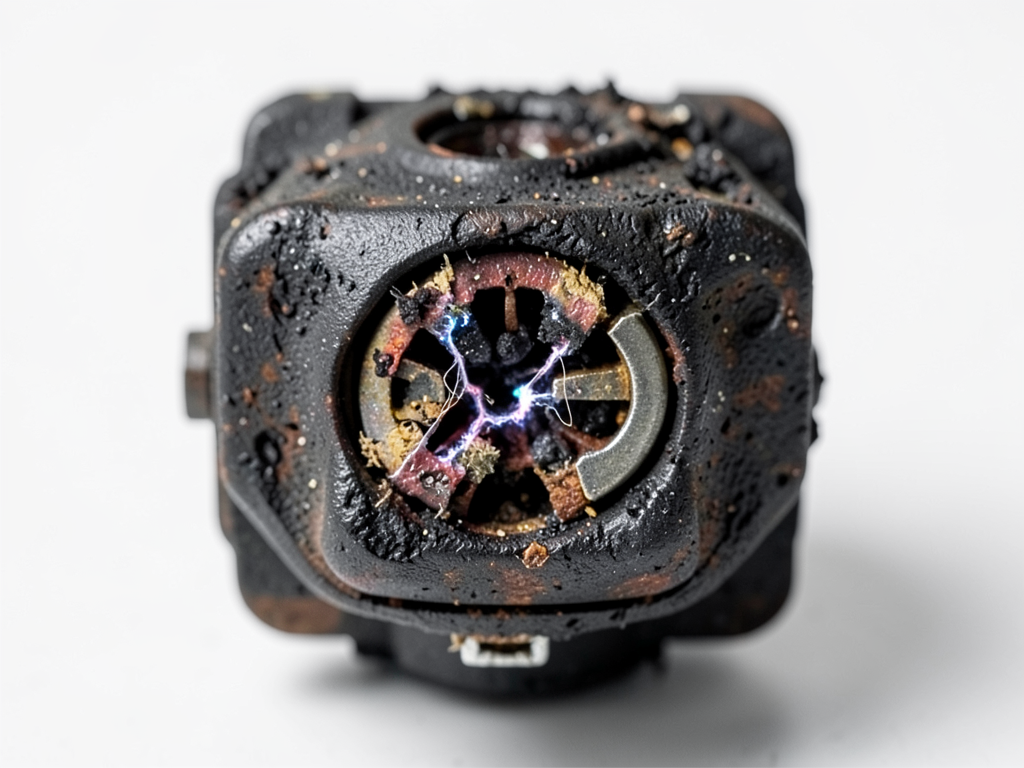
Tampa's climate puts extraordinary stress on heating and cooling systems. Your AC runs nearly eight months a year fighting 90-degree heat and 70-plus percent humidity. That moisture infiltrates ductwork, breeds mold on coils, and corrodes electrical connections faster than in drier climates. Salt air from the bay accelerates metal corrosion on outdoor condenser units. Afternoon thunderstorms flood condensate drains. Lizards nest in disconnect boxes. The combination creates maintenance demands you would not face in Phoenix or Denver.

Most Tampa homeowners run their systems 3,000 to 4,000 hours annually. A seasonal HVAC check up catches the small problems before they cascade into expensive failures. A clogged condensate line costs nothing to clear during routine maintenance but floods your ceiling and destroys drywall when it backs up at 11 PM on a Saturday. Dirty coils reduce efficiency by 30 percent and force your compressor to work harder, shortening its lifespan by years.

The clay soil common throughout Hillsborough County shifts with wet and dry seasons, stressing ductwork connections and creating air leaks that waste conditioned air. Your system compensates by running longer cycles, which increases wear on components and drives up your electric bill. A proper AC and furnace maintenance visit identifies these issues before they become expensive problems.

Peak HVAC Tampa understands the specific challenges your equipment faces in this environment. We know which components fail first in coastal humidity, where mold grows fastest in your system, and how to protect your investment from Tampa's unique climate stressors.

Why Your HVAC System Works Harder in Tampa Than Almost Anywhere Else
What a Real HVAC System Inspection Looks Like

What a Real HVAC System Inspection Looks Like

A heating and cooling tune up is not a quick visual check and filter swap. It requires methodical testing of electrical systems, refrigerant pressures, airflow volumes, and mechanical components under load conditions.

We start by measuring static pressure across your duct system to identify restrictions that force your blower motor to work harder. We test capacitors with a multimeter because weak capacitors cause compressor failures. We measure superheat and subcooling to verify your refrigerant charge is correct, not just adequate. Most companies eyeball the sight glass. We use manifold gauges and temperature probes to get accurate readings.

Your condenser coils get cleaned with specialized coil cleaner and a pressure washer, not just blown off with compressed air. We inspect electrical connections with a thermal camera to find hot spots before they cause failures. We test your thermostat calibration with a separate temperature gauge. We verify your condensate drain flows freely and treat it with tablets that prevent algae growth in Tampa's humidity.

Blower wheel cleaning matters more here than in dry climates because humidity makes dust stick to blades, creating an imbalance that destroys bearings. We pull the blower assembly and clean it properly. We check your evaporator coil for mold growth and treat it if needed. We test your crankcase heater and defrost board if you have a heat pump.

The difference between basic maintenance and thorough HVAC preventative maintenance is the difference between checking if something works today and ensuring it will work reliably for the next six months. Peak HVAC Tampa performs the detailed work that prevents callbacks and premature failures.

How We Complete Your Maintenance Visit

HVAC Maintenance & Tune-Ups in Tampa – Protect Your Investment from Florida's Humidity and Heat
01

System Performance Testing

We begin every visit by running your system through a complete cooling or heating cycle while measuring temperatures, pressures, and electrical draws. This baseline data tells us immediately if your system operates within manufacturer specifications or shows early signs of component stress. We compare these readings to previous visits to track performance trends over time.
02

Component Inspection and Cleaning

Our technicians systematically inspect and service each component. We clean coils, check electrical connections, test capacitors, verify refrigerant charge, clear drain lines, lubricate motors, inspect ductwork connections, and replace air filters. We document any parts showing wear so you can plan for replacement before they fail. Everything gets photographed and recorded in your service history.
03

Performance Verification and Reporting

After completing all service tasks, we run your system again and verify all measurements fall within optimal ranges. You receive a detailed report showing what we found, what we fixed, and any recommendations for future attention. We explain everything in plain language and answer your questions. You know exactly where your system stands and what to expect over the coming months.

Why Tampa Homeowners Choose Peak HVAC Tampa for Maintenance

Maintaining HVAC equipment in Tampa requires understanding how this climate destroys components. Generic maintenance checklists written for national audiences miss the issues that matter here. You need technicians who know that condensate drains clog faster in high humidity, that salt air corrodes copper lines, that afternoon storms flood rooftop units, and that mold grows on coils within weeks of cleaning them.

Peak HVAC Tampa technicians live in the same neighborhoods you do. We see the same humidity problems, deal with the same afternoon thunderstorms, and understand the electrical demands of running AC nearly year-round. We know which brands hold up best in coastal conditions. We know that homes near the bay need more frequent coil cleaning. We know that older homes in Seminole Heights and Hyde Park have ductwork in unconditioned attics where 140-degree temperatures cook the insulation.

We also understand Tampa's building characteristics. Many homes here were built during the 1970s construction boom with minimal duct insulation and undersized returns. Homes in newer developments like New Tampa and South Shore often have ductwork runs exceeding 40 feet, which creates static pressure problems that standard maintenance visits miss. Historic districts like Ybor City present access challenges for equipment tucked into tight spaces or vintage homes with plaster walls.

Our maintenance visits address these local realities. We check for problems that only happen in Tampa's climate. We service equipment with an understanding of how long it needs to last in these conditions. We recommend upgrades and repairs based on what actually fails here, not what fails in Atlanta or Dallas.

Choosing a local company means choosing technicians who understand your specific equipment challenges. We have maintained thousands of systems throughout Hillsborough County and know what works in this environment.

What You Get with Regular HVAC Maintenance

Scheduled Service When You Need It

We schedule maintenance appointments during spring and fall when demand is lower and we can give your system the time it deserves. Most Tampa homeowners schedule visits in April before cooling season begins and again in November before heating season starts. This timing catches problems before you need your system most. We offer flexible scheduling, including evenings and weekends. Our technicians arrive on time with all necessary tools and parts to complete your service in one visit. You do not wait weeks for an appointment or sit home all day hoping someone shows up.

Comprehensive System Evaluation

Every maintenance visit includes detailed testing and inspection of all system components. We use calibrated instruments to measure refrigerant pressures, electrical draws, temperature splits, and airflow volumes. We inspect ductwork for leaks, test thermostat operation, verify proper drainage, and examine all electrical connections. You receive a written report documenting what we found and what we did. We explain any issues in plain language and provide recommendations for repairs or upgrades. Nothing gets hidden or glossed over. You know exactly where your system stands.

Improved Efficiency and Reliability

Regular maintenance keeps your system running at peak efficiency. Clean coils transfer heat better. Proper refrigerant charge reduces compressor strain. Lubricated motors run smoother. Clear drain lines prevent water damage. These improvements reduce your electric bills and extend equipment life. More importantly, maintained systems break down less often. You avoid emergency repair calls during the hottest days of summer or the coldest nights of winter. Your family stays comfortable because your system works when you need it most. That peace of mind is worth more than the cost of maintenance.

Ongoing System Documentation

We maintain detailed service records for every system we service. These records track performance trends over time and help identify developing problems before they cause failures. When you call with a concern, we can reference previous visits to understand what has changed. This documentation also proves valuable when selling your home because it shows prospective buyers that the HVAC system has been professionally maintained. We keep these records indefinitely so you always have access to your complete service history regardless of how long you have lived in your home.

Frequently Asked Questions

You Have Questions,
We Have Answers

How much should a HVAC tune-up cost? +

HVAC tune-up costs in Tampa typically range from $75 to $200 per system, depending on the scope of service and your equipment type. Many contractors offer seasonal specials or maintenance plan memberships that reduce per-visit costs. In Tampa's humid subtropical climate, where systems run nearly year-round, regular tune-ups prevent expensive breakdowns and maintain efficiency. Factors affecting price include whether you need heating and cooling checked, refrigerant level assessment, and if the technician finds minor repairs during inspection. Avoid suspiciously cheap offers that skip critical checks. Quality preventive maintenance pays for itself through lower energy bills and fewer emergency calls.

What does a HVAC tune-up include? +

A comprehensive HVAC tune-up includes inspecting and cleaning condenser coils, checking refrigerant levels and pressures, testing thermostat calibration, tightening electrical connections, lubricating moving parts, inspecting the condensate drain line, replacing or cleaning air filters, examining blower components, and testing system startup and shutdown cycles. In Tampa, technicians pay special attention to moisture-related issues since high humidity clogs drain lines and promotes mold growth inside air handlers. The service also includes checking ductwork for leaks, measuring airflow, and inspecting safety controls. A good technician documents findings and explains any concerns about your system's performance or efficiency before you face a breakdown.

What is the $5000 rule for HVAC? +

The $5000 rule helps you decide between repairing or replacing your HVAC system. Multiply the age of your equipment by the repair cost estimate. If the total exceeds $5000, replacement usually makes better financial sense than repairing. For example, if your 12-year-old AC needs a $500 compressor repair, that equals $6000, suggesting replacement. In Tampa's climate, where systems work harder due to constant cooling demands and salt air corrosion near coastal areas, this rule helps you avoid throwing money at aging equipment. Factor in efficiency gains from newer models, which can cut your electric bills significantly given Tampa's extended cooling season.

Is a HVAC tune-up worth it? +

Yes, HVAC tune-ups are worth the investment in Tampa. Your system runs nearly 10 months per year in this climate, creating intense wear on components. Regular maintenance prevents 95% of breakdowns, extends equipment life by 5 to 15 years, maintains energy efficiency, and keeps manufacturer warranties valid. Tampa's humidity accelerates corrosion and promotes mold growth, issues tune-ups catch early. The service typically costs $75 to $200 but prevents emergency repairs that run $300 to $1500. Clean coils and proper refrigerant levels can reduce cooling costs by 15% to 20%. Skipping maintenance voids most warranties and guarantees expensive failures during summer peaks.

What does HVAC maintenance include? +

HVAC maintenance includes all tune-up services plus seasonal preparation for both heating and cooling modes. Technicians inspect heat exchangers for cracks, test ignition systems, clean burner assemblies, check gas connections, verify proper ventilation, examine indoor and outdoor coil cleanliness, test capacitors and contactors, measure amp draw on motors, inspect ductwork for air leaks, verify proper insulation on refrigerant lines, and ensure drain pans and lines flow freely. In Tampa, where cooling dominates but occasional heating is needed, maintenance focuses heavily on moisture control, preventing algae in drain lines, and ensuring coils stay clean despite pollen and humidity. Biannual service catches small problems before they escalate.

What is the 3 minute rule for AC? +

The 3 minute rule prevents compressor damage by requiring a minimum wait time between cooling cycles. When your AC shuts off, high pressure remains in the refrigerant lines. Restarting immediately forces the compressor to work against this pressure, causing strain and potential failure. Modern thermostats enforce this delay automatically. In Tampa's climate, where your AC cycles frequently during hot months, this protection is critical. If you notice your system short-cycling with less than 3 minutes between starts, you have a problem requiring immediate attention. Short-cycling wastes energy, fails to dehumidify properly, and dramatically shortens compressor life, often leading to expensive replacements.

What are the four types of maintenance HVAC? +

The four types of HVAC maintenance are preventive, predictive, corrective, and emergency. Preventive maintenance includes scheduled tune-ups and filter changes to prevent failures. Predictive maintenance uses diagnostics and performance data to identify components nearing failure before they break. Corrective maintenance addresses minor issues found during inspections before they worsen. Emergency maintenance responds to unexpected breakdowns. In Tampa, where system failures during summer create genuine health risks due to heat and humidity, focusing on preventive and predictive maintenance keeps you comfortable and avoids crisis situations. Most homeowners benefit from biannual preventive service in spring and fall, catching problems before peak demand seasons stress aging components.

What is the average cost of a full tune up? +

A full HVAC tune-up in Tampa typically costs $150 to $200 when covering both heating and cooling components. Single-system tune-ups run $75 to $125. Maintenance plan memberships often reduce this to $100 to $150 annually while including priority service and repair discounts. The price includes labor, inspection, cleaning, minor adjustments, and a performance report. Additional costs arise only if you need repairs, refrigerant, or parts replacement. Given Tampa's year-round system usage and humidity challenges that accelerate wear, this investment prevents breakdowns and maintains efficiency. Many companies offer spring and fall specials. Compare what each service includes since some contractors skip critical checks to offer lower prices.

How long does a HVAC tune up take? +

A thorough HVAC tune-up takes 60 to 90 minutes per system. Split systems with separate indoor and outdoor units require more time than package units. If the technician finds issues requiring attention or if your system has significant dirt buildup from Tampa's pollen and humidity, the service may extend to 2 hours. Companies offering 20-minute tune-ups skip essential checks. A quality technician inspects electrical connections, cleans coils, checks refrigerant, tests safety controls, examines ductwork, and measures system performance. They should explain findings and answer questions. Faster visits sometimes indicate rushed work. Expect longer service times if you have multiple zones or complex equipment.

What is the average lifespan of an HVAC? +

HVAC systems in Tampa typically last 10 to 15 years with proper maintenance, shorter than the national average of 15 to 20 years. Tampa's extended cooling season, high humidity, salt air near coastal areas, and constant operation accelerate wear on components. Air conditioners work harder here than heating systems do in northern climates. Systems without regular maintenance often fail at 8 to 10 years. Quality installation, biannual tune-ups, prompt repairs, and proper sizing significantly impact lifespan. High-efficiency equipment sometimes has shorter lifespans due to complex electronics but saves substantially on energy costs. Plan for replacement when systems exceed 12 years and require frequent repairs.

How Tampa's Year-Round Cooling Demands Make HVAC Maintenance Critical

Most parts of the country give HVAC systems a break. Tampa does not. Your AC runs from March through November, logging twice as many operating hours as systems in northern climates. This extended runtime accelerates wear on every moving part. Compressors cycle more frequently. Blower motors run longer. Contactors open and close thousands more times. Capacitors degrade faster in heat. The result is that Tampa HVAC systems need more frequent maintenance than equipment elsewhere. Components that last 15 years in moderate climates fail in 10 years here. Regular seasonal check ups catch wear before it causes expensive failures.

Peak HVAC Tampa has maintained systems throughout the greater Tampa metro for years. We understand local code requirements, know which equipment brands hold up best in coastal humidity, and recognize the signs of salt air corrosion before it becomes critical. Our technicians work in neighborhoods from Westchase to Brandon, from Carrollwood to Riverview. We know the equipment challenges in older South Tampa homes differ from those in newer Fishhawk developments. Choosing a local company means choosing technicians who understand your specific maintenance needs, not generic procedures designed for national audiences.


HVAC Services in The Tampa Area

Discover Peak HVAC's primary service area and easily locate our business office on the map below. We are dedicated to serving our community with top-tier heating, ventilation, and air conditioning solutions, ensuring comfort and peace of mind. Feel free to visit our location for a personal consultation or simply use the map to understand our reach and how conveniently we can serve your home or business needs.

Address:
Peak HVAC Tampa, 100 Ashley Dr S #600, Tampa, FL, 33602

Additional Services We Offer

Our news updates

Latest Articles & News from The Blogs

Ending the Thermostat War in Your Multi-Level Mirabay Home with Smart Zoning Living in a multi-level home in Mirabay means…

Ending the Thermostat War in Your Multi-Level Mirabay Home with Smart Zoning

Ending the Thermostat War in Your Multi-Level Mirabay Home with Smart Zoning Living in a multi-level home in Mirabay means…

Why Your High-End Cheval Home Might Have Poor Airflow Due to High Static Pressure

Why Your High-End Cheval Home Might Have Poor Airflow Due to High Static Pressure Your Cheval home’s air conditioning runs…

Does Your New Pool Cage in Carrollwood Village Change How Your AC Works

Does Your New Pool Cage in Carrollwood Village Change How Your AC Works Your new pool cage in Carrollwood Village…

Contact Us

Do not wait for a breakdown to service your system. Call Peak HVAC Tampa at (656) 237-5377 to schedule your maintenance visit. We will inspect your equipment, identify potential problems, and keep your system running efficiently through Tampa's demanding climate.