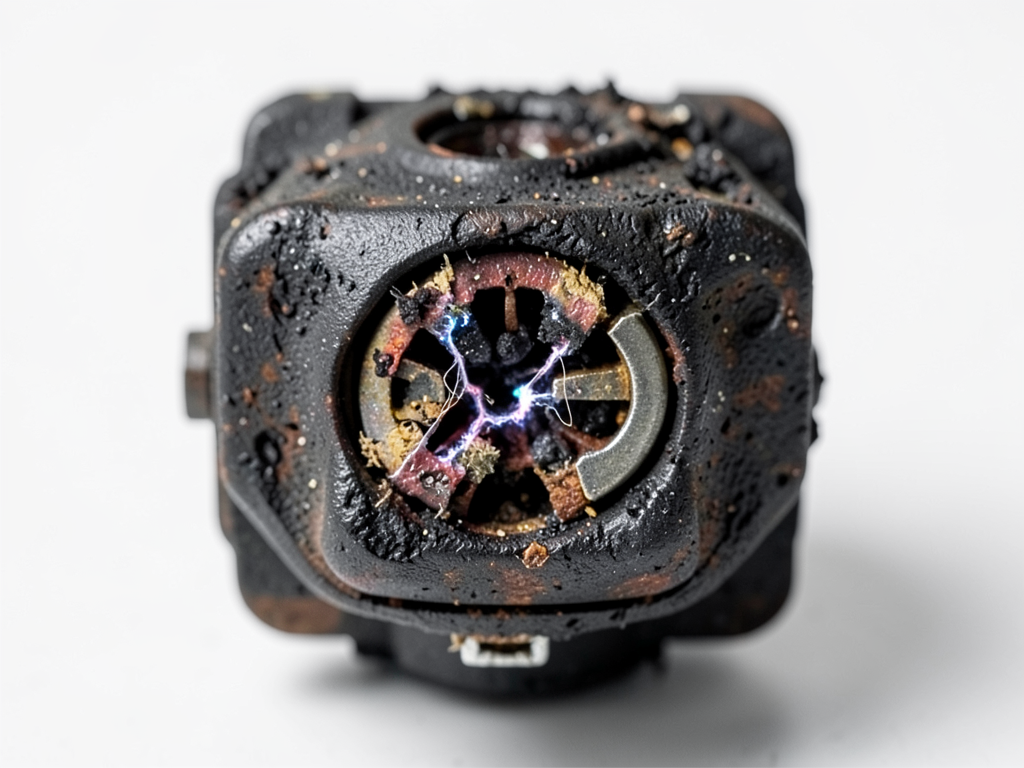
Tampa's location between Tampa Bay and the Gulf of Mexico creates a corrosive environment for outdoor heat pump components. Salt particles carried by sea breezes coat condenser coils and electrical connections, accelerating oxidation that causes refrigerant leaks and electrical failures. The combination of year-round heat and humidity promotes algae growth in condensate drain lines, leading to overflows that damage ceilings and create mold problems. Afternoon thunderstorms that drop two inches of rain in an hour can overwhelm undersized drain systems. Heat pump replacement often becomes necessary earlier in Tampa than in drier climates because environmental stress compounds normal wear and tear on compressors, coils, and electrical components.
Peak HVAC Tampa understands that local building codes and installation practices affect heat pump longevity and performance. We install systems on elevated pads in flood-prone areas near Bayshore Boulevard and Gandy Beach, protecting outdoor units from standing water during heavy rain events. Our technicians account for Tampa's shallow frost line when positioning refrigerant lines and recommend coil coatings for properties within three miles of saltwater. We size systems based on Tampa's cooling degree days, not generic manufacturer charts, because proper sizing affects efficiency, humidity control, and equipment life. Choosing heat pump installers with local expertise means getting a system that performs well in Tampa's specific climate challenges, not just a cookie-cutter installation that works adequately somewhere else.