Menu

Weird Smells from Vents in Tampa – Expert Diagnosis and Permanent Solutions

We identify the exact source of strange odors from air ducts and eliminate them at the root, protecting your indoor air quality and system performance across the greater Tampa metro.

Slider Image 1
Slider Image 2
Slider Image 3
Slider Image 4
Slider Image 5
Slider Image 7
Slider Image 8
Slider Image 9
Slider Image 10
Slider Image 11

Why Your Tampa Home Develops Foul Air Conditioner Odors

You notice it the second your system kicks on. A musty smell. A burning odor. Something chemical or rotten. It fills the room within seconds, and you wonder if you should even be breathing it.

You are not imagining it. Strange odors from air ducts signal real problems, and Tampa's climate accelerates them. Our year-round humidity creates perfect conditions for mold growth inside ductwork and evaporator coils. When condensation pools in drain pans or around coil surfaces, biological growth explodes. You smell it every time conditioned air pushes through those contaminated areas.

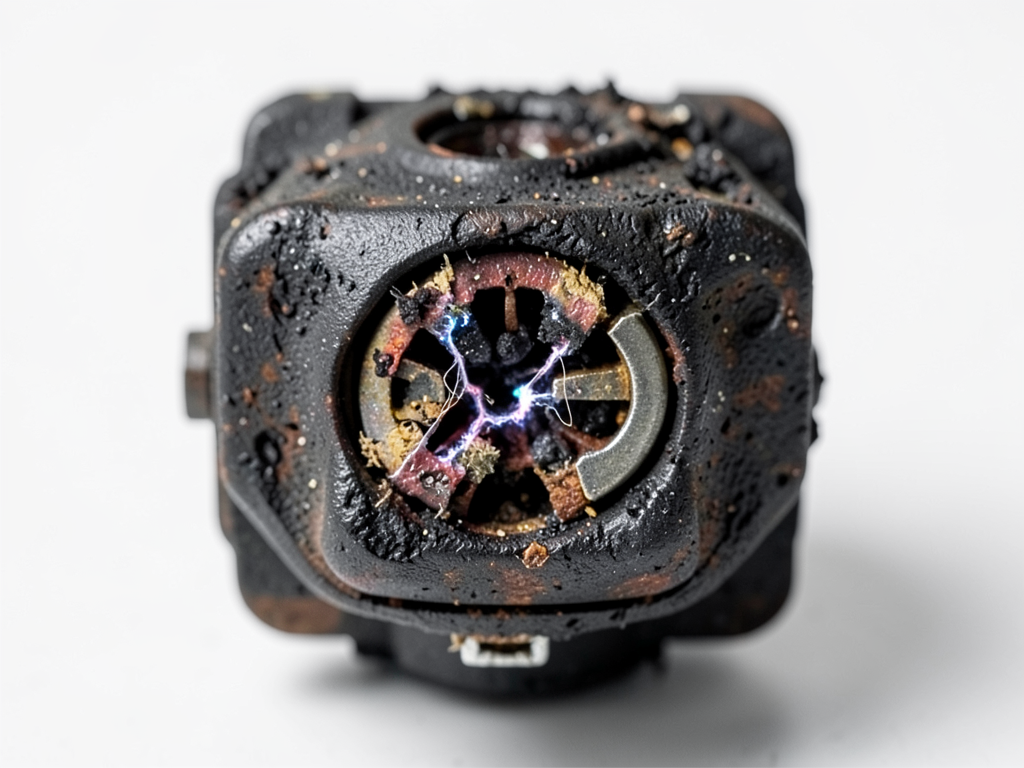
Other odd smells from HVAC systems point to mechanical failure. A burning smell often means a failing blower motor or overheating electrical components. A sulfur or rotten egg odor can indicate a gas leak if you run a gas furnace, though most Tampa homes rely on electric heat strips. Chemical smells might trace back to refrigerant leaks or overheated plastic components near the air handler.

Bad smells coming from vents are not cosmetic issues. They signal indoor air quality risks, potential fire hazards, or system failures that will escalate. Ignoring them does not make them disappear. The source intensifies. The smell spreads. Your family breathes contaminated air. Your energy bills climb as the system works harder to compensate for reduced airflow or damaged components.

Tampa residents often dismiss funny smells from heating systems during the brief winter months, assuming dust burn-off from inactivity. But persistent odors demand professional inspection. Your ductwork, coils, and air handler need evaluation by technicians who understand how our subtropical environment creates unique HVAC challenges.

Why Your Tampa Home Develops Foul Air Conditioner Odors
How We Pinpoint and Eliminate Odor Sources

How We Pinpoint and Eliminate Odor Sources

We do not mask smells. We eliminate them by identifying and correcting the root cause. Our diagnostic process starts with a complete system inspection, from the outdoor condenser to every supply register in your home.

First, we map the odor. Is it coming from all vents or isolated to specific zones? Does it occur when the blower runs or only during cooling cycles? These patterns tell us where to focus. We inspect evaporator coils for biological growth, drain pans for standing water, and ductwork for contamination. We use borescopes to examine interior duct surfaces without unnecessary demolition.

We test for refrigerant leaks using electronic leak detectors, focusing on coil connections and line sets. A sweet or chemical smell often indicates refrigerant migration into the airstream, which requires immediate attention. We inspect all electrical connections, capacitors, and blower assemblies for overheating, discoloration, or component failure that produces burning odors.

For biological contamination, we assess the extent of mold or mildew growth. Surface cleaning might suffice for minor contamination, but extensive growth requires coil replacement or professional duct cleaning with antimicrobial treatment. We also evaluate your condensate drainage system, clearing blockages that allow water accumulation and microbial growth.

We inspect return air pathways for external contamination sources. Sometimes odors infiltrate through poorly sealed returns near garages, attics, or crawl spaces. We seal these penetrations and eliminate cross-contamination.

Peak HVAC Tampa technicians document every finding with photos and detailed explanations. You see exactly what we see. We explain repair options, cost factors, and long-term prevention strategies. We fix the problem correctly the first time, restoring clean, odor-free airflow throughout your home.

What Happens During Your Odor Inspection

Weird Smells from Vents in Tampa – Expert Diagnosis and Permanent Solutions
01

System Assessment

We start by running your system through full cooling and heating cycles while monitoring airflow from every vent. We document when odors occur, their intensity, and their character. We inspect your thermostat settings, filter condition, and recent maintenance history. This baseline assessment helps us isolate whether the problem originates in the air handler, ductwork, or outdoor unit.
02

Component Inspection

We examine evaporator coils, blower assemblies, drain pans, and electrical components inside the air handler. We use inspection cameras to evaluate duct interiors and insulation condition. We test for refrigerant leaks, check capacitor values, and measure amperage draw on motors. We inspect return air plenums for contamination sources and seal integrity. Every component gets individual attention until we identify the exact odor source.
03

Corrective Action Plan

We present our findings with clear photo documentation and explain the necessary repairs. Whether you need coil cleaning, duct remediation, component replacement, or drainage repair, we outline every step. We complete the work efficiently, test system operation, and verify odor elimination before we leave. You get documentation of all work performed and recommendations for preventing recurrence through proper maintenance intervals.

Why Tampa Homeowners Trust Peak HVAC for Odor Diagnosis

Generic troubleshooting wastes your time and money. You need technicians who understand how Tampa's environment affects HVAC performance. We see the patterns other companies miss because we work in this climate every day.

We know how quickly mold colonizes ductwork in our humidity. We understand how afternoon thunderstorms create condensate loads that overwhelm undersized drain lines. We recognize when odors trace back to improper system sizing that causes short cycling and incomplete dehumidification. We have seen how homes near the bay or major waterways experience accelerated corrosion on electrical components, creating burning smells that mimic other problems.

Our diagnostic approach saves you money. We do not replace components speculatively. We test, measure, and verify before recommending any repair. We carry specialized tools like refrigerant sniffers, amp meters, and inspection cameras on every truck. We document problems visually so you understand exactly what needs correction.

We also prevent recurring issues. If biological growth stems from inadequate drainage, we redesign the drain system. If return air contamination comes from an unsealed garage connection, we properly seal and isolate that pathway. If your system short cycles due to oversizing, we explain how that creates the humidity problems that breed mold.

Peak HVAC Tampa technicians receive ongoing training on indoor air quality issues, microbial contamination, and proper remediation techniques. We follow industry best practices for coil cleaning, duct sanitization, and system disinfection. We use EPA-registered antimicrobial products when biological contamination requires chemical treatment.

We serve the entire Tampa metro, from Westchase to Channelside, and from New Tampa down to Apollo Beach. We understand the construction styles, system types, and common maintenance neglect patterns in every neighborhood.

What You Can Expect From Our Service

Fast Response Times

We schedule odor inspections within 24 to 48 hours for most service requests. If you report burning smells or suspected gas odors, we prioritize your call and respond the same day when possible. We respect your schedule with accurate arrival windows and call ahead confirmations. Most diagnostic visits take 60 to 90 minutes, depending on system complexity and accessibility. We complete minor repairs like drain clearing or filter replacement during the same visit. Larger repairs requiring parts or specialized equipment get scheduled promptly with clear timelines.

Thorough Diagnostic Process

We inspect every component that could generate odors, from outdoor condenser coils to interior supply registers. We do not stop at the first obvious problem. We verify that secondary issues are not contributing to the smell. We take photos of contaminated components and show you exactly what we find. We explain how each problem develops and why it produces the specific odor you detect. We provide written estimates before starting any repair work. You receive detailed invoices documenting all labor and parts with clear descriptions, not vague line items.

Complete Odor Elimination

Our goal is permanent odor elimination, not temporary masking. We address root causes like drainage failures, biological contamination, or mechanical defects. After completing repairs, we run the system through multiple cycles and verify clean airflow from every register. We do not consider the job complete until you confirm the odor is gone. If biological contamination required antimicrobial treatment, we explain proper curing times and temporary odors from cleaning agents. We test airflow volumes and temperature splits to confirm the system operates within manufacturer specifications after repairs.

Prevention and Maintenance Guidance

We provide specific recommendations to prevent odor recurrence. This might include filter upgrade suggestions, drain line maintenance schedules, or humidity control improvements. We explain which problems require professional maintenance and which you can monitor yourself. We offer maintenance agreements that include drain line treatments, coil inspections, and condensate system checks twice yearly. These plans catch developing problems before they create odors or system damage. We keep detailed service records so we track your system's history and anticipate component wear patterns specific to your equipment age and usage.

Frequently Asked Questions

You Have Questions,
We Have Answers

Why do I get a weird smell coming from my vents? +

Weird smells from your vents usually signal trapped debris, mold growth, or a dying component. Tampa's high humidity accelerates mold and mildew buildup inside ductwork, especially if your system runs constantly during summer months. A musty odor points to biological growth. A burning smell suggests overheating wiring or a failing blower motor. A rotten egg smell could mean a dead animal in your ductwork. Dust burning off after months of inactivity is normal when you first turn on heat in winter. If the smell persists beyond 20 minutes or intensifies, shut off your system and call a technician immediately.

What does an electrical fire smell like before it starts? +

Before an electrical fire ignites, you smell burning plastic or a sharp, acrid odor similar to melting vinyl. This smell comes from wire insulation breaking down as connections overheat. You might notice it near outlets, your electrical panel, or coming through vents if wiring runs near ductwork. The odor is distinct from dust burning off coils. If you smell this in your Tampa home, especially combined with flickering lights or warm outlet covers, shut off power at the breaker and call an electrician. Aluminum wiring common in older Tampa homes built in the 1960s and 1970s increases this risk significantly.

What does mold in vents smell like? +

Mold in vents smells musty, earthy, or like damp socks left in a gym bag. The odor gets stronger when your AC first kicks on because airflow disturbs mold colonies clinging to duct surfaces. Tampa's humidity creates perfect mold conditions, especially in homes near the bay or Hillsborough River where moisture levels stay elevated year-round. Black mold has a stronger, almost rotting smell. If you smell mold only when the AC runs, your ducts need inspection and cleaning. Mold releases spores into your air, triggering allergies and respiratory issues. A camera inspection reveals growth locations before remediation begins.

Is strange smell coming from a vent a chemical hazard? +

A strange chemical smell from vents can signal a hazard, depending on the source. A sweet, ether-like odor suggests refrigerant leaking from your AC coil. Freon is toxic in high concentrations and displaces oxygen. A formaldehyde smell might come from new ductwork or insulation off-gassing, common in Tampa's newly constructed homes. A chlorine or ammonia smell could indicate a cleaning product spill near your return vent. If the smell causes dizziness, nausea, or breathing difficulty, evacuate immediately and call 911. Otherwise, shut off your HVAC system and get a technician to identify the source before running it again.

What does leaking freon smell like? +

Leaking freon smells faintly sweet, almost like chloroform or ether. Some people describe it as similar to nail polish remover. The smell is subtle and easily missed unless the leak is significant. Older AC units in Tampa homes using R-22 refrigerant are more prone to leaks as copper lines corrode from humidity and salt air near coastal areas. You might notice reduced cooling performance before you smell anything. Freon is heavier than air, so it sinks and concentrates near floor vents. Breathing high concentrations causes dizziness and headaches. If you suspect a freon leak, open windows and call an HVAC tech immediately.

Does a musty smell automatically mean mold? +

No. A musty smell does not automatically confirm mold. It often indicates mildew, bacteria, or trapped moisture in your ductwork or drain pan. Tampa's humidity causes condensation buildup on cold AC components. When water sits stagnant, bacteria multiply and create that musty odor. A clogged condensate drain line, common in Florida homes, causes water backup and smell. However, prolonged moisture creates conditions where mold thrives. The smell alone cannot distinguish between mildew and mold. You need a visual inspection or air quality test to confirm mold presence. Address any musty smell quickly to prevent mold from establishing colonies.

Are there warning signs before an electrical fire? +

Yes. Electrical fires show warning signs before flames appear. You smell burning plastic or see scorch marks on outlets. Breakers trip repeatedly without explanation. Lights flicker or dim when you run appliances. Outlets feel warm to the touch. You hear buzzing or crackling sounds from switches or your electrical panel. Older Tampa homes with aluminum wiring or outdated fuse boxes face higher risk, especially during summer when AC units draw maximum power. If you notice multiple warning signs, hire a licensed electrician immediately. Do not ignore these signals. Electrical fires spread rapidly once ignition occurs, giving you minimal escape time.

What does bad wiring smell like? +

Bad wiring smells like burning plastic, melting rubber, or hot metal. The odor comes from wire insulation breaking down as connections overheat from loose terminals, corroded wires, or overloaded circuits. You might smell it near a specific outlet, behind walls, or through vents if wiring runs adjacent to ductwork. In Tampa's older neighborhoods like Seminole Heights or Hyde Park, outdated wiring cannot handle modern electrical loads from AC units and appliances. The smell intensifies when you run high-draw equipment. If you smell burning near electrical components, shut off power at the breaker panel and call an electrician immediately before damage escalates.

What are signs of faulty wiring? +

Faulty wiring shows several clear signs. Breakers trip frequently, especially when running your AC. Outlets feel warm or show discoloration and scorch marks. Lights flicker or dim without cause. You hear buzzing, sizzling, or popping sounds from switches or outlets. You smell burning plastic or see sparks when plugging in devices. Aluminum wiring common in 1960s Tampa homes corrodes and loosens at connection points, increasing fire risk. Backstabbed outlets where wires push into holes instead of wrapping around screws fail frequently. If you notice these signs, stop using affected outlets and hire a licensed electrician to inspect your entire electrical system immediately.

What are the 10 warning signs of mold toxicity? +

Mold toxicity shows through respiratory distress including chronic coughing, wheezing, and shortness of breath. You experience persistent sinus congestion and headaches that worsen at home. Fatigue becomes overwhelming regardless of sleep. Skin develops unexplained rashes or itching. You have difficulty concentrating or memory problems. Eyes stay red and watery. Joint pain appears without injury. Mood changes include anxiety or depression. Digestive issues like nausea occur frequently. Asthma symptoms worsen or appear suddenly. Tampa's humidity accelerates mold growth in poorly ventilated homes. If you experience multiple symptoms and smell mold from vents, get a professional air quality test and medical evaluation immediately. Prolonged exposure causes serious health damage.

How Tampa's Humidity Accelerates HVAC Odor Problems

Tampa's average relative humidity exceeds 70 percent year-round, creating ideal conditions for mold and mildew growth inside HVAC systems. When your air conditioner removes moisture from indoor air, that water collects on evaporator coils and drains into condensate pans. If drain lines clog or pans crack, water sits stagnant. Within 48 hours, biological growth begins. Every cooling cycle spreads mold spores through your ductwork and into living spaces. Homes near Hillsborough Bay, the Hillsborough River, or Tampa Bay experience even higher humidity levels, accelerating contamination. The combination of heat and moisture creates perfect incubation conditions for the bacteria and fungi that produce musty, foul air conditioner odors.

Local building codes require proper condensate drainage and air handler installation, but many older Tampa homes predate current standards. Homes in neighborhoods like Hyde Park, Seminole Heights, and Historic Ybor City often have undersized drain lines or improperly pitched condensate piping. Peak HVAC Tampa technicians understand these legacy installation issues and know how to correct them without extensive renovation. We work throughout Hillsborough County and understand how different soil types, water table levels, and construction eras affect HVAC system performance. When you hire local experts, you get technicians who recognize Tampa-specific problems immediately instead of learning on your dime.


HVAC Services in The Tampa Area

Discover Peak HVAC's primary service area and easily locate our business office on the map below. We are dedicated to serving our community with top-tier heating, ventilation, and air conditioning solutions, ensuring comfort and peace of mind. Feel free to visit our location for a personal consultation or simply use the map to understand our reach and how conveniently we can serve your home or business needs.

Address:
Peak HVAC Tampa, 100 Ashley Dr S #600, Tampa, FL, 33602

Additional Services We Offer

Our news updates

Latest Articles & News from The Blogs

Ending the Thermostat War in Your Multi-Level Mirabay Home with Smart Zoning Living in a multi-level home in Mirabay means…

Ending the Thermostat War in Your Multi-Level Mirabay Home with Smart Zoning

Ending the Thermostat War in Your Multi-Level Mirabay Home with Smart Zoning Living in a multi-level home in Mirabay means…

Why Your High-End Cheval Home Might Have Poor Airflow Due to High Static Pressure

Why Your High-End Cheval Home Might Have Poor Airflow Due to High Static Pressure Your Cheval home’s air conditioning runs…

Does Your New Pool Cage in Carrollwood Village Change How Your AC Works

Does Your New Pool Cage in Carrollwood Village Change How Your AC Works Your new pool cage in Carrollwood Village…

Contact Us

Call Peak HVAC Tampa at (656) 237-5377 right now. We will schedule your odor inspection within 24 hours, identify the exact source, and restore clean airflow to your home. You deserve to breathe easy again.