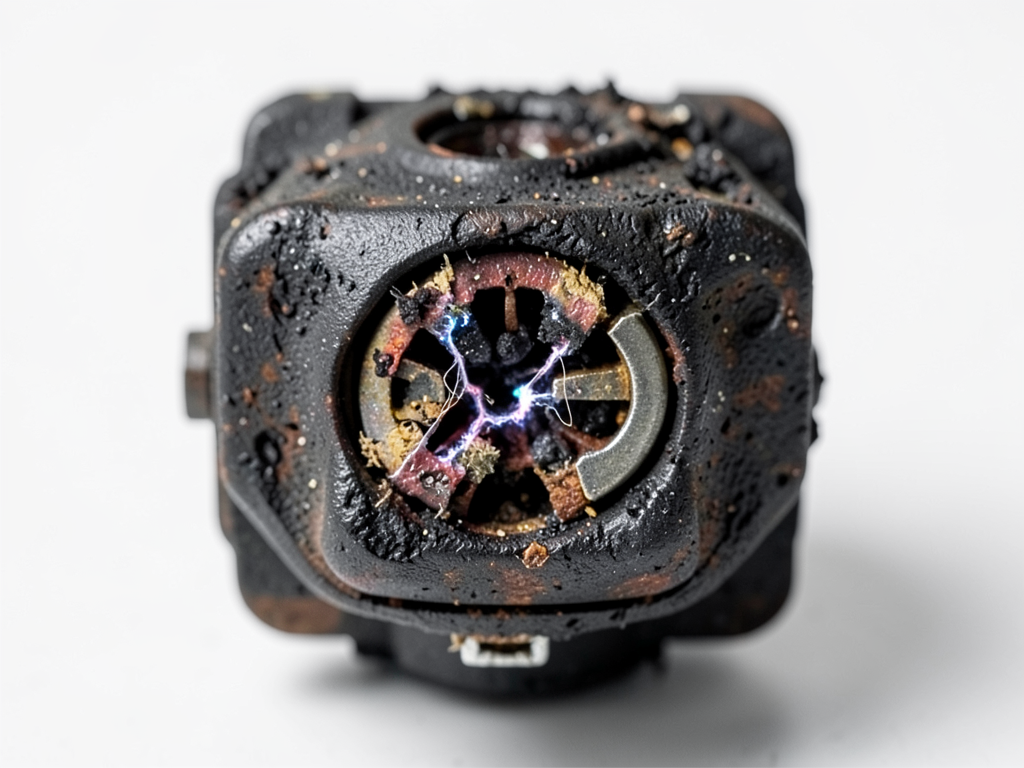

Tampa's subtropical climate creates unique carbon monoxide dangers. Year-round humidity corrodes metal heat exchangers, vent pipes, and burner assemblies faster than in drier climates. Salt air in coastal neighborhoods near Tampa Bay, Old Tampa Bay, and Hillsborough Bay accelerates oxidation on exhaust systems and flue pipes. We routinely find rust-through failures on equipment only 8 to 12 years old, half the expected lifespan in less humid regions. Tampa's mild winters mean furnaces sit unused for months, allowing condensation and corrosion to damage heat exchangers while homeowners remain unaware. When you finally need heat during a cold snap, a cracked heat exchanger can flood your home with carbon monoxide before you recognize the indicators of carbon monoxide poisoning.
Peak HVAC Tampa understands Hillsborough County's residential construction patterns and equipment vulnerabilities. We know which Tampa neighborhoods have older homes with original equipment nearing failure thresholds. We understand Florida building code requirements for combustion air and venting that differ from national standards. Our technicians recognize Tampa-specific problems like deteriorated B-vent pipes common in homes built in the 1980s and 1990s throughout Carrollwood, Town 'N' Country, and Brandon. We maintain relationships with local building inspectors and stay current on code changes affecting carbon monoxide safety. When we identify signs of a carbon monoxide leak, we know exactly what solutions meet local requirements and protect Tampa families long-term.