


Pinellas Park sits in a climate zone that punishes air conditioning systems year-round. The combination of 90% humidity, salt air from Tampa Bay, and temperatures that rarely drop below 70 degrees means your HVAC runs almost constantly. Systems here work twice as hard as units in drier climates.
The sandy soil and high water table in neighborhoods near Lake Seminole and Cross Bayou Canal create moisture problems in ductwork. Condensation forms faster, mold grows quicker, and drain lines clog more often. Many homes in the Historic Gateway District still have original ductwork from the 1960s and 70s, which never accounted for modern efficiency standards or humidity control.
Florida building codes require specific SEER ratings and proper tonnage calculations based on square footage, insulation levels, and window exposure. Installing the wrong size unit is the most common mistake we see in Pinellas Park. An oversized system short-cycles and never removes humidity. An undersized system runs nonstop and dies young. The combination of afternoon thunderstorms and constant UV exposure also degrades outdoor units faster than anywhere else in the country. Capacitors fail, contactors pit, and refrigerant lines corrode from salt exposure near the coast.
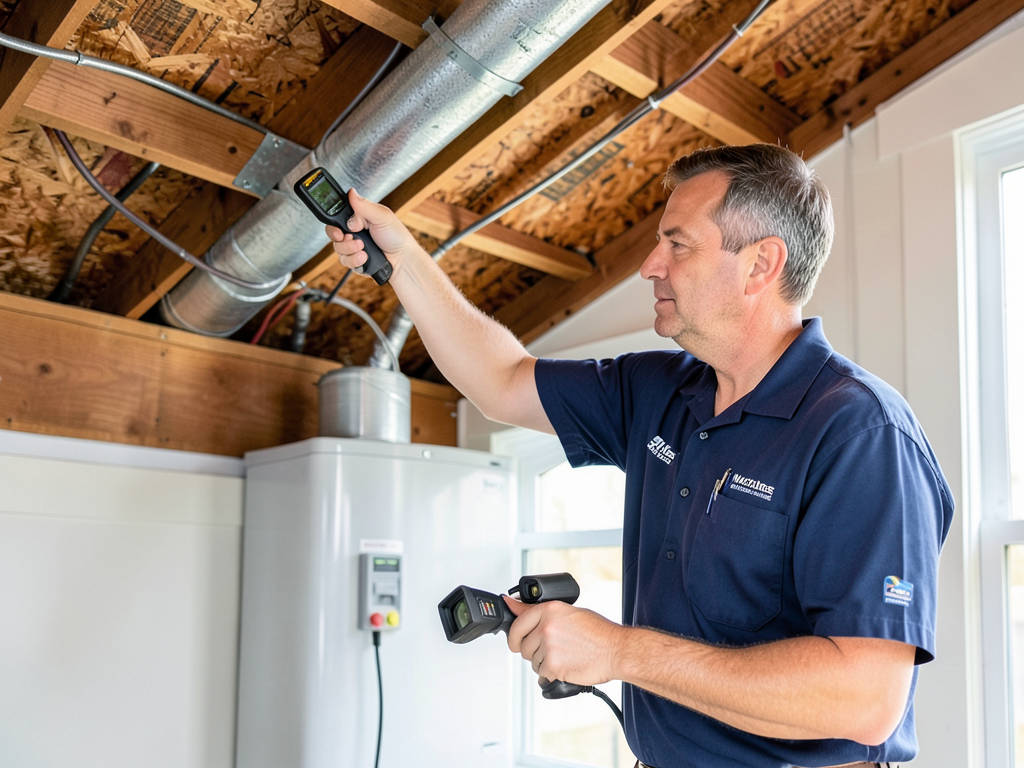
We fix air conditioning systems the way we'd want ours fixed. That means showing up on time, diagnosing the actual problem instead of guessing, and explaining what's wrong in language that makes sense. Our technicians average 12 years of field experience and carry diagnostic tools most companies skip because they cost too much. We use refrigerant analyzers, airflow meters, and amp clamps to find the real issue instead of swapping parts until something works.
Every truck carries the parts that fail most often in Pinellas Park's climate. Capacitors, contactors, drain line assemblies, and TXV valves are always in stock. We complete 94% of repairs in one visit because we prepare for Florida-specific failures. When we can't fix it same-day, we tell you immediately and explain why.
We've worked in every neighborhood from Mainlands to Crosswinds. We know which developments have undersized ductwork, which builders used cheap equipment, and which homes need humidity solutions beyond basic air conditioning. That knowledge saves you money because we don't waste time learning your home's quirks.
Our pricing is straightforward. We charge by the repair, not by the hour. You know the cost before we start. We don't upsell maintenance plans, whole-system replacements, or air quality products unless your system actually needs them. Most repairs cost less than you expect because we fix the component that failed instead of replacing entire assemblies.

We dispatch within 90 minutes for emergency calls in Pinellas Park. Our trucks run seven days a week because air conditioning failures don't wait for business hours. When it's 95 degrees and your system quits, you need help now, not tomorrow. We show up fast, diagnose accurately, and get your home cool again.

Our service vehicles carry 200+ parts specific to Gulf Coast failures. Capacitors, contactors, thermostats, drain line parts, and refrigerant are always on board. We stock parts for every major brand installed in Pinellas Park. This preparation means we complete most repairs in one visit instead of scheduling follow-ups.
We tell you the exact cost before touching your system. No hidden fees, no trip charges rolled into the final bill, no surprise invoices. You approve the price, then we start work. If we find additional problems during the repair, we stop and discuss options. You stay in control of what gets fixed.
We've repaired thousands of systems in Pinellas Park neighborhoods. We know which housing developments have duct problems, which subdivisions need humidity solutions, and which homes require capacity upgrades. This local knowledge helps us diagnose faster and recommend solutions that actually work in your specific home and climate.
Peak HVAC Tampa handles every type of air conditioning and heating need in Pinellas Park. We fix emergency breakdowns, perform preventive maintenance, replace aging systems, and solve chronic comfort problems that other companies couldn't figure out. Our service range covers everything from basic AC repairs to complex duct modifications and indoor air quality improvements.
Most companies specialize in either service work or installations, which means you're dealing with different teams depending on your need. We handle both because the diagnostic skills that make us good at repairs also make us better at system design. When we recommend a replacement, it's because we've exhausted repair options, not because we make more money on installations.
Our residential services include emergency repairs, seasonal tune-ups, full system replacements, duct sealing and modification, thermostat upgrades, and humidity control solutions. Commercial services cover rooftop units, package systems, split systems, and preventive maintenance contracts for multi-unit properties. We work on systems from half-ton mini-splits to five-ton commercial units.
When your air conditioning fails in Florida heat, you need help immediately. We dispatch emergency calls within 90 minutes and arrive with the parts and tools to complete most repairs the same day. Our technicians diagnose the failed component, explain what happened and why, then fix it right the first time. We handle compressor failures, refrigerant leaks, electrical problems, frozen coils, and blower motor issues. Emergency service runs seven days a week because cooling failures don't follow a schedule.
When your system reaches 15-20 years old or requires major component replacement, we help you decide between repair and replacement. We calculate the actual cost of keeping your old system running versus installing new equipment with warranty protection and lower operating costs. Our installations include proper load calculations, duct inspection and modification if needed, thermostat upgrades, and humidity control options. We install systems sized correctly for your home, not whatever fits your existing pad.
Regular maintenance catches small problems before they become expensive failures. Our tune-ups include refrigerant level checks, electrical connection testing, capacitor testing, drain line cleaning, coil inspection, airflow measurement, and thermostat calibration. We find weak capacitors, failing contactors, and restricted airflow before they cause damage to expensive components. Most breakdowns we prevent would have happened during the hottest weeks of summer. Maintenance costs less than one emergency repair call and extends system life by years.
Gulf Coast humidity and heat create specific failures that occur far more often here than in other climates. We see the same problems repeatedly across Pinellas Park neighborhoods because the environment punishes air conditioning systems relentlessly. Understanding these common issues helps homeowners recognize early warning signs before small problems cascade into expensive damage.
The most frequent failures involve electrical components degraded by heat cycling, drain systems overwhelmed by constant condensation, and refrigerant lines corroded by salt air. Many Pinellas Park homes also struggle with inadequate dehumidification because original systems were sized only for cooling capacity, not humidity removal. Older homes near the bay face additional challenges from salt exposure that corrodes outdoor unit components faster than expected. These aren't rare problems. They're predictable patterns we address every day.
Capacitors start your compressor and blower motor. In Pinellas Park's heat, they fail every 3-5 years instead of the 10-year lifespan seen in cooler climates. A weak capacitor makes your system struggle to start, draws extra amperage, and stresses other components. We replace capacitors before they damage your compressor, which costs 10 times more to fix.
Your air handler removes gallons of water from indoor air daily. Drain lines clog with algae and sediment, especially in humid climates. When the drain backs up, water overflows and damages ceilings, walls, and flooring. We clear drain lines, install cleanout ports, and add algae treatment to prevent future clogs. Regular drain maintenance stops expensive water damage.
Systems don't "use up" refrigerant. If levels drop, you have a leak. Low refrigerant makes your system run constantly without cooling properly. It also causes ice buildup on indoor coils and can damage your compressor. We find leaks with electronic detectors, repair them properly, then recharge to manufacturer specifications. Just adding refrigerant without fixing the leak wastes money and damages equipment.
Your AC should remove humidity along with heat. If your home feels clammy or you see mold growing on vents and around windows, your system isn't dehumidifying properly. This happens when systems are oversized, when airflow is restricted, or when runtime is too short. We measure indoor humidity, test airflow, and recommend solutions from thermostat adjustments to dedicated dehumidifiers.
We know calling for HVAC service usually happens at the worst possible time. Your system quit when it's 95 degrees outside, your family is uncomfortable, and you're worried about the cost. Our process is designed to reduce stress and get your home comfortable again as quickly as possible.
From your first call, we focus on clear communication and realistic expectations. Our dispatcher asks specific questions to understand your problem, gives you an accurate arrival window, and explains what to expect. When our technician arrives, they diagnose the problem thoroughly before recommending any work. You'll understand what failed, why it happened, and exactly what it costs to fix before we touch your system.
Most customers are surprised by how straightforward the experience is. No pressure tactics, no scary stories about your equipment, no mysterious technical jargon meant to confuse you. Just honest diagnosis, fair pricing, and skilled repair work that solves the problem.
When you call, we ask questions that help us understand your problem and bring the right parts. Our dispatcher gives you a realistic arrival window and contacts you if we're running early or late. We respect your time. If we can't make the scheduled window, we call ahead and reschedule at your convenience. You get text updates when the technician is on the way and a call when they arrive at your property.
Our technicians test your system completely before recommending repairs. We check refrigerant levels, measure airflow, test electrical components, inspect drain lines, and verify thermostat operation. This thorough diagnosis finds the actual problem instead of guessing. We explain what failed, show you the bad part when possible, and give you a firm price quote. Only after you approve the cost do we start repairs.
We guarantee our repairs for one year on labor and honor manufacturer warranties on all parts. If something goes wrong with our work, we come back and fix it at no charge. After major repairs, we call to make sure your system is running properly and answer any questions. You get direct contact information for your technician if concerns come up. We're available if you need us.
We've refined our service process through thousands of repairs. The goal is simple: diagnose accurately, fix it right, and get your home comfortable again as quickly as possible.
Your technician tests all system components to find the actual failure point. We measure refrigerant pressures, check electrical draws on motors and compressors, verify airflow across coils, and test safety controls. We use diagnostic tools that measure performance against manufacturer specifications. This scientific approach identifies the failed component instead of guessing based on symptoms. You get a clear explanation of what's wrong and why it happened.
Before starting any repair, we give you the exact cost for parts and labor. The price includes everything needed to complete the job. No hidden charges appear later. If we discover additional problems during the repair, we stop and discuss your options. You approve any extra work before we proceed. This transparency eliminates surprise bills and keeps you in control of repair decisions.
After replacing the failed component, we test your entire system to verify proper operation. We measure temperatures, check refrigerant levels, confirm electrical draws are normal, and verify airflow meets specifications. Your system must perform correctly before we leave. We clean up our work area, show you what we replaced, and explain any maintenance recommendations. You get documentation of the repair and warranty information for new parts.
Florida has specific building codes and HVAC requirements designed for our climate. These regulations exist because generic installation practices from other regions fail quickly in Gulf Coast conditions. Understanding these standards helps you recognize quality work and avoid contractors who cut corners.
The Florida Building Code requires minimum SEER 15 efficiency for all new installations and replacements. This efficiency rating reduces operating costs but also ensures adequate dehumidification. Systems must be sized using Manual J load calculations, which account for square footage, insulation levels, window area and orientation, and occupancy. Oversized systems are as problematic as undersized ones. An oversized AC short-cycles, never removes humidity properly, and wears out components faster from constant starting and stopping.
Ductwork must meet specific leakage standards measured by duct blaster testing. Pinellas County requires less than 10% duct leakage on new installations and major renovations. Leaky ducts waste 20-40% of conditioned air and create pressure imbalances that pull humid outdoor air into your home. Proper duct sealing involves mastic compound or metal-backed tape at all joints, never standard duct tape, which fails within months.
Refrigerant charging must be verified by superheat and subcooling measurements, not just pressure readings. Improper charge reduces efficiency by 20% or more and shortens compressor life. Florida's humidity also requires drain lines with proper slope, accessible cleanouts, and secondary overflow protection that shuts the system down before water damages your home. These aren't optional upgrades. They're code requirements that protect your investment.
Permits are required for all system replacements and major repairs involving refrigerant, electrical work, or duct modifications. Permit inspections verify proper installation practices, correct refrigerant charge, adequate airflow, and code-compliant electrical connections. Contractors who skip permits are avoiding accountability and leaving you liable for their work.
Manual J load calculations determine correct system capacity for your specific home. Variables include square footage, insulation R-values, window area and efficiency, ceiling height, occupancy, and internal heat loads. Generic sizing by square footage alone produces wrong results. A properly sized system removes humidity, maintains comfort, and lasts longer than oversized equipment that short-cycles constantly.
Equipment quality matters less than installation quality. The best system installed poorly performs worse than a basic system installed correctly. Critical factors include proper refrigerant charge verified by superheat and subcooling, correct airflow across coils measured in CFM per ton, sealed and insulated ductwork, level outdoor unit pad with vibration isolation, and code-compliant electrical connections. Poor installation voids warranties and causes premature failures.
Central air systems in Florida last 12-15 years on average, shorter than the 20-year lifespan in cooler climates. Constant runtime and humidity accelerate wear. Systems older than 12 years often need repairs that cost more than replacement value. When major components fail on systems over 10 years old, replacement usually makes more financial sense than repair.
Pinellas County requires permits for system replacements, refrigerant work, and duct modifications. Permit inspections verify proper installation, correct refrigerant charge, adequate airflow, and safe electrical connections. Unpermitted work violates code, voids equipment warranties, creates liability if you sell your home, and indicates the contractor is cutting other corners. Always verify your contractor pulls permits for replacement work.
This video explains common HVAC problems in Pinellas Park, Florida, and how to address them. Topics include capacitor failures from heat exposure, drain line clogs, refrigerant leaks, humidity control issues, and Florida building code requirements for air conditioning systems. The video covers when to repair versus replace AC units and what proper installation requires in Gulf Coast climates.
Peak HVAC Tampa serves the entire Pinellas Park area, from established neighborhoods near the Gateway Mall district to newer developments west of US 19. We know this community because we work here daily. Our technicians have repaired systems in the Mainlands, a large subdivision of homes built primarily in the 1970s and 80s that often need duct modifications and capacity upgrades. We've worked extensively in Crosswinds, where newer construction sometimes includes undersized ductwork to save builder costs.
The historic neighborhoods near Park Boulevard and 49th Street contain some of Pinellas Park's oldest homes, many with original HVAC installations that desperately need replacement. These properties often have ductwork running through unconditioned attics, which creates massive efficiency losses and comfort problems. We've helped dozens of homeowners in this area upgrade to properly sized systems with sealed and insulated duct systems.
Properties near Lake Seminole and the Cross Bayou Canal face additional humidity challenges from proximity to water. These homes need enhanced dehumidification beyond basic cooling capacity. We've installed supplemental dehumidifiers and upgraded ventilation systems throughout this area to control moisture and prevent mold growth.
The commercial corridor along Park Boulevard includes restaurants, retail spaces, and office buildings that require different HVAC solutions than residential properties. We service rooftop package units, split systems, and multi-zone installations for businesses throughout the area. Our commercial maintenance contracts cover properties from 49th Street to US 19, providing scheduled service that prevents disruptive breakdowns during business hours.
East of US 19, developments like Pasadena Estates and High Point contain mid-century homes with undersized electrical service that sometimes can't support modern high-efficiency air conditioning. We work with electricians to coordinate electrical upgrades when necessary. West toward Seminole, we service newer construction in areas like Azalea Village and Royal Highlands, where builder-grade equipment often needs replacement earlier than expected.
Whether you're in the older established neighborhoods near downtown Pinellas Park or the newer subdivisions near the Pinellas Trail, we understand your home's specific challenges and have the local experience to solve them efficiently.
The $5,000 rule is a guideline for deciding between repair or replacement. Multiply the age of your system by the repair cost. If the result exceeds $5,000, replacement makes more financial sense. For example, a 12-year-old unit needing a $500 repair equals $6,000, suggesting replacement. In Pinellas Park, where high humidity and constant cooling loads accelerate wear, this rule helps homeowners avoid throwing money at aging systems that will fail again soon. Consider efficiency gains and warranty coverage when making your decision.
A new HVAC system in Florida typically ranges from mid-range to premium pricing depending on size, efficiency rating, and installation complexity. Pinellas Park homes face unique demands from saltwater air exposure and year-round cooling needs, which influence equipment selection. Expect higher costs for systems with better SEER2 ratings that handle humidity efficiently. Variables include ductwork condition, permit fees, and whether you need zone control. Single-story ranch homes common in Pinellas Park often cost less than multi-story installations due to simpler duct runs.
HVAC installers in the Pinellas Park area charge hourly rates that vary based on experience level, certification, and job complexity. Labor represents a significant portion of total project costs. Emergency service calls outside business hours command premium rates. Commercial installations require higher expertise and licensing, affecting hourly charges. The rates also factor in insurance, vehicle costs, and specialized tools. For residential work, expect standard rates during business hours, with increases for weekend or after-hours service. Always verify licensing and insurance before hiring.
The $5,000 rule is a guideline for deciding between repair or replacement. Multiply the age of your system by the repair cost. If the result exceeds $5,000, replacement makes more financial sense. For example, a 12-year-old unit needing a $500 repair equals $6,000, suggesting replacement. In Pinellas Park, where high humidity and constant cooling loads accelerate wear, this rule helps homeowners avoid throwing money at aging systems that will fail again soon. Consider efficiency gains and warranty coverage when making your decision.
A new HVAC system in Florida typically ranges from mid-range to premium pricing depending on size, efficiency rating, and installation complexity. Pinellas Park homes face unique demands from saltwater air exposure and year-round cooling needs, which influence equipment selection. Expect higher costs for systems with better SEER2 ratings that handle humidity efficiently. Variables include ductwork condition, permit fees, and whether you need zone control. Single-story ranch homes common in Pinellas Park often cost less than multi-story installations due to simpler duct runs.
HVAC installers in the Pinellas Park area charge hourly rates that vary based on experience level, certification, and job complexity. Labor represents a significant portion of total project costs. Emergency service calls outside business hours command premium rates. Commercial installations require higher expertise and licensing, affecting hourly charges. The rates also factor in insurance, vehicle costs, and specialized tools. For residential work, expect standard rates during business hours, with increases for weekend or after-hours service. Always verify licensing and insurance before hiring.
HVAC units in Florida last 10 to 15 years on average, shorter than the national average of 15 to 20 years. Pinellas Park's coastal climate accelerates deterioration through salt air corrosion, extreme humidity, and constant cooling cycles. Systems here run nearly year-round, unlike northern climates with seasonal breaks. Regular maintenance extends lifespan, but environmental factors remain harsh. Units without proper humidity control work harder and fail sooner. Coastal proximity in Pinellas Park means coil corrosion happens faster, reducing efficiency before total failure.
A 4,000-square-foot home requires a larger tonnage system, typically 4 to 5 tons depending on insulation, ceiling height, and window placement. In Pinellas Park, factor in solar heat gain from Florida sun exposure and humidity load. Two-story homes may need dual systems for proper zone control. Ductwork replacement or modification adds to total investment. Homes near the coast need corrosion-resistant components. High-efficiency systems cost more upfront but reduce monthly bills in Florida's climate where cooling dominates energy usage year-round.
HVAC systems may qualify for federal tax credits in 2025 if they meet specific energy efficiency standards under the Inflation Reduction Act. Systems must achieve minimum SEER2 ratings and be installed in your primary residence. The credit covers a percentage of equipment and installation costs, with annual caps. Heat pumps often qualify for higher credits than traditional air conditioners. Consult a tax professional for current limits and requirements. Keep all receipts and manufacturer certification statements. This applies to Pinellas Park homeowners making energy-efficient upgrades to primary residences.
A 2,000-square-foot house in Pinellas Park typically needs a 3 to 4-ton system depending on insulation quality, window efficiency, and floor plan. Ranch-style homes common in the area often require straightforward installations with moderate ductwork. Costs vary based on SEER2 rating selection and whether you choose standard efficiency or high-efficiency equipment. Factor in humidity control features essential for Florida comfort. Older homes may need duct sealing or electrical panel upgrades. Installation complexity increases if replacing an old system with different specifications or outdated refrigerant.
The 3-minute rule prevents compressor damage by requiring a minimum wait time between cooling cycles. When your AC shuts off, refrigerant pressure needs time to equalize throughout the system. Restarting too quickly forces the compressor to start against high pressure, causing mechanical stress and potential failure. Quality thermostats have built-in delay timers. This protection matters in Pinellas Park where systems cycle frequently during summer months. Ignoring this rule shortens compressor life and leads to expensive repairs. Never rapidly switch your thermostat on and off.
HVAC systems average 15 to 20 years nationally, but Florida installations face harsher conditions. Pinellas Park systems work year-round with minimal downtime, accumulating more operational hours than northern climates. Humidity, salt air, and constant demand reduce average lifespan to 10 to 15 years locally. Proper maintenance extends longevity. Signs of aging include frequent repairs, rising energy bills, and inconsistent temperatures. Coastal homes experience faster degradation. Regular filter changes, annual tune-ups, and prompt repairs maximize your investment. Plan for replacement before complete failure during peak summer.
Full HVAC installation takes one to three days for most Pinellas Park homes. Single-story homes with existing ductwork in good condition often complete in one day. Two-story homes or those requiring duct modification take longer. Complications like electrical upgrades, permit delays, or unexpected duct damage extend timelines. The process includes removing old equipment, installing new indoor and outdoor units, connecting refrigerant lines, testing airflow, and verifying proper operation. Weather delays happen during severe storms. Commercial installations take significantly longer depending on building size and system complexity.
HVAC units in Florida last 10 to 15 years on average, shorter than the national average of 15 to 20 years. Pinellas Park's coastal climate accelerates deterioration through salt air corrosion, extreme humidity, and constant cooling cycles. Systems here run nearly year-round, unlike northern climates with seasonal breaks. Regular maintenance extends lifespan, but environmental factors remain harsh. Units without proper humidity control work harder and fail sooner. Coastal proximity in Pinellas Park means coil corrosion happens faster, reducing efficiency before total failure.
A 4,000-square-foot home requires a larger tonnage system, typically 4 to 5 tons depending on insulation, ceiling height, and window placement. In Pinellas Park, factor in solar heat gain from Florida sun exposure and humidity load. Two-story homes may need dual systems for proper zone control. Ductwork replacement or modification adds to total investment. Homes near the coast need corrosion-resistant components. High-efficiency systems cost more upfront but reduce monthly bills in Florida's climate where cooling dominates energy usage year-round.
HVAC systems may qualify for federal tax credits in 2025 if they meet specific energy efficiency standards under the Inflation Reduction Act. Systems must achieve minimum SEER2 ratings and be installed in your primary residence. The credit covers a percentage of equipment and installation costs, with annual caps. Heat pumps often qualify for higher credits than traditional air conditioners. Consult a tax professional for current limits and requirements. Keep all receipts and manufacturer certification statements. This applies to Pinellas Park homeowners making energy-efficient upgrades to primary residences.
A 2,000-square-foot house in Pinellas Park typically needs a 3 to 4-ton system depending on insulation quality, window efficiency, and floor plan. Ranch-style homes common in the area often require straightforward installations with moderate ductwork. Costs vary based on SEER2 rating selection and whether you choose standard efficiency or high-efficiency equipment. Factor in humidity control features essential for Florida comfort. Older homes may need duct sealing or electrical panel upgrades. Installation complexity increases if replacing an old system with different specifications or outdated refrigerant.
The 3-minute rule prevents compressor damage by requiring a minimum wait time between cooling cycles. When your AC shuts off, refrigerant pressure needs time to equalize throughout the system. Restarting too quickly forces the compressor to start against high pressure, causing mechanical stress and potential failure. Quality thermostats have built-in delay timers. This protection matters in Pinellas Park where systems cycle frequently during summer months. Ignoring this rule shortens compressor life and leads to expensive repairs. Never rapidly switch your thermostat on and off.
HVAC systems average 15 to 20 years nationally, but Florida installations face harsher conditions. Pinellas Park systems work year-round with minimal downtime, accumulating more operational hours than northern climates. Humidity, salt air, and constant demand reduce average lifespan to 10 to 15 years locally. Proper maintenance extends longevity. Signs of aging include frequent repairs, rising energy bills, and inconsistent temperatures. Coastal homes experience faster degradation. Regular filter changes, annual tune-ups, and prompt repairs maximize your investment. Plan for replacement before complete failure during peak summer.
Full HVAC installation takes one to three days for most Pinellas Park homes. Single-story homes with existing ductwork in good condition often complete in one day. Two-story homes or those requiring duct modification take longer. Complications like electrical upgrades, permit delays, or unexpected duct damage extend timelines. The process includes removing old equipment, installing new indoor and outdoor units, connecting refrigerant lines, testing airflow, and verifying proper operation. Weather delays happen during severe storms. Commercial installations take significantly longer depending on building size and system complexity.
Discover Peak HVAC's primary service area and easily locate our business office on the map below. We are dedicated to serving our community with top-tier heating, ventilation, and air conditioning solutions, ensuring comfort and peace of mind. Feel free to visit our location for a personal consultation or simply use the map to understand our reach and how conveniently we can serve your home or business needs.
Address:
Pinellas Park, FL, 33781
Why Whole House Fans Often Fail to Solve Humidity Issues in Westchase Homes Whole house fans promise cool, fresh air by pulling outside air through your home and exhausting it through the attic. But in…

Hunting Down Every Air Filter Return in Your Older Tampa Heights Bungalow \n\n Living in…

The Hidden Danger of Forgetting to Register Your New Fish Hawk HVAC Warranty Your new…
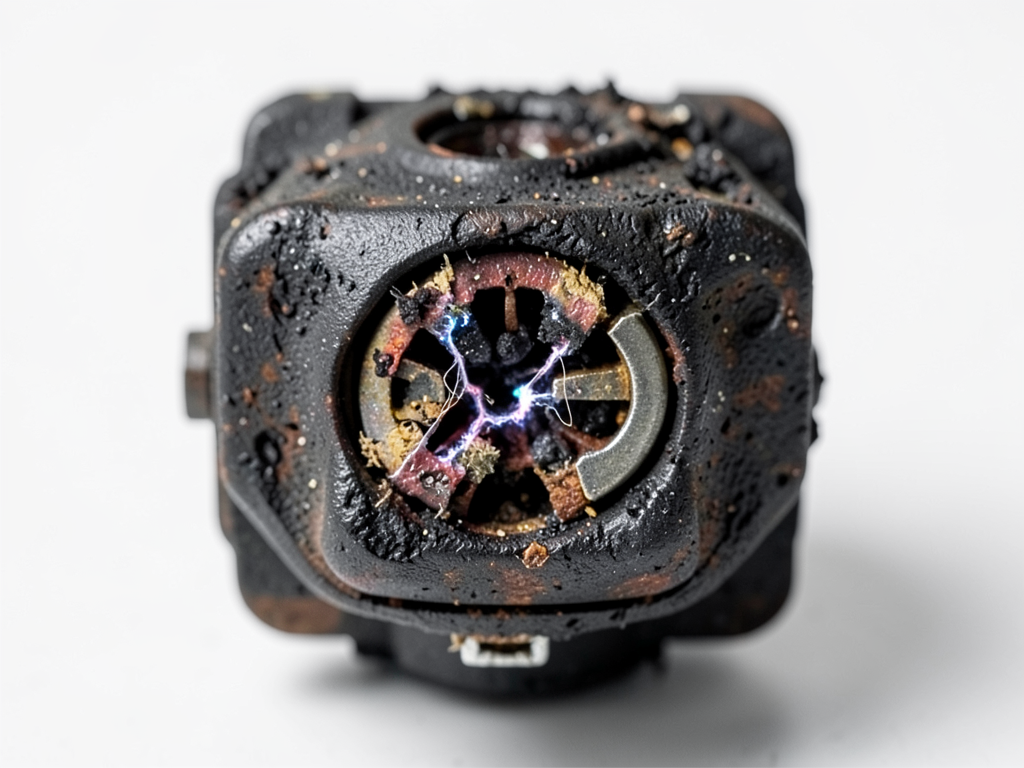
How Florida Lizards and Ants Can Actually Short Out Your Lutz AC Unit Your AC…
When your air conditioning stops working, you need help now, not next week. Call Peak HVAC Tampa at (656) 237-5377 for same-day service in Pinellas Park. Our technicians are ready with the parts and experience to fix your system fast.