


Plant City sits in the humid subtropical zone where air conditioners run 9 months a year. Summer temperatures regularly hit 95 degrees with humidity levels that push heat index values over 105. Your HVAC system works harder here than almost anywhere in the country. This constant demand causes compressor strain, refrigerant leaks, and electrical component failure at rates much higher than northern climates.
The area's high water table and afternoon thunderstorms create additional problems. Condensate drain lines clog faster due to algae growth in humid conditions. Lightning strikes damage capacitors and control boards. Older homes near downtown Plant City and around Reynolds Street often have undersized ductwork from the 1970s and 1980s that can't handle modern cooling demands.
Strawberry farming operations and industrial facilities east of town generate dust that clogs filters and coils faster than typical residential environments. Homes near Interstate 4 deal with additional particulate matter. Your system needs more frequent maintenance here than HVAC equipment in drier or cooler climates. Understanding these local factors makes the difference between a quick fix and repeat service calls.
We have served Plant City and greater Hillsborough County since our founding, building a reputation for showing up when we say we will and fixing problems right the first time. Our technicians live in the area and understand how Florida climate affects HVAC performance. We have seen every failure mode that high humidity and constant runtime can cause.
Our trucks carry extensive inventory for common repairs. That means we complete most service calls without return trips for parts. When a compressor fails or a coil leaks, we have replacement options ready. We stock capacitors, contactors, thermostats, and refrigerant to handle emergency repairs on the spot. This preparation saves you time and gets your home comfortable faster.
We focus on honest diagnostics. If your system can be repaired cost effectively, we repair it. If replacement makes more financial sense, we explain why and provide options at different price points. We never push unnecessary equipment sales or repairs you don't need. Our business grows through referrals from satisfied customers who trust our recommendations.
Every technician on our team completes ongoing training on new equipment and refrigerant regulations. We stay current on EPA requirements and Florida building codes. Our licensing and insurance coverage protects your property. We pull permits when required and coordinate inspections. You get professional service that meets all regulatory requirements without cutting corners.

We dispatch technicians to Plant City emergencies within hours, not days. Our 24/7 availability means you get help when your AC fails at night or on weekends. We understand that waiting in Florida heat is not an option. Fast response times and fully stocked trucks get your system running again quickly.

You see the cost before we start work. Our technicians diagnose the problem, explain what failed and why, then provide a written estimate. No hidden fees or surprise charges. If we find additional issues during repair, we discuss options before proceeding. You make informed decisions about your HVAC investment.
Every technician holds proper Florida licensing and completes continuing education on new equipment and refrigerants. Our insurance coverage protects your home during service. We follow EPA regulations for refrigerant handling and disposal. You get professional service that meets all safety and legal requirements without exception.
We know the common HVAC problems in Plant City homes. Our technicians understand how local humidity affects drain lines, how dust from strawberry fields clogs coils, and which older neighborhoods have undersized ductwork. This local experience means faster diagnosis and better solutions for your specific situation.
Peak HVAC Tampa handles every aspect of heating and cooling service in Plant City. Our comprehensive approach covers emergency breakdowns, routine maintenance, and complete system replacement. We service all major brands and system types, from basic split systems to multi-zone heat pumps and commercial rooftop units.
Our service range ensures you work with one trusted company for all HVAC needs. Emergency repairs get your system running again fast. Preventive maintenance catches problems before they cause breakdowns. System replacement services provide energy-efficient upgrades when repair costs exceed replacement value. We handle residential properties, commercial buildings, and industrial facilities across Plant City.
Each service category requires different expertise and equipment. Emergency repairs demand diagnostic skills and extensive parts inventory. Maintenance requires attention to detail and knowledge of wear patterns. System replacement needs load calculations, duct evaluation, and installation precision. Our technicians have specialized training in all three areas to deliver professional results regardless of service type.
When your air conditioner quits, we respond fast with fully equipped service trucks. Our technicians diagnose compressor failure, refrigerant leaks, electrical problems, and airflow issues on the spot. We carry common replacement parts to complete most repairs immediately. No waiting for parts orders or second trips. You get expert diagnosis and professional repair that restores cooling quickly, even during overnight or weekend emergencies.
Regular maintenance extends equipment life and prevents unexpected breakdowns. Our tune-up service includes coil cleaning, refrigerant level checks, electrical connection inspection, and airflow measurement. We identify worn components before they fail and clean condensate drains before they clog. Scheduled maintenance costs less than emergency repairs and keeps your system running efficiently through Florida's demanding cooling season.
When repair costs approach replacement value, we provide honest recommendations about system upgrades. Our installation service includes proper load calculations, duct evaluation, and equipment sizing. We install high-efficiency systems that lower utility bills and provide better comfort control. Every installation follows manufacturer specifications and Florida building codes. We handle permit applications and coordinate required inspections for complete peace of mind.
Plant City's climate and environment create specific HVAC challenges that lead to frequent service calls. High humidity promotes algae growth in condensate drain lines, causing water damage when drains clog. Constant system runtime from March through November stresses compressors and shortens equipment life. Afternoon thunderstorms generate power surges that damage capacitors and control boards.
Dust from agricultural operations east of town and construction activity along Interstate 4 clogs air filters faster than typical residential environments. This restricted airflow forces systems to work harder, increasing energy consumption and component wear. Older homes near downtown Plant City often have inadequate insulation and undersized ductwork that prevents proper cooling even when equipment functions correctly.
These problems compound over time. A clogged drain line causes water damage. A failing capacitor makes the compressor work harder. Dirty coils reduce efficiency and cause frozen evaporator coils. Understanding these common issues helps homeowners recognize warning signs before minor problems become expensive emergencies. Regular maintenance addresses most of these concerns before they cause system failure.
High humidity and acid rain from coastal weather patterns corrode copper refrigerant lines and aluminum coils. Small leaks reduce cooling capacity and force compressors to run continuously. Older R-22 systems face expensive refrigerant costs when leaks occur. We locate leaks, repair damage, and recharge systems to proper levels using EPA-approved methods.
Algae grows rapidly in condensate drain lines due to constant moisture and heat. Blocked drains cause water to back up into your home, damaging ceilings and walls. Safety switches should shut systems down when drains clog, but older units lack this protection. Regular drain cleaning and proper trap installation prevent this common and expensive problem.
Lightning strikes and grid fluctuations during afternoon storms damage capacitors that start compressors and fan motors. A failed capacitor prevents your system from running. These electrical components wear out faster in Florida than other regions due to frequent storm activity. We carry multiple capacitor sizes to replace failed units immediately during service calls.
Many Plant City homes built before 1990 have HVAC systems sized for lower efficiency standards. These undersized units run constantly during summer but never achieve comfortable temperatures. Added insulation and replaced windows improve efficiency, but original ductwork often cannot deliver sufficient airflow. Proper load calculations determine if system replacement or duct modification provides better results.
From your first phone call to final system testing, we focus on clear communication and professional service. You will never wonder what is happening with your repair or when our technician will arrive. We provide specific arrival windows and call ahead when we are on the way. Our service process eliminates surprises and keeps you informed at every step.
Our technicians arrive in marked vehicles with identification and proper licensing. They assess your system thoroughly before recommending repairs. You receive a written estimate that explains the problem, outlines the solution, and provides a clear price. We start work only after you approve the estimate. This transparent approach builds trust and ensures you understand exactly what you are paying for.
After completing repairs, we test system performance to verify proper operation. Our technicians explain what they fixed and provide maintenance recommendations to prevent future problems. You receive documentation of all work performed and warranty information for parts and labor. We follow up to confirm your system continues operating correctly. This attention to detail separates professional service from quick fixes that fail again.
When you call for emergency service, we dispatch a technician immediately. You receive a specific arrival window, not an all-day wait. We call or text when the technician is on the way. During the visit, our technician explains the problem in plain language without technical jargon. You understand what failed, why it happened, and what the repair involves before any work begins.
We never start repairs without your approval. After diagnosing the problem, our technician provides a written estimate that details the repair, parts needed, labor involved, and total cost. If we discover additional issues during diagnosis, we explain those separately and let you decide how to proceed. No surprise charges appear on your invoice. The price we quote is the price you pay.
After completing repairs, we test your system under operating conditions to verify proper performance. We measure temperatures, check refrigerant pressures, and confirm electrical readings meet specifications. You see the system running correctly before our technician leaves. We guarantee our work and return at no charge if problems recur. Our reputation depends on repairs that last, not quick fixes that fail.
We have streamlined HVAC service to eliminate confusion and delays. Our three-step process ensures fast response, accurate diagnosis, and lasting repairs. You know what to expect at each stage.
Call us at any time and we dispatch a technician to your Plant City location. Our fully equipped trucks carry diagnostic tools and common repair parts. The technician assesses your system, identifies the problem, and explains what needs fixing. You receive a clear diagnosis based on testing and inspection, not guesswork. We answer your questions and explain options if multiple solutions exist.
Once you approve the written estimate, we complete the repair using quality parts and proper techniques. Our technicians follow manufacturer specifications and industry standards for all work. We take care to protect your property during service. Most repairs finish the same day because we stock common replacement components. You do not wait days for parts to arrive unless your system needs specialized equipment.
Before leaving, we run your system through complete operating cycles. We measure performance, check for proper refrigerant levels, and verify all safety controls work correctly. You receive documentation of repairs performed and warranty details. We call a few days later to confirm continued operation. If any issues arise, we return promptly to make it right at no additional charge.
Professional HVAC service in Florida requires strict adherence to state building codes, EPA refrigerant regulations, and manufacturer installation standards. Peak HVAC Tampa maintains all required licensing through the Florida Department of Business and Professional Regulation. Our technicians hold EPA Section 608 certification for refrigerant handling and complete continuing education on updated codes and equipment technologies.
Florida Building Code requirements mandate proper load calculations using Manual J methodology before any system replacement. These calculations account for insulation levels, window types, orientation, and internal heat loads to determine correct equipment sizing. Undersized systems run constantly without achieving comfort. Oversized units short cycle, reducing efficiency and humidity control. We perform detailed load calculations for every installation to ensure proper equipment selection.
Refrigerant regulations have changed dramatically with the phase-out of R-22 and introduction of newer refrigerants like R-410A and R-32. Older systems using R-22 face limited refrigerant availability and high costs for repairs involving refrigerant recharge. We follow EPA recovery and recycling requirements when servicing or replacing systems. All refrigerant handling uses certified equipment to prevent environmental releases that violate federal law.
Ductwork installation and modification must meet Florida Mechanical Code standards for sizing, support, and sealing. Improperly sized ducts cause airflow restrictions that reduce system efficiency and comfort. Unsealed connections waste conditioned air and increase energy costs. We test duct systems for leakage and verify proper airflow at each register. When modifications are needed, we size ducts using Manual D calculations to maintain proper system performance. Electrical work follows National Electrical Code requirements for disconnect placement, wire sizing, and circuit protection.
R-22 refrigerant is no longer produced, making repairs on older systems expensive. R-410A systems require different pressures and oil types. Mixing refrigerants damages equipment and violates EPA rules. We properly identify refrigerant types, recover existing refrigerant during repairs, and charge systems to manufacturer specifications using calibrated gauges and scales.
Repair costs depend on component failure type and refrigerant system involved. Compressor replacement represents the highest single repair cost. Older R-22 systems cost more to repair due to limited refrigerant availability. System replacement costs vary based on equipment efficiency ratings, capacity requirements, and installation complexity including ductwork modifications. We provide multiple options at different investment levels.
Most repairs complete the same day if parts are available. System replacements typically take one to two days depending on ductwork modifications and electrical upgrades. Permit processing adds time but ensures code compliance. We schedule installation to minimize disruption and complete work as quickly as possible without sacrificing quality. Rush jobs that skip proper procedures cause problems later.
Florida law requires contractors to hold proper licensing and insurance. HVAC work needs a mechanical contractor license. Refrigerant handling requires EPA Section 608 certification. System replacements and major modifications need building permits and inspections. We maintain all required credentials, pull necessary permits, and coordinate inspections. This protects you from liability and ensures work meets legal standards.
Expert explanation of common HVAC failures in Plant City, Florida. Licensed technician discusses refrigerant leaks, condensate drain clogs, capacitor failures, and undersized system problems specific to Florida climate. Includes maintenance recommendations and guidance on repair versus replacement decisions. Covers emergency AC repair services, system diagnostics, and preventive maintenance for residential and commercial properties in Plant City and Hillsborough County.
Peak HVAC Tampa provides complete heating and cooling service throughout Plant City and the greater Tampa Bay area. We serve residential neighborhoods from the historic downtown district near Reynolds Street and Palmer Street to newer developments east of Alexander Street. Our technicians respond to service calls in established communities around Coronet Road and throughout the areas near Plant City High School.
The neighborhoods along South Wheeler Street and near Marshall Middle School contain many homes built in the 1970s and 1980s with aging HVAC equipment that needs frequent service or replacement. These older systems often lack the efficiency of modern equipment and struggle to maintain comfort during summer heat. We have extensive experience upgrading older homes with new high-efficiency systems properly sized for Florida climate demands.
Agricultural areas east of town near the Sydney Dover Road corridor face unique HVAC challenges from dust and field operations. Commercial strawberry farming generates airborne particulates that clog filters and coils faster than typical residential environments. Our maintenance programs for these areas include more frequent filter changes and coil cleaning to maintain system efficiency. We understand these local conditions and adjust service recommendations accordingly.
Newer residential growth near the Walden Lake area and communities developing along County Road 39 feature modern construction with better insulation and more efficient HVAC systems. However, these newer installations still need proper maintenance and occasionally require repairs when components fail. We service all equipment brands and vintages across Plant City regardless of who performed the original installation.
Commercial properties along Interstate 4 and industrial facilities throughout Plant City receive the same responsive service as residential customers. We handle rooftop units, split systems, and package units for retail centers, warehouses, and office buildings. Business owners appreciate our fast response times that minimize downtime and our after-hours availability that prevents lost productivity. Whether you live in central Plant City near the historic downtown or in developing areas toward the Hillsborough and Polk county borders, Peak HVAC Tampa provides reliable service with technicians who know the area and understand local HVAC challenges.
The $5000 rule guides repair versus replacement decisions. If your system is over 10 years old and the repair cost multiplied by its age exceeds $5000, replacement makes more financial sense. For example, a $600 repair on a 12-year-old unit equals $7200, signaling replacement. In Plant City's humid climate, older systems struggle with efficiency and dehumidification. Your AC works harder here than in drier regions, accelerating wear. This rule helps you avoid throwing money at a dying system. Get a second opinion on major repairs and factor in rising energy bills from an aging unit.
HVAC installers in Plant City charge $75 to $150 per hour depending on job complexity and technician experience. Basic service calls run lower, while emergency weekend repairs or complex installations hit the higher end. Labor represents 30 to 50 percent of total installation costs. You pay for expertise, proper refrigerant handling, ductwork modifications, and electrical connections. Reputable contractors include permits and code compliance in their quotes. Avoid unlicensed technicians offering suspiciously low rates. They skip crucial steps like proper refrigerant evacuation and load calculations, which leads to premature system failure in our demanding Florida climate.
The 3-minute rule prevents compressor damage by requiring a three-minute wait between thermostat cycles. When you shut off your AC, refrigerant pressure needs time to equalize between the high and low sides of the system. Restarting too quickly forces the compressor to start against high pressure, straining internal components and shortening lifespan. Modern thermostats often have this delay built in. In Plant City's heat, you might be tempted to cycle your system frequently for quick cooling. Resist this urge. Let the unit complete full cycles for better dehumidification and equipment longevity.
The $5000 rule guides repair versus replacement decisions. If your system is over 10 years old and the repair cost multiplied by its age exceeds $5000, replacement makes more financial sense. For example, a $600 repair on a 12-year-old unit equals $7200, signaling replacement. In Plant City's humid climate, older systems struggle with efficiency and dehumidification. Your AC works harder here than in drier regions, accelerating wear. This rule helps you avoid throwing money at a dying system. Get a second opinion on major repairs and factor in rising energy bills from an aging unit.
HVAC installers in Plant City charge $75 to $150 per hour depending on job complexity and technician experience. Basic service calls run lower, while emergency weekend repairs or complex installations hit the higher end. Labor represents 30 to 50 percent of total installation costs. You pay for expertise, proper refrigerant handling, ductwork modifications, and electrical connections. Reputable contractors include permits and code compliance in their quotes. Avoid unlicensed technicians offering suspiciously low rates. They skip crucial steps like proper refrigerant evacuation and load calculations, which leads to premature system failure in our demanding Florida climate.
The 3-minute rule prevents compressor damage by requiring a three-minute wait between thermostat cycles. When you shut off your AC, refrigerant pressure needs time to equalize between the high and low sides of the system. Restarting too quickly forces the compressor to start against high pressure, straining internal components and shortening lifespan. Modern thermostats often have this delay built in. In Plant City's heat, you might be tempted to cycle your system frequently for quick cooling. Resist this urge. Let the unit complete full cycles for better dehumidification and equipment longevity.
A new AC system for a 2000-square-foot house in Plant City runs $4500 to $8500 installed. This includes a 3 to 4-ton unit appropriate for our climate. Price varies based on SEER rating, brand, ductwork condition, and installation complexity. Higher SEER systems cost more upfront but save money on summer electric bills, which matter here. Single-story homes with accessible attics cost less to install than two-story homes requiring crane work. Budget for upgrading your electrical panel if needed. Get three quotes with written load calculations. Proper sizing matters more than brand name.
HVAC systems for 4000-square-foot homes in Plant City cost $9000 to $18000 installed. You need a 5 to 7-ton system or dual-zone configuration depending on home layout and insulation. Larger homes often benefit from multiple smaller systems rather than one oversized unit. This improves temperature control and efficiency. Two-story homes with high ceilings require additional tonnage. Factor in ductwork modifications, zoning dampers, and thermostat upgrades. Commercial-grade equipment may be appropriate for very large homes. High-efficiency systems with variable-speed compressors perform better in our extended cooling season and recover costs through lower utility bills.
New HVAC systems may qualify for federal tax credits in 2025 under the Inflation Reduction Act. You can claim up to 30 percent of equipment and installation costs, capped at $2000, for high-efficiency systems meeting ENERGY STAR criteria. Heat pumps qualify for higher credits than traditional AC units. The system must be for your primary residence, not rental property. Keep receipts and manufacturer certifications. Additional rebates may exist through Duke Energy or TECO for Plant City residents. Tax laws change frequently. Consult a tax professional before purchasing. The credit helps offset higher upfront costs of efficient equipment.
HVAC systems for 1200-square-foot homes in Plant City cost $3200 to $6000 installed. You need a 2 to 2.5-ton unit depending on insulation, window quality, and sun exposure. Smaller homes often face proportionally higher per-square-foot costs because base equipment and labor remain constant. Single-zone systems work fine for this size. Ensure proper ductwork sizing, as many older small homes have undersized ducts causing airflow problems. Budget extra for duct sealing or replacement if yours are original. Higher SEER ratings pay off faster in smaller spaces because the price difference between efficiency tiers is smaller.
Full HVAC installation takes one to three days for most Plant City homes. Straightforward replacements with compatible ductwork finish in one day. New construction or major duct modifications extend the timeline. Day one involves removing the old system and setting the outdoor condenser. Day two covers air handler installation, refrigerant line connections, electrical work, and startup. Complex jobs requiring zoning systems, duct fabrication, or structural modifications take longer. Weather delays happen during summer thunderstorms. Plan for your home to be uncomfortable during installation. Good contractors protect your belongings and complete final testing before leaving.
Top HVAC technicians in Plant City earn $30 to $45 per hour depending on certifications and specialization. Master technicians with EPA certifications, commercial experience, and diagnostic skills command premium rates. Residential service techs average $22 to $32 hourly. Overtime and emergency calls boost earnings significantly. Specialized skills like building automation systems, VRF technology, or commercial refrigeration pay more. Installer wages differ from service technician pay. Geographic location affects wages less than experience and credentials. Entry-level helpers start around $15 hourly. Union positions in nearby Tampa offer higher wages but are less common in Plant City.
Your home should stay 75 to 78 degrees when outside temperatures hit 100 degrees in Plant City. AC systems are designed to cool 15 to 20 degrees below outdoor temperature efficiently. Setting your thermostat to 68 when it is 100 outside forces your system to run continuously without reaching setpoint, wasting energy and stressing components. Plant City's high humidity makes 76 degrees feel comfortable when indoor humidity stays below 55 percent. Focus on dehumidification, not just temperature. Use ceiling fans to improve comfort without lowering the thermostat. Close blinds during peak sun hours to reduce heat gain.
A new AC system for a 2000-square-foot house in Plant City runs $4500 to $8500 installed. This includes a 3 to 4-ton unit appropriate for our climate. Price varies based on SEER rating, brand, ductwork condition, and installation complexity. Higher SEER systems cost more upfront but save money on summer electric bills, which matter here. Single-story homes with accessible attics cost less to install than two-story homes requiring crane work. Budget for upgrading your electrical panel if needed. Get three quotes with written load calculations. Proper sizing matters more than brand name.
HVAC systems for 4000-square-foot homes in Plant City cost $9000 to $18000 installed. You need a 5 to 7-ton system or dual-zone configuration depending on home layout and insulation. Larger homes often benefit from multiple smaller systems rather than one oversized unit. This improves temperature control and efficiency. Two-story homes with high ceilings require additional tonnage. Factor in ductwork modifications, zoning dampers, and thermostat upgrades. Commercial-grade equipment may be appropriate for very large homes. High-efficiency systems with variable-speed compressors perform better in our extended cooling season and recover costs through lower utility bills.
New HVAC systems may qualify for federal tax credits in 2025 under the Inflation Reduction Act. You can claim up to 30 percent of equipment and installation costs, capped at $2000, for high-efficiency systems meeting ENERGY STAR criteria. Heat pumps qualify for higher credits than traditional AC units. The system must be for your primary residence, not rental property. Keep receipts and manufacturer certifications. Additional rebates may exist through Duke Energy or TECO for Plant City residents. Tax laws change frequently. Consult a tax professional before purchasing. The credit helps offset higher upfront costs of efficient equipment.
HVAC systems for 1200-square-foot homes in Plant City cost $3200 to $6000 installed. You need a 2 to 2.5-ton unit depending on insulation, window quality, and sun exposure. Smaller homes often face proportionally higher per-square-foot costs because base equipment and labor remain constant. Single-zone systems work fine for this size. Ensure proper ductwork sizing, as many older small homes have undersized ducts causing airflow problems. Budget extra for duct sealing or replacement if yours are original. Higher SEER ratings pay off faster in smaller spaces because the price difference between efficiency tiers is smaller.
Full HVAC installation takes one to three days for most Plant City homes. Straightforward replacements with compatible ductwork finish in one day. New construction or major duct modifications extend the timeline. Day one involves removing the old system and setting the outdoor condenser. Day two covers air handler installation, refrigerant line connections, electrical work, and startup. Complex jobs requiring zoning systems, duct fabrication, or structural modifications take longer. Weather delays happen during summer thunderstorms. Plan for your home to be uncomfortable during installation. Good contractors protect your belongings and complete final testing before leaving.
Top HVAC technicians in Plant City earn $30 to $45 per hour depending on certifications and specialization. Master technicians with EPA certifications, commercial experience, and diagnostic skills command premium rates. Residential service techs average $22 to $32 hourly. Overtime and emergency calls boost earnings significantly. Specialized skills like building automation systems, VRF technology, or commercial refrigeration pay more. Installer wages differ from service technician pay. Geographic location affects wages less than experience and credentials. Entry-level helpers start around $15 hourly. Union positions in nearby Tampa offer higher wages but are less common in Plant City.
Your home should stay 75 to 78 degrees when outside temperatures hit 100 degrees in Plant City. AC systems are designed to cool 15 to 20 degrees below outdoor temperature efficiently. Setting your thermostat to 68 when it is 100 outside forces your system to run continuously without reaching setpoint, wasting energy and stressing components. Plant City's high humidity makes 76 degrees feel comfortable when indoor humidity stays below 55 percent. Focus on dehumidification, not just temperature. Use ceiling fans to improve comfort without lowering the thermostat. Close blinds during peak sun hours to reduce heat gain.
Discover Peak HVAC's primary service area and easily locate our business office on the map below. We are dedicated to serving our community with top-tier heating, ventilation, and air conditioning solutions, ensuring comfort and peace of mind. Feel free to visit our location for a personal consultation or simply use the map to understand our reach and how conveniently we can serve your home or business needs.
Address:
Plant City, FL, 33563
Why Whole House Fans Often Fail to Solve Humidity Issues in Westchase Homes Whole house fans promise cool, fresh air by pulling outside air through your home and exhausting it through the attic. But in…

Hunting Down Every Air Filter Return in Your Older Tampa Heights Bungalow \n\n Living in…

The Hidden Danger of Forgetting to Register Your New Fish Hawk HVAC Warranty Your new…
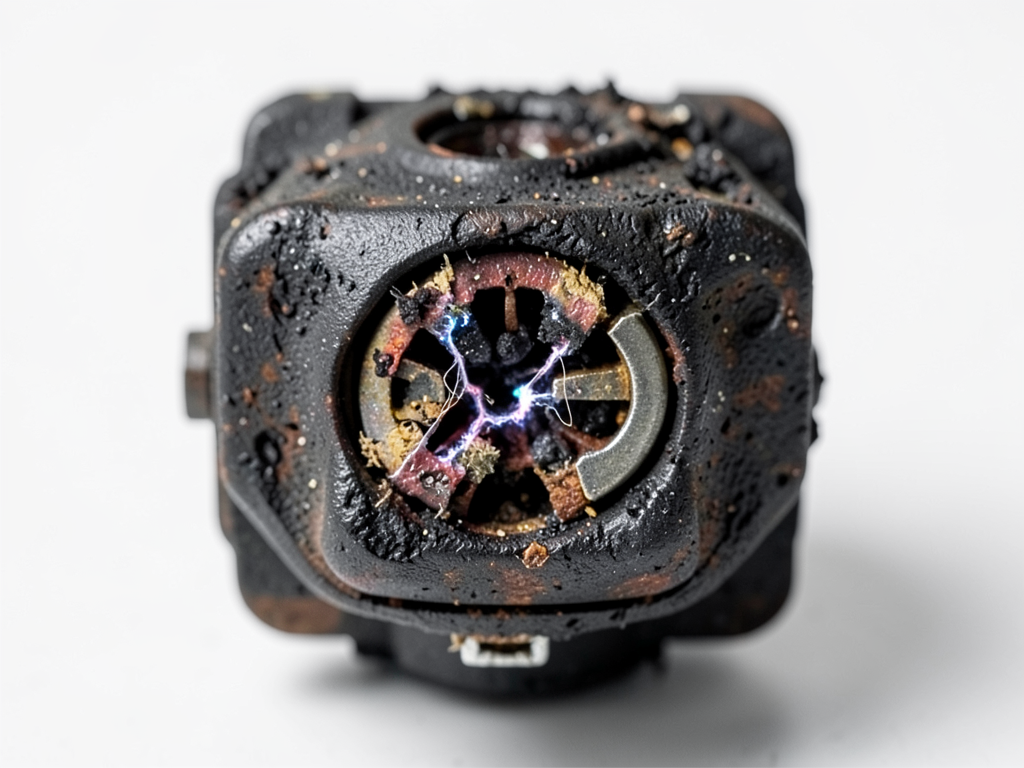
How Florida Lizards and Ants Can Actually Short Out Your Lutz AC Unit Your AC…
Your comfort matters and we respond fast. Call Peak HVAC Tampa at (656) 237-5377 for emergency repairs or schedule maintenance service. Our technicians are ready to help Plant City homeowners and businesses. We answer calls 24/7 and provide same-day service when you need it most.