
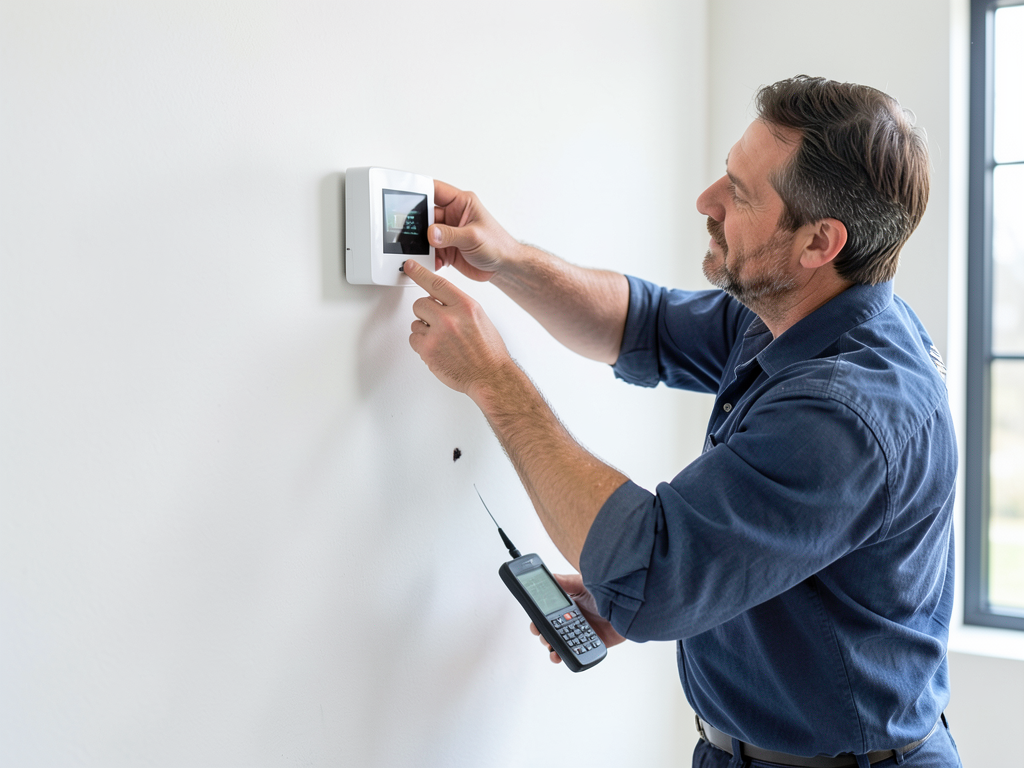
Why Your AC Thermostat is Probably in the Wrong Spot in Your Odessa Home
Your thermostat controls your entire cooling system, yet most homeowners never think about where it’s mounted. In Odessa’s Florida climate, poor placement can cause your AC to short-cycle, run constantly, or create hot and cold spots throughout your home. This isn’t just an inconvenience—it’s costing you money on every electric bill. Florida Building Code Energy Conservation.
Florida’s high humidity and intense afternoon sun create unique challenges for thermostat accuracy. A sensor placed in direct sunlight or near a kitchen can read temperatures 5-8 degrees higher than the rest of your home, forcing your system to work overtime. The good news? Most placement issues can be corrected without replacing your entire HVAC system. Troubleshooting AC Issues.
Why Thermostat Placement Matters in Florida’s Climate
Tampa Bay’s climate creates specific problems that northern states never face. Our average humidity hovers around 74%, which means your thermostat needs to sense both temperature and moisture accurately. When placed incorrectly, it can’t distinguish between actual heat and humidity-induced discomfort.. Read more about What a blank thermostat screen means for your West Tampa home.
Afternoon sun exposure is another major factor. Many Odessa homes have west-facing walls that absorb heat throughout the day. A thermostat mounted on these walls reads artificially high temperatures, causing your AC to run longer than necessary. This creates a vicious cycle: the system cools the wall, but the wall radiates heat back into the room.
Florida’s Building Code Section 403.2.4 requires proper HVAC zoning and thermostat placement to ensure energy efficiency. The code specifically addresses placement away from heat sources and direct sunlight to prevent false readings that waste energy. Energy Department thermostat efficiency guide.
The ‘Golden Rules’ of Thermostat Placement
Following these placement guidelines can improve your system’s efficiency by 10-15% and eliminate most comfort complaints. The rules apply whether you have a basic programmable unit or a smart thermostat with remote sensors.
The 5-Foot Rule is non-negotiable. Your thermostat should be mounted 52-60 inches from the floor. This height ensures it reads the average air temperature where people actually live and breathe. Mounting too low means it senses cold air near the floor; too high and it picks up heat from the ceiling.
Interior walls are always better than exterior walls. Exterior walls experience temperature swings of 15-20 degrees between day and night, while interior walls stay within 5 degrees. This stability is crucial for accurate readings.
Dead air zones are your enemy. Avoid corners where air doesn’t circulate well. These spots trap heat and humidity, creating false readings that make your system think the whole house is warmer than it actually is.
5 Places You Should Never Install Your Thermostat
Certain locations guarantee poor performance. These are the five worst spots for thermostat placement in any Odessa home.
Above or near return air vents causes short-cycling. The thermostat senses the cold air being pulled toward the vent and shuts off the system prematurely. Your home never reaches the set temperature, but the thermostat thinks it’s done.
Kitchens are thermostat killers. Cooking appliances generate intense heat bursts that can raise local temperatures 15-20 degrees. Your thermostat will keep the AC running long after the rest of the house is comfortable.
Direct sunlight exposure is perhaps the most common mistake. A thermostat in a sunny window can read 10 degrees higher than the actual room temperature. Smart thermostats with sun-blocking features still struggle with this issue.
Drafts from windows, doors, or poorly sealed walls create ghost readings. The thermostat senses cold air from drafts and thinks the room is cooler than it actually is, causing the system to run longer than necessary.
Near electronics or appliances that generate heat is another problem area. TVs, computers, and even some light fixtures can raise local temperatures enough to affect readings.
Advanced Considerations: Multi-Story Homes and Zoning
Odessa’s many two-story homes present unique challenges. Heat rises, so your upstairs will always be warmer than downstairs. A single thermostat can’t accurately control both zones.
Zoned HVAC systems solve this by using multiple thermostats or remote sensors. Each zone has its own temperature control, allowing you to maintain different temperatures on different floors. This is especially important in homes with high ceilings or large open spaces.
For homes over 2,000 square feet, consider a smart thermostat with remote room sensors. These sensors can be placed in different areas of your home, giving you a more accurate picture of overall temperature and humidity levels.
The Energy Star guidelines recommend one thermostat per 1,500 square feet of living space, or per distinct climate zone within your home. This ensures each area maintains its optimal temperature without overworking the system.
Smart Thermostats and Remote Sensors: A Modern Solution
Smart thermostats offer solutions that traditional units can’t match. Remote sensors can be placed anywhere in your home, away from problem areas, while still controlling your main system.
Many smart models learn your schedule and adjust automatically. They can detect when you’re home or away, and some even factor in local weather forecasts to optimize cooling cycles.
Humidity sensing is a crucial feature for Florida homes. Some smart thermostats measure both temperature and humidity, providing a more accurate comfort reading than temperature alone. This is especially important in Odessa’s climate where humidity can make 75 degrees feel like 80.
Integration with other smart home devices allows for even better control. Your thermostat can work with smart blinds to close during the hottest parts of the day, or with ceiling fans to improve air circulation without running the AC.
Professional Thermostat Installation Services in Odessa
Moving a thermostat isn’t a simple DIY project. It requires running new wiring, patching walls, and ensuring proper calibration. Professional installation ensures your system works correctly from day one.
During installation, technicians use specialized tools to measure air temperature at different heights and locations. This data helps determine the optimal placement for your specific home layout and orientation.
Professional services also include system recalibration. After moving the thermostat, your HVAC system needs adjustment to work with the new sensor location. This ensures proper cycling and prevents short-cycling issues. Who to Call for 24-Hour AC Service in New Tampa When the Temperature Starts Climbing.
Many homeowners don’t realize that thermostat placement affects their SEER rating. Poor placement can reduce your system’s efficiency by 20% or more, essentially negating any energy savings from a high-efficiency unit. Why Most Carrollwood Homeowners Choose Local HVAC Experts Over Big Box Brands.
Call (656) 237-5377 today to schedule your thermostat assessment. Our technicians can evaluate your current placement and recommend solutions that will improve comfort and reduce energy costs.
Frequently Asked Questions
Can I move my thermostat myself?
Moving a thermostat requires electrical knowledge and HVAC expertise. DIY attempts often result in wiring problems, calibration issues, or system damage. Professional installation ensures proper function and maintains your system warranty.
How much does it cost to relocate a thermostat?
Professional thermostat relocation typically costs between $150-400, depending on wiring complexity and wall repairs needed. This investment often pays for itself within one cooling season through improved efficiency.
Will a smart thermostat fix my placement problems?
Smart thermostats with remote sensors can help, but they don’t eliminate the need for proper main unit placement. The primary thermostat still needs to be in a good location to control the system effectively.
How do I know if my thermostat is in a bad spot?
Signs include inconsistent temperatures between rooms, AC running constantly or cycling too frequently, and higher-than-expected energy bills. A professional assessment can identify specific placement issues.. Read more about Why some rooms in your Tampa Palms house feel stuffy while others are freezing.
Can I add more than one thermostat to my system?
Most modern HVAC systems support multiple thermostats or zoning. However, your existing equipment must be compatible. A professional evaluation can determine if your system can be upgraded for multi-zone control.
Don’t let poor thermostat placement cost you comfort and money. Call (656) 237-5377 now to schedule your professional assessment and start enjoying consistent temperatures throughout your Odessa home.
You may also find this helpful. Keeping Your Airbnb Guests Cool and Happy with Smart HVAC in Sulphur Springs.
{
“@context”: “https://schema.org”,
“@type”: “BlogPosting”,
“headline”: “Why Your AC Thermostat is Probably in the Wrong Spot in Your Odessa Home”,
“description”: “Discover why thermostat placement affects comfort and energy bills in Odessa homes. Learn the 5-foot rule, avoid common mistakes, and optimize placement for Florida’s climate.”,
“wordCount”: 1325,
“datePublished”: “2026-03-11T11:35:00.000Z”,
“dateModified”: “2026-03-11T11:35:00.000Z”,
“inLanguage”: “en-US”,
“mainEntityOfPage”: {
“@type”: “WebPage”,
“@id”: “https://peakhvactampa.com”
},
“publisher”: {
“@type”: “LocalBusiness”,
“name”: “Peak HVAC Tampa”,
“url”: “https://peakhvactampa.com”
},
“author”: {
“@type”: “Organization”,
“name”: “Peak HVAC Tampa”,
“url”: “https://peakhvactampa.com”
},
“image”: {
“@type”: “ImageObject”,
“url”: “https://peakhvactampa.com/wp-content/uploads/2026/03/why-your-ac-thermostat-is-probably-in-the-wrong-sp-1.png”
}
}
{
“@context”: “https://schema.org”,
“@type”: “HVACBusiness”,
“name”: “Peak HVAC Tampa”,
“url”: “https://peakhvactampa.com”,
“address”: {
“@type”: “PostalAddress”,
“addressLocality”: “Tampa”
},
“areaServed”: {
“@type”: “City”,
“name”: “Tampa”
}
}
{
“@context”: “https://schema.org”,
“@type”: “FAQPage”,
“mainEntity”: [
{
“@type”: “Question”,
“name”: “Can I move my thermostat myself?”,
“acceptedAnswer”: {
“@type”: “Answer”,
“text”: “Moving a thermostat requires electrical knowledge and HVAC expertise. DIY attempts often result in wiring problems, calibration issues, or system damage. Professional installation ensures proper function and maintains your system warranty.”
}
},
{
“@type”: “Question”,
“name”: “How much does it cost to relocate a thermostat?”,
“acceptedAnswer”: {
“@type”: “Answer”,
“text”: “Professional thermostat relocation typically costs between $150-400, depending on wiring complexity and wall repairs needed. This investment often pays for itself within one cooling season through improved efficiency.”
}
},
{
“@type”: “Question”,
“name”: “Will a smart thermostat fix my placement problems?”,
“acceptedAnswer”: {
“@type”: “Answer”,
“text”: “Smart thermostats with remote sensors can help, but they don’t eliminate the need for proper main unit placement. The primary thermostat still needs to be in a good location to control the system effectively.”
}
},
{
“@type”: “Question”,
“name”: “How do I know if my thermostat is in a bad spot?”,
“acceptedAnswer”: {
“@type”: “Answer”,
“text”: “Signs include inconsistent temperatures between rooms, AC running constantly or cycling too frequently, and higher-than-expected energy bills. A professional assessment can identify specific placement issues.”
}
},
{
“@type”: “Question”,
“name”: “Can I add more than one thermostat to my system?”,
“acceptedAnswer”: {
“@type”: “Answer”,
“text”: “Most modern HVAC systems support multiple thermostats or zoning. However, your existing equipment must be compatible. A professional evaluation can determine if your system can be upgraded for multi-zone control.”
}
}
]
}
{
“@context”: “https://schema.org”,
“@type”: “BreadcrumbList”,
“itemListElement”: [
{
“@type”: “ListItem”,
“position”: 1,
“name”: “Home”,
“item”: “https://peakhvactampa.com”
},
{
“@type”: “ListItem”,
“position”: 2,
“name”: “Blog”,
“item”: “https://peakhvactampa.com/blog”
},
{
“@type”: “ListItem”,
“position”: 3,
“name”: “Why Your AC Thermostat is Probably in the Wrong Spot in Your Odessa Home”
}
]
}
{
“@context”: “https://schema.org”,
“@type”: “Service”,
“serviceType”: “HVAC”,
“provider”: {
“@type”: “LocalBusiness”,
“name”: “Peak HVAC Tampa”,
“url”: “https://peakhvactampa.com”
},
“areaServed”: {
“@type”: “City”,
“name”: “Tampa”
},
“description”: “Discover why thermostat placement affects comfort and energy bills in Odessa homes. Learn the 5-foot rule, avoid common mistakes, and optimize placement for Florida’s climate.”
}