
Claiming Your 2026 Federal Tax Credits for a High-Efficiency HVAC in Forest Hills
Homeowners in Forest Hills can save thousands on new high-efficiency HVAC systems through 2026 federal tax credits. The Inflation Reduction Act provides up to $2,000 for qualifying heat pumps and $600 for central air conditioners, making energy-efficient upgrades more affordable than ever. Energy Star Heat Pump Tax Credits.
These credits apply to primary residences in Tampa’s humid climate zone and can be combined with local utility rebates from TECO and Duke Energy Florida for maximum savings. Understanding the eligibility requirements and claiming process helps you maximize your investment in home comfort.. Read more about Navigating Tampa Building Permits for Your New Air Conditioning Installation.
Understanding the 2026 Federal Tax Credit Program
The 2026 federal tax credits for high-efficiency HVAC systems fall under Section 25C of the Internal Revenue Code, part of the Inflation Reduction Act. These credits cover 30% of qualified energy-efficient home improvements with specific annual caps.. Read more about Using a Hybrid Heat Pump System to Efficiently Cool Your Culbreath Isles Estate.
For 2026, homeowners can claim up to $2,000 for qualifying heat pump installations and $600 for central air conditioning systems that meet strict efficiency standards. Unlike previous programs with lifetime limits, these credits reset annually through 2032. Why Most Carrollwood Homeowners Choose Local HVAC Experts Over Big Box Brands.
The credits apply to your federal income tax liability, meaning you must owe taxes to benefit fully. Any unused portion can be carried forward to future tax years, providing flexibility in how you claim your savings.
Heat Pump Tax Credits: The $2,000 Gold Standard
Heat pumps represent the most valuable HVAC upgrade for 2026 tax credits, offering up to $2,000 back on qualifying installations. These systems provide both heating and cooling efficiency, making them ideal for Tampa’s climate where air conditioning runs nearly year-round.. Read more about What to look for in an HVAC system when buying a home in Virginia Park.
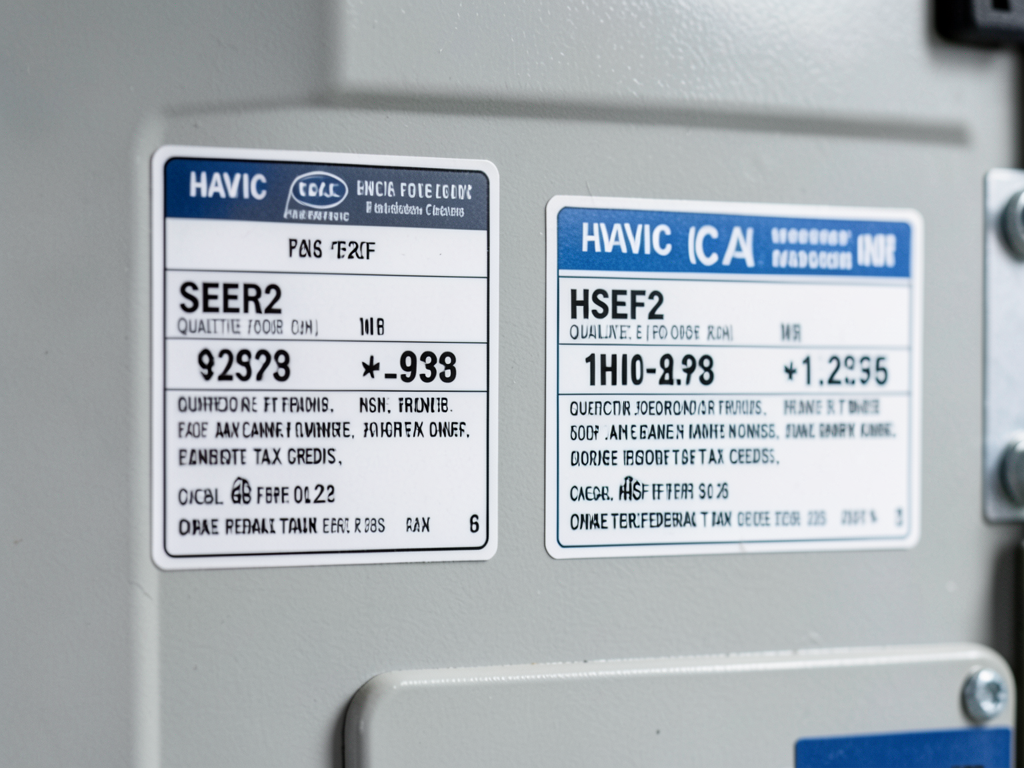
To qualify for the full credit, heat pumps must meet CEE (Consortium for Energy Efficiency) Highest Efficiency Tier requirements. For 2026, this means achieving at least 16 SEER2 and 10 HSPF2 ratings for split systems, or 14 SEER2 and 8 HSPF2 for packaged units.
The higher efficiency translates to lower monthly utility bills in Forest Hills, where summer temperatures regularly exceed 90 degrees. A qualifying heat pump can reduce cooling costs by 30-40% compared to older systems while providing reliable heating during occasional cold snaps. Reliable Commercial HVAC Services for Temple Terrace Business Owners.
Central Air Conditioner Credits: $600 for Southern Climate Units
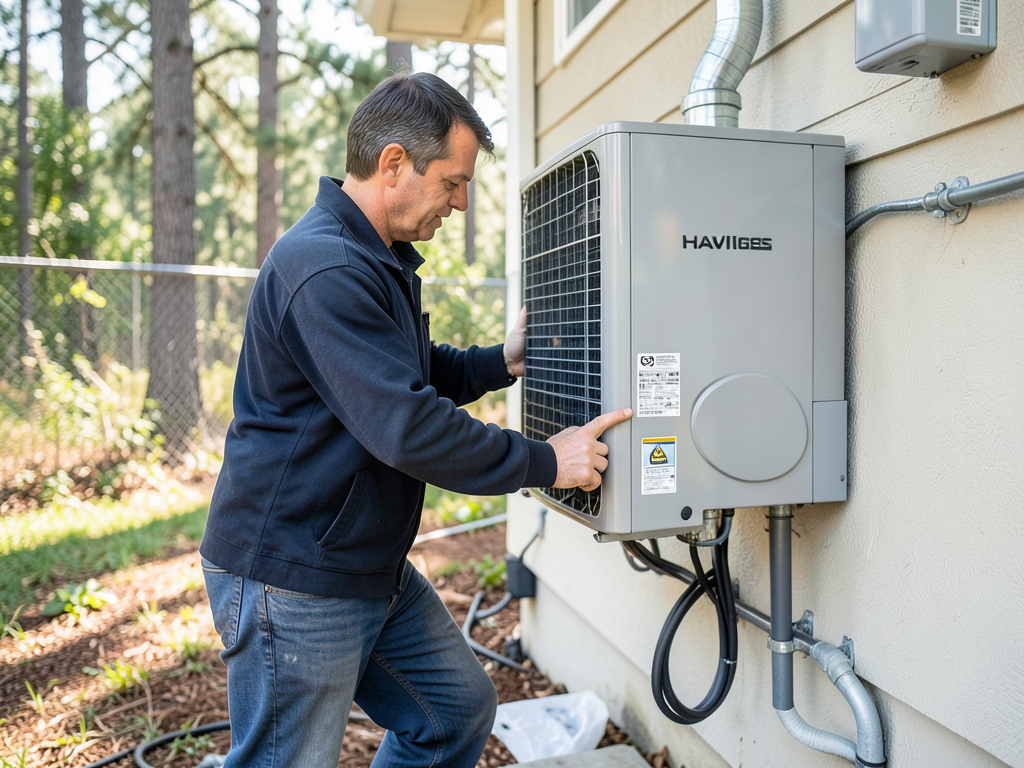
Central air conditioning systems meeting 2026 requirements qualify for up to $600 in federal tax credits. These credits target high-efficiency units specifically designed for hot, humid climates like Tampa’s.
For the Southern region, qualifying AC units must achieve at least 16 SEER2 and 12.5 EER2 ratings. These efficiency metrics ensure the system handles both temperature and humidity control effectively in Forest Hills’ challenging climate conditions.
The $600 credit applies to both split-system and packaged air conditioners that meet Energy Star Most Efficient 2026 criteria. This includes variable-speed compressors and advanced humidity control features that prevent the sticky indoor air common in older Tampa homes.
Installation costs, including necessary ductwork modifications and electrical upgrades, qualify for the credit when part of a complete system replacement. This makes comprehensive HVAC upgrades more financially accessible for Forest Hills homeowners.
Local Tampa Utility Rebates: Stacking Your Savings
Tampa Electric (TECO) offers additional rebates that stack with federal tax credits, potentially saving you thousands more on high-efficiency HVAC installations. Their Smart Efficiency programs provide cash rebates for qualifying heat pumps and air conditioning systems.
Duke Energy Florida’s Smart $aver program offers similar incentives for customers in their service area. These utility rebates typically range from $200 to $800 depending on the system’s efficiency rating and installation scope. Who to Call for 24-Hour AC Service in New Tampa When the Temperature Starts Climbing.
The stacking effect creates substantial savings. A qualifying heat pump installation might receive $2,000 in federal credits plus $400 from TECO, reducing your net cost by over 40% compared to standard equipment.
Local contractors familiar with both federal and utility incentive programs can help you navigate the paperwork and ensure all requirements are met. This expertise prevents costly mistakes that could disqualify your credits.
Eligibility Requirements for 2026 Credits
Federal tax credits for HVAC systems have specific eligibility requirements that affect your qualification. Understanding these rules helps you plan your upgrade strategy and maximize available savings.
The property must be your primary residence located in the United States. Second homes, rental properties, and new construction typically don’t qualify for these credits. The equipment must be installed and operational during the tax year you’re claiming.
Annual credit limits apply rather than lifetime caps. For 2026, the total Section 25C credit cannot exceed $3,200, which includes $1,200 for heat pumps, central air conditioners, and other equipment, plus $2,000 specifically for heat pumps.
Your tax liability limits the actual benefit. If you owe $1,500 in federal taxes but qualify for a $2,000 credit, you can only use $1,500 that year. The remaining $500 can be carried forward to future tax years.
How to Claim Your 2026 Federal Tax Credit
Claiming your 2026 federal tax credit requires proper documentation and following specific IRS procedures. The process involves Form 5695 and supporting documentation from your HVAC contractor. IRS Residential Energy Credits.
Keep all contractor invoices, AHRI certificates, and efficiency ratings documentation. These prove your equipment meets the required standards and installation occurred during the qualifying tax year. Without proper documentation, the IRS may deny your credit.
Complete IRS Form 5695 (Residential Energy Credits) and attach it to your Form 1040 tax return. The form calculates your credit amount based on qualified expenditures and carries forward any unused portions to future years.
Many Forest Hills homeowners benefit from working with tax professionals familiar with energy efficiency credits. They can identify all qualifying improvements and ensure proper documentation for maximum benefit.
2026 vs Previous Year Requirements
The 2026 federal tax credit requirements differ significantly from previous years, affecting your upgrade timing decisions. Understanding these changes helps you plan your HVAC investment strategically.
Previous programs used SEER ratings, while 2026 requires SEER2 and EER2 metrics. The new testing methodology provides more accurate efficiency measurements for real-world conditions, particularly in hot, humid climates like Tampa’s.
Annual caps replaced lifetime limits, giving homeowners more flexibility. You can now claim credits for multiple years of improvements rather than maximizing everything in one installation year.
The 2026 program maintains the same efficiency requirements through 2032, providing long-term planning certainty. However, equipment costs may increase as manufacturers adapt to new testing standards and efficiency requirements.
Climate Considerations for Forest Hills Homes
Forest Hills’ location in Tampa’s coastal zone creates unique HVAC challenges that affect system selection and credit qualification. High humidity and salt-air exposure require specific equipment features for reliable operation.
The area’s average summer humidity exceeds 70%, making latent heat removal crucial for comfort. Qualifying heat pumps include enhanced dehumidification features that prevent mold growth and maintain healthy indoor air quality.
Salt-air corrosion affects outdoor equipment longevity. 2026 tax credit eligible units include corrosion-resistant coatings and materials that withstand Forest Hills’ coastal environment, extending system life beyond standard equipment.
Local building codes require hurricane tie-downs and specific mounting requirements for outdoor units. These installation standards ensure your qualifying system remains operational during severe weather events common to the Tampa area.
Cost vs Benefit Analysis for 2026 Upgrades
Understanding the true cost-benefit relationship helps Forest Hills homeowners make informed HVAC investment decisions. The combination of tax credits, utility rebates, and energy savings creates compelling financial returns.
Typical heat pump installations range from $5,000 to $12,000 depending on home size and complexity. After applying $2,000 federal credits and $400 utility rebates, net costs often fall between $2,600 and $9,600.
Energy savings of 30-40% on cooling costs typically provide payback periods of 5-7 years. When combined with tax credit benefits, the effective payback period shortens to 3-5 years for many Forest Hills homes.
Increased home value represents another benefit. Energy-efficient HVAC systems appeal to environmentally conscious buyers and can increase resale value by $2,000 to $4,000 in the Tampa market.
Professional Installation Requirements
Federal tax credits require professional installation by licensed HVAC contractors. DIY installations or work by unlicensed individuals disqualify the equipment from credit eligibility.
Contractors must provide detailed invoices showing equipment model numbers, efficiency ratings, and installation costs. They should also supply AHRI certificates verifying the system meets required efficiency standards.
Proper permitting ensures code compliance and maintains credit eligibility. Forest Hills homeowners should verify their contractor obtains all necessary permits and passes required inspections.
Documentation should include before and after photos, load calculations, and warranty information. This comprehensive record-keeping protects your credit claim if questioned by the IRS.
Frequently Asked Questions
Can I claim credits for multiple HVAC improvements in 2026?
Yes, you can claim multiple qualifying improvements as long as the total credit doesn’t exceed $3,200 for Section 25C credits. This includes heat pumps, central air conditioners, and other energy-efficient upgrades.
What if I don’t owe enough taxes to use the full credit?
Unused portions of the credit can be carried forward to future tax years. If you qualify for a $2,000 credit but only owe $1,500 in taxes, you can use $1,500 this year and carry forward the remaining $500.
Do rental properties qualify for these tax credits?
No, the 2026 federal tax credits apply only to your primary residence. Rental properties, second homes, and new construction typically don’t qualify under Section 25C.
How do I know if my contractor’s equipment qualifies?
Ask your contractor for AHRI certificates and efficiency ratings documentation. Qualifying equipment must meet specific SEER2, EER2, and HSPF2 requirements depending on the system type and your climate zone.
Can I combine federal credits with utility rebates?
Yes, federal tax credits and utility rebates stack together, providing maximum savings. Many Forest Hills homeowners combine $2,000 federal credits with $400+ utility rebates for substantial total savings.
Ready to Maximize Your 2026 HVAC Savings?
Forest Hills homeowners can save thousands on high-efficiency HVAC systems through 2026 federal tax credits and local utility rebates. The combination of up to $2,000 in federal credits plus additional savings from TECO or Duke Energy Florida makes now the perfect time to upgrade your home’s comfort system.
Don’t wait until the next heatwave hits. Call (656) 237-5377 today to schedule your free consultation and learn exactly how much you can save on your new high-efficiency HVAC system. Our experts will help you navigate both federal and local incentive programs to maximize your investment.
Pick up the phone and call (656) 237-5377 before the next storm hits. We’ll help you claim every dollar of available tax credits and ensure your new system handles Tampa’s challenging climate with maximum efficiency.
You may also find this helpful. What to Do if Your Ballast Point AC Still Uses R-22 Refrigerant.
{
“@context”: “https://schema.org”,
“@type”: “BlogPosting”,
“headline”: “Claiming Your 2026 Federal Tax Credits for a High-Efficiency HVAC in Forest Hills”,
“description”: “Learn how Tampa homeowners in Forest Hills can claim 2026 federal tax credits for high-efficiency HVAC systems. Get up to $2,000 for heat pumps and $600 for AC units.”,
“wordCount”: 1769,
“datePublished”: “2026-03-22T12:47:00.000Z”,
“dateModified”: “2026-03-22T12:47:00.000Z”,
“inLanguage”: “en-US”,
“mainEntityOfPage”: {
“@type”: “WebPage”,
“@id”: “https://peakhvactampa.com”
},
“publisher”: {
“@type”: “LocalBusiness”,
“name”: “Peak HVAC Tampa”,
“url”: “https://peakhvactampa.com”
},
“author”: {
“@type”: “Organization”,
“name”: “Peak HVAC Tampa”,
“url”: “https://peakhvactampa.com”
},
“image”: {
“@type”: “ImageObject”,
“url”: “https://peakhvactampa.com/wp-content/uploads/2026/03/claiming-your-2026-federal-tax-credits-for-a-high-1.png”
}
}
{
“@context”: “https://schema.org”,
“@type”: “HVACBusiness”,
“name”: “Peak HVAC Tampa”,
“url”: “https://peakhvactampa.com”,
“address”: {
“@type”: “PostalAddress”,
“addressLocality”: “Tampa”
},
“areaServed”: {
“@type”: “City”,
“name”: “Tampa”
}
}
{
“@context”: “https://schema.org”,
“@type”: “FAQPage”,
“mainEntity”: [
{
“@type”: “Question”,
“name”: “Can I claim credits for multiple HVAC improvements in 2026?”,
“acceptedAnswer”: {
“@type”: “Answer”,
“text”: “Yes, you can claim multiple qualifying improvements as long as the total credit doesn’t exceed $3,200 for Section 25C credits. This includes heat pumps, central air conditioners, and other energy-efficient upgrades.”
}
},
{
“@type”: “Question”,
“name”: “What if I don’t owe enough taxes to use the full credit?”,
“acceptedAnswer”: {
“@type”: “Answer”,
“text”: “Unused portions of the credit can be carried forward to future tax years. If you qualify for a $2,000 credit but only owe $1,500 in taxes, you can use $1,500 this year and carry forward the remaining $500.”
}
},
{
“@type”: “Question”,
“name”: “Do rental properties qualify for these tax credits?”,
“acceptedAnswer”: {
“@type”: “Answer”,
“text”: “No, the 2026 federal tax credits apply only to your primary residence. Rental properties, second homes, and new construction typically don’t qualify under Section 25C.”
}
},
{
“@type”: “Question”,
“name”: “How do I know if my contractor’s equipment qualifies?”,
“acceptedAnswer”: {
“@type”: “Answer”,
“text”: “Ask your contractor for AHRI certificates and efficiency ratings documentation. Qualifying equipment must meet specific SEER2, EER2, and HSPF2 requirements depending on the system type and your climate zone.”
}
},
{
“@type”: “Question”,
“name”: “Can I combine federal credits with utility rebates?”,
“acceptedAnswer”: {
“@type”: “Answer”,
“text”: “Yes, federal tax credits and utility rebates stack together, providing maximum savings. Many Forest Hills homeowners combine $2,000 federal credits with $400+ utility rebates for substantial total savings.”
}
},
{
“@type”: “Question”,
“name”: “Ready to Maximize Your 2026 HVAC Savings?”,
“acceptedAnswer”: {
“@type”: “Answer”,
“text”: “Forest Hills homeowners can save thousands on high-efficiency HVAC systems through 2026 federal tax credits and local utility rebates. The combination of up to $2,000 in federal credits plus additional savings from TECO or Duke Energy Florida makes now the perfect time to upgrade your home’s comfort system.”
}
}
]
}
{
“@context”: “https://schema.org”,
“@type”: “BreadcrumbList”,
“itemListElement”: [
{
“@type”: “ListItem”,
“position”: 1,
“name”: “Home”,
“item”: “https://peakhvactampa.com”
},
{
“@type”: “ListItem”,
“position”: 2,
“name”: “Blog”,
“item”: “https://peakhvactampa.com/blog”
},
{
“@type”: “ListItem”,
“position”: 3,
“name”: “Claiming Your 2026 Federal Tax Credits for a High-Efficiency HVAC in Forest Hills”
}
]
}
{
“@context”: “https://schema.org”,
“@type”: “Service”,
“serviceType”: “HVAC”,
“provider”: {
“@type”: “LocalBusiness”,
“name”: “Peak HVAC Tampa”,
“url”: “https://peakhvactampa.com”
},
“areaServed”: {
“@type”: “City”,
“name”: “Tampa”
},
“description”: “Learn how Tampa homeowners in Forest Hills can claim 2026 federal tax credits for high-efficiency HVAC systems. Get up to $2,000 for heat pumps and $600 for AC units.”
}