
Keeping Your Airbnb Guests Cool and Happy with Smart HVAC in Sulphur Springs
Running a successful Airbnb in Sulphur Springs means more than just providing a clean space and fast Wi-Fi. In Tampa’s brutal heat and humidity, your air conditioning system can make or break your guest reviews. A single night of discomfort sends guests searching for a hotel, leaving you with a negative review that haunts your listing for months. HVAC Spring Hill.
The good news is that smart HVAC technology specifically designed for vacation rentals can prevent these disasters while saving you money on energy costs. Property owners across Sulphur Springs are discovering that the right AC setup with remote monitoring and guest controls creates a win-win situation: happy guests who rave about the perfect temperature and lower utility bills for you. How to Choose the Right New Air Conditioner for Your Westchase Home.
Sulphur Springs sits in a unique microclimate where afternoon thunderstorms roll in from the Gulf, creating humidity spikes that can overwhelm standard AC units. The historic homes and mid-century bungalows common in the area often have older ductwork that struggles with Tampa’s 90-degree summer days. Without the right HVAC strategy, you’re setting yourself up for emergency repair calls during peak booking season. EPA indoor air quality guidelines.
Smart Thermostats That Protect Your Investment
Traditional thermostats give guests complete control, which sounds great until someone cranks the AC to 60 degrees and walks away for 12 hours. This behavior not only wastes energy but can cause your evaporator coil to freeze, shutting down the entire system until it thaws.
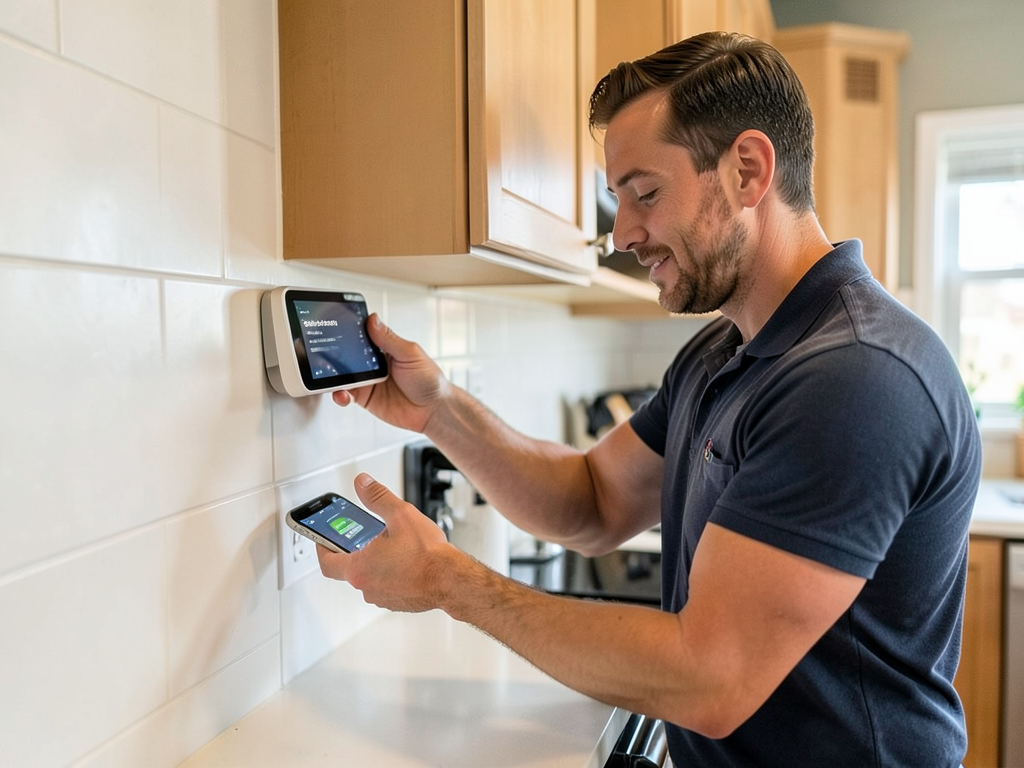
Modern smart thermostats for vacation rentals include lockout features that prevent guests from setting temperatures below a safe threshold, typically 68 degrees. They also allow you to set schedules that adjust temperatures when the property is unoccupied, then cool it back down before check-in time.
The best vacation rental thermostats integrate with property management systems, sending you alerts if the temperature rises above a certain level or if the system stops running. This means you can address problems before guests even notice, often preventing negative reviews.
Models like the Ecobee SmartThermostat with remote sensors work particularly well in Sulphur Springs’ older homes, where some rooms run hotter than others due to poor airflow or sun exposure. These sensors detect temperature variations throughout the house and adjust accordingly, ensuring every guest room stays comfortable.
Installation typically takes less than two hours for a qualified HVAC technician, and the energy savings often pay for the system within the first year of operation. Many property owners see 15-20% reductions in cooling costs after implementing smart controls.
Managing Tampa’s Humidity for Guest Comfort
Humidity is the silent killer of guest satisfaction in Florida vacation rentals. When indoor humidity climbs above 60%, guests feel sticky and uncomfortable even if the temperature reads 72 degrees. This is why many Sulphur Springs hosts report getting complaints about “the AC not working” when the real issue is excess moisture in the air. Getting Your AC Fixed Fast in South Tampa When It Quits Mid-Summer.
Standard AC units remove some humidity as a byproduct of cooling, but they’re not designed to handle Tampa’s extreme moisture loads. This is where dedicated dehumidification systems make a huge difference. These units can maintain indoor humidity between 45-55%, the sweet spot for comfort and preventing mold growth.
For Sulphur Springs properties, whole-house dehumidifiers integrated with your existing HVAC system provide the best results. They work alongside your AC, removing moisture even when cooling isn’t needed, which is crucial during Florida’s mild winter months when humidity remains high.
UV light systems installed in your ductwork add another layer of protection by killing mold spores and bacteria that thrive in humid environments. This not only improves air quality for guests but also prevents the musty odors that can develop in unoccupied periods between bookings.
According to the EPA’s guidelines for indoor air quality, maintaining proper humidity levels not only improves comfort but also prevents structural damage to your property. Excess moisture can warp wood floors, peel wallpaper, and create conditions for mold growth behind walls.
Preventative Maintenance for High-Turnover Properties
Vacation rentals experience much higher wear and tear on HVAC systems than primary residences. With guests coming and going weekly or even daily, your AC runs more frequently and accumulates more dust and debris. This accelerated usage means systems that might last 15 years in a typical home may fail in 8-10 years in a busy rental.
Preventative maintenance becomes critical for protecting your investment. Quarterly professional inspections catch small problems before they become expensive emergencies. During these visits, technicians check refrigerant levels, clean coils, inspect electrical connections, and ensure all safety controls function properly.
Air filter replacement is especially important in Sulphur Springs rentals. The area’s combination of oak pollen in spring and salt air year-round means filters clog faster than in inland locations. High-quality pleated filters changed every 30-45 days keep your system running efficiently and prevent dust from circulating through guest rooms.
Condensate drain lines require special attention in vacation rentals. When guests leave doors open or the system runs continuously, these drains can become overwhelmed, leading to water damage and system shutdowns. Installing secondary drain pans with float switches provides an extra layer of protection against costly water damage.
Many successful Sulphur Springs Airbnb hosts schedule their maintenance during the shoulder seasons when booking rates are lower. This ensures the system is in peak condition before the summer rush without disrupting guest stays.
Guest-Proofing Your HVAC System
Guests don’t intentionally damage HVAC systems, but their unfamiliarity with your property can lead to problems. Common issues include leaving windows open while the AC runs, blocking air vents with furniture, or setting unrealistic temperatures.
Clear, friendly instructions in your welcome guide can prevent many of these issues. Simple tips like “close windows when AC is running” and “keep furniture away from vents” help guests understand how to use your system properly.
Physical modifications can also protect your investment. Child safety locks on thermostat covers prevent tampering while still allowing guests to adjust within safe ranges. Grilles over outdoor units prevent debris from being thrown into the condenser during lawn maintenance or play.
For properties with multiple AC zones, clearly label each thermostat’s coverage area. This prevents guests from fighting over temperature settings and ensures each zone operates efficiently without competing with others.
Emergency shutoff switches installed in accessible locations allow you to quickly power down the system if a guest reports unusual noises or smells. This quick response can prevent minor issues from becoming major failures.
Energy Efficiency and Cost Savings
Smart HVAC systems for vacation rentals aren’t just about guest comfort—they’re also powerful tools for reducing operating costs. In Sulphur Springs, where summer electricity rates can spike during peak demand, efficient operation directly impacts your bottom line.
High-efficiency systems with SEER2 ratings of 16 or higher can reduce cooling costs by 20-30% compared to older units. While the upfront investment is higher, the energy savings and potential tax incentives often provide payback within 3-5 years.
Time-of-use scheduling allows you to automatically adjust temperatures during peak rate periods, typically 2-7 PM on summer weekdays. The system can precool your property during off-peak hours, then maintain temperature with minimal energy use during expensive periods.
Occupancy sensors add another layer of efficiency by detecting when guests are away and adjusting temperatures accordingly. These sensors can distinguish between a room that’s temporarily empty and one that’s been vacant for hours, optimizing comfort while minimizing waste.
According to the Department of Energy, proper HVAC maintenance and smart controls can reduce energy consumption by up to 30% in vacation rental properties. For a typical Sulphur Springs Airbnb running AC 9 months per year, this translates to hundreds of dollars in annual savings. Department of Energy air conditioning efficiency.
Emergency Response and Guest Support
Even with the best preventative measures, HVAC emergencies happen. In Sulphur Springs’ summer heat, a failed AC can make a property uninhabitable within hours. Having a reliable emergency response plan is essential for protecting your business and your reputation. Reliable Commercial HVAC Services for Temple Terrace Business Owners.
Choose an HVAC contractor who understands the unique needs of vacation rentals. They should offer 24/7 emergency service with guaranteed response times, ideally under 2 hours for Sulphur Springs properties. The contractor should also be familiar with property management systems and able to coordinate access with your cleaning or management company. Who to Call for 24-Hour AC Service in New Tampa When the Temperature Starts Climbing.
Maintain a relationship with multiple HVAC providers. During hurricane season or heat waves, emergency calls can overwhelm even the best companies. Having backup options ensures you can get help when you need it most.
Consider including a clause in your rental agreement about HVAC limitations. While you can’t guarantee perfect comfort during extreme weather, you can commit to prompt repairs and provide alternatives like portable fans or window units as temporary solutions.
Many successful Sulphur Springs hosts keep a small window AC unit on hand for emergency backup. While not as efficient as central systems, these units can maintain livable conditions in key areas until permanent repairs are completed.
Local Success Stories in Sulphur Springs
Property owners across Sulphur Springs have transformed their rental businesses by upgrading their HVAC systems. One host on Nebraska Avenue saw their five-star review rate increase by 40% after installing smart thermostats and whole-house dehumidification. Guests specifically mentioned the “perfect temperature” and “no musty smell” in their reviews.
A historic bungalow owner near Sulphur Springs Park invested in a high-efficiency system with zoning controls. The property now maintains different temperatures in the front bedroom (which gets afternoon sun) and the back bedrooms, eliminating the complaints about “the front room is too hot” that plagued earlier reviews.
Vacation rental managers operating multiple properties in the area report that properties with modern HVAC systems book faster and command higher nightly rates. Guests are willing to pay a premium for guaranteed comfort, especially during Tampa’s hottest months.
These success stories share common themes: investment in quality equipment, regular professional maintenance, and responsive emergency service. The hosts who prioritize HVAC comfort consistently outperform those who cut corners on climate control.
ROI Analysis for Smart HVAC Investments
Upgrading your vacation rental’s HVAC system requires upfront investment, but the returns extend beyond guest satisfaction. Here’s what successful Sulphur Springs hosts typically experience:
Energy savings of 15-25% on cooling costs immediately improve your bottom line. For a property spending $200 monthly on cooling during peak season, this translates to $360 annual savings.
Improved guest satisfaction leads to higher occupancy rates. Properties with excellent HVAC comfort ratings often see 10-15% higher booking rates, especially during summer months when competition is fierce.
Better reviews justify premium pricing. Many hosts report being able to increase nightly rates by $10-20 after upgrading their HVAC systems, as guests recognize and value the improved comfort.
Reduced maintenance emergencies save money on emergency service calls, which typically cost 50-100% more than scheduled repairs. Preventing just one major breakdown can offset a significant portion of your HVAC investment.
Based on these factors, most Sulphur Springs Airbnb hosts see complete return on their HVAC investments within 2-3 years, with ongoing benefits thereafter.
Choosing the Right HVAC Partner
Not all HVAC contractors understand the unique needs of vacation rentals. When selecting a partner for your Sulphur Springs property, look for companies with experience in:
- Smart thermostat installation and programming for short-term rentals
- High-efficiency systems suitable for Florida’s climate
- Emergency response with guaranteed service windows
- Experience with historic and mid-century homes common in Sulphur Springs
- Understanding of local building codes and permit requirements
Ask potential contractors about their experience with vacation rentals specifically. A company that primarily serves residential customers may not understand the urgency of getting your property back online after a system failure.
Request references from other local property managers or Airbnb hosts. These conversations can reveal important details about reliability, communication, and problem-solving that aren’t apparent from marketing materials.
Consider maintenance agreements that include priority service and discounted rates for emergency calls. These agreements often pay for themselves through reduced service costs and faster response times.
Future-Proofing Your Investment
HVAC technology continues to evolve, with new features specifically designed for vacation rentals. When planning your system, consider these emerging trends:
Voice control integration allows guests to adjust temperatures using smart speakers, providing a modern amenity that enhances the guest experience. These systems can be programmed to prevent extreme settings while still offering convenience.
Air quality monitoring is becoming standard in high-end vacation rentals. Systems that track and display indoor air quality metrics give guests confidence in your property’s health standards, particularly important in post-pandemic travel.
Integration with property management software is improving rapidly. Future systems will automatically adjust based on booking calendars, maintenance schedules, and even local weather forecasts, optimizing both comfort and efficiency without manual intervention.
Solar-ready HVAC systems allow for easy integration with renewable energy as it becomes more accessible and affordable. This future-proofing can position your property as an eco-friendly option for environmentally conscious travelers.
Making the Right Choice for Your Property
Every Sulphur Springs Airbnb is unique, and your HVAC solution should match your specific property characteristics, guest demographics, and business model. Consider these factors when making decisions:
Property age and construction significantly impact HVAC requirements. Historic homes may need duct modifications or mini-split systems, while newer construction might accommodate standard high-efficiency units.
Guest expectations vary by price point and target market. Luxury properties demand whisper-quiet operation and precise temperature control, while budget rentals might prioritize reliability and low operating costs.
Local regulations may affect your choices. Tampa’s building codes have specific requirements for HVAC installation, permits, and energy efficiency that your contractor should navigate for you.
Your personal involvement level matters. If you manage the property yourself, you might prefer systems with detailed monitoring and control. If you use a property manager, simpler, more reliable systems might be preferable.
The best approach is to consult with an HVAC professional who understands both the technical requirements and the vacation rental business model. They can help you balance upfront costs against long-term benefits to find the optimal solution for your Sulphur Springs property.
Frequently Asked Questions
What’s the best smart thermostat for a Sulphur Springs Airbnb?
The Ecobee SmartThermostat with remote sensors works exceptionally well for Sulphur Springs properties. It offers guest lockout features, integrates with property management systems, and handles the area’s humidity challenges better than basic models.
How often should I service my vacation rental’s AC system?
Quarterly professional maintenance is ideal for high-turnover properties in Sulphur Springs. This schedule catches problems early and ensures your system handles the peak summer demand without failure.
Can I install a smart thermostat myself or do I need a professional?
While DIY installation is possible, professional installation ensures proper wiring, integration with your existing system, and optimal programming for vacation rental use. Most Sulphur Springs HVAC companies offer same-day installation.
What temperature should I set for guests to prevent energy waste?
Most successful hosts set minimum cooling temperatures at 68-70 degrees and maximum heating at 72-74 degrees. This range keeps guests comfortable while preventing extreme settings that waste energy or damage equipment.
How do I handle AC emergencies during a guest stay?
Have a clear emergency plan including 24/7 HVAC contact, backup cooling options, and compensation policies. Most guests appreciate proactive communication and quick action more than perfect prevention.
Is a whole-house dehumidifier worth the investment?
For Sulphur Springs properties, whole-house dehumidification typically pays for itself through improved guest satisfaction, reduced maintenance costs, and energy savings. The area’s extreme humidity makes these systems particularly valuable.
How long does a typical vacation rental AC system last?
With proper maintenance, expect 10-12 years for systems in high-turnover properties, compared to 15-20 years for primary residences. The increased usage in vacation rentals accelerates wear but doesn’t necessarily indicate poor quality.
What should I do if guests complain about temperature?
First, verify the actual temperature with a separate thermometer. If it’s within your set range, explain your system’s capabilities and offer alternatives like fans. If it’s outside the range, address it immediately as a system failure.
Take Control of Your Guest Comfort Today
Your Sulphur Springs Airbnb’s success depends on providing consistent, reliable comfort that keeps guests coming back and leaving glowing reviews. Don’t let HVAC problems sabotage your rental business when smart solutions are readily available.
Peak HVAC Tampa specializes in vacation rental HVAC systems throughout Sulphur Springs and the greater Tampa area. Our technicians understand the unique challenges of short-term rentals and provide solutions that protect your investment while maximizing guest satisfaction.
Call (656) 237-5377 today to schedule your free consultation. We’ll evaluate your current system, recommend upgrades specific to your property, and show you how smart HVAC technology can transform your rental business.
Don’t wait for a summer emergency to force your hand. Proactive upgrades now mean happy guests all season long and peace of mind knowing your property is protected. Pick up the phone and call (656) 237-5377 before the next heat wave hits Sulphur Springs.
Your guests deserve perfect comfort, and your business deserves reliable systems. Let Peak HVAC Tampa help you deliver both.
{
“@context”: “https://schema.org”,
“@type”: “BlogPosting”,
“headline”: “Keeping Your Airbnb Guests Cool and Happy with Smart HVAC in Sulphur Springs”,
“description”: “Smart HVAC solutions for Sulphur Springs Airbnb hosts. Keep guests comfortable, prevent negative reviews, and save energy with local expert installation and monitoring.”,
“wordCount”: 2877,
“datePublished”: “2026-03-09T15:20:00.000Z”,
“dateModified”: “2026-03-09T15:20:00.000Z”,
“inLanguage”: “en-US”,
“mainEntityOfPage”: {
“@type”: “WebPage”,
“@id”: “https://peakhvactampa.com”
},
“publisher”: {
“@type”: “LocalBusiness”,
“name”: “Peak HVAC Tampa”,
“url”: “https://peakhvactampa.com”
},
“author”: {
“@type”: “Organization”,
“name”: “Peak HVAC Tampa”,
“url”: “https://peakhvactampa.com”
},
“image”: {
“@type”: “ImageObject”,
“url”: “https://peakhvactampa.com/wp-content/uploads/2026/03/keeping-your-airbnb-guests-cool-and-happy-with-sma-1.png”
}
}
{
“@context”: “https://schema.org”,
“@type”: “HVACBusiness”,
“name”: “Peak HVAC Tampa”,
“url”: “https://peakhvactampa.com”,
“address”: {
“@type”: “PostalAddress”,
“addressLocality”: “Tampa”
},
“areaServed”: {
“@type”: “City”,
“name”: “Tampa”
}
}
{
“@context”: “https://schema.org”,
“@type”: “FAQPage”,
“mainEntity”: [
{
“@type”: “Question”,
“name”: “What’s the best smart thermostat for a Sulphur Springs Airbnb?”,
“acceptedAnswer”: {
“@type”: “Answer”,
“text”: “The Ecobee SmartThermostat with remote sensors works exceptionally well for Sulphur Springs properties. It offers guest lockout features, integrates with property management systems, and handles the area’s humidity challenges better than basic models.”
}
},
{
“@type”: “Question”,
“name”: “How often should I service my vacation rental’s AC system?”,
“acceptedAnswer”: {
“@type”: “Answer”,
“text”: “Quarterly professional maintenance is ideal for high-turnover properties in Sulphur Springs. This schedule catches problems early and ensures your system handles the peak summer demand without failure.”
}
},
{
“@type”: “Question”,
“name”: “Can I install a smart thermostat myself or do I need a professional?”,
“acceptedAnswer”: {
“@type”: “Answer”,
“text”: “While DIY installation is possible, professional installation ensures proper wiring, integration with your existing system, and optimal programming for vacation rental use. Most Sulphur Springs HVAC companies offer same-day installation.”
}
},
{
“@type”: “Question”,
“name”: “How do I handle AC emergencies during a guest stay?”,
“acceptedAnswer”: {
“@type”: “Answer”,
“text”: “Have a clear emergency plan including 24/7 HVAC contact, backup cooling options, and compensation policies. Most guests appreciate proactive communication and quick action more than perfect prevention.”
}
},
{
“@type”: “Question”,
“name”: “Is a whole-house dehumidifier worth the investment?”,
“acceptedAnswer”: {
“@type”: “Answer”,
“text”: “For Sulphur Springs properties, whole-house dehumidification typically pays for itself through improved guest satisfaction, reduced maintenance costs, and energy savings. The area’s extreme humidity makes these systems particularly valuable.”
}
},
{
“@type”: “Question”,
“name”: “How long does a typical vacation rental AC system last?”,
“acceptedAnswer”: {
“@type”: “Answer”,
“text”: “With proper maintenance, expect 10-12 years for systems in high-turnover properties, compared to 15-20 years for primary residences. The increased usage in vacation rentals accelerates wear but doesn’t necessarily indicate poor quality.”
}
},
{
“@type”: “Question”,
“name”: “What should I do if guests complain about temperature?”,
“acceptedAnswer”: {
“@type”: “Answer”,
“text”: “First, verify the actual temperature with a separate thermometer. If it’s within your set range, explain your system’s capabilities and offer alternatives like fans. If it’s outside the range, address it immediately as a system failure.”
}
}
]
}
{
“@context”: “https://schema.org”,
“@type”: “BreadcrumbList”,
“itemListElement”: [
{
“@type”: “ListItem”,
“position”: 1,
“name”: “Home”,
“item”: “https://peakhvactampa.com”
},
{
“@type”: “ListItem”,
“position”: 2,
“name”: “Blog”,
“item”: “https://peakhvactampa.com/blog”
},
{
“@type”: “ListItem”,
“position”: 3,
“name”: “Keeping Your Airbnb Guests Cool and Happy with Smart HVAC in Sulphur Springs”
}
]
}
{
“@context”: “https://schema.org”,
“@type”: “Service”,
“serviceType”: “HVAC”,
“provider”: {
“@type”: “LocalBusiness”,
“name”: “Peak HVAC Tampa”,
“url”: “https://peakhvactampa.com”
},
“areaServed”: {
“@type”: “City”,
“name”: “Tampa”
},
“description”: “Smart HVAC solutions for Sulphur Springs Airbnb hosts. Keep guests comfortable, prevent negative reviews, and save energy with local expert installation and monitoring.”
}