
How to landscape around your Dover AC unit without choking the system
Your AC condenser needs breathing room to keep your Dover home cool during Florida’s brutal summers. Many homeowners plant too close to the unit, blocking airflow and forcing the system to work harder. This guide shows you how to create a beautiful landscape that protects your AC’s efficiency and extends its lifespan. Why Most Carrollwood Homeowners Choose Local HVAC Experts Over Big Box Brands.
The Golden Rule: Airflow and Clearances
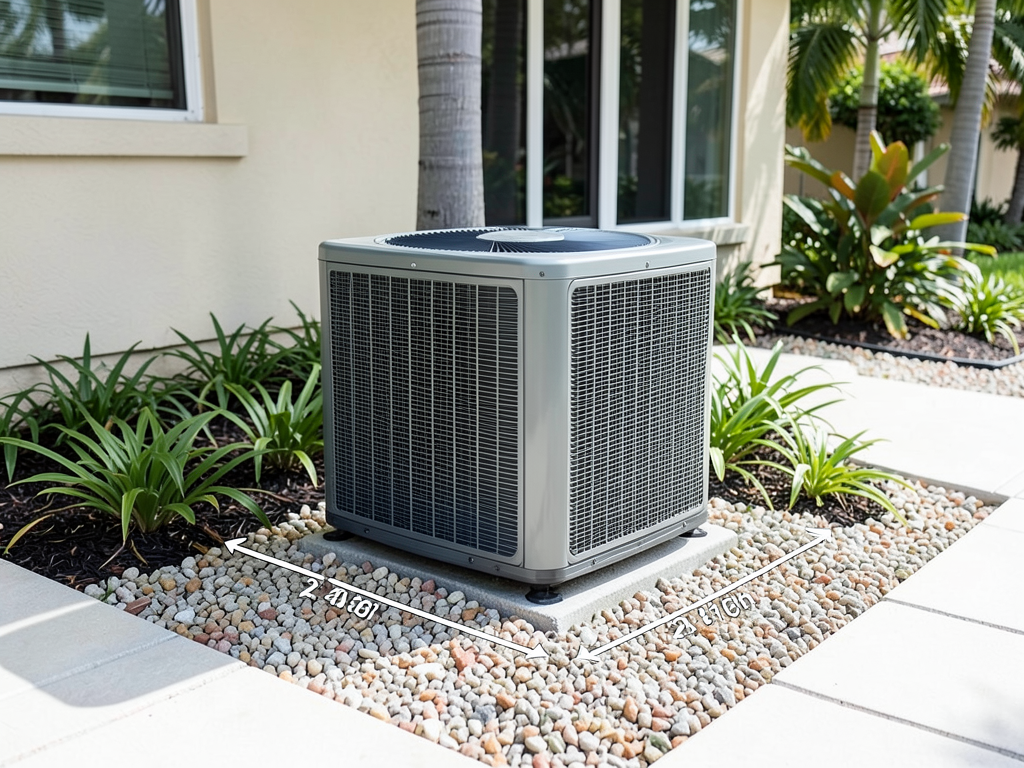
Proper spacing keeps your AC running efficiently and prevents costly repairs. The condenser needs open space on all sides to pull in air and release heat. When plants grow too close they restrict airflow and trap hot air around the coils. EPA water management practices.
- Two-Foot Minimum Clearance
Keep all plants at least 24 inches away from the unit on every side. This allows technicians to access the system for maintenance and repairs.
- Five-Foot Vertical Clearance
Maintain at least 60 inches of clear space above the condenser. Overhanging tree branches can drop leaves and debris into the unit.. Read more about Protecting Your AC Condenser from Dog Urine Damage in Dog-Friendly Beach Park.
- Service Access Path
Create a three-foot wide path to the unit so technicians can reach it without stepping on your plants or mulch.
Best Plants for Tampa AC Landscaping (Zone 9b)
Choose plants that won’t drop leaves, needles, or fruit into your AC unit. Florida’s humid climate means some plants grow faster than expected, so select slow-growing varieties that won’t require constant trimming near the condenser. How to Choose the Right New Air Conditioner for Your Westchase Home.
| Plant Name | Growth Rate | Maintenance Level | Benefits |
|---|---|---|---|
| Dwarf Burford Holly | Slow | Low | Evergreen, salt-tolerant, no messy fruit |
| Silver Saw Palmetto | Slow | Very Low | Native, drought-resistant, no shedding |
| Boxwood | Slow | Medium | Can be trimmed to stay compact |
| Ligustrum | Moderate | Medium | Fast-growing hedge option |
Native Florida plants like Silver Saw Palmetto work especially well because they’re adapted to our climate and won’t require extra water or fertilizer that could affect your AC’s performance.
Ground Cover: Mulch vs. Gravel vs. Pavers
The material around your AC unit affects both drainage and maintenance. Florida’s rainy season can wash away loose materials or create standing water that attracts pests.
| Material | Pros | Cons | Best Use |
|---|---|---|---|
| Gravel | Excellent drainage, no decomposition | Can scatter, uncomfortable to walk on | Primary ground cover around unit |
| Pine Bark Mulch | Natural look, weed suppression | Decomposes, attracts termites | Use sparingly, keep 12 inches away |
| Concrete Pavers | Durable, clean appearance | Expensive, less natural look | Service path and immediate surround |
Gravel provides the best drainage during Tampa’s heavy summer storms and won’t decompose like organic mulch. This prevents fungal growth on the condenser coils and reduces the frequency of coil cleaning.
The ‘Hidden’ Risks of Florida Foliage
Florida’s unique climate creates specific challenges for AC landscaping. The combination of high humidity, salt air, and aggressive plant growth requires careful planning to avoid system damage.
Invasive Vines: Plants like Creeping Fig can grow through the condenser’s protective grills and wrap around the fan motor. Within months they can completely block airflow and cause the compressor to overheat.
Palm Fronds: Falling palm leaves can bend the condenser fins and reduce heat transfer efficiency by up to 30%. Keep palms at least 10 feet away from any AC unit.
Fire Ants: These aggressive pests often build mounds near warm equipment. They can damage electrical connections and cause short circuits in the control board.
Maintenance Checklist for Tampa Homeowners
Regular maintenance prevents small landscaping issues from becoming expensive AC repairs. Schedule your plant trimming to coincide with your HVAC tune-up for maximum efficiency. Troubleshooting AC Issues.
- Monthly Visual Check
Inspect the area around your condenser for new plant growth, debris accumulation, or pest activity. Remove any leaves or grass clippings that have blown against the unit.
- Quarterly Trimming
Cut back any plants that have grown within the 24-inch clearance zone. This prevents gradual encroachment that homeowners often don’t notice.
- Bi-Annual Coil Cleaning
Have your HVAC technician clean the condenser coils during your spring and fall maintenance visits. Dirty coils can increase energy consumption by 15%. HVAC Spring Hill.
Creating Visual Barriers Without Blocking Airflow
You don’t have to stare at your AC unit all day. Strategic screening can hide the condenser while maintaining proper clearances and airflow.
Lattice Screens: Install a freestanding lattice panel at least three feet from the unit. Paint it to match your home’s exterior and train a slow-growing vine like Confederate Jasmine on it.
Decorative Fencing: Use open picket or slatted fencing to create a three-sided enclosure. Leave the front open for service access and ensure the top remains completely open for heat dissipation.
Strategic Planting: Place taller plants like Dwarf Burford Holly in a curved pattern around the unit, keeping them outside the 24-inch clearance zone. This creates a natural screen without blocking airflow.
Impact on Energy Efficiency and System Longevity
Proper landscaping can actually improve your AC’s efficiency. Studies show that strategic shading can reduce energy consumption by up to 10% during peak cooling months.
Shading Benefits: Planting deciduous trees to the south and west of your home provides summer shade while allowing winter sun to warm your house. This reduces the overall cooling load on your system.
Wind Protection: In Dover’s exposed areas, a well-planned windbreak can reduce the wind chill factor on your condenser during winter months, preventing the system from working harder than necessary.
Moisture Control: Proper grading and drainage around your AC unit prevents standing water that can corrode the base pan and electrical components. Florida’s high water table makes this especially important in low-lying areas.
Technician Access and Safety Considerations
Your landscaping should make it easy for HVAC technicians to service your system safely. Blocked access can lead to incomplete maintenance and voided warranties. Who to Call for 24-Hour AC Service in New Tampa When the Temperature Starts Climbing.
Clear Service Path: Maintain a minimum three-foot wide path from your property line to the AC unit. This allows technicians to bring tools and equipment directly to the system.
Electrical Safety: Keep all plants at least 36 inches away from the disconnect box and electrical conduit. This prevents accidental damage during trimming and reduces fire hazards.
Level Pad Requirements: Ensure the concrete pad under your AC unit remains level. Shifting soil in Dover’s sandy areas can cause the unit to tilt, leading to compressor damage and refrigerant line stress.
Common Mistakes to Avoid
Even well-intentioned landscaping can harm your AC system. Here are the most common mistakes Dover homeowners make and how to avoid them.
- Planting Too Close: Many homeowners underestimate how quickly plants grow in Florida’s climate. What looks spacious in March can be a problem by June.
- Using Climbing Plants: Vines that attach to surfaces will eventually grow into your condenser, causing expensive damage to the fan and motor.
- Blocking Vents: Some decorative covers completely enclose the top of the unit, preventing heat release and causing the system to shut down from overheating.
- Ignoring Root Systems: Large shrubs planted too close can have root systems that grow under the concrete pad, causing it to crack or shift over time.
Seasonal Considerations for Dover, FL
Dover’s subtropical climate means your landscaping needs to handle both extreme heat and occasional cold snaps. Plan your plant selection and maintenance accordingly.
Summer: Focus on heat-tolerant plants and ensure your irrigation system doesn’t create excess moisture around the condenser. High humidity already creates enough moisture for potential mold growth.
Fall: Remove any seasonal decorations or covers from around the unit. Many homeowners forget to remove holiday lights or protective covers, blocking airflow year-round.
Winter: While freezing temperatures are rare, strong winds can blow debris into the condenser. Consider a temporary windbreak during the few cold weeks we experience.
Spring: This is the best time for major landscaping changes. The mild weather allows new plants to establish before the summer heat arrives.
When to Call a Professional
Some AC landscaping issues require professional attention. Here’s when to call Peak HVAC instead of handling it yourself.
- Uneven Concrete Pad: If your AC unit has shifted or the pad is cracked, call for professional leveling before it causes compressor damage.
- Coil Corrosion: White or green buildup on the condenser coils indicates chemical corrosion that requires professional cleaning.
- Electrical Issues: If you notice frayed wires, burning smells, or frequent tripping of the breaker, don’t attempt DIY fixes near the electrical components.
- Performance Problems: If your AC runs constantly but doesn’t cool properly, the issue might be airflow restriction from landscaping that requires professional diagnosis.
Call (656) 237-5377 today to schedule your inspection. Our technicians can evaluate your current landscaping setup and recommend specific changes to improve your system’s efficiency and longevity.
Frequently Asked Questions
How far should plants be from my AC unit?
Maintain at least 24 inches of clearance on all sides and 60 inches above the unit. This allows proper airflow and gives technicians room to work.
Can I use mulch around my AC condenser?
Yes, but keep organic mulch at least 12 inches away from the unit. Gravel or decorative rock is better because it won’t decompose or attract termites.
What are the best low-maintenance plants for AC landscaping?
Dwarf Burford Holly, Silver Saw Palmetto, and Boxwood are excellent choices. They grow slowly, don’t shed debris, and can handle Florida’s heat and humidity.
How often should I trim plants around my AC unit?
Check monthly and trim quarterly to maintain the 24-inch clearance zone. Schedule major trimming during your HVAC system’s maintenance visits.
Can landscaping really improve my AC’s efficiency?
Yes. Strategic shading can reduce energy consumption by up to 10%. Proper airflow and clean coils also prevent the system from working harder than necessary.
What should I do if my AC unit is already surrounded by plants?
Start by removing any plants within 24 inches of the unit. Gradually relocate others to maintain proper clearance. Call a professional if you’re unsure about what to keep or remove.
Are there any plants I should absolutely avoid near my AC?
Avoid any climbing vines, plants that shed heavily, and those with invasive root systems. Also keep palms and trees with large leaves at least 10 feet away.
How do I know if my landscaping is affecting my AC’s performance?
Signs include higher energy bills, the system running longer than usual, warm air from vents, or the unit cycling on and off frequently. A professional inspection can determine if landscaping is the cause.
Can I build a decorative cover over my AC unit?
Never completely enclose the top of your condenser. If you want a cover, use open lattice or slatted designs that allow heat to escape and maintain the five-foot vertical clearance.
What’s the best ground cover for Florida’s rainy season?
Gravel provides the best drainage and won’t wash away during heavy storms. It also won’t decompose like mulch, preventing fungal growth on the coils.
How does salt air affect AC units near the coast?
Salt air can cause corrosion on the condenser coils and electrical components. Choose salt-tolerant plants and rinse the unit periodically to remove salt buildup.
Should I be concerned about fire ants near my AC?
Yes. Fire ants often build mounds near warm equipment and can damage electrical connections. Keep the area clear and treat for pests regularly.
How much does professional AC landscaping consultation cost?
Most HVAC companies offer free evaluations of your current setup. Call (656) 237-5377 to schedule your consultation and get specific recommendations for your property.
Can I landscape around my AC if it’s on a raised platform?
Yes, but maintain the same clearance rules. The raised platform actually helps with drainage, which is beneficial in Florida’s rainy climate.
What’s the biggest mistake homeowners make with AC landscaping?
The most common mistake is planting too close to the unit and not maintaining proper clearance as plants grow. What looks good in March can become a problem by summer.
How do I balance aesthetics with functionality?
Focus on creating visual barriers at a distance rather than trying to hide the unit completely. Use taller plants or decorative screens outside the clearance zone to draw attention away from the condenser.
Can I use artificial plants around my AC unit?
Artificial plants can work well since they won’t grow or drop debris. Just ensure they’re rated for outdoor use and won’t fade or deteriorate in the sun.
What should I do about weeds growing around my AC pad?
Remove weeds manually or use a non-selective herbicide carefully. Avoid using pre-emergent herbicides near the unit as chemicals can be drawn into the system.
How does proper landscaping affect my AC warranty?
Many manufacturers require proper clearance for warranty coverage. Blocked airflow or restricted access can void your warranty if it leads to system damage. UF IFAS Extension plant recommendations.
Can I install lighting around my AC unit for nighttime visibility?
Yes, but use low-voltage landscape lighting and avoid placing fixtures where they could shine directly into the unit or create heat buildup.
What’s the best way to hide exposed refrigerant lines?
Use decorative covers designed for this purpose, or plant taller shrubs at least three feet away from the lines. Never bury refrigerant lines as this can cause condensation issues.
How do I prevent mulch from blowing into my AC unit?
Use heavier mulch like pine bark nuggets instead of fine mulch. You can also install a small decorative border to contain the mulch and keep it away from the unit.
Should I be concerned about tree roots near my AC pad?
Yes. Large trees planted too close can have roots that grow under the concrete pad, causing it to crack or shift. Keep trees at least 10 feet away from any AC equipment.
Can I use my AC unit as a trellis for climbing plants?
Never use your AC condenser as a support structure. Climbing plants will grow into the unit, block airflow, and can cause expensive damage to the fan and motor.
How do I know if my AC needs more clearance than the standard recommendations?
If your unit runs constantly, your energy bills are high, or you notice reduced cooling performance, you may need more clearance. A professional evaluation can determine if airflow restrictions are affecting your system.
What’s the best way to maintain proper clearance in a small yard?
Focus on vertical gardening away from the unit. Use wall-mounted planters or tall, narrow plants placed outside the clearance zone to maximize your available space.
Ready to Optimize Your AC’s Performance?
Proper landscaping around your AC unit can save you money on energy bills and prevent costly repairs. Whether you need help evaluating your current setup or want professional recommendations for improvements, Peak HVAC is here to help.
Call (656) 237-5377 today to schedule your AC inspection and landscaping consultation. Our experienced technicians understand Dover’s unique climate challenges and can help you create the perfect balance of beauty and efficiency for your home.
Don’t wait until your AC struggles through another Florida summer. A quick evaluation now can prevent emergency repairs when you need cooling the most. Pick up the phone and call (656) 237-5377 before the next heat wave hits.
You may also find this helpful. Why your air conditioner makes a loud rattling sound whenever it kicks on in The Heights.
You may also find this helpful. Quieting Your Loud Air Conditioner for a More Peaceful Backyard in Westchase.
{
“@context”: “https://schema.org”,
“@type”: “BlogPosting”,
“headline”: “How to landscape around your Dover AC unit without choking the system”,
“description”: “Learn how to landscape around your AC unit in Dover, FL without blocking airflow or reducing efficiency. Expert tips on plant choices, clearances, and maintenance.”,
“wordCount”: 2529,
“datePublished”: “2026-03-31T15:00:00.000Z”,
“dateModified”: “2026-03-31T15:00:00.000Z”,
“inLanguage”: “en-US”,
“mainEntityOfPage”: {
“@type”: “WebPage”,
“@id”: “https://peakhvactampa.com”
},
“publisher”: {
“@type”: “LocalBusiness”,
“name”: “Peak HVAC Tampa”,
“url”: “https://peakhvactampa.com”
},
“author”: {
“@type”: “Organization”,
“name”: “Peak HVAC Tampa”,
“url”: “https://peakhvactampa.com”
},
“image”: {
“@type”: “ImageObject”,
“url”: “https://peakhvactampa.com/wp-content/uploads/2026/03/how-to-landscape-around-your-dover-ac-unit-without-1.png”
}
}
{
“@context”: “https://schema.org”,
“@type”: “HVACBusiness”,
“name”: “Peak HVAC Tampa”,
“url”: “https://peakhvactampa.com”,
“address”: {
“@type”: “PostalAddress”,
“addressLocality”: “Tampa”
},
“areaServed”: {
“@type”: “City”,
“name”: “Tampa”
}
}
{
“@context”: “https://schema.org”,
“@type”: “FAQPage”,
“mainEntity”: [
{
“@type”: “Question”,
“name”: “How far should plants be from my AC unit?”,
“acceptedAnswer”: {
“@type”: “Answer”,
“text”: “Maintain at least 24 inches of clearance on all sides and 60 inches above the unit. This allows proper airflow and gives technicians room to work.”
}
},
{
“@type”: “Question”,
“name”: “Can I use mulch around my AC condenser?”,
“acceptedAnswer”: {
“@type”: “Answer”,
“text”: “Yes, but keep organic mulch at least 12 inches away from the unit. Gravel or decorative rock is better because it won’t decompose or attract termites.”
}
},
{
“@type”: “Question”,
“name”: “What are the best low-maintenance plants for AC landscaping?”,
“acceptedAnswer”: {
“@type”: “Answer”,
“text”: “Dwarf Burford Holly, Silver Saw Palmetto, and Boxwood are excellent choices. They grow slowly, don’t shed debris, and can handle Florida’s heat and humidity.”
}
},
{
“@type”: “Question”,
“name”: “How often should I trim plants around my AC unit?”,
“acceptedAnswer”: {
“@type”: “Answer”,
“text”: “Check monthly and trim quarterly to maintain the 24-inch clearance zone. Schedule major trimming during your HVAC system’s maintenance visits.”
}
},
{
“@type”: “Question”,
“name”: “Can landscaping really improve my AC’s efficiency?”,
“acceptedAnswer”: {
“@type”: “Answer”,
“text”: “Yes. Strategic shading can reduce energy consumption by up to 10%. Proper airflow and clean coils also prevent the system from working harder than necessary.”
}
},
{
“@type”: “Question”,
“name”: “Are there any plants I should absolutely avoid near my AC?”,
“acceptedAnswer”: {
“@type”: “Answer”,
“text”: “Avoid any climbing vines, plants that shed heavily, and those with invasive root systems. Also keep palms and trees with large leaves at least 10 feet away.”
}
},
{
“@type”: “Question”,
“name”: “Can I build a decorative cover over my AC unit?”,
“acceptedAnswer”: {
“@type”: “Answer”,
“text”: “Never completely enclose the top of your condenser. If you want a cover, use open lattice or slatted designs that allow heat to escape and maintain the five-foot vertical clearance.”
}
},
{
“@type”: “Question”,
“name”: “What’s the best ground cover for Florida’s rainy season?”,
“acceptedAnswer”: {
“@type”: “Answer”,
“text”: “Gravel provides the best drainage and won’t wash away during heavy storms. It also won’t decompose like mulch, preventing fungal growth on the coils.”
}
},
{
“@type”: “Question”,
“name”: “How does salt air affect AC units near the coast?”,
“acceptedAnswer”: {
“@type”: “Answer”,
“text”: “Salt air can cause corrosion on the condenser coils and electrical components. Choose salt-tolerant plants and rinse the unit periodically to remove salt buildup.”
}
},
{
“@type”: “Question”,
“name”: “Should I be concerned about fire ants near my AC?”,
“acceptedAnswer”: {
“@type”: “Answer”,
“text”: “Yes. Fire ants often build mounds near warm equipment and can damage electrical connections. Keep the area clear and treat for pests regularly.”
}
},
{
“@type”: “Question”,
“name”: “How much does professional AC landscaping consultation cost?”,
“acceptedAnswer”: {
“@type”: “Answer”,
“text”: “Most HVAC companies offer free evaluations of your current setup. Call (656) 237-5377 to schedule your consultation and get specific recommendations for your property.”
}
},
{
“@type”: “Question”,
“name”: “Can I landscape around my AC if it’s on a raised platform?”,
“acceptedAnswer”: {
“@type”: “Answer”,
“text”: “Yes, but maintain the same clearance rules. The raised platform actually helps with drainage, which is beneficial in Florida’s rainy climate.”
}
},
{
“@type”: “Question”,
“name”: “What’s the biggest mistake homeowners make with AC landscaping?”,
“acceptedAnswer”: {
“@type”: “Answer”,
“text”: “The most common mistake is planting too close to the unit and not maintaining proper clearance as plants grow. What looks good in March can become a problem by summer.”
}
},
{
“@type”: “Question”,
“name”: “How do I balance aesthetics with functionality?”,
“acceptedAnswer”: {
“@type”: “Answer”,
“text”: “Focus on creating visual barriers at a distance rather than trying to hide the unit completely. Use taller plants or decorative screens outside the clearance zone to draw attention away from the condenser.”
}
},
{
“@type”: “Question”,
“name”: “Can I use artificial plants around my AC unit?”,
“acceptedAnswer”: {
“@type”: “Answer”,
“text”: “Artificial plants can work well since they won’t grow or drop debris. Just ensure they’re rated for outdoor use and won’t fade or deteriorate in the sun.”
}
},
{
“@type”: “Question”,
“name”: “What should I do about weeds growing around my AC pad?”,
“acceptedAnswer”: {
“@type”: “Answer”,
“text”: “Remove weeds manually or use a non-selective herbicide carefully. Avoid using pre-emergent herbicides near the unit as chemicals can be drawn into the system.”
}
},
{
“@type”: “Question”,
“name”: “How does proper landscaping affect my AC warranty?”,
“acceptedAnswer”: {
“@type”: “Answer”,
“text”: “Many manufacturers require proper clearance for warranty coverage. Blocked airflow or restricted access can void your warranty if it leads to system damage. UF IFAS Extension plant recommendations.”
}
},
{
“@type”: “Question”,
“name”: “Can I install lighting around my AC unit for nighttime visibility?”,
“acceptedAnswer”: {
“@type”: “Answer”,
“text”: “Yes, but use low-voltage landscape lighting and avoid placing fixtures where they could shine directly into the unit or create heat buildup.”
}
},
{
“@type”: “Question”,
“name”: “What’s the best way to hide exposed refrigerant lines?”,
“acceptedAnswer”: {
“@type”: “Answer”,
“text”: “Use decorative covers designed for this purpose, or plant taller shrubs at least three feet away from the lines. Never bury refrigerant lines as this can cause condensation issues.”
}
},
{
“@type”: “Question”,
“name”: “How do I prevent mulch from blowing into my AC unit?”,
“acceptedAnswer”: {
“@type”: “Answer”,
“text”: “Use heavier mulch like pine bark nuggets instead of fine mulch. You can also install a small decorative border to contain the mulch and keep it away from the unit.”
}
},
{
“@type”: “Question”,
“name”: “Should I be concerned about tree roots near my AC pad?”,
“acceptedAnswer”: {
“@type”: “Answer”,
“text”: “Yes. Large trees planted too close can have roots that grow under the concrete pad, causing it to crack or shift. Keep trees at least 10 feet away from any AC equipment.”
}
},
{
“@type”: “Question”,
“name”: “How do I know if my AC needs more clearance than the standard recommendations?”,
“acceptedAnswer”: {
“@type”: “Answer”,
“text”: “If your unit runs constantly, your energy bills are high, or you notice reduced cooling performance, you may need more clearance. A professional evaluation can determine if airflow restrictions are affecting your system.”
}
},
{
“@type”: “Question”,
“name”: “What’s the best way to maintain proper clearance in a small yard?”,
“acceptedAnswer”: {
“@type”: “Answer”,
“text”: “Focus on vertical gardening away from the unit. Use wall-mounted planters or tall, narrow plants placed outside the clearance zone to maximize your available space.”
}
},
{
“@type”: “Question”,
“name”: “Ready to Optimize Your AC’s Performance?”,
“acceptedAnswer”: {
“@type”: “Answer”,
“text”: “Proper landscaping around your AC unit can save you money on energy bills and prevent costly repairs. Whether you need help evaluating your current setup or want professional recommendations for improvements, Peak HVAC is here to help.”
}
}
]
}
{
“@context”: “https://schema.org”,
“@type”: “HowTo”,
“name”: “How to Maintain Proper AC Clearance”,
“step”: [
{
“@type”: “HowToStep”,
“position”: 1,
“name”: “Two-Foot Minimum Clearance”,
“text”: “Keep all plants at least 24 inches away from the unit on every side. This allows technicians to access the system for maintenance and repairs.”
},
{
“@type”: “HowToStep”,
“position”: 2,
“name”: “Five-Foot Vertical Clearance”,
“text”: “Maintain at least 60 inches of clear space above the condenser. Overhanging tree branches can drop leaves and debris into the unit.”
},
{
“@type”: “HowToStep”,
“position”: 3,
“name”: “Service Access Path”,
“text”: “Create a three-foot wide path to the unit so technicians can reach it without stepping on your plants or mulch.”
}
],
“image”: “https://peakhvactampa.com/wp-content/uploads/2026/03/how-to-landscape-around-your-dover-ac-unit-without-1.png”
}
{
“@context”: “https://schema.org”,
“@type”: “BreadcrumbList”,
“itemListElement”: [
{
“@type”: “ListItem”,
“position”: 1,
“name”: “Home”,
“item”: “https://peakhvactampa.com”
},
{
“@type”: “ListItem”,
“position”: 2,
“name”: “Blog”,
“item”: “https://peakhvactampa.com/blog”
},
{
“@type”: “ListItem”,
“position”: 3,
“name”: “How to landscape around your Dover AC unit without choking the system”
}
]
}
{
“@context”: “https://schema.org”,
“@type”: “Service”,
“serviceType”: “HVAC”,
“provider”: {
“@type”: “LocalBusiness”,
“name”: “Peak HVAC Tampa”,
“url”: “https://peakhvactampa.com”
},
“areaServed”: {
“@type”: “City”,
“name”: “Tampa”
},
“description”: “Learn how to landscape around your AC unit in Dover, FL without blocking airflow or reducing efficiency. Expert tips on plant choices, clearances, and maintenance.”
}