
If your air conditioner fan in Drew Park won’t stop running, you’re not alone. Florida’s intense heat and humidity put extra strain on HVAC systems, and a constantly running fan is a common issue that can drive up your energy bills and shorten equipment life. The good news is that many causes are simple to diagnose and fix. Let’s walk through what to check and when to call a professional. ENERGY STAR variable-speed motors.
Quick Check: Is Your Thermostat Set to ‘On’ or ‘Auto’?
Before assuming a major problem, check your thermostat settings. The most common reason for a nonstop fan is the thermostat being set to “On” instead of “Auto.” In “On” mode, the fan runs continuously, even when the compressor isn’t cooling. Switching to “Auto” ensures the fan only runs when the system is actively cooling.. Read more about Protecting your HVAC system from the brutal oak pollen season in Tampa.
If your thermostat has a “Circulate” mode, this also runs the fan intermittently. For Drew Park homes, where humidity often exceeds 70%, running the fan constantly can actually worsen indoor moisture problems by redistributing humid air from the evaporator coil back into your living space.
Common Mechanical Causes for a Continuous AC Fan
When the thermostat setting isn’t the issue, several mechanical problems can cause continuous fan operation. Here’s what to look for:
Stuck Fan Relay or Contactor
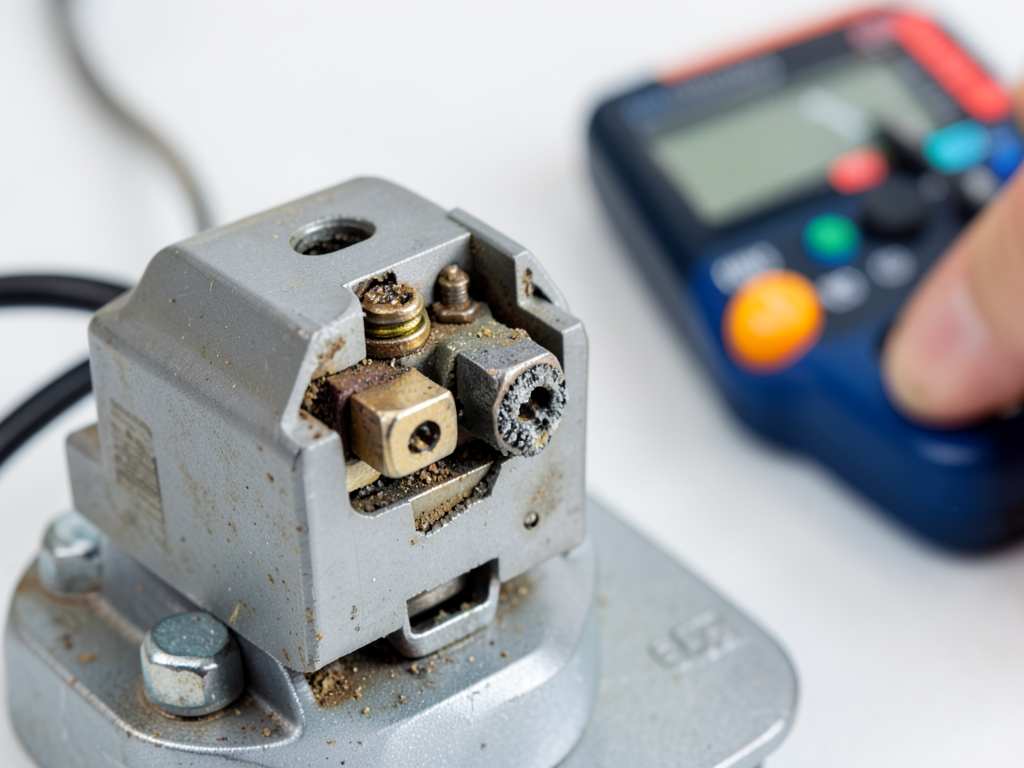
The fan relay or contactor is an electrical switch that controls when the blower motor receives power. In Florida’s humid climate, these components can corrode or stick due to salt air and moisture exposure. When stuck, the relay keeps sending power to the fan motor regardless of thermostat signals. Florida Public Service Commission.
A stuck relay often produces a humming sound from the outdoor unit. You might also notice the fan running even when the system is set to “Off.” This is a common failure in older Trane and Carrier units found throughout Drew Park’s mid-century neighborhoods.
Shorted Thermostat Wiring
Wiring issues between your thermostat and air handler can cause the fan to run continuously. In Drew Park’s older homes, especially those built before 2000, thermostat wiring may have degraded from humidity exposure or rodent damage in attics. Troubleshooting AC Issues.
Shorted wires bypass the thermostat’s control signals, keeping the fan energized. This often happens at wire connections inside the air handler or at the thermostat base. If you’ve recently replaced your thermostat, improper wiring during installation is another common culprit.
Overheating Blower Motor
When a blower motor overheats, its internal thermal overload switch may fail in the “closed” position, causing continuous operation. Florida’s year-round cooling demands mean blower motors work harder and run hotter than in northern climates.
Signs of an overheating motor include warm air from vents when cooling isn’t active, burning smells near the air handler, or the fan running even after the system shuts down. Motors in homes near the coast are particularly vulnerable to salt-air corrosion, which accelerates bearing wear and overheating.
Why Tampa’s Humidity Causes Your AC Fan to Work Overtime
Drew Park’s location in central Tampa means your AC faces unique challenges. The area’s high latent heat load (moisture in the air) forces your system to work harder than systems in drier climates. When humidity exceeds 60%, your AC must remove both heat and moisture to maintain comfort.
A constantly running fan can actually reduce your system’s dehumidification effectiveness. Here’s why: when the compressor shuts off but the fan keeps running, the cold evaporator coils warm up quickly. This causes moisture collected on the coils to evaporate back into your home’s air instead of draining away.
This moisture recycling effect is particularly problematic in Drew Park’s slab-on-grade homes, where poor attic ventilation can trap humid air around ductwork. The result is a system that runs longer but removes less humidity, creating that uncomfortable “sticky” feeling even when the temperature reads cool.
The Risks of Letting Your AC Fan Run Constantly
Beyond higher energy bills, continuous fan operation creates several problems specific to Florida homes:
- Increased humidity: As mentioned, a running fan can reintroduce moisture into your home, promoting mold growth in the humid Tampa climate.
- Motor wear: Blower motors designed for intermittent operation wear out faster when running 24/7. In Florida’s heat, this can reduce motor life by 40-60%.
- Energy waste: A continuously running fan can add $30-50 monthly to your TECO bill, according to Florida Public Service Commission data.
- Indoor air quality issues: Constant air movement can stir up dust and allergens that settle in your ducts, especially problematic for Drew Park’s older homes with original ductwork.
According to the Florida Building Code Energy Conservation requirements, properly sized and controlled HVAC systems should maintain indoor humidity between 45-55% for optimal comfort and efficiency. A nonstop fan makes this nearly impossible during Tampa’s summer months.
When to Call a Tampa HVAC Professional
While some checks are safe for homeowners, certain situations require professional service. Call Peak HVAC at (656) 237-5377 if you notice: Who to Call for 24-Hour AC Service in New Tampa When the Temperature Starts Climbing.
- The fan runs continuously even after checking thermostat settings
- You hear clicking or humming sounds from the outdoor unit
- The system won’t turn off even when set to “Off”
- You notice burning smells or see smoke
- The fan runs but no cool air comes from vents
Professional diagnosis involves testing electrical components with a multimeter, checking refrigerant levels, and inspecting the control board for failed relays. In Drew Park’s older neighborhoods, technicians often find that salt-air corrosion has damaged contactors in as little as 3-5 years, much sooner than the 10-year lifespan expected in inland areas.
For commercial properties in the area, continuous fan operation can indicate more serious issues like compressor problems or refrigerant leaks. Peak HVAC’s commercial technicians carry common replacement parts for major brands on their trucks, allowing same-day repairs for most Drew Park businesses. Reliable Commercial HVAC Services for Temple Terrace Business Owners.
Frequently Asked Questions
Will running my AC fan continuously cool my home faster?
No. A continuously running fan doesn’t cool your home faster. It only moves air. The cooling process requires the compressor to run, which only happens when the thermostat calls for cooling. Running the fan constantly wastes energy and can actually increase humidity.
How much does it cost to replace a stuck fan relay in Tampa?
In the Tampa area, replacing a stuck fan relay typically costs $150-250 including parts and labor. This is much less expensive than replacing a blower motor that fails from running continuously, which can cost $400-600.
Can I fix a stuck fan relay myself?
Only if you have electrical experience. The relay is inside the electrical compartment of your air handler or outdoor unit. Working with 240-volt components is dangerous and can cause serious injury or death. Always turn off power at the circuit breaker before attempting any electrical work.
Why does my AC fan run after the cooling cycle ends?
This is normal for about 60-90 seconds as the system removes residual cool air from the ductwork. However, if the fan runs for several minutes or continuously, it indicates a control problem that needs professional attention.
Does high humidity in Drew Park make fan problems worse?
Yes. Drew Park’s high humidity (often 70-80% in summer) means your AC works harder to remove moisture. When the fan runs continuously, it can actually increase indoor humidity by redistributing moisture from the evaporator coils back into your living space.
Cost Comparison: DIY vs. Professional Repair
| Problem | DIY Cost | Professional Cost | Success Rate |
|---|---|---|---|
| Thermostat setting | $0 | $0 | 100% |
| Stuck relay replacement | $15-30 (part only) | $150-250 | DIY: 20% Professional: 95% |
| Thermostat replacement | $50-200 (part only) | $200-400 | DIY: 40% Professional: 100% |
| Electrical diagnosis | High risk | $75-150 diagnostic fee | N/A Professional: 100% |
Remember that DIY electrical work carries significant risks including electrical shock, fire hazards, and potential damage to expensive HVAC components. Professional technicians have the tools and training to diagnose problems safely and accurately.
Preventive Maintenance Tips for Drew Park Homeowners
Regular maintenance can prevent many fan control issues. Here are steps to keep your system running efficiently:
- Check thermostat settings monthly: Ensure it’s set to “Auto” during cooling season.
- Replace air filters every 30-60 days: Dirty filters restrict airflow and cause motors to overheat.
- Schedule annual professional maintenance: A technician can catch failing relays and contactors before they cause continuous operation.
- Keep outdoor unit clear: Remove leaves and debris that can block airflow and cause overheating.
- Monitor humidity levels: If indoor humidity stays above 60%, your system may need professional adjustment.
For Drew Park’s climate, we recommend bi-annual maintenance visits – once before summer heat arrives and again before hurricane season. This schedule accounts for the area’s unique weather patterns and helps prevent emergency breakdowns during peak cooling season.
Energy Efficiency and Your AC Fan
Modern variable-speed blower motors offer significant advantages over single-speed motors, especially in Florida’s climate. These motors adjust their speed based on cooling demand, running at lower speeds for longer periods rather than cycling on and off.
This approach provides better humidity control and uses less electricity than a constantly running single-speed fan. According to ENERGY STAR data, variable-speed motors can reduce HVAC energy consumption by 20-30% compared to traditional motors.
If your system is over 10 years old, upgrading to a variable-speed blower motor during your next repair or replacement can provide immediate energy savings and improved comfort. Peak HVAC offers free consultations to help Drew Park homeowners determine if this upgrade makes sense for their specific situation. Why Most Carrollwood Homeowners Choose Local HVAC Experts Over Big Box Brands.
Don’t Let a Running Fan Drain Your Wallet
A constantly running AC fan is more than just an annoyance – it’s a sign that something needs attention. Whether it’s a simple thermostat setting or a failing electrical component, addressing the issue promptly can save you money and prevent more expensive repairs down the road.
Drew Park’s unique climate, with its high humidity and salt-air exposure, means HVAC systems here face challenges that systems in other regions don’t experience. Local knowledge and experience matter when diagnosing and repairing these issues.
If you’ve checked the basics and your fan still won’t stop running, don’t wait for a complete system failure. Call Peak HVAC at (656) 237-5377 today to schedule your inspection. Our experienced technicians understand Drew Park’s specific HVAC challenges and can get your system running efficiently again.
Pick up the phone and call (656) 237-5377 before the next heat wave hits. Your comfort – and your wallet – will thank you.
{
“@context”: “https://schema.org”,
“@type”: “BlogPosting”,
“headline”: “What to check when your Drew Park air conditioner fan just won’t stop running”,
“description”: “Is your AC fan running nonstop in Drew Park? Learn why it happens, how to fix it, and when to call Peak HVAC at (656) 237-5377 for expert help.”,
“wordCount”: 1752,
“datePublished”: “2026-04-05T09:39:00.000Z”,
“dateModified”: “2026-04-05T09:39:00.000Z”,
“inLanguage”: “en-US”,
“mainEntityOfPage”: {
“@type”: “WebPage”,
“@id”: “https://peakhvactampa.com”
},
“publisher”: {
“@type”: “LocalBusiness”,
“name”: “Peak HVAC Tampa”,
“url”: “https://peakhvactampa.com”
},
“author”: {
“@type”: “Organization”,
“name”: “Peak HVAC Tampa”,
“url”: “https://peakhvactampa.com”
},
“image”: {
“@type”: “ImageObject”,
“url”: “https://peakhvactampa.com/wp-content/uploads/2026/03/what-to-check-when-your-drew-park-air-conditioner-1.png”
}
}
{
“@context”: “https://schema.org”,
“@type”: “HVACBusiness”,
“name”: “Peak HVAC Tampa”,
“url”: “https://peakhvactampa.com”,
“address”: {
“@type”: “PostalAddress”,
“addressLocality”: “Tampa”
},
“areaServed”: {
“@type”: “City”,
“name”: “Tampa”
}
}
{
“@context”: “https://schema.org”,
“@type”: “FAQPage”,
“mainEntity”: [
{
“@type”: “Question”,
“name”: “Quick Check: Is Your Thermostat Set to ‘On’ or ‘Auto’?”,
“acceptedAnswer”: {
“@type”: “Answer”,
“text”: “Before assuming a major problem, check your thermostat settings. The most common reason for a nonstop fan is the thermostat being set to \”On\” instead of \”Auto.\” In \”On\” mode, the fan runs continuously, even when the compressor isn’t cooling. Switching to \”Auto\” ensures the fan only runs when the system is actively cooling.”
}
},
{
“@type”: “Question”,
“name”: “Will running my AC fan continuously cool my home faster?”,
“acceptedAnswer”: {
“@type”: “Answer”,
“text”: “No. A continuously running fan doesn’t cool your home faster. It only moves air. The cooling process requires the compressor to run, which only happens when the thermostat calls for cooling. Running the fan constantly wastes energy and can actually increase humidity.”
}
},
{
“@type”: “Question”,
“name”: “How much does it cost to replace a stuck fan relay in Tampa?”,
“acceptedAnswer”: {
“@type”: “Answer”,
“text”: “In the Tampa area, replacing a stuck fan relay typically costs $150-250 including parts and labor. This is much less expensive than replacing a blower motor that fails from running continuously, which can cost $400-600.”
}
},
{
“@type”: “Question”,
“name”: “Why does my AC fan run after the cooling cycle ends?”,
“acceptedAnswer”: {
“@type”: “Answer”,
“text”: “This is normal for about 60-90 seconds as the system removes residual cool air from the ductwork. However, if the fan runs for several minutes or continuously, it indicates a control problem that needs professional attention.”
}
},
{
“@type”: “Question”,
“name”: “Does high humidity in Drew Park make fan problems worse?”,
“acceptedAnswer”: {
“@type”: “Answer”,
“text”: “Yes. Drew Park’s high humidity (often 70-80% in summer) means your AC works harder to remove moisture. When the fan runs continuously, it can actually increase indoor humidity by redistributing moisture from the evaporator coils back into your living space.”
}
}
]
}
{
“@context”: “https://schema.org”,
“@type”: “BreadcrumbList”,
“itemListElement”: [
{
“@type”: “ListItem”,
“position”: 1,
“name”: “Home”,
“item”: “https://peakhvactampa.com”
},
{
“@type”: “ListItem”,
“position”: 2,
“name”: “Blog”,
“item”: “https://peakhvactampa.com/blog”
},
{
“@type”: “ListItem”,
“position”: 3,
“name”: “What to check when your Drew Park air conditioner fan just won’t stop running”
}
]
}
{
“@context”: “https://schema.org”,
“@type”: “Service”,
“serviceType”: “HVAC”,
“provider”: {
“@type”: “LocalBusiness”,
“name”: “Peak HVAC Tampa”,
“url”: “https://peakhvactampa.com”
},
“areaServed”: {
“@type”: “City”,
“name”: “Tampa”
},
“description”: “Is your AC fan running nonstop in Drew Park? Learn why it happens, how to fix it, and when to call Peak HVAC at (656) 237-5377 for expert help.”
}