
Why the AC vents in your Northview Hills house are sweating
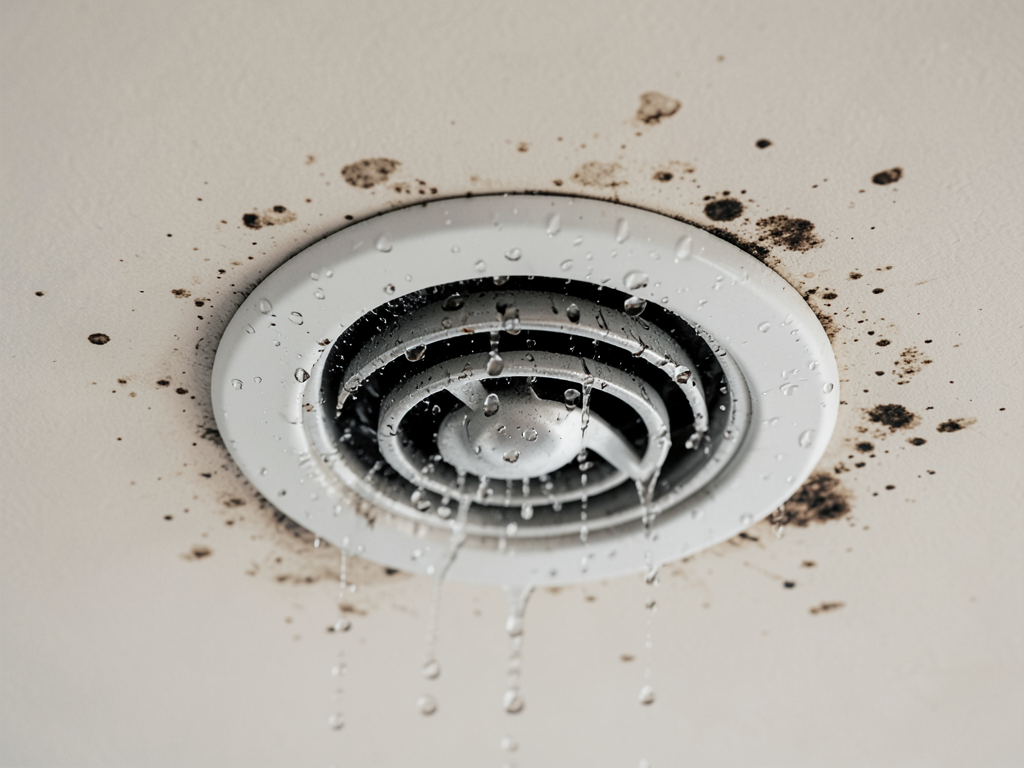
The first sign of trouble often appears as dark spots on your ceiling or water dripping from vents in your Northview Hills home. You might notice a musty smell or see actual condensation forming on the vent covers themselves. This isn’t just an aesthetic issue – it’s a warning sign that your HVAC system is struggling with Tampa’s extreme humidity.. Read more about Why you see condensation on the windows of your Wellswood home.
When warm, moist air from your attic or living space meets the cold surface of your air conditioning vents, condensation forms. Think of it like a cold glass of sweet tea on your porch – the same physics apply inside your ductwork. In Northview Hills, where afternoon humidity often exceeds 80%, this problem becomes especially common in homes built during the housing boom of the early 2000s.
The good news is that most sweating vent issues have straightforward solutions once properly diagnosed. The bad news is that ignoring them can lead to ceiling damage, mold growth, and higher energy bills. Let’s break down what’s really happening and what you can do about it. Troubleshooting AC Issues.
The science of condensation in Florida’s humidity
Condensation occurs when water vapor in the air changes from gas to liquid form. This happens when warm air contacts a surface colder than its dew point – the temperature at which water vapor condenses. In Tampa’s climate, the dew point often hovers around 70°F during summer months, which means your AC vents, typically running at 55-60°F, are prime targets for moisture accumulation.. Read more about Why an Upstairs AC Unit in New Tampa Struggles to Keep You Cool.
The physics get more complicated in Northview Hills homes specifically. Many properties here feature vaulted ceilings and complex duct runs through unconditioned attic spaces. These attics, baking at 120-130°F on summer afternoons, create temperature differentials that exceed 70 degrees between the attic air and your supply vents. That’s like putting an ice cube in a sauna – condensation is inevitable without proper insulation.
Florida Building Code Section 502.2.1 requires R-8 minimum insulation for supply ducts in unconditioned spaces. However, many Northview Hills homes built before 2010 were constructed to less stringent standards. Over time, this insulation degrades, especially in the intense UV exposure common in Florida attics. Once the vapor barrier fails, moisture penetrates the insulation and creates the perfect conditions for sweating vents. Florida Building Code Energy Conservation.
5 common causes of sweating AC vents in Tampa homes
Understanding the root cause is essential before attempting any fixes. Here are the five most frequent culprits we find during diagnostic visits in Northview Hills:
1. Poor ductwork insulation
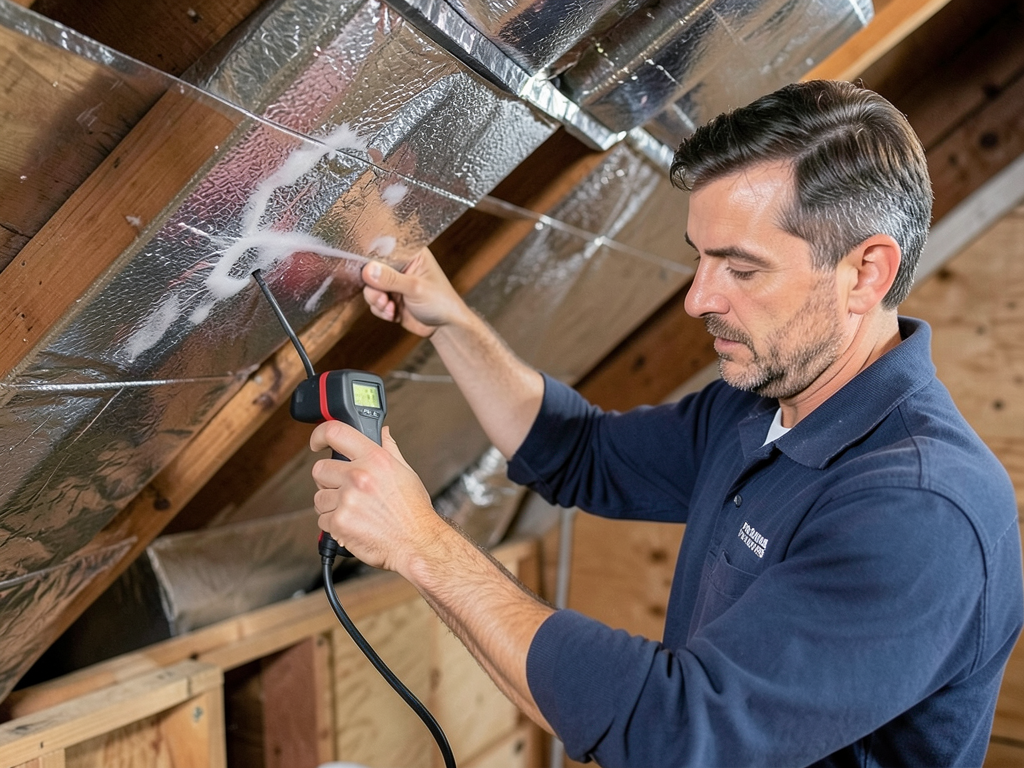
When duct insulation loses its R-value or develops gaps, cold air escapes and meets warm attic air. This creates condensation exactly where you don’t want it – on your vent boots and registers. During our inspections, we use infrared thermometers to identify these cold spots. A properly insulated duct should show no more than a 5-degree temperature difference along its length.
2. High indoor humidity levels (the 60% rule)
Indoor relative humidity above 60% dramatically increases condensation risk. In Tampa, where outdoor humidity often exceeds 85%, your AC must work overtime to dehumidify. If your system is undersized or the evaporator coil is dirty, it can’t remove enough moisture. We recommend installing a hygrometer to monitor levels – anything consistently above 55% needs attention.
3. Dirty air filters and restricted airflow
A clogged filter reduces airflow across the evaporator coil, causing it to freeze and then thaw. This freeze-thaw cycle creates excess moisture that can overwhelm your drain pan. During our diagnostic process, we check filter condition first – it’s the simplest fix and often solves the problem. Replace filters every 30-60 days in Tampa’s dusty environment.
4. Clogged condensate drain lines
Your AC produces significant condensation as it cools humid air. This moisture should drain through a dedicated line to your home’s exterior. When algae or debris clogs this line, water backs up and can overflow into your ductwork. We use nitrogen pressure testing to check for blockages – a clear line should hold 30 psi for at least 60 seconds.
5. Unsealed attic access and air leaks
Attic air, often superheated and moisture-laden, can infiltrate your living space through tiny gaps. These include unsealed attic hatches, recessed can lights, and gaps around plumbing penetrations. In Northview Hills homes, we frequently find these leaks around the garage ceiling where builders often skipped proper sealing. A smoke pencil test reveals these invisible air pathways.. Read more about Professional Duct Sealing for the Mid-Century Ranch Homes of Sunset Park.
The dangers of ignoring vent moisture: mold and ceiling damage
Those water spots on your ceiling aren’t just cosmetic damage – they’re indicators of a moisture problem that can escalate quickly. In Tampa’s climate, mold can begin growing within 24-48 hours of water exposure. The dark spots you see are often just the visible portion of a much larger colony thriving in your ceiling drywall.
Beyond mold, persistent moisture weakens ceiling joists and drywall. What starts as a small stain can lead to ceiling collapse if left unaddressed. We’ve seen cases where homeowners ignored sweating vents for months, only to face $5,000+ in repairs when sections of ceiling fell during the night. EPA mold guidelines.
The health implications are equally serious. Mold spores circulating through your HVAC system can trigger allergies, asthma attacks, and other respiratory issues. For families with young children or elderly members, these health risks are particularly concerning. The EPA recommends addressing any moisture problem within 24-48 hours to prevent mold establishment.
Insurance companies are increasingly denying claims for mold damage resulting from maintenance neglect. If you can’t prove regular HVAC maintenance and prompt response to moisture issues, you might be left covering thousands in remediation costs yourself. This is why early intervention is crucial.
DIY fixes vs. when to call a Tampa HVAC professional
Some sweating vent issues have simple DIY solutions, while others require professional diagnosis and repair. Here’s how to tell the difference:
- Check and replace air filters
Remove your return air filter and hold it to a light. If you can’t see light through it, replace it immediately. This simple step resolves about 30% of sweating vent cases.
- Clean vent covers
Remove vent covers and wash them with warm, soapy water. Dry completely before reinstalling. This prevents mold growth on the covers themselves.
- Inspect attic insulation
Look for gaps or compressed areas around ductwork in your attic. Pay special attention to duct connections and vent boots. If insulation appears wet or moldy, stop here and call a professional.
- Check condensate drain
Locate your indoor AC unit and find the white PVC drain line. If you see water pooling around the unit, the drain is likely clogged.
- Test humidity levels
Use a hygrometer to measure indoor relative humidity. If readings consistently exceed 60%, your system needs professional evaluation.
If you’ve completed these steps and the problem persists, it’s time to call Peak HVAC at (656) 237-5377. Professional intervention is necessary when you notice:
- Water actively dripping from vents during AC operation
- Musty odors that worsen when the AC runs
- Visible mold growth on vent covers or nearby surfaces
- Multiple vents sweating simultaneously
- Recent increases in cooling costs without obvious explanation
Professional diagnosis includes thermal imaging to identify insulation gaps, airflow testing to verify proper system balance, and refrigerant level checks to ensure optimal performance. These tools reveal problems invisible to the naked eye.
Preventing AC sweat with annual maintenance
Prevention is always more cost-effective than emergency repairs. An annual HVAC maintenance visit typically costs $150-250 but can save thousands in water damage repairs and system replacements. Here’s what comprehensive maintenance includes:
| Maintenance Task | Frequency | Cost Impact |
|---|---|---|
| Air filter replacement | Every 30-60 days | $10-30 per filter |
| Coil cleaning | Annually | Prevents 15-20% efficiency loss |
| Drain line treatment | Quarterly | Prevents $500+ clog repairs |
| Refrigerant level check | Annually | Ensures proper dehumidification |
| Duct inspection | Every 2 years | Identifies insulation failures early |
During maintenance, we also evaluate your home’s overall moisture management. This includes checking bathroom exhaust fans, kitchen range hood ventilation, and whole-house dehumidifier compatibility. In Northview Hills, where many homes have open floor plans, proper ventilation is critical for humidity control.
Consider upgrading to a variable-speed air handler if your system is over 10 years old. These units run at lower speeds for longer periods, removing more moisture per kilowatt-hour than single-speed units. The energy savings typically offset the higher upfront cost within 3-5 years.
Smart thermostats with humidity sensors provide another layer of protection. These devices can alert you when indoor humidity exceeds preset thresholds, allowing you to address problems before visible condensation appears. Some models even integrate with whole-home dehumidifiers for automated moisture control.
For new construction or major renovations in Northview Hills, consider specifying R-11 insulation on all ductwork and vapor-sealed duct boots. This premium insulation costs about 30% more upfront but virtually eliminates sweating vent issues. Many homeowners find this investment worthwhile for the peace of mind it provides. Why Most Carrollwood Homeowners Choose Local HVAC Experts Over Big Box Brands.
Don’t let sweating vents turn into a major headache. If you’re noticing moisture around your AC vents, call Peak HVAC at (656) 237-5377 for a professional diagnosis. Our NATE-certified technicians understand the unique challenges of Tampa’s climate and can recommend solutions tailored to your Northview Hills home.
Early intervention prevents costly water damage, protects your family’s health, and ensures your AC system operates at peak efficiency. With Tampa’s humidity levels expected to remain high through the summer months, now is the perfect time to address any ventilation issues before they escalate.
Pick up the phone and call (656) 237-5377 today to schedule your inspection. Don’t wait until you have ceiling stains or mold growth – proactive maintenance is the smartest investment you can make in your home’s comfort and value.
You may also find this helpful. How to Stop Your Luxury Closet from Getting Musty in Swann Estates.
{
“@context”: “https://schema.org”,
“@type”: “BlogPosting”,
“headline”: “Why the AC vents in your Northview Hills house are sweating”,
“description”: “Discover why your AC vents are sweating in Northview Hills and how Tampa’s humidity affects your home. Learn DIY fixes and when to call Peak HVAC for professional help.”,
“wordCount”: 1620,
“datePublished”: “2026-04-04T08:46:00.000Z”,
“dateModified”: “2026-04-04T08:46:00.000Z”,
“inLanguage”: “en-US”,
“mainEntityOfPage”: {
“@type”: “WebPage”,
“@id”: “https://peakhvactampa.com”
},
“publisher”: {
“@type”: “LocalBusiness”,
“name”: “Peak HVAC Tampa”,
“url”: “https://peakhvactampa.com”
},
“author”: {
“@type”: “Organization”,
“name”: “Peak HVAC Tampa”,
“url”: “https://peakhvactampa.com”
},
“image”: {
“@type”: “ImageObject”,
“url”: “https://peakhvactampa.com/wp-content/uploads/2026/03/why-the-ac-vents-in-your-northview-hills-house-are-1.png”
}
}
{
“@context”: “https://schema.org”,
“@type”: “HVACBusiness”,
“name”: “Peak HVAC Tampa”,
“url”: “https://peakhvactampa.com”,
“address”: {
“@type”: “PostalAddress”,
“addressLocality”: “Tampa”
},
“areaServed”: {
“@type”: “City”,
“name”: “Tampa”
}
}
{
“@context”: “https://schema.org”,
“@type”: “HowTo”,
“name”: “Diagnosing Sweating AC Vents”,
“step”: [
{
“@type”: “HowToStep”,
“position”: 1,
“name”: “Check and replace air filters”,
“text”: “Remove your return air filter and hold it to a light. If you can’t see light through it, replace it immediately. This simple step resolves about 30% of sweating vent cases.”
},
{
“@type”: “HowToStep”,
“position”: 2,
“name”: “Clean vent covers”,
“text”: “Remove vent covers and wash them with warm, soapy water. Dry completely before reinstalling. This prevents mold growth on the covers themselves.”
},
{
“@type”: “HowToStep”,
“position”: 3,
“name”: “Inspect attic insulation”,
“text”: “Look for gaps or compressed areas around ductwork in your attic. Pay special attention to duct connections and vent boots. If insulation appears wet or moldy, stop here and call a professional.”
},
{
“@type”: “HowToStep”,
“position”: 4,
“name”: “Check condensate drain”,
“text”: “Locate your indoor AC unit and find the white PVC drain line. If you see water pooling around the unit, the drain is likely clogged.”
},
{
“@type”: “HowToStep”,
“position”: 5,
“name”: “Test humidity levels”,
“text”: “Use a hygrometer to measure indoor relative humidity. If readings consistently exceed 60%, your system needs professional evaluation.”
}
],
“image”: “https://peakhvactampa.com/wp-content/uploads/2026/03/why-the-ac-vents-in-your-northview-hills-house-are-1.png”
}
{
“@context”: “https://schema.org”,
“@type”: “BreadcrumbList”,
“itemListElement”: [
{
“@type”: “ListItem”,
“position”: 1,
“name”: “Home”,
“item”: “https://peakhvactampa.com”
},
{
“@type”: “ListItem”,
“position”: 2,
“name”: “Blog”,
“item”: “https://peakhvactampa.com/blog”
},
{
“@type”: “ListItem”,
“position”: 3,
“name”: “Why the AC vents in your Northview Hills house are sweating”
}
]
}
{
“@context”: “https://schema.org”,
“@type”: “Service”,
“serviceType”: “HVAC”,
“provider”: {
“@type”: “LocalBusiness”,
“name”: “Peak HVAC Tampa”,
“url”: “https://peakhvactampa.com”
},
“areaServed”: {
“@type”: “City”,
“name”: “Tampa”
},
“description”: “Discover why your AC vents are sweating in Northview Hills and how Tampa’s humidity affects your home. Learn DIY fixes and when to call Peak HVAC for professional help.”
}