
Simple HVAC safety checks every Tampa Heights family should perform
Living in Tampa Heights means dealing with Florida’s unique climate challenges. Your HVAC system works hard year-round to keep your home comfortable, but it also needs regular attention to prevent safety hazards. These simple checks can help you spot problems before they become dangerous, saving you money and protecting your family. Florida Building Code requirements.
Florida’s high humidity, frequent storms, and salt air create specific risks for HVAC systems. Electrical components can corrode faster, condensate lines can clog with algae, and outdoor units face hurricane-force winds. Understanding these local factors helps you perform the right safety checks at the right time. How to Choose the Right New Air Conditioner for Your Westchase Home.
Most HVAC safety issues start small but can escalate quickly. A loose wire might cause a fire. A clogged drain line can lead to water damage and mold growth. A refrigerant leak can create toxic conditions. The good news is that many of these problems are preventable with basic monthly inspections. Troubleshooting AC Issues.
Monthly electrical safety inspection
Start with the electrical components since they pose the biggest safety risk. Locate your HVAC circuit breaker in the main electrical panel. It should be clearly labeled and should not feel warm to the touch when the system is running. If it feels hot or trips frequently, call a professional immediately.. Read more about Protecting your HVAC system from the brutal oak pollen season in Tampa.
Check the outdoor disconnect switch near your condenser unit. This metal box contains a pull-out switch that cuts power to the outdoor unit. Make sure the cover closes properly and shows no signs of rust or corrosion. Salt air in Tampa can cause metal parts to deteriorate faster than in other regions.
Look at the wiring connections on both the indoor and outdoor units. You should not see any exposed wires, melted insulation, or signs of burning. The wires should be neatly bundled and secured. If you notice any damage, do not touch it. Call a licensed HVAC technician right away.
Test your HVAC surge protector if you have one installed. Florida experiences more lightning strikes than most states, and power surges can damage sensitive electronic components. A properly functioning surge protector should show a green indicator light when power is flowing correctly.
Listen for unusual sounds when the system starts up. A healthy HVAC system should start smoothly without clicking, buzzing, or humming sounds that last more than a second. Strange noises often indicate electrical problems that could become safety hazards.
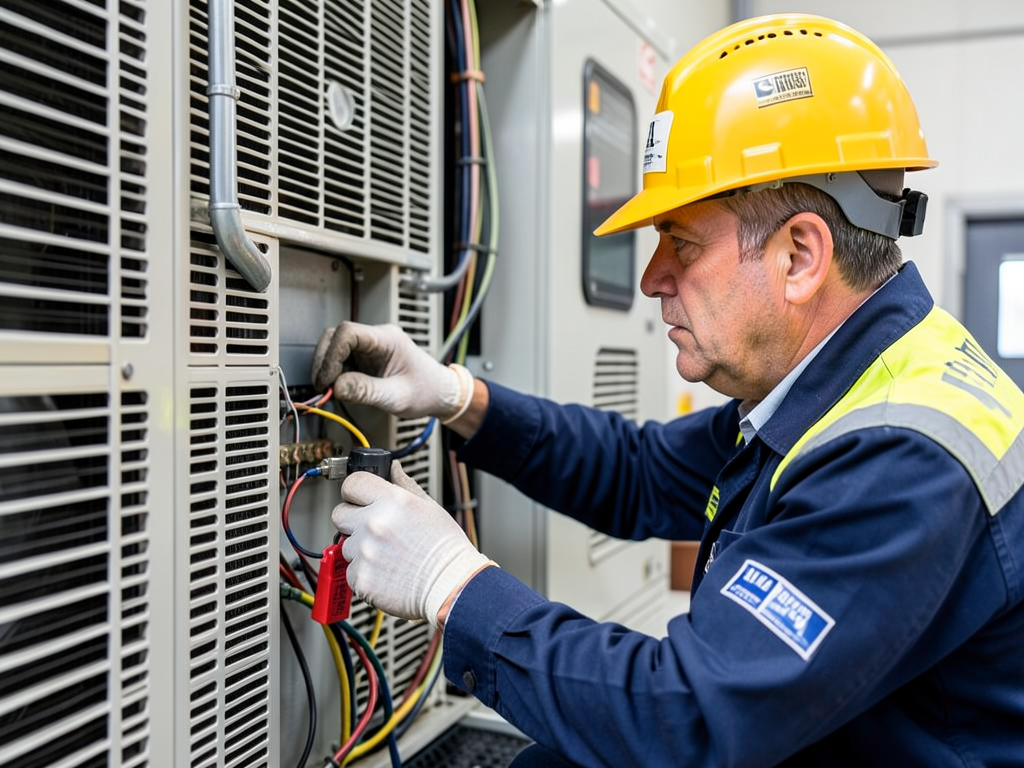
Call (656) 237-5377 today to schedule your electrical safety inspection before the next storm hits.
Air quality and filter safety
Your HVAC filter does more than just clean the air. A dirty or damaged filter can cause the system to overheat, potentially starting a fire. In Tampa’s humid climate, a clogged filter also creates perfect conditions for mold growth inside your ductwork.
Check your filter monthly by removing it and holding it up to a light. If you cannot see light through the filter, it needs replacement. Tampa’s pollen season and construction dust in growing neighborhoods like Tampa Heights can make filters clog faster than in other areas.
Look for signs of mold or mildew on the filter or around the filter housing. Florida’s humidity means mold can grow in 24-48 hours. If you see black spots or smell a musty odor, replace the filter immediately and consider having your ducts professionally cleaned.
Check the condensate drain line for proper drainage. This white PVC pipe should drip water when the AC runs on hot days. If no water comes out, the line may be clogged with algae, which is common in Tampa’s warm, moist conditions. A clogged drain can cause water to back up into your home.
Inspect the evaporator coil access panel. While you should not open it yourself, you can look for signs of moisture, rust, or ice buildup around the edges. Ice on the coil indicates a serious problem that could lead to compressor failure and potential electrical hazards.
Consider installing a UV light system in your ductwork. These lights kill mold spores and bacteria that thrive in Florida’s humid air. They also help keep your system clean, reducing the risk of airflow restrictions that can cause overheating.
Refrigerant and chemical safety
Refrigerant leaks pose both environmental and health risks. Modern AC systems use R-410A refrigerant, which is less harmful than older R-22 but still requires professional handling. Never attempt to recharge your system yourself. Florida law requires EPA certification for refrigerant handling. EPA HVAC maintenance guidelines.
Look for signs of refrigerant leaks around your indoor and outdoor units. Oil stains, hissing sounds, or ice buildup on lines indicate potential leaks. If you notice these signs, keep children and pets away from the area and call a professional immediately.
Check for chemical odors near your HVAC equipment. A sweet or chloroform-like smell may indicate a refrigerant leak. Other concerning odors include burning plastic, which could mean electrical problems, or rotten egg smells, which might indicate a natural gas leak if you have gas appliances.
Florida’s Building Code requires proper refrigerant line insulation to prevent condensation and energy loss. Check that the insulation on your refrigerant lines looks intact and is not falling off. Damaged insulation can cause moisture problems and reduce system efficiency.
Never store chemicals, paint, or cleaning products near your HVAC equipment. These can release fumes that get drawn into your system and circulated throughout your home. This is especially important in Florida homes where systems run frequently due to the heat.
Tampa storm preparation for HVAC safety
Florida’s hurricane season runs from June through November, and Tampa Heights homes need specific storm preparation steps. Your outdoor condenser unit is vulnerable to flying debris, flooding, and power surges during storms.. Read more about Steps every South Tampa homeowner should take to protect their AC before a hurricane.
Before a storm arrives, turn off your HVAC system at the thermostat and the outdoor disconnect switch. This prevents damage from power surges when electricity is restored. Florida experiences more power fluctuations during storms than most states, making this step critical for equipment protection.
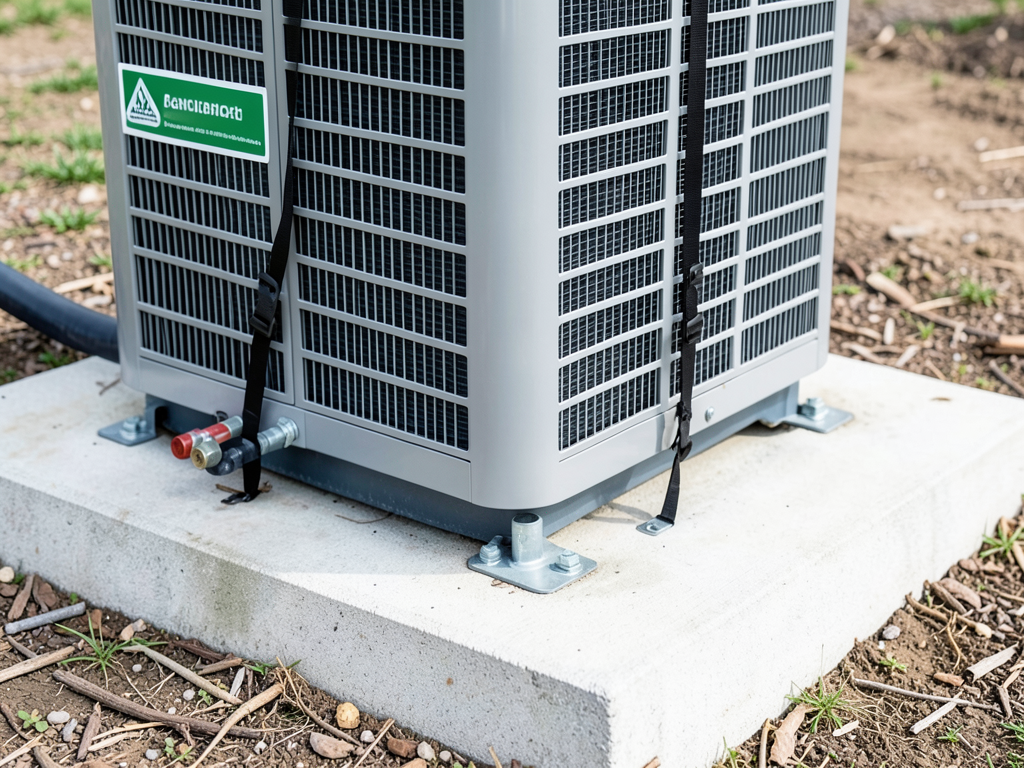
Secure your outdoor unit with hurricane straps if it sits on a pad. These metal straps anchor the unit to the concrete pad, preventing it from tipping over in high winds. Tampa Heights, like much of Hillsborough County, falls in Wind Zone III, requiring equipment to withstand winds up to 130 mph.
Clear debris from around your outdoor unit. Remove patio furniture, toys, and loose objects that could become projectiles in high winds. Trim tree branches that hang over or near the unit. Florida’s fast-growing vegetation can quickly encroach on equipment space.
Consider installing a whole-house surge protector if you do not have one. These devices protect all your electronics, including your HVAC system, from lightning strikes and power surges. Tampa averages 81 thunderstorm days per year, making surge protection essential.
After a storm passes, inspect your outdoor unit before turning the system back on. Look for visible damage, standing water, or debris in the fan area. If you see any damage or if the unit was underwater, call a professional before attempting to restart it.
Carbon monoxide safety for gas HVAC systems
While most Tampa homes use electric heat pumps, some older homes in Tampa Heights still have natural gas furnaces. Carbon monoxide is odorless and colorless, making it extremely dangerous. Florida law requires carbon monoxide detectors in homes with fuel-burning appliances.
Test your carbon monoxide detectors monthly by pressing the test button. Replace batteries twice per year, when you change your clocks for daylight saving time. Detectors should be installed on every level of your home and outside sleeping areas.
Check the venting for your gas furnace or water heater. The flue pipe should be properly sealed and slope slightly upward toward the outdoor vent. Any rust holes or disconnections can allow carbon monoxide to leak into your home.
Look for signs of backdrafting, where exhaust gases come back into the house instead of venting outside. This can happen if your home is too airtight or if there are problems with the venting system. Signs include soot around vents, unusual odors, or windows that fog up easily.
Schedule annual maintenance for gas heating equipment even if you rarely use it. Florida’s mild winters mean gas furnaces often sit idle for months, but they still need regular safety checks. A professional inspection includes checking for gas leaks, proper combustion, and safe venting.
When to call a professional immediately
Some HVAC problems require immediate professional attention. Do not attempt DIY repairs on these issues as they can be dangerous or cause further damage.. Read more about Emergency AC Repair for Busy Restaurants and Kitchens Near Armature Works.
Call for emergency service if you smell gas or burning electrical odors. These indicate serious safety hazards that could cause fires or explosions. Evacuate your home and call 911 if you suspect a gas leak. Who to Call for 24-Hour AC Service in New Tampa When the Temperature Starts Climbing.
Seek immediate help if your circuit breaker trips repeatedly when the HVAC runs. This indicates an electrical short that could cause a fire. Do not reset the breaker more than once, as this can make the problem worse.
Contact a professional if you hear loud banging, grinding, or screeching noises from your system. These sounds often indicate failing bearings or loose components that could cause the system to seize or throw parts.
Get help right away if you see ice on refrigerant lines or the outdoor unit. This indicates a serious problem with refrigerant flow or airflow that can damage the compressor, the most expensive part of your system.
Call for service if your system runs constantly but cannot maintain the set temperature. This could indicate refrigerant leaks, compressor problems, or other issues that waste energy and may pose safety risks.
Professional HVAC technicians in Florida must hold a state license and carry liability insurance. Ask to see their license number before allowing any work. Florida requires specific certifications for handling refrigerants and working with gas lines.
Creating your HVAC safety checklist
Make HVAC safety a regular part of your home maintenance routine. Create a simple checklist to track your monthly inspections and annual professional maintenance.
Your monthly checklist should include: checking and replacing air filters, inspecting for visible damage or corrosion, testing carbon monoxide detectors, and ensuring clear space around outdoor units. Set calendar reminders so you never forget these important safety steps.
Schedule professional maintenance twice per year in Florida. The first visit should be in spring before cooling season begins. The second should be in fall to prepare for any heating needs. Florida’s Building Code recommends bi-annual maintenance for HVAC systems due to the heavy usage and humidity. HVAC Spring Hill.
Keep records of all maintenance and repairs. This helps you track your system’s condition and can be valuable if you sell your home. Many HVAC manufacturers require proof of regular maintenance to honor warranties.
Teach all family members basic HVAC safety. Show them where the emergency shutoff switches are located and what warning signs to watch for. Make sure everyone knows to leave electrical or gas problems to professionals.
Consider joining a maintenance agreement program with a local HVAC company. These programs often include priority service, discounts on repairs, and regular safety inspections. Local companies understand Tampa’s specific climate challenges better than national chains.
Remember that HVAC safety is about more than just preventing breakdowns. It protects your family from fires, toxic gas exposure, and poor indoor air quality. Taking a few minutes each month for these simple checks can prevent serious problems and give you peace of mind.
Pick up the phone and call (656) 237-5377 today to schedule your comprehensive HVAC safety inspection. Don’t wait until something goes wrong.
Frequently Asked Questions
How often should I change my HVAC filter in Tampa’s climate?
In Tampa’s humid climate, check your filter monthly and replace it every 30-60 days. Homes with pets, allergies, or near construction may need more frequent changes. Never wait more than 90 days between replacements.
Is it safe to cover my outdoor AC unit during hurricane season?
Do not cover your outdoor unit with a solid cover as this can trap moisture and cause corrosion. Instead, use a breathable mesh cover or simply clear debris from around the unit before storms. Never cover the unit while it’s running.
What should I do if I hear a hissing sound from my AC?
A hissing sound often indicates a refrigerant leak, which requires immediate professional attention. Turn off the system at the thermostat, keep people and pets away from the area, and call a licensed HVAC technician right away.
Are HVAC surge protectors really necessary in Tampa?
Yes, absolutely. Tampa experiences more lightning strikes than most U.S. cities, and power surges during storms are common. A surge protector can prevent expensive damage to your system’s electronic controls and compressor.
How can I tell if my HVAC system is properly grounded?
You cannot safely check grounding yourself. This requires a professional test with specialized equipment. However, signs of poor grounding include frequent breaker trips, static shocks when touching the unit, or electrical components that feel warm to the touch.
{
“@context”: “https://schema.org”,
“@type”: “BlogPosting”,
“headline”: “Simple HVAC safety checks every Tampa Heights family should perform”,
“description”: “Protect your Tampa Heights home with these essential HVAC safety checks. Learn how to spot hazards, prevent failures, and keep your family safe in Florida’s climate.”,
“wordCount”: 2186,
“datePublished”: “2026-04-06T10:14:00.000Z”,
“dateModified”: “2026-04-06T10:14:00.000Z”,
“inLanguage”: “en-US”,
“mainEntityOfPage”: {
“@type”: “WebPage”,
“@id”: “https://peakhvactampa.com”
},
“publisher”: {
“@type”: “LocalBusiness”,
“name”: “Peak HVAC Tampa”,
“url”: “https://peakhvactampa.com”
},
“author”: {
“@type”: “Organization”,
“name”: “Peak HVAC Tampa”,
“url”: “https://peakhvactampa.com”
},
“image”: {
“@type”: “ImageObject”,
“url”: “https://peakhvactampa.com/wp-content/uploads/2026/03/simple-hvac-safety-checks-every-tampa-heights-fami-1.png”
}
}
{
“@context”: “https://schema.org”,
“@type”: “HVACBusiness”,
“name”: “Peak HVAC Tampa”,
“url”: “https://peakhvactampa.com”,
“address”: {
“@type”: “PostalAddress”,
“addressLocality”: “Tampa”
},
“areaServed”: {
“@type”: “City”,
“name”: “Tampa”
}
}
{
“@context”: “https://schema.org”,
“@type”: “FAQPage”,
“mainEntity”: [
{
“@type”: “Question”,
“name”: “How often should I change my HVAC filter in Tampa’s climate?”,
“acceptedAnswer”: {
“@type”: “Answer”,
“text”: “In Tampa’s humid climate, check your filter monthly and replace it every 30-60 days. Homes with pets, allergies, or near construction may need more frequent changes. Never wait more than 90 days between replacements.”
}
},
{
“@type”: “Question”,
“name”: “Is it safe to cover my outdoor AC unit during hurricane season?”,
“acceptedAnswer”: {
“@type”: “Answer”,
“text”: “Do not cover your outdoor unit with a solid cover as this can trap moisture and cause corrosion. Instead, use a breathable mesh cover or simply clear debris from around the unit before storms. Never cover the unit while it’s running.”
}
},
{
“@type”: “Question”,
“name”: “What should I do if I hear a hissing sound from my AC?”,
“acceptedAnswer”: {
“@type”: “Answer”,
“text”: “A hissing sound often indicates a refrigerant leak, which requires immediate professional attention. Turn off the system at the thermostat, keep people and pets away from the area, and call a licensed HVAC technician right away.”
}
},
{
“@type”: “Question”,
“name”: “Are HVAC surge protectors really necessary in Tampa?”,
“acceptedAnswer”: {
“@type”: “Answer”,
“text”: “Yes, absolutely. Tampa experiences more lightning strikes than most U.S. cities, and power surges during storms are common. A surge protector can prevent expensive damage to your system’s electronic controls and compressor.”
}
},
{
“@type”: “Question”,
“name”: “How can I tell if my HVAC system is properly grounded?”,
“acceptedAnswer”: {
“@type”: “Answer”,
“text”: “You cannot safely check grounding yourself. This requires a professional test with specialized equipment. However, signs of poor grounding include frequent breaker trips, static shocks when touching the unit, or electrical components that feel warm to the touch.”
}
}
]
}
{
“@context”: “https://schema.org”,
“@type”: “BreadcrumbList”,
“itemListElement”: [
{
“@type”: “ListItem”,
“position”: 1,
“name”: “Home”,
“item”: “https://peakhvactampa.com”
},
{
“@type”: “ListItem”,
“position”: 2,
“name”: “Blog”,
“item”: “https://peakhvactampa.com/blog”
},
{
“@type”: “ListItem”,
“position”: 3,
“name”: “Simple HVAC safety checks every Tampa Heights family should perform”
}
]
}
{
“@context”: “https://schema.org”,
“@type”: “Service”,
“serviceType”: “HVAC”,
“provider”: {
“@type”: “LocalBusiness”,
“name”: “Peak HVAC Tampa”,
“url”: “https://peakhvactampa.com”
},
“areaServed”: {
“@type”: “City”,
“name”: “Tampa”
},
“description”: “Protect your Tampa Heights home with these essential HVAC safety checks. Learn how to spot hazards, prevent failures, and keep your family safe in Florida’s climate.”
}