
Using remote thermostat sensors to balance the temperature in your multi-story Westchase house
Hot rooms upstairs while downstairs stays cool. It is the classic Westchase comfort problem. Your two-story stucco home soaks up Florida sun all day. Heat rises. Your single thermostat on the first floor can not keep up. Remote sensors solve this by measuring temperature where you actually live not where the thermostat sits. They tell your AC to run longer when upstairs needs it most. No more freezing downstairs just to cool the bedrooms. This guide shows how sensors work why Westchase homes need them and when to call a pro. Florida Solar Energy Center thermostat study.
How do remote thermostat sensors work?
Remote sensors are small wireless devices you place in different rooms. They send temperature and sometimes humidity readings back to your smart thermostat. Instead of cooling based on one spot your system averages readings from multiple locations. Some sensors also detect motion so they can prioritize occupied rooms. This prevents short cycling where the system turns on and off too often. Short cycling wastes energy and wears out parts faster. Sensors help your AC run at its best efficiency.. Read more about Smart HVAC Upgrades for Older Duplexes and Rental Units in Tampa Shores.

Smart thermostat with remote wireless sensors installed in upstairs bedroom and living room showing real-time temperature readings on mobile app.
Key sensor features for Westchase homes
- Average temperature mode balances upstairs and downstairs readings
- Follow me mode prioritizes the room you are in based on motion
- Humidity sensing helps control Florida’s sticky air
- Easy battery replacement with 2-year life expectancy
Why one room in your Tampa house is always hot
Westchase homes face unique heat challenges. Afternoon sun hits south and west facing windows hard. Single-pane glass or poorly sealed frames let heat pour in. Your attic insulation may be thin or compressed from years of Florida humidity. Ductwork runs through hot unconditioned spaces. Leaks and restrictions in those ducts mean cool air never reaches upstairs bedrooms. Concrete block walls absorb heat all day then release it at night. Even with a new AC unit these problems make certain rooms feel like saunas.
Common hot room causes in Westchase
- Solar heat gain through large unshaded windows
- Poor attic insulation R-19 or lower in older homes
- Ductwork leaks losing up to 30 percent of airflow
- Thermal mass of block construction holding daytime heat
Top-rated sensors for common smart thermostats
Not all sensors work with every thermostat. Here are the best options for Westchase homeowners already using popular systems. Why Most Carrollwood Homeowners Choose Local HVAC Experts Over Big Box Brands.
| Thermostat Brand | Sensor Model | Key Feature | Price Range |
|---|---|---|---|
| Ecobee | Ecobee SmartSensor | Motion + temperature | $39-49 each |
| Nest | Google Nest Temperature Sensor | Simple temperature only | $39-44 each |
| Honeywell Home | Honeywell T9 Smart Room Sensor | Occupancy detection | $34-39 each |
Each sensor pairs wirelessly with your thermostat app. You can name rooms and set priority schedules. Most batteries last about two years under normal use.. Read more about Ending the Thermostat War in Your Multi-Level Mirabay Home with Smart Zoning.
The HVAC pro’s verdict: can a sensor replace air balancing?
Sensors help but they are not magic. If your ductwork is collapsed or disconnected no sensor will fix that. A sensor can not overcome missing insulation or a failing compressor. Think of sensors as the brain telling your system where to focus. The body still needs to be healthy. A professional air balance test measures airflow from each vent. It finds restrictions and leaks. In Westchase many homes need both sensor installation and duct sealing to truly fix hot spots.
When sensors alone are enough
- Your ductwork is in good shape
- Attic insulation meets current Florida code
- No major room additions since original build
- Rooms are slightly warm but not unbearable
When you need more than sensors
- Some vents blow hot air
- Certain rooms never reach set temperature
- You hear whistling or rattling in ducts
- Energy bills keep rising despite thermostat changes
Installation guide: DIY vs professional calibration
Installing sensors yourself is possible. You peel the backing off the mounting plate stick it to the wall and pair it with your app. The tricky part is placement. Sensors need open air flow away from direct sunlight or electronics. Height matters too. Chest level readings are most accurate for occupied spaces. Professional installers test different spots with a handheld meter before finalizing placement. They also check that your thermostat firmware is current and that wireless signals are strong throughout the house.
DIY installation steps
- Choose central locations away from vents and sunlight
- Clean wall surface and let dry
- Attach mounting plate with included adhesive
- Pair sensor through thermostat app
- Test readings for 24 hours before adjusting schedules
DIY works if your home is small and open. For multi-story Westchase homes with vaulted ceilings or complex layouts a pro ensures you get accurate data from every zone.
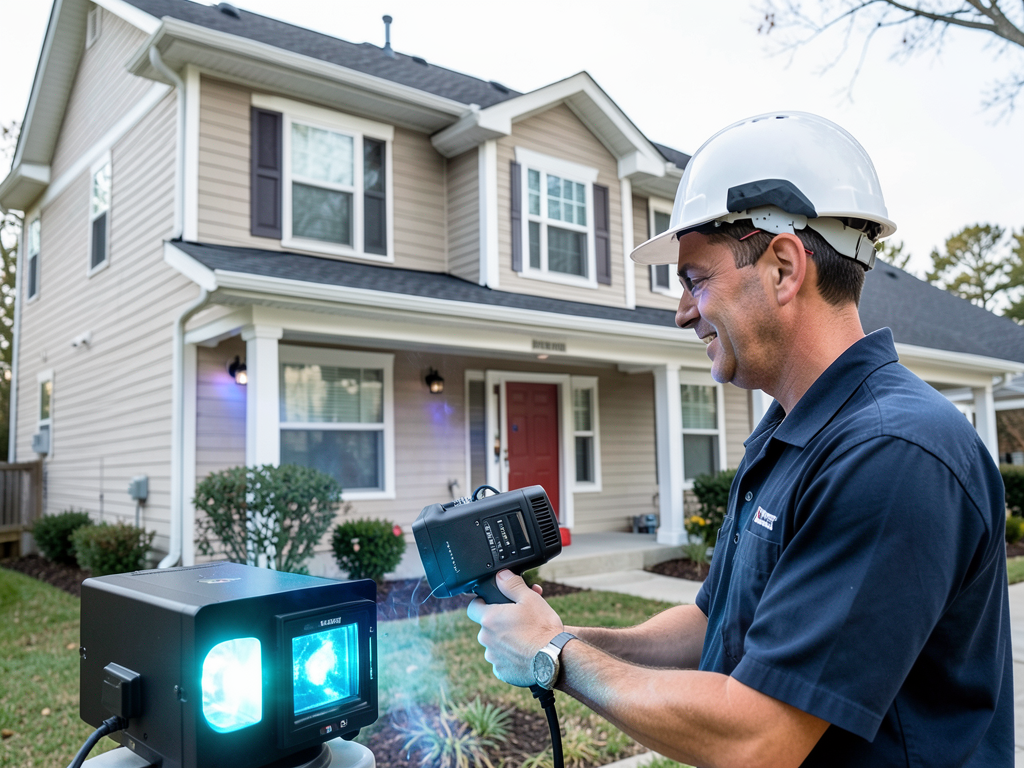
Technician using thermal imaging camera to detect hot and cold spots in a Westchase two-story home before sensor installation.
Energy bill impact in Florida’s climate
Florida humidity makes AC work harder. Sensors help by preventing overcooling. If your downstairs is 70 degrees but upstairs is 78 your system runs nonstop trying to satisfy the thermostat. Sensors let it stop when the average home temperature hits your set point. This can cut runtime by ten to fifteen percent. Over a summer that adds up. Homes with poor insulation see smaller gains. Homes with good envelope and leaky ducts see the biggest savings.
Potential savings factors
- Reduction in system runtime
- Less wear on compressor and fan motors
- Improved humidity control preventing mold growth
- Fewer service calls from overworked equipment
According to the Florida Solar Energy Center proper thermostat management can save up to twenty percent on cooling costs in hot humid climates.
Local building considerations for Westchase
Westchase homes built after 2010 follow stricter insulation codes. Attic R-values must be at least R-30. Many older homes only have R-19. That difference means sensors in an old home may show larger temperature swings. Westchase also has many homes with concrete block construction. Block absorbs and releases heat slowly. This thermal mass effect makes rooms feel warmer at night even if the thermostat reads normal. Sensors help track these delayed heat releases so your system can adjust before you wake up hot.
The area sits in a high wind zone. Hurricane codes require outdoor equipment to be anchored. If you upgrade to a zoning system with dampers those dampers must be installed by a licensed contractor. Improper zoning can backfeed pressure and damage your air handler.. Read more about How to Hide Your Outdoor AC Unit While Staying Compliant with Westchase HOA Rules.
Frequently Asked Questions
Do remote sensors work with any thermostat?
No. Sensors must be compatible with your thermostat brand. Check the manufacturer’s list before buying. Mixing brands usually does not work.
How many sensors do I need for a two-story house?
Most pros recommend one downstairs and one upstairs at minimum. Add more for large open areas or rooms that always feel warm.
Can sensors help with humidity control?
Yes. Some sensors measure humidity and can trigger longer run times to remove moisture. This is important in Florida where high humidity causes discomfort even at normal temperatures.
Will sensors lower my energy bill?
They can. By preventing overcooling and reducing runtime sensors often cut cooling costs by ten to fifteen percent in well-insulated homes.
How long does professional installation take?
Most installations take one to two hours. The technician tests airflow and verifies wireless connections before finishing.
What if one sensor stops working?
Most systems alert you through the app. Batteries last about two years. Swapping a dead sensor is quick and usually does not require reprogramming.
Mobile app interface showing temperature readings from multiple remote sensors with color-coded room status and humidity levels.
Ready to stop battling hot rooms
Remote sensors are a smart first step toward whole home comfort. They work best when your ductwork and insulation are already in good shape. If you are still sweating in certain rooms even with sensors installed it is time for a deeper look. A professional can test airflow check for duct leaks and recommend targeted fixes. Do not replace your entire system when a small upgrade and some sealing could solve the problem.
Call (656) 237-5377 today to schedule your inspection. We will test your current setup recommend the right sensors and show you how to get even cooling in every room of your Westchase home. For more information, visit Department of Energy thermostat guide.
You may also find this helpful. A Homeowner Guide to Choosing Between Solar Fans and Ridge Vents in Brandon.
{
“@context”: “https://schema.org”,
“@type”: “BlogPosting”,
“headline”: “Using remote thermostat sensors to balance the temperature in your multi-story Westchase house”,
“description”: “Learn how remote thermostat sensors fix hot rooms in Westchase homes. Discover smart solutions for multi-story comfort with Peak HVAC’s expert installation.”,
“wordCount”: 1391,
“datePublished”: “2026-05-10T12:08:00.000Z”,
“dateModified”: “2026-05-10T12:08:00.000Z”,
“inLanguage”: “en-US”,
“mainEntityOfPage”: {
“@type”: “WebPage”,
“@id”: “https://peakhvactampa.com”
},
“publisher”: {
“@type”: “LocalBusiness”,
“name”: “Peak HVAC Tampa”,
“url”: “https://peakhvactampa.com”
},
“author”: {
“@type”: “Organization”,
“name”: “Peak HVAC Tampa”,
“url”: “https://peakhvactampa.com”
},
“image”: {
“@type”: “ImageObject”,
“url”: “https://peakhvactampa.com/wp-content/uploads/2026/03/using-remote-thermostat-sensors-to-balance-the-tem-1.png”
}
}
{
“@context”: “https://schema.org”,
“@type”: “HVACBusiness”,
“name”: “Peak HVAC Tampa”,
“url”: “https://peakhvactampa.com”,
“address”: {
“@type”: “PostalAddress”,
“addressLocality”: “Tampa”
},
“areaServed”: {
“@type”: “City”,
“name”: “Tampa”
}
}
{
“@context”: “https://schema.org”,
“@type”: “FAQPage”,
“mainEntity”: [
{
“@type”: “Question”,
“name”: “How do remote thermostat sensors work?”,
“acceptedAnswer”: {
“@type”: “Answer”,
“text”: “Remote sensors are small wireless devices you place in different rooms. They send temperature and sometimes humidity readings back to your smart thermostat. Instead of cooling based on one spot your system averages readings from multiple locations. Some sensors also detect motion so they can prioritize occupied rooms. This prevents short cycling where the system turns on and off too often. Short cycling wastes energy and wears out parts faster. Sensors help your AC run at its best efficiency.”
}
},
{
“@type”: “Question”,
“name”: “The HVAC pro’s verdict: can a sensor replace air balancing?”,
“acceptedAnswer”: {
“@type”: “Answer”,
“text”: “Sensors help but they are not magic. If your ductwork is collapsed or disconnected no sensor will fix that. A sensor can not overcome missing insulation or a failing compressor. Think of sensors as the brain telling your system where to focus. The body still needs to be healthy. A professional air balance test measures airflow from each vent. It finds restrictions and leaks. In Westchase many homes need both sensor installation and duct sealing to truly fix hot spots.”
}
},
{
“@type”: “Question”,
“name”: “Do remote sensors work with any thermostat?”,
“acceptedAnswer”: {
“@type”: “Answer”,
“text”: “No. Sensors must be compatible with your thermostat brand. Check the manufacturer’s list before buying. Mixing brands usually does not work.”
}
},
{
“@type”: “Question”,
“name”: “How many sensors do I need for a two-story house?”,
“acceptedAnswer”: {
“@type”: “Answer”,
“text”: “Most pros recommend one downstairs and one upstairs at minimum. Add more for large open areas or rooms that always feel warm.”
}
},
{
“@type”: “Question”,
“name”: “Can sensors help with humidity control?”,
“acceptedAnswer”: {
“@type”: “Answer”,
“text”: “Yes. Some sensors measure humidity and can trigger longer run times to remove moisture. This is important in Florida where high humidity causes discomfort even at normal temperatures.”
}
},
{
“@type”: “Question”,
“name”: “Will sensors lower my energy bill?”,
“acceptedAnswer”: {
“@type”: “Answer”,
“text”: “They can. By preventing overcooling and reducing runtime sensors often cut cooling costs by ten to fifteen percent in well-insulated homes.”
}
},
{
“@type”: “Question”,
“name”: “How long does professional installation take?”,
“acceptedAnswer”: {
“@type”: “Answer”,
“text”: “Most installations take one to two hours. The technician tests airflow and verifies wireless connections before finishing.”
}
},
{
“@type”: “Question”,
“name”: “What if one sensor stops working?”,
“acceptedAnswer”: {
“@type”: “Answer”,
“text”: “Most systems alert you through the app. Batteries last about two years. Swapping a dead sensor is quick and usually does not require reprogramming.”
}
}
]
}
{
“@context”: “https://schema.org”,
“@type”: “BreadcrumbList”,
“itemListElement”: [
{
“@type”: “ListItem”,
“position”: 1,
“name”: “Home”,
“item”: “https://peakhvactampa.com”
},
{
“@type”: “ListItem”,
“position”: 2,
“name”: “Blog”,
“item”: “https://peakhvactampa.com/blog”
},
{
“@type”: “ListItem”,
“position”: 3,
“name”: “Using remote thermostat sensors to balance the temperature in your multi-story Westchase house”
}
]
}
{
“@context”: “https://schema.org”,
“@type”: “Service”,
“serviceType”: “HVAC”,
“provider”: {
“@type”: “LocalBusiness”,
“name”: “Peak HVAC Tampa”,
“url”: “https://peakhvactampa.com”
},
“areaServed”: {
“@type”: “City”,
“name”: “Tampa”
},
“description”: “Learn how remote thermostat sensors fix hot rooms in Westchase homes. Discover smart solutions for multi-story comfort with Peak HVAC’s expert installation.”
}