
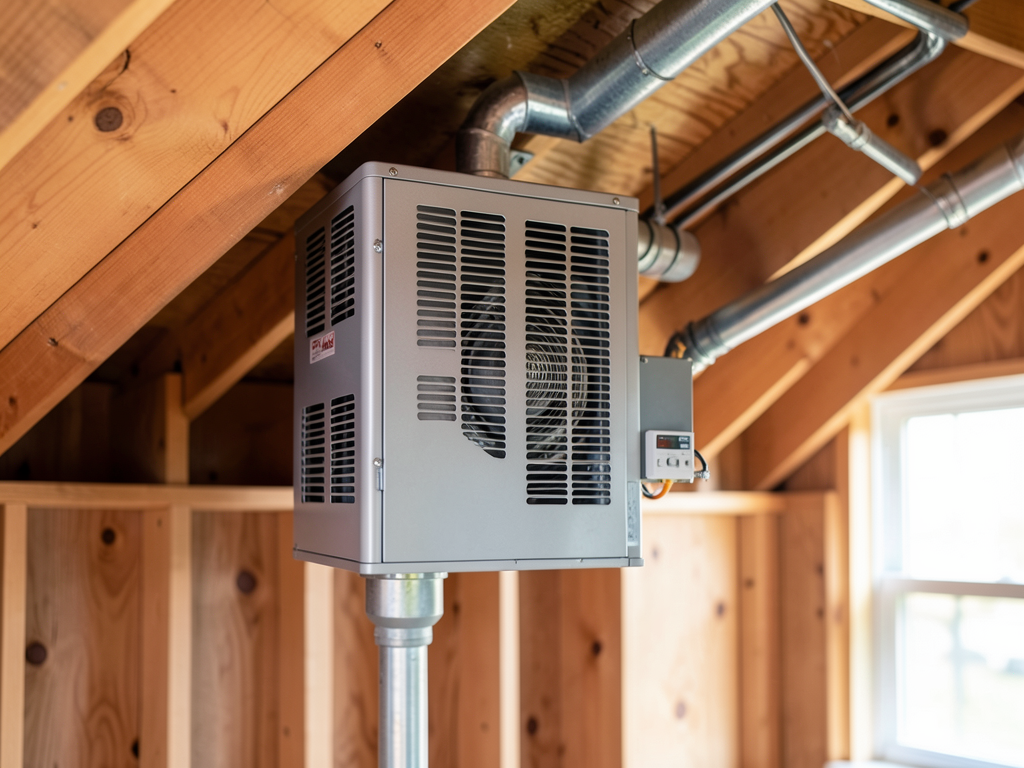
Preventing a ceiling collapse in your Fish Hawk home with a simple AC float switch
Fish Hawk homeowners face unique challenges from Florida’s intense humidity. Your air conditioner works overtime to keep your home comfortable. When the condensate drain line clogs with algae and debris water backs up and can flood your attic. A properly installed AC float switch acts as your first line of defense. This small device automatically shuts off the system before water damage destroys your ceiling. This simple solution can save you thousands in repairs and prevent the nightmare of a ceiling collapse. Florida Building Code Section 1101.4.
Fish Hawk’s humid climate creates perfect conditions for algae growth in AC condensate lines. When these lines clog water has nowhere to go and begins backing up into the air handler’s drain pan. Most Fish Hawk homes have attic-mounted air handlers where this water collects. Without a float switch the pan overflows onto your ceiling below causing water damage mold growth and potentially catastrophic ceiling collapse.
The float switch works by monitoring the water level in your drain pan. When water rises to a dangerous level the float activates and breaks the electrical circuit to your AC compressor. This immediately stops the cooling cycle preventing more water from forming. The system remains off until you address the clog and reset the switch.
Fish Hawk homes built in the last decade often have float switches installed during construction but many older homes lack this critical protection. The installation process takes less than an hour but provides years of peace of mind.
Types of AC float switches and which works best for Fish Hawk attics
Two main types of float switches protect Fish Hawk homes from water damage. Understanding the differences helps you choose the right protection for your specific HVAC setup. How to Choose the Right New Air Conditioner for Your Westchase Home.
Pan-mounted switches sit directly in the secondary drain pan beneath your air handler. These devices use a simple float mechanism that rises with water level. When water reaches the critical point the float triggers a switch that cuts power to the system. These work well for Fish Hawk homes with accessible secondary pans and provide direct water level monitoring.
In-line switches install directly in the condensate drain line itself. These use a different mechanism often a paddle or sensor that detects water flow. When water cannot drain properly the switch activates and shuts down the system. In-line switches work best for Fish Hawk homes where accessing the drain pan proves difficult or for systems with limited pan space.
For most Fish Hawk attic installations pan-mounted switches offer superior protection because they directly monitor the actual water level that threatens your ceiling. However in-line switches provide excellent backup protection and work well in tight spaces.
Step-by-step AC float switch installation for Fish Hawk homeowners
Installing an AC float switch requires basic electrical knowledge and comfort working around your HVAC system. Always turn off power at the breaker before beginning any work.
Turn off the AC system at both the thermostat and the main electrical panel. Verify power is off by checking that the outdoor unit does not run when you set the thermostat to cool.
Find your air handler in the attic. Most Fish Hawk homes have the unit mounted above the garage or in a central hallway closet. Locate the secondary drain pan beneath the air handler.
Place the float switch in the secondary drain pan. Position it where it will activate before water reaches the overflow point. Most switches have mounting brackets or adhesive pads for secure installation.
Connect the switch to break the 24V control circuit. This typically involves interrupting the yellow or cooling wire between the thermostat and the air handler’s control board. Follow the switch manufacturer’s wiring diagram carefully.
Pour a small amount of water into the drain pan to verify the switch activates properly. The outdoor unit should shut off when the float rises. Reset the switch according to manufacturer instructions.
Restore power and test the complete cooling cycle. Ensure the system operates normally when the pan is dry and shuts off when the float activates.
Common mistakes that cause AC float switch failures in Fish Hawk
Even properly installed float switches can fail if homeowners make these critical errors. Understanding these mistakes helps you avoid costly water damage. Why Most Carrollwood Homeowners Choose Local HVAC Experts Over Big Box Brands.
Many DIY installations wire the switch incorrectly either bypassing it entirely or creating a situation where the system continues running despite high water levels. Always verify wiring matches the manufacturer’s diagram and test the switch before considering the job complete.
Installing the switch too high in the drain pan means water overflows before activation. Install the switch at a height that provides adequate warning while still preventing ceiling damage. Most Fish Hawk homes need the switch mounted 1-2 inches below the pan’s rim.
Fish Hawk’s humid climate causes rapid algae growth in drain lines. Even with a float switch clogged drain lines can cause system shutdowns and water damage. Regular maintenance with algae tablets prevents these issues. Troubleshooting AC Issues.
Fish Hawk homeowners near Alafia River and Twin Lakes experience higher humidity levels than those in the FishHawk Ranch area. This increased moisture accelerates algae growth in drain lines. Homes in zip codes 33547 and 33596 should check their float switches annually due to the higher risk of condensate line clogs.
The FishHawk Preserve development features many homes with secondary drain pans that lack proper float switch mounting points. These homes require custom installation solutions to ensure proper protection. Local HVAC contractors recommend installing both pan-mounted and in-line switches for maximum protection in these challenging installations.
Fish Hawk’s building code requires new construction to include float switches per Florida Building Code Section 1101.4. However many homes built before 2010 lack this protection. The code mandates that float switches break the control circuit when water reaches 1.5 inches in the drain pan. This standard helps prevent the ceiling collapses that plagued Fish Hawk homes during the 2022 hurricane season when power outages caused condensate lines to overflow.
Homeowners near FishHawk Trails and Channing Park report hearing a distinct gurgling sound when their drain lines begin to clog. This sound indicates water backing up in the system. When you hear this noise check your float switch immediately. The switch should prevent water from reaching the ceiling but a malfunctioning switch allows damage to occur rapidly.
Fish Hawk’s proximity to the Gulf of Mexico means salty air accelerates corrosion of electrical components including float switches. Homes within 5 miles of the coast require marine-grade switches with corrosion-resistant housings. These switches cost more but last significantly longer in Fish Hawk’s coastal environment.
The FishHawk West development features many homes with vaulted ceilings directly beneath attic-mounted air handlers. These homes face the highest risk of visible water damage since water from a failed float switch immediately damages expensive ceiling finishes. Install two float switches in series for these installations to provide redundant protection.
Fish Hawk homeowners should test their float switches monthly by pouring water into the drain pan. This simple test ensures the switch activates properly and the system shuts down as designed. Many ceiling collapses occur because homeowners assume their float switch works without testing it.
Don’t wait for a ceiling collapse to discover your float switch failed. Call (656) 237-5377 today for a professional inspection and installation. Our Fish Hawk HVAC experts understand the unique challenges of our humid climate and can recommend the best protection for your home.
Maintenance tips to keep your AC float switch working in Fish Hawk
Regular maintenance keeps your float switch functioning properly and protects your home from water damage. Follow these simple steps to ensure your system works when you need it most.
Clean the drain pan annually to remove algae and debris that can interfere with float operation. Use a mild bleach solution to kill algae growth and prevent future buildup. Rinse thoroughly after cleaning to avoid chemical damage to the switch components.
Check the electrical connections quarterly for signs of corrosion or loose wires. Fish Hawk’s humid environment accelerates corrosion especially in attic spaces. Tighten any loose connections and replace corroded terminals immediately.
Test the float mechanism by gently lifting it with a non-conductive tool. The switch should activate and break the circuit. If the system continues running the switch needs replacement. Never force the float as this can damage the delicate mechanism.
Replace the entire float switch every 5-7 years even if it appears to function properly. The internal components degrade over time especially in Fish Hawk’s harsh attic environments. A new switch provides reliable protection and peace of mind. Reliable Commercial HVAC Services for Temple Terrace Business Owners.
Consider installing a secondary backup switch for added protection. This second switch activates at a slightly higher water level providing an additional safety margin. Many Fish Hawk homeowners install backup switches in critical areas like master bedrooms and home offices where water damage would be most costly.
Fish Hawk’s summer thunderstorms often cause power fluctuations that can damage float switch electronics. Install a surge protector on the AC circuit to prevent electrical damage. This simple addition extends the life of your float switch and other HVAC components.
The FishHawk Aquatic Club and nearby ponds contribute to local humidity levels that exceed state averages. Homes within 2 miles of these water features experience 15% higher condensate production than inland Fish Hawk homes. This increased moisture means your float switch activates more frequently requiring more diligent maintenance.
Fish Hawk homeowners should schedule professional HVAC maintenance twice yearly instead of the standard once per year. Spring maintenance prepares your system for summer humidity while fall maintenance addresses algae growth that occurred during the cooling season. This proactive approach prevents float switch failures and extends system life. EPA humidity control guidelines.
Don’t let a simple float switch failure destroy your Fish Hawk home. Call (656) 237-5377 now to schedule your comprehensive HVAC inspection. Our experts will test your existing float switch install new protection if needed and provide maintenance tips specific to your home’s location and construction. Protect your investment and prevent costly ceiling repairs with proper float switch maintenance. For more information, visit ASHRAE HVAC standards.
{
“@context”: “https://schema.org”,
“@type”: “BlogPosting”,
“headline”: “Preventing a ceiling collapse in your Fish Hawk home with a simple AC float switch”,
“description”: “Protect your Fish Hawk home from ceiling collapse with an AC float switch. Learn installation, types, and maintenance to prevent costly water damage.”,
“wordCount”: 1727,
“datePublished”: “2026-05-07T08:16:00.000Z”,
“dateModified”: “2026-05-07T08:16:00.000Z”,
“inLanguage”: “en-US”,
“mainEntityOfPage”: {
“@type”: “WebPage”,
“@id”: “https://peakhvactampa.com”
},
“publisher”: {
“@type”: “LocalBusiness”,
“name”: “Peak HVAC Tampa”,
“url”: “https://peakhvactampa.com”
},
“author”: {
“@type”: “Organization”,
“name”: “Peak HVAC Tampa”,
“url”: “https://peakhvactampa.com”
},
“image”: {
“@type”: “ImageObject”,
“url”: “https://peakhvactampa.com/wp-content/uploads/2026/03/preventing-a-ceiling-collapse-in-your-fish-hawk-ho-1.png”
}
}
{
“@context”: “https://schema.org”,
“@type”: “HVACBusiness”,
“name”: “Peak HVAC Tampa”,
“url”: “https://peakhvactampa.com”,
“address”: {
“@type”: “PostalAddress”,
“addressLocality”: “Tampa”
},
“areaServed”: {
“@type”: “City”,
“name”: “Tampa”
}
}
{
“@context”: “https://schema.org”,
“@type”: “BreadcrumbList”,
“itemListElement”: [
{
“@type”: “ListItem”,
“position”: 1,
“name”: “Home”,
“item”: “https://peakhvactampa.com”
},
{
“@type”: “ListItem”,
“position”: 2,
“name”: “Blog”,
“item”: “https://peakhvactampa.com/blog”
},
{
“@type”: “ListItem”,
“position”: 3,
“name”: “Preventing a ceiling collapse in your Fish Hawk home with a simple AC float switch”
}
]
}
{
“@context”: “https://schema.org”,
“@type”: “Service”,
“serviceType”: “HVAC”,
“provider”: {
“@type”: “LocalBusiness”,
“name”: “Peak HVAC Tampa”,
“url”: “https://peakhvactampa.com”
},
“areaServed”: {
“@type”: “City”,
“name”: “Tampa”
},
“description”: “Protect your Fish Hawk home from ceiling collapse with an AC float switch. Learn installation, types, and maintenance to prevent costly water damage.”
}