
Why the small ductwork in older Seminole Heights homes causes your AC to struggle
If your AC runs constantly but your Seminole Heights bungalow still feels sticky and warm you are not alone. Many historic homes built before the 1970s were never designed for modern air conditioning. Narrow ducts and tiny return grilles create a hidden choke point that forces your system to work overtime. The result is high energy bills poor cooling and excess humidity that makes Tampa summers unbearable. Air Conditioning Contractors of America.
Before you replace your unit you need to understand the real culprit: static pressure. This is the resistance your blower motor fights to push air through your ducts. In older Seminole Heights homes that resistance is often two to three times higher than modern building standards allow. That pressure spike can cut your system’s efficiency by up to 30 percent and leave you with uneven temperatures and mold-friendly moisture levels.. Read more about Smart HVAC Upgrades for Older Duplexes and Rental Units in Tampa Shores.
The good news is you can fix it. From duct resizing to variable-speed blowers there are targeted solutions that restore comfort without gutting your historic charm. Let’s break down why your ducts are too small how to spot the symptoms and what a proper fix looks like.
How narrow ducts sabotage your Seminole Heights AC
Many Seminole Heights homes were built in the 1920s and 1930s when air conditioning was a luxury. Builders used small galvanized steel ducts sized for heating only. Those same ducts now carry chilled air but they were never meant to handle the volume modern AC units produce. When the blower pushes more air than the duct can handle pressure builds like a kinked garden hose.
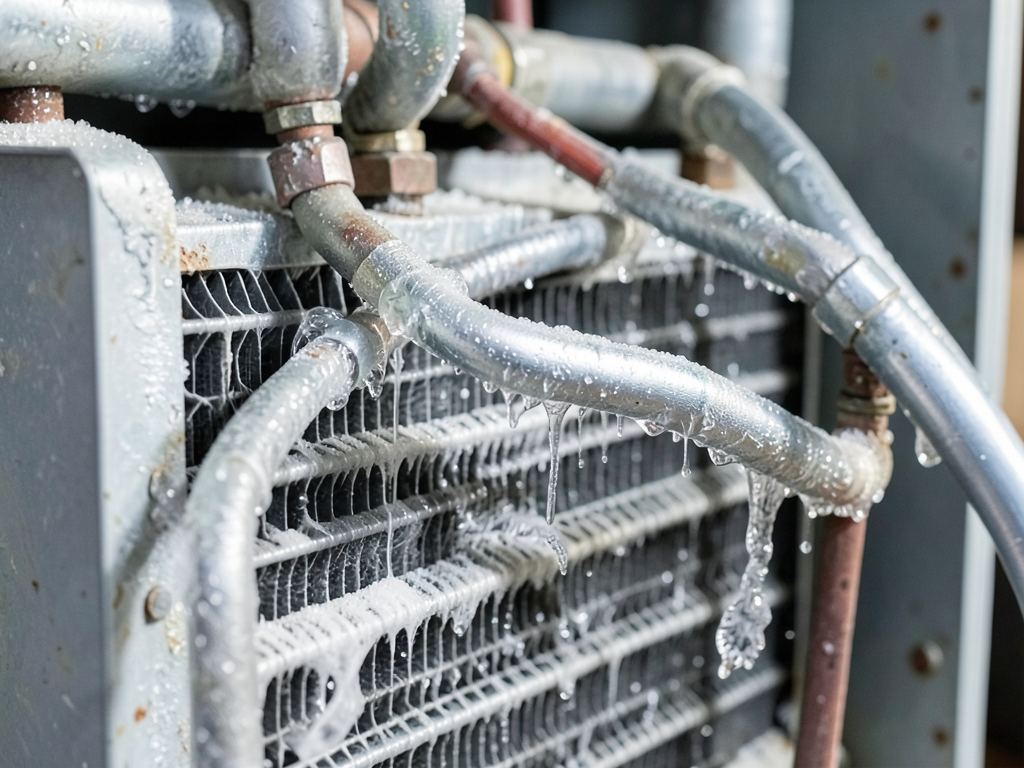
Florida’s high humidity makes the problem worse. Your evaporator coil removes both heat and moisture. If airflow is restricted the coil gets too cold and starts to ice. Once ice forms airflow drops even more creating a vicious cycle. You end up with a frozen coil short cycling compressor and a house that never reaches the set point.
Another factor is return air. Many bungalows have only one small return grille often hidden in a hallway. That single opening has to draw air from every room. If doors are closed or filters are loaded the system starves for air. Low return volume spikes static pressure and can pull conditioned air backward through walls or even from the attic.
Building code today requires a minimum of 400 CFM of airflow per ton of cooling. In older homes you might see 200 CFM or less. That shortfall means your AC runs longer draws more power and still fails to keep you comfortable. A professional static pressure test will confirm if your ducts are the bottleneck.
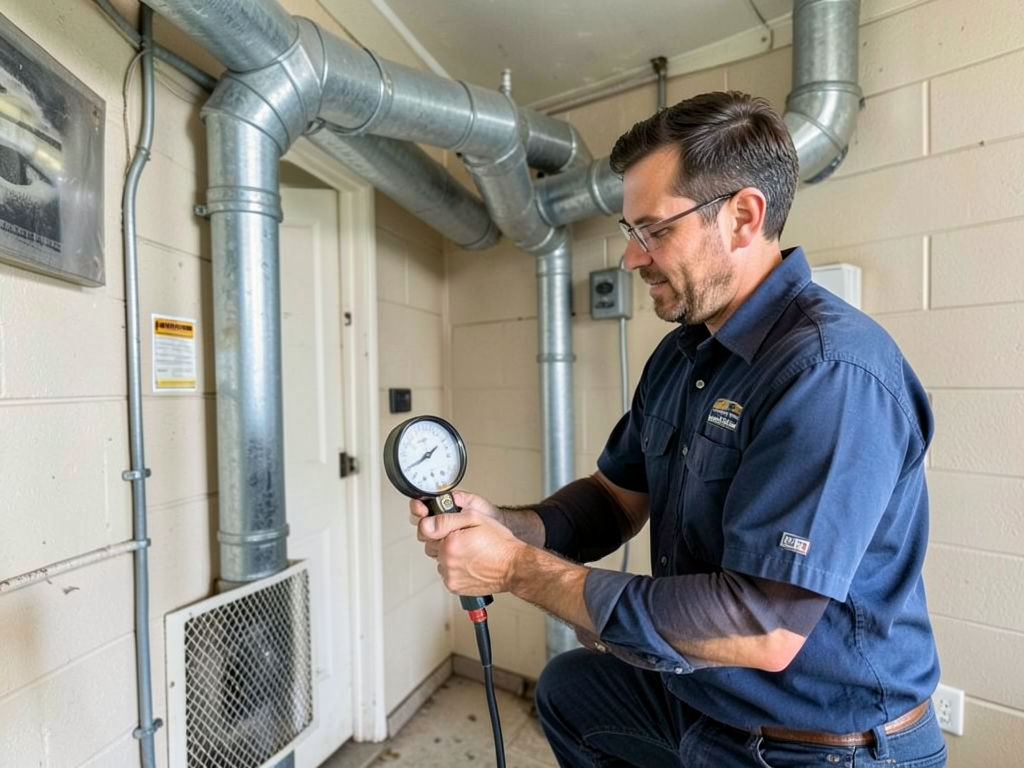
Static pressure is measured in inches of water column using a manometer. A healthy system runs at 0.4 to 0.5 inches. Many Seminole Heights homes test at 0.8 to 1.2 inches. That extra resistance forces the blower motor to draw more amps and can shorten its life by years.
Five signs your ducts are choking your AC
Diagnosing a static pressure problem starts with the symptoms you can see and hear. Here are the five most common red flags in historic Seminole Heights homes:
- Weak airflow from vents – Even with the fan on high you feel barely a breeze. That means the system is fighting to push air through a restricted path.
- Rooms that never cool evenly – One bedroom feels like a freezer while the living room stays sticky. Poor duct design creates hot and cold zones.
- Frequent short cycling – The AC turns on and off every few minutes. High pressure can trip limit switches and force the unit to reset.
- Higher than normal electric bills – If your kilowatt-hour usage jumps in summer but your thermostat setting hasn’t changed your system is working harder than it should.
- Visible frost on refrigerant lines or coil – Ice buildup is a classic sign of low airflow and often points to undersized ducts or a clogged filter.
If you notice two or more of these signs it is time for a duct diagnostic. A technician will use a manometer to measure Total External Static Pressure and compare it to the manufacturer’s maximum rating. Anything above the limit means your ducts are the problem not your equipment.
Why Tampa humidity makes static pressure worse
Tampa’s climate is a double challenge for old ducts. Our average summer dew point sits near 72 degrees. That means the air holds a lot of moisture. Your AC must remove that latent heat load before it can cool the sensible heat. If airflow is restricted the evaporator coil temperature drops below the dew point and condensation freezes.
Once ice forms on the coil it acts like an insulator. The refrigerant can’t absorb heat efficiently and the compressor starts to overheat. In extreme cases the overload trips and the entire system shuts down. You might think the unit failed when really it just needed more airflow.
Humidity also affects duct material. Many Seminole Heights homes still have original galvanized steel ducts. Over decades salt air and condensation cause micro-corrosion. Corroded ducts develop rough interiors that increase friction. That friction loss adds to static pressure and reduces delivered CFM.
Modern building codes now require duct sealing to less than 6 percent leakage. Old ducts often leak 20 to 30 percent at joints and seams. That leakage not only wastes cooled air but also pulls in hot humid attic air through gaps. The result is a system that runs longer and removes less moisture.
Replacing corroded sections with properly sealed and insulated duct board or flexible duct can drop static pressure by 0.2 to 0.3 inches. That reduction alone can improve cooling capacity by 10 to 15 percent and cut humidity by several percentage points.
Testing and measuring static pressure the right way
Diagnosing static pressure is not guesswork. A trained technician uses a digital manometer and probes to measure pressure drops across three points: the return duct before the filter, the supply duct after the coil, and the total external static pressure. These readings reveal exactly where the restriction occurs.
The test starts with the system running in cooling mode. The manometer is connected to test ports drilled into the ductwork. The first reading shows return static pressure. A high number here means the return duct or filter is too small. The second reading shows supply pressure. A high number here means the supply ducts are undersized or kinked.
Adding the two readings gives the total external static pressure. Compare that to the blower motor’s maximum rating. If the total exceeds the rating the system is operating outside its design envelope. At that point you risk motor burnout compressor overheating and poor humidity control.
Technicians also use a flow hood to measure CFM at each supply vent. If the sum of all vents is less than the unit’s rated airflow you have a distribution problem. Sometimes the fix is as simple as adding a return duct or replacing a restrictive filter. Other times the entire duct network needs resizing.
Building codes now reference ACCA Manual D for duct design. Manual D calculations account for duct length fittings and local climate. A system designed to Manual D standards in Tampa will deliver the right airflow without fighting high humidity. Retrofitting old homes to these standards can transform comfort and efficiency. How to Choose the Right New Air Conditioner for Your Westchase Home.
Targeted fixes that preserve historic charm
You do not have to tear out your walls to fix static pressure. Several solutions work within the constraints of historic Seminole Heights homes. The right fix depends on your home’s layout and your comfort goals.
One option is adding a second return duct. If your bungalow has only one small return grille adding a second one can drop static pressure by 0.1 to 0.2 inches. The new return can be routed through an interior wall cavity or closet to avoid disturbing plaster.
Another fix is upsizing the existing ducts. Flexible duct can be pulled through attic or crawl spaces and connected to existing boots. This increases cross-sectional area without major demolition. Pair that with a high-efficiency filter that has low pressure drop to keep airflow strong.
For severe cases a variable-speed air handler is worth considering. Unlike single-speed blowers these motors can ramp up to overcome higher static pressure while staying energy efficient. They also run longer at lower speeds which improves humidity removal and evens out temperatures.
Aeroseal duct sealing is another powerful tool. This process injects aerosolized sealant into pressurized ducts. The sealant finds and plugs leaks from the inside. In many Seminole Heights homes Aeroseal can cut leakage by 90 percent and improve airflow without replacing ducts.
If your home has a flat roof or no accessible attic a high-velocity mini duct system might be the answer. These systems use small 2-inch flexible tubes that can be snaked through walls with minimal damage. They deliver high-velocity airflow that reduces perceived drafts and improves cooling speed.
Each solution has a different cost and impact. A duct diagnostic will show which option gives you the best comfort return on investment. In most cases fixing the ducts costs less than replacing the entire AC and delivers faster payback through lower electric bills.
Why DIY band-aids make things worse
It is tempting to try quick fixes like swapping filters or sealing visible gaps with duct tape. Those steps can help a little but they rarely solve the core problem. In fact some DIY moves can make static pressure worse.
For example installing a super-high MERV filter might seem smart for allergies but it can choke a system designed for low resistance. A MERV 13 filter might drop airflow by 20 percent in an old duct system. The coil can freeze within hours and the compressor can trip on high head pressure.
Another common mistake is closing vents in unused rooms. That reduces the effective duct area and forces more air through fewer outlets. The pressure spike can damage the blower motor and create leaks at weak joints. The house might feel cooler in one room but the system suffers overall.
Even adding a booster fan can backfire. If the fan is installed downstream of a major restriction it can create turbulence that increases pressure loss. The right fix is to remove the restriction not to overpower it.
Static pressure is a system balance. Changing one part without understanding the whole can throw off that balance. That is why a professional diagnostic is worth the cost. It pinpoints the exact cause and gives you a roadmap to lasting comfort.
The cost of ignoring static pressure
Running an AC against high static pressure is like driving with a clogged fuel filter. The engine works harder, burns more fuel, and wears out faster. In HVAC terms that means higher electric bills, more repairs, and a shorter equipment life.
A blower motor running at elevated amps can fail in half the normal time. Replacement cost is often 500 to 800 dollars plus labor. A compressor that overheats repeatedly may last only six to eight years instead of fifteen. That early replacement can cost 3000 to 5000 dollars.
There is also the hidden cost of poor humidity control. In Tampa excess indoor moisture encourages dust mites, mold, and mildew. Those allergens can trigger asthma and sinus problems. Over time they can also damage wood floors, furniture, and even the structure itself.
Energy waste adds up quickly. A system with 0.8 inches of static pressure instead of 0.4 might use 25 percent more electricity. At current TECO rates that could mean 50 to 100 dollars more per cooling season. Over five years the waste could pay for a duct repair twice over.
Warranty claims can also be denied if the problem is traced to improper installation or duct design. Manufacturers require systems to operate within specified pressure ranges. Exceeding those limits voids the warranty and leaves you on the hook for repairs.
Investing in a proper duct fix protects your equipment, your health, and your wallet. It also keeps your historic home comfortable without sacrificing its character.
Take the next step toward better cooling
If your Seminole Heights home feels sticky and your AC runs nonstop you might have a hidden duct problem. High static pressure can rob your system of efficiency and leave you paying for cool air that never arrives. The first step is a professional static pressure test to find out exactly what is choking your airflow.
Our team at Peak HVAC Tampa specializes in diagnosing and fixing duct issues in historic homes. We use ACCA Manual D design standards, digital manometers, and proven sealing techniques to restore proper airflow. Whether you need a second return, duct resizing, or a variable-speed upgrade we tailor the solution to your home’s unique needs. Troubleshooting AC Issues.
Call (656) 237-5377 today to schedule your duct diagnostic. We will measure your static pressure, check for leaks, and give you a clear plan to improve comfort and cut energy costs. Stop wasting money on an AC that can’t breathe. Pick up the phone and call (656) 237-5377 before the next Tampa heatwave hits.
Frequently Asked Questions
What is static pressure and why does it matter?
Static pressure is the resistance your blower motor fights to push air through your ducts. High static pressure forces the system to work harder, reduces cooling capacity, and can lead to frozen coils and early equipment failure.
How do I know if my ducts are too small?
Signs include weak airflow from vents, uneven room temperatures, frequent short cycling, higher electric bills, and visible frost on refrigerant lines. A professional manometer test can confirm if static pressure is too high.
Can I fix static pressure without replacing my AC?
Yes. Common fixes include adding a second return duct, resizing existing ducts, sealing leaks with Aeroseal, or upgrading to a variable-speed air handler. These solutions often cost less than a full system replacement.
Will improving my ducts lower my electric bill?
Reducing static pressure by even 0.1 to 0.2 inches can improve efficiency by 10 to 15 percent. That translates to noticeable savings on your monthly TECO bill during peak cooling season.
How long does a duct diagnostic take?
A complete diagnostic including static pressure testing, airflow measurement, and inspection usually takes one to two hours. You will receive a written report with recommendations and cost estimates. For more information, visit U.S. Department of Energy.
You may also find this helpful. Choosing between washable and pleated air filters for your Riverview home.
{
“@context”: “https://schema.org”,
“@type”: “BlogPosting”,
“headline”: “Why the small ductwork in older Seminole Heights homes causes your AC to struggle”,
“description”: “Learn why historic Seminole Heights bungalows suffer from poor AC airflow and high humidity. Discover the static pressure problem and how to fix it.”,
“wordCount”: 2424,
“datePublished”: “2026-04-26T14:01:00.000Z”,
“dateModified”: “2026-04-26T14:01:00.000Z”,
“inLanguage”: “en-US”,
“mainEntityOfPage”: {
“@type”: “WebPage”,
“@id”: “https://peakhvactampa.com”
},
“publisher”: {
“@type”: “LocalBusiness”,
“name”: “Peak HVAC Tampa”,
“url”: “https://peakhvactampa.com”
},
“author”: {
“@type”: “Organization”,
“name”: “Peak HVAC Tampa”,
“url”: “https://peakhvactampa.com”
},
“image”: {
“@type”: “ImageObject”,
“url”: “https://peakhvactampa.com/wp-content/uploads/2026/03/why-the-small-ductwork-in-older-seminole-heights-h-1.png”
}
}
{
“@context”: “https://schema.org”,
“@type”: “HVACBusiness”,
“name”: “Peak HVAC Tampa”,
“url”: “https://peakhvactampa.com”,
“address”: {
“@type”: “PostalAddress”,
“addressLocality”: “Tampa”
},
“areaServed”: {
“@type”: “City”,
“name”: “Tampa”
}
}
{
“@context”: “https://schema.org”,
“@type”: “FAQPage”,
“mainEntity”: [
{
“@type”: “Question”,
“name”: “What is static pressure and why does it matter?”,
“acceptedAnswer”: {
“@type”: “Answer”,
“text”: “Static pressure is the resistance your blower motor fights to push air through your ducts. High static pressure forces the system to work harder, reduces cooling capacity, and can lead to frozen coils and early equipment failure.”
}
},
{
“@type”: “Question”,
“name”: “How do I know if my ducts are too small?”,
“acceptedAnswer”: {
“@type”: “Answer”,
“text”: “Signs include weak airflow from vents, uneven room temperatures, frequent short cycling, higher electric bills, and visible frost on refrigerant lines. A professional manometer test can confirm if static pressure is too high.”
}
},
{
“@type”: “Question”,
“name”: “Can I fix static pressure without replacing my AC?”,
“acceptedAnswer”: {
“@type”: “Answer”,
“text”: “Yes. Common fixes include adding a second return duct, resizing existing ducts, sealing leaks with Aeroseal, or upgrading to a variable-speed air handler. These solutions often cost less than a full system replacement.”
}
},
{
“@type”: “Question”,
“name”: “Will improving my ducts lower my electric bill?”,
“acceptedAnswer”: {
“@type”: “Answer”,
“text”: “Reducing static pressure by even 0.1 to 0.2 inches can improve efficiency by 10 to 15 percent. That translates to noticeable savings on your monthly TECO bill during peak cooling season.”
}
},
{
“@type”: “Question”,
“name”: “How long does a duct diagnostic take?”,
“acceptedAnswer”: {
“@type”: “Answer”,
“text”: “A complete diagnostic including static pressure testing, airflow measurement, and inspection usually takes one to two hours. You will receive a written report with recommendations and cost estimates. For more information, visit U.S. Department of Energy.”
}
}
]
}
{
“@context”: “https://schema.org”,
“@type”: “BreadcrumbList”,
“itemListElement”: [
{
“@type”: “ListItem”,
“position”: 1,
“name”: “Home”,
“item”: “https://peakhvactampa.com”
},
{
“@type”: “ListItem”,
“position”: 2,
“name”: “Blog”,
“item”: “https://peakhvactampa.com/blog”
},
{
“@type”: “ListItem”,
“position”: 3,
“name”: “Why the small ductwork in older Seminole Heights homes causes your AC to struggle”
}
]
}
{
“@context”: “https://schema.org”,
“@type”: “Service”,
“serviceType”: “HVAC”,
“provider”: {
“@type”: “LocalBusiness”,
“name”: “Peak HVAC Tampa”,
“url”: “https://peakhvactampa.com”
},
“areaServed”: {
“@type”: “City”,
“name”: “Tampa”
},
“description”: “Learn why historic Seminole Heights bungalows suffer from poor AC airflow and high humidity. Discover the static pressure problem and how to fix it.”
}