
Why Concrete Block Homes in Town ‘n’ Country Trap Heat and How to Fix It
Concrete block homes in Town ‘n’ Country stay hot because the dense walls absorb heat during the day and release it at night. This thermal mass effect makes cooling systems work harder and increases energy bills. The high humidity in Tampa makes the problem worse by trapping moisture in the concrete. Understanding how your block home works is the first step to making it comfortable.
The Science of Thermal Mass: Why Concrete Block Homes Stay Hot
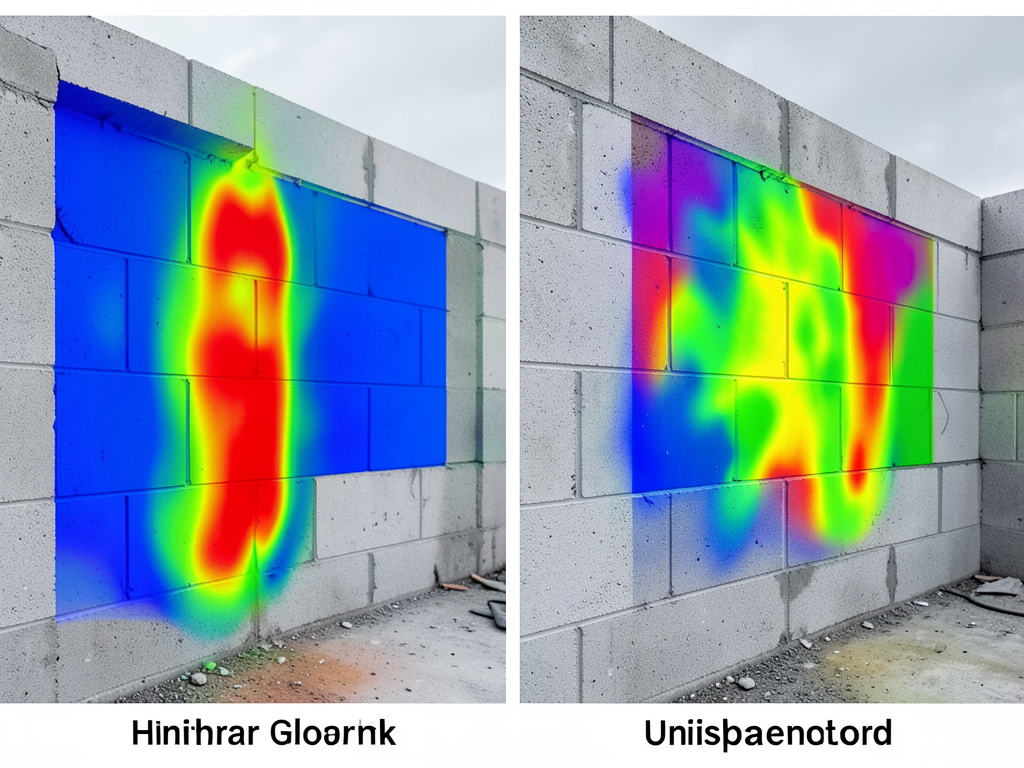
Concrete block walls act like heat batteries. During sunny Florida days, they absorb thermal energy and store it. When the sun goes down, that stored heat radiates back into your living space. This process continues even when your air conditioner runs at full capacity. The R-value of standard concrete block is only about 0.08 per inch, making it a poor insulator compared to wood frame construction. Florida Building Code Energy Conservation.
The problem intensifies in Town ‘n’ Country because many homes were built before modern energy codes. These older block homes often lack proper insulation in the walls. The concrete also holds moisture from Tampa’s high humidity, which increases the heat load on your cooling system. When water vapor condenses inside block walls, it creates a damp environment that makes the air feel warmer and more uncomfortable.. Read more about Why Whole House Fans Often Fail to Solve Humidity Issues in Westchase Homes.
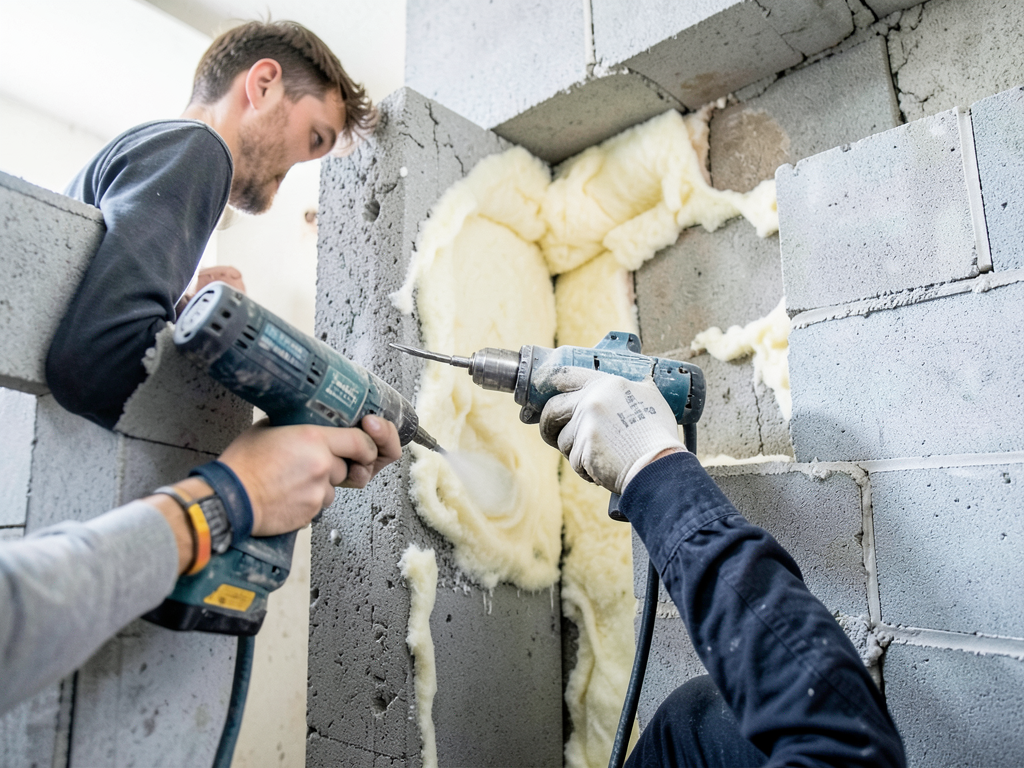
Diagram showing heat flow through concrete block walls during day and night cycles
Insulation Strategies for Florida CMU Walls
Adding insulation to existing concrete block walls requires different approaches than wood frame homes. The most effective method for Town ‘n’ Country homes is core-fill foam insulation. This involves drilling holes in the block cells and injecting expanding foam that fills the voids. The foam provides an R-value of about 4 per inch and creates an air seal that blocks moisture infiltration.
Exterior insulation is another option but requires major renovation. Rigid foam boards can be attached to the outside of block walls, then covered with a weatherproof finish. This method provides continuous insulation without thermal bridging through the concrete. However, it changes the appearance of your home and requires permits from Hillsborough County.
Interior insulation using rigid foam boards is less invasive but reduces interior space. The foam boards are attached to block walls inside your home, then covered with drywall. This creates a thermal break but does not address the exterior moisture problem. Radiant barriers in the attic can also help by reflecting heat away from the roof before it enters the block structure.
| Insulation Method | Cost Range | R-Value per Inch | Best For |
|---|---|---|---|
| Core-fill Foam | $3-5 per square foot | 4-6 | Existing block walls |
| Exterior Rigid Foam | $8-12 per square foot | 3-5 | Major renovations |
| Interior Rigid Foam | $4-7 per square foot | 3-5 | Finished spaces |
| Radiant Barrier | $0.50-1 per square foot | Reflects 90-97% | Attic spaces |
HVAC Sizing: Why Manual J Calculations Matter
Rule-of-thumb sizing fails in concrete block homes. The thermal mass and moisture content require precise calculations. Manual J load calculations consider the specific heat capacity of concrete, the surface area of block walls, and the moisture load from Tampa’s climate. A system that is too small will run constantly without cooling properly. A system that is too large will short cycle, failing to remove humidity.
The latent heat load in Town ‘n’ Country is particularly high. Concrete block walls can hold several gallons of water vapor. When your AC runs, it must first remove this moisture before it can cool the air effectively. This is why two-stage or variable-speed compressors work better in block homes. They run longer at lower speeds, removing more humidity while using less energy.
SEER2 ratings are important but not the only factor. A high-efficiency system with improper sizing will still fail in a block home. The key is matching the system capacity to the specific heat and moisture loads of your concrete structure. This requires a professional assessment of your home’s construction, orientation, and local climate factors.
Technician performing Manual J calculation on a concrete block home in Town ‘n’ Country
Dehumidification: The Secret to Comfort in Tampa
Cooling alone cannot solve the humidity problem in concrete block homes. The blocks absorb moisture from the air and release it slowly. This creates a persistent damp feeling even when the temperature is comfortable. Whole-home dehumidifiers work alongside your AC to maintain relative humidity between 45-55%, which is ideal for comfort and prevents mold growth.
The dehumidifier capacity must match your home’s moisture load. A 2,000 square foot block home in Town ‘n’ Country might need a 70-pint per day dehumidifier. The unit is installed in the HVAC system and removes moisture before the air circulates through your home. This reduces the workload on your AC and extends its lifespan.
Standalone dehumidifiers can help in specific areas but are not a complete solution. They work best in basements or bonus rooms where moisture problems are isolated. For whole-home comfort, integrated dehumidification is more effective. The system monitors humidity levels and activates automatically when needed, maintaining consistent conditions throughout your home.
Local Tampa Case Study: A Town ‘n’ Country Success Story
A homeowner on Webb Road in Town ‘n’ Country had a 1,800 square foot block home built in 1985. The electric bills averaged $280 per month during summer. The home felt damp and the AC ran constantly. A comprehensive assessment revealed uninsulated block walls, undersized ductwork, and no humidity control.
The solution included core-fill foam insulation in the walls, a new 3-ton variable-speed heat pump, and a whole-home dehumidifier. The ductwork was sealed and resized according to Manual D specifications. After installation, the electric bills dropped to $185 per month. The homeowner reported the home felt cooler and less humid even when the thermostat setting remained the same.
This project demonstrates how addressing the specific challenges of concrete block construction can solve comfort problems. The combination of insulation, proper equipment sizing, and humidity control worked together to create a comfortable home while reducing energy costs by 34%.
Heat Flux and Nighttime Heat Release in Masonry
Heat flux through concrete block walls follows predictable patterns. During the day, solar radiation heats the exterior surface. The heat conducts through the concrete at a rate determined by the material’s thermal conductivity. At night, the process reverses but continues for several hours because concrete releases heat slowly. This is why your home may feel warmest around 2-3 AM.
The time lag between peak outdoor temperature and peak heat flux through walls can be 6-8 hours. This means the heat absorbed at 3 PM may not reach your interior until 9-11 PM. Traditional AC systems are not designed to handle this delayed heat load. Variable-speed systems can adjust their capacity to match these changing conditions.
Surface color affects heat absorption. Light-colored stucco reflects more solar radiation than dark colors. However, the thermal mass of the concrete still dominates the heat transfer process. Even with reflective exterior finishes, block homes in Town ‘n’ Country will experience significant heat gain without proper insulation and HVAC design.
Radiant Barriers for Florida Attics
Attic temperatures in Florida can reach 150 degrees Fahrenheit. This heat radiates downward through the ceiling and into your living space. Radiant barriers installed under the roof deck can reflect up to 97% of this radiant heat. The barriers consist of aluminum foil laminated to a substrate material and are installed with an air gap to allow the foil to work effectively.
For concrete block homes, radiant barriers provide an additional layer of protection. The block walls absorb heat from the attic space if it is not properly ventilated. Combining radiant barriers with adequate attic ventilation creates a system that keeps the entire structure cooler. This reduces the heat load on both your insulation and your HVAC system.
Installation costs for radiant barriers range from $0.50 to $1.50 per square foot. The investment typically pays for itself within 3-5 years through reduced cooling costs. The barriers also help in winter by reflecting heat back into the living space, though this benefit is minimal in Tampa’s mild climate.
TECO Energy Audit Integration
Tampa Electric Company offers energy audits that specifically address concrete block construction. The audit includes thermal imaging to identify heat loss points, blower door tests to measure air infiltration, and duct leakage testing. For block homes, the audit pays special attention to the connection between the block walls and the roof structure where heat transfer is often highest.
TECO rebates are available for improvements identified in the audit. Insulation upgrades, HVAC replacements, and dehumidification systems may qualify for rebates of $100 to $800 depending on the improvement. The utility also offers time-of-use rates that can save money if you shift some energy use to off-peak hours.
The energy audit provides a roadmap for improvements based on cost-effectiveness. For a typical Town ‘n’ Country block home, the audit might recommend starting with duct sealing, then adding insulation, and finally upgrading the HVAC system. This phased approach allows you to spread the investment over time while gaining benefits from each improvement.
Cool Roof Coatings for Concrete Structures
Roof coatings can reduce heat gain in concrete block homes by reflecting solar radiation. Cool roof coatings contain reflective pigments that bounce sunlight away from the surface. The coatings are applied over existing roofing materials and can lower roof surface temperatures by 50-60 degrees Fahrenheit. This reduces the heat transferred through the ceiling to the living space below.
For flat or low-slope roofs common on commercial block buildings, cool coatings provide significant benefits. The coatings also extend roof life by protecting the underlying material from UV radiation and thermal cycling. Many cool roof products carry Energy Star certification and may qualify for tax credits or utility rebates. Reliable Commercial HVAC Services for Temple Terrace Business Owners.
The effectiveness of cool roof coatings depends on proper application. The surface must be clean and dry before application. Most coatings require two coats for full protection. The light color of the coating may not match all architectural styles, but the energy savings often outweigh aesthetic concerns for homeowners focused on comfort and efficiency. Why Most Carrollwood Homeowners Choose Local HVAC Experts Over Big Box Brands.
Common Mistakes to Avoid
Many homeowners make costly mistakes when trying to cool their block homes. Adding a larger AC unit without addressing insulation is a common error. The bigger system will cool the air but still struggle with humidity and high heat loads. This leads to short cycling and higher energy bills without solving the comfort problem.
Another mistake is using interior insulation only. While this reduces heat transfer from the inside, it does not prevent the block walls from absorbing heat from the exterior. The walls still act as heat batteries, releasing stored energy into your home at night. Exterior or core-fill insulation is necessary for complete protection.
Ignoring ductwork problems is also problematic. In block homes, ductwork often runs through unconditioned spaces like attics or soffits. Leaky ducts can lose 20-30% of conditioned air before it reaches your rooms. Sealing and insulating ductwork is a cost-effective improvement that enhances the performance of any HVAC system.
Maintenance Tips for Block Home HVAC Systems
Regular maintenance is crucial for HVAC systems in concrete block homes. The high humidity and heat loads create additional stress on equipment. Change air filters every 30-45 days instead of the standard 90 days. Clean filters improve airflow and help the system remove humidity more effectively.
Check the condensate drain line monthly. Block homes often have higher moisture levels, which can cause algae growth in drain lines. A clogged drain can cause water damage and system shutdown. Flush the line with a mixture of water and vinegar to prevent buildup.
Have your system professionally serviced twice per year. The service should include checking refrigerant levels, cleaning coils, and testing the dehumidification function. In Tampa’s climate, proper refrigerant charge is critical for both cooling and humidity control. Low refrigerant reduces efficiency and can damage the compressor. Who to Call for 24-Hour AC Service in New Tampa When the Temperature Starts Climbing.
Cost-Benefit Analysis of Upgrades
Upgrading a concrete block home requires significant investment but provides substantial returns. A comprehensive improvement package including insulation, HVAC replacement, and dehumidification typically costs $15,000 to $25,000. The energy savings and improved comfort often justify the expense through lower utility bills and increased home value.
The payback period depends on your current energy costs and the extent of improvements. Homes with very high cooling bills may see payback in 3-5 years. Even if the payback takes longer, the improved comfort and air quality provide immediate benefits. Many homeowners report their homes feel like entirely different buildings after comprehensive upgrades.
Financing options can make upgrades more affordable. Many HVAC contractors offer payment plans, and some improvements qualify for low-interest loans through energy efficiency programs. The monthly savings on utility bills often offset a significant portion of the loan payment, making the upgrades cash-flow positive from day one.
Future Trends in Block Home Cooling
Emerging technologies are making concrete block homes more comfortable and efficient. Smart thermostats with humidity sensors can optimize system operation based on both temperature and moisture levels. These devices learn your home’s patterns and adjust automatically to maintain ideal conditions while minimizing energy use.
Phase-change materials are being developed that can be added to walls to absorb and release heat at specific temperatures. These materials work like thermal mass but can be tuned to match desired indoor conditions. When integrated with proper insulation, they can dramatically reduce temperature swings in block homes.
Solar-assisted cooling systems are also becoming more viable. These systems use solar thermal collectors to drive absorption chillers or provide pre-cooling for conventional AC systems. For concrete block homes with high cooling loads, solar assistance can significantly reduce grid electricity consumption while maintaining comfort.
Frequently Asked Questions
Why does my concrete block home feel hotter than my friend’s wood frame house?
Concrete block has much lower R-value than wood frame construction. Block walls absorb and store heat, releasing it slowly into your home. This thermal mass effect makes block homes feel hotter, especially at night when the stored heat radiates back into living spaces.
How much insulation do I need in my block walls?
For Tampa’s climate, block walls should have an effective R-value of at least R-13. This typically requires core-fill foam or exterior insulation. The specific amount depends on your home’s construction and local building codes, which follow the Florida Building Code Energy Conservation requirements.
Can I add insulation to my existing block home without major renovation?
Yes, core-fill foam insulation can be injected through small holes drilled in the block cells. This process takes 1-2 days and causes minimal disruption. The holes are patched after installation, and the improvement is not visible from the exterior.
Will a bigger AC unit solve my cooling problems?
No, oversizing your AC creates more problems than it solves. A unit that is too large will short cycle, failing to remove humidity effectively. This leaves your home feeling cool but clammy. Proper sizing through Manual J calculations is essential for concrete block homes.
How can I tell if my ductwork is causing cooling problems?
Signs of duct problems include uneven cooling between rooms, excessive dust, high humidity levels, and higher than expected energy bills. A professional duct test can measure leakage and identify problems specific to your home’s construction.
Next Steps for Your Block Home
Improving your concrete block home’s cooling efficiency starts with understanding your specific situation. A professional assessment can identify the most cost-effective improvements for your home’s construction, your family’s comfort needs, and your budget. The right solution combines insulation, proper HVAC sizing, and humidity control to create a comfortable home year-round. How to Choose the Right New Air Conditioner for Your Westchase Home.
Every block home in Town ‘n’ Country has unique characteristics that affect its performance. Age, orientation, window placement, and existing insulation all play roles in determining the best improvement strategy. Working with a contractor who understands concrete block construction and Tampa’s climate ensures you get solutions that actually work.
The investment in improving your block home pays dividends through lower energy bills, better comfort, and increased home value. With proper planning and professional installation, you can transform your hot, humid block home into a comfortable, efficient living space that stays cool even during the hottest Florida summers.
Call (656) 237-5377 today to schedule your inspection. Our technicians understand the unique challenges of concrete block homes in Town ‘n’ Country and can recommend specific solutions for your situation. Don’t wait until the next heatwave hits – take control of your home’s comfort now.
Pick up the phone and call (656) 237-5377 before the next storm hits. Concrete block homes need special attention to stay cool and dry in Tampa’s climate. Our team is ready to help you create the comfortable home you deserve. For more information, visit U.S. Department of Energy insulation guide.
{
“@context”: “https://schema.org”,
“@type”: “BlogPosting”,
“headline”: “Why Concrete Block Homes in Town ‘n’ Country Trap Heat and How to Fix It”,
“description”: “Concrete block homes in Town ‘n’ Country hold heat due to thermal mass. Learn how to improve cooling with insulation, dehumidification, and HVAC upgrades.”,
“wordCount”: 2830,
“datePublished”: “2026-05-23T12:43:00.000Z”,
“dateModified”: “2026-05-23T12:43:00.000Z”,
“inLanguage”: “en-US”,
“mainEntityOfPage”: {
“@type”: “WebPage”,
“@id”: “https://peakhvactampa.com”
},
“publisher”: {
“@type”: “LocalBusiness”,
“name”: “Peak HVAC Tampa”,
“url”: “https://peakhvactampa.com”
},
“author”: {
“@type”: “Organization”,
“name”: “Peak HVAC Tampa”,
“url”: “https://peakhvactampa.com”
},
“image”: {
“@type”: “ImageObject”,
“url”: “https://peakhvactampa.com/wp-content/uploads/2026/03/why-concrete-block-homes-in-town-n-country-trap-he-1.png”
}
}
{
“@context”: “https://schema.org”,
“@type”: “HVACBusiness”,
“name”: “Peak HVAC Tampa”,
“url”: “https://peakhvactampa.com”,
“address”: {
“@type”: “PostalAddress”,
“addressLocality”: “Tampa”
},
“areaServed”: {
“@type”: “City”,
“name”: “Tampa”
}
}
{
“@context”: “https://schema.org”,
“@type”: “FAQPage”,
“mainEntity”: [
{
“@type”: “Question”,
“name”: “Why does my concrete block home feel hotter than my friend’s wood frame house?”,
“acceptedAnswer”: {
“@type”: “Answer”,
“text”: “Concrete block has much lower R-value than wood frame construction. Block walls absorb and store heat, releasing it slowly into your home. This thermal mass effect makes block homes feel hotter, especially at night when the stored heat radiates back into living spaces.”
}
},
{
“@type”: “Question”,
“name”: “How much insulation do I need in my block walls?”,
“acceptedAnswer”: {
“@type”: “Answer”,
“text”: “For Tampa’s climate, block walls should have an effective R-value of at least R-13. This typically requires core-fill foam or exterior insulation. The specific amount depends on your home’s construction and local building codes, which follow the Florida Building Code Energy Conservation requirements.”
}
}
]
}
{
“@context”: “https://schema.org”,
“@type”: “BreadcrumbList”,
“itemListElement”: [
{
“@type”: “ListItem”,
“position”: 1,
“name”: “Home”,
“item”: “https://peakhvactampa.com”
},
{
“@type”: “ListItem”,
“position”: 2,
“name”: “Blog”,
“item”: “https://peakhvactampa.com/blog”
},
{
“@type”: “ListItem”,
“position”: 3,
“name”: “Why Concrete Block Homes in Town ‘n’ Country Trap Heat and How to Fix It”
}
]
}
{
“@context”: “https://schema.org”,
“@type”: “Service”,
“serviceType”: “HVAC”,
“provider”: {
“@type”: “LocalBusiness”,
“name”: “Peak HVAC Tampa”,
“url”: “https://peakhvactampa.com”
},
“areaServed”: {
“@type”: “City”,
“name”: “Tampa”
},
“description”: “Concrete block homes in Town ‘n’ Country hold heat due to thermal mass. Learn how to improve cooling with insulation, dehumidification, and HVAC upgrades.”
}