
Cooling Your New Riverside Heights ADU or Mother-in-Law Suite Efficiently
Keeping your Riverside Heights ADU comfortable during Tampa’s scorching summers requires more than just any air conditioner. The unique challenges of Florida’s climate combined with the specific needs of detached living spaces demand careful planning and the right equipment. Whether you’re building a new accessory dwelling unit or upgrading an existing mother-in-law suite, understanding your cooling options will save you money and frustration. Florida Building Code.
Florida’s high humidity and intense heat create a perfect storm for cooling challenges. Your Riverside Heights ADU sits in a microclimate where afternoon temperatures regularly climb above 90°F, and the humidity makes it feel even hotter. The detached nature of most ADUs means they often lack the thermal mass of a main house, causing them to heat up faster and cool down slower. Add to that the salt-air exposure common in Tampa’s coastal areas, and you need equipment designed specifically for these conditions.. Read more about Avoiding Common Duct Cleaning Scams Targeting Seniors in Sun City Center.
Before diving into specific solutions, consider your ADU’s size, orientation, and usage patterns. A 400-square-foot studio used occasionally by guests has different cooling needs than a 1,000-square-foot two-bedroom unit that might become a long-term rental. The good news is that modern HVAC technology offers several efficient options that can handle Tampa’s unique climate demands.
Top 4 Cooling Solutions for Your Riverside Heights ADU
Choosing the right cooling system depends on your budget, space constraints, and how you plan to use the ADU. Here’s a comprehensive comparison of the most effective options for Tampa’s climate. How to Choose the Right New Air Conditioner for Your Westchase Home.
| System Type | Initial Cost | Energy Efficiency | Humidity Control | Best For |
|---|---|---|---|---|
| Ductless Mini-Split | $3,500-$6,000 | SEER2 20+ | Excellent | Most ADUs |
| Window Unit | $300-$800 | SEER2 10-14 | Poor | Occasional use |
| PTAC (Packaged Terminal) | $1,200-$2,500 | SEER2 12-16 | Good | Hotels/Multi-unit |
| Central Air Extension | $5,000-$12,000 | SEER2 16-18 | Good | Larger ADUs |
Ductless Mini-Splits: The Gold Standard for Florida ADUs
Ductless mini-split systems have revolutionized cooling for detached structures like your Riverside Heights ADU. These systems consist of an outdoor compressor unit connected to one or more indoor air handlers through small refrigerant lines. The technology has advanced significantly, with modern units achieving SEER2 ratings of 20 or higher, making them incredibly efficient for Tampa’s climate.
The key advantage of mini-splits in Florida is their superior humidity control. Unlike window units that simply cool the air, mini-splits use variable-speed compressors that can run at low speeds for extended periods. This continuous operation removes moisture from the air more effectively, keeping humidity levels below the critical 50% threshold where mold and mildew thrive. The inverter technology also means the system doesn’t cycle on and off as frequently, reducing wear and tear while maintaining consistent comfort.
Installation flexibility is another major benefit. The indoor units can be mounted on walls, ceilings, or even recessed into drop ceilings. The outdoor units require only a small concrete pad and can be placed up to 50 feet from the indoor units, making them ideal for tight Riverside Heights lots. Most installations can be completed in one day with minimal disruption to your property.
Understanding BTU Requirements for Tampa ADUs
Calculating the right cooling capacity is crucial for efficiency and comfort. In Tampa’s climate, you need approximately 25-30 BTUs per square foot due to the intense heat and humidity. Here’s a quick reference guide for common ADU sizes:
| ADU Size | Recommended BTUs | Typical System Size |
|---|---|---|
| 300-400 sq ft | 9,000-12,000 | 1-ton mini-split |
| 500-700 sq ft | 14,000-18,000 | 1.5-ton mini-split |
| 800-1,000 sq ft | 20,000-25,000 | 2-ton mini-split |
These calculations assume standard 8-foot ceilings and average insulation. Riverside Heights homes built before 2000 may need additional capacity due to less efficient building envelopes. Always consult with a licensed HVAC contractor who can perform a Manual J load calculation for your specific space.
Installation Requirements and Tampa Building Codes
Installing HVAC equipment in your Riverside Heights ADU requires compliance with Florida Building Code (FBC) Chapter 13 and Hillsborough County regulations. The mechanical permit process ensures your system meets safety and efficiency standards. Key requirements include proper condensate drainage, electrical disconnects within sight of the outdoor unit, and hurricane-resistant mounting for outdoor equipment.
According to the FBC Energy Conservation Code, all new HVAC installations must meet minimum SEER2 ratings. As of 2026, the minimum requirement for residential cooling equipment is SEER2 14 for systems under 65,000 BTU/hr. However, for optimal efficiency in Tampa’s climate, we recommend systems with SEER2 ratings of 18 or higher. These higher-efficiency units qualify for federal tax credits under the Inflation Reduction Act, potentially saving you 30% on installation costs. ENERGY STAR certified equipment.
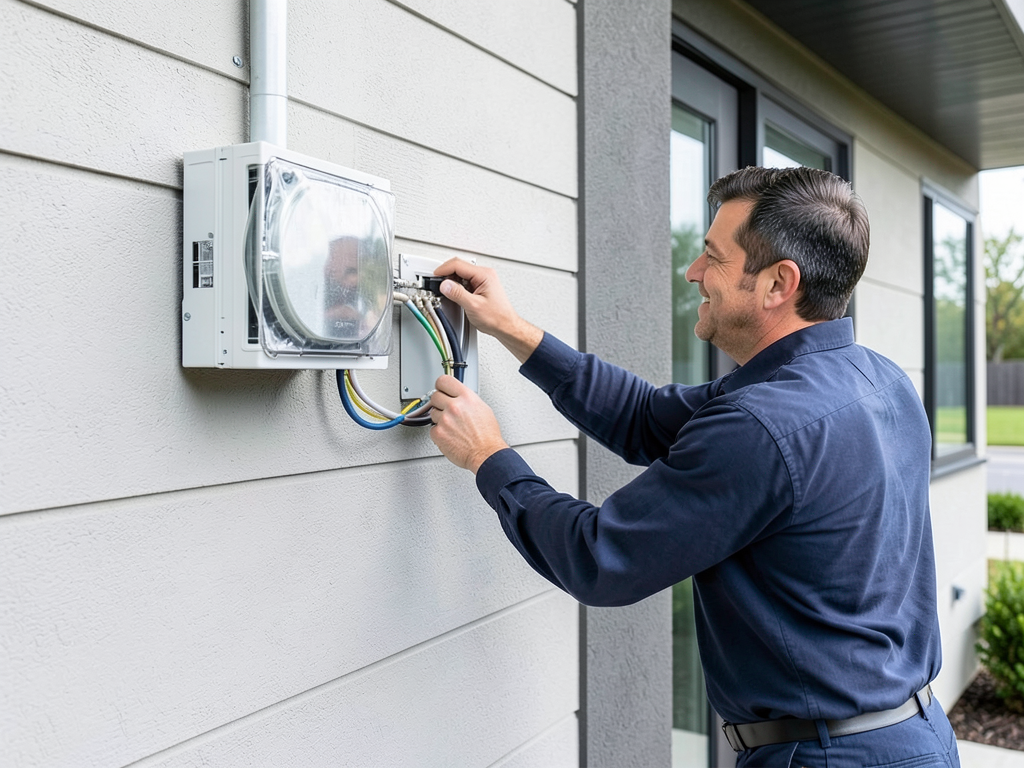
Electrical requirements are another critical consideration. Most mini-split systems require a dedicated 240-volt circuit with appropriate amperage based on the unit size. Your Riverside Heights home’s electrical panel must have sufficient capacity to handle the additional load. If your ADU is older, you might need an electrical service upgrade, which adds to the overall project cost but ensures safe, reliable operation. Who to Call for 24-Hour AC Service in New Tampa When the Temperature Starts Climbing.
Smart Thermostats and Energy Management
Modern smart thermostats can dramatically improve the efficiency of your ADU cooling system. These devices learn your usage patterns and can automatically adjust temperatures based on occupancy, time of day, and even local weather conditions. For Riverside Heights ADUs used as guest houses, smart thermostats offer particularly valuable features.
Geofencing technology can detect when guests are approaching and begin cooling the space before they arrive. Vacation modes can maintain higher temperatures when the unit is unoccupied, saving energy while preventing mold growth. Many smart thermostats also provide detailed energy usage reports, helping you identify opportunities for additional savings. Integration with voice assistants like Amazon Alexa or Google Assistant makes controlling your ADU’s climate as simple as speaking a command.
Some advanced systems can even monitor humidity levels and activate dehumidification modes automatically when moisture levels rise above optimal ranges. This is particularly valuable in Tampa’s climate, where high humidity can make even cool spaces feel uncomfortable and promote mold growth.
Maintenance Tips for Coastal ADU Cooling Systems
The salt-air environment in Riverside Heights requires specific maintenance practices to protect your cooling investment. The outdoor condenser coils should be cleaned every six months using a coil cleaner designed for coastal environments. This prevents salt buildup that can reduce efficiency and cause premature failure. The fins on the coil are delicate, so use a soft brush or low-pressure water spray rather than high-pressure washing.
Indoor air filters should be checked monthly and replaced every 60-90 days, or more frequently if you have pets or the ADU sees heavy use. Clogged filters restrict airflow, forcing your system to work harder and reducing efficiency. During Tampa’s pollen season, you might need to change filters more often to maintain optimal performance.
Annual professional maintenance is essential for coastal installations. A qualified technician will check refrigerant levels, inspect electrical connections, clean the condensate drain line, and verify that all safety controls are functioning properly. They can also identify early signs of corrosion or wear that could lead to system failure during peak cooling season.
Cost Considerations and Local Incentives
The total cost of cooling your Riverside Heights ADU extends beyond the initial equipment purchase. Installation costs typically range from $1,500 to $3,000 for a standard mini-split system, depending on the complexity of the installation and any necessary electrical upgrades. Window units are cheaper upfront but cost more to operate over time and provide inferior comfort.
Energy efficiency directly impacts your monthly utility bills. A SEER2 20 mini-split might cost $1,000 more initially than a SEER2 14 model, but it could save you $25-40 per month on cooling costs. Over a five-year period, the higher-efficiency unit often pays for itself through energy savings. TECO Energy offers rebates for high-efficiency HVAC installations, and federal tax credits can provide additional savings.
Consider the long-term value of your cooling system as an investment in your property. A properly sized, efficiently installed system can increase your ADU’s rental value and make it more attractive to potential tenants or guests. The comfort and reliability of a quality system also reduce wear and tear on furnishings and finishes by maintaining stable temperature and humidity levels.
Emergency Preparedness for Your ADU Cooling System
Tampa’s hurricane season requires specific preparations for your ADU cooling system. Before a storm, ensure the outdoor unit is securely mounted and consider installing a hurricane tie-down kit if one isn’t already present. These kits prevent the unit from being dislodged by high winds, which could cause extensive damage to both the equipment and your ADU.
Surge protection is critical in Florida’s lightning-prone environment. Install a whole-house surge protector at your main electrical panel, and consider adding a dedicated surge protector for your ADU’s HVAC circuit. Lightning strikes can send voltage spikes through power lines, potentially destroying sensitive electronic components in modern cooling systems.
Keep a supply of clean air filters on hand, and know how to access and reset your system’s circuit breakers. If your ADU loses power during a storm, wait at least 10 minutes after power restoration before restarting the system to allow the compressor to equalize pressure. This simple step can prevent costly compressor damage.
Frequently Asked Questions
How long does it take to install a mini-split system in an ADU?
Most mini-split installations in Riverside Heights ADUs can be completed in one day. The process includes mounting the indoor and outdoor units, running refrigerant lines through small wall penetrations, and making electrical connections. Complex installations requiring significant electrical upgrades may take two days.
Can I install a window unit instead of a mini-split to save money?
While window units cost less upfront, they’re significantly less efficient and provide poor humidity control in Tampa’s climate. They also create security concerns and can damage window frames over time. For occasional use, a window unit might suffice, but for regular occupancy, a mini-split is the better investment.
Do I need a permit to install cooling in my Riverside Heights ADU?
Yes, Hillsborough County requires mechanical permits for all new HVAC installations. The permit process ensures your system meets Florida Building Code requirements for safety and efficiency. Your HVAC contractor should handle permit acquisition as part of the installation process.
How can I make my ADU cooling system more energy efficient?
Beyond choosing a high-efficiency unit, improve efficiency by ensuring proper insulation, using ceiling fans to circulate air, installing reflective window film to reduce solar heat gain, and maintaining your system regularly. Smart thermostats can also optimize energy usage based on your occupancy patterns.
What size mini-split do I need for a 600-square-foot ADU?
For a 600-square-foot ADU in Tampa, you’ll typically need a 1.5-ton (18,000 BTU) mini-split system. However, factors like ceiling height, insulation quality, window orientation, and local shading all affect the actual cooling load. A professional load calculation ensures proper sizing.
- Assess Your Space
Measure your ADU’s square footage, ceiling height, and note any unique features like large windows or poor insulation that might affect cooling needs.
- Determine Usage Patterns
Consider how often the space will be occupied and by how many people. Occasional guest use requires different capacity than full-time occupancy.
- Set Your Budget
Balance upfront costs against long-term energy savings. Higher-efficiency systems cost more initially but save money over time.
- Check Local Requirements
Verify that your chosen system meets Florida Building Code requirements and that you can obtain necessary permits.
- Consult a Professional
Have an HVAC contractor perform a Manual J load calculation to determine the exact cooling capacity needed for your specific space.
Ready to Cool Your Riverside Heights ADU?
Don’t let another Tampa summer pass with an inefficient or inadequate cooling system in your ADU. The right equipment makes all the difference in comfort, energy costs, and property value. Our team understands the unique challenges of cooling detached structures in Florida’s climate and can help you choose the perfect solution for your needs and budget.
Call (656) 237-5377 today to schedule your free consultation. We’ll assess your ADU, explain your options, and provide a detailed quote with no high-pressure sales tactics. Our NATE-certified technicians will ensure your new cooling system is properly sized, efficiently installed, and ready to handle Tampa’s toughest heat waves.
Pick up the phone and call (656) 237-5377 before the next heat wave hits. Your guests (and your utility bills) will thank you.
Peak HVAC Tampa – Serving Riverside Heights and all of Tampa Bay with expert heating and cooling solutions since 2010.
{
“@context”: “https://schema.org”,
“@type”: “BlogPosting”,
“headline”: “Cooling Your New Riverside Heights ADU or Mother-in-Law Suite Efficiently”,
“description”: “Efficient cooling solutions for Riverside Heights ADUs. Learn about ductless mini-splits, humidity control, and Tampa-specific HVAC options for your guest house.”,
“wordCount”: 2079,
“datePublished”: “2026-06-07T08:01:00.000Z”,
“dateModified”: “2026-06-07T08:01:00.000Z”,
“inLanguage”: “en-US”,
“mainEntityOfPage”: {
“@type”: “WebPage”,
“@id”: “https://peakhvactampa.com”
},
“publisher”: {
“@type”: “LocalBusiness”,
“name”: “Peak HVAC Tampa”,
“url”: “https://peakhvactampa.com”
},
“author”: {
“@type”: “Organization”,
“name”: “Peak HVAC Tampa”,
“url”: “https://peakhvactampa.com”
},
“image”: {
“@type”: “ImageObject”,
“url”: “https://peakhvactampa.com/wp-content/uploads/2026/03/cooling-your-new-riverside-heights-adu-or-mother-i-1.png”
}
}
{
“@context”: “https://schema.org”,
“@type”: “HVACBusiness”,
“name”: “Peak HVAC Tampa”,
“url”: “https://peakhvactampa.com”,
“address”: {
“@type”: “PostalAddress”,
“addressLocality”: “Tampa”
},
“areaServed”: {
“@type”: “City”,
“name”: “Tampa”
}
}
{
“@context”: “https://schema.org”,
“@type”: “FAQPage”,
“mainEntity”: [
{
“@type”: “Question”,
“name”: “How long does it take to install a mini-split system in an ADU?”,
“acceptedAnswer”: {
“@type”: “Answer”,
“text”: “Most mini-split installations in Riverside Heights ADUs can be completed in one day. The process includes mounting the indoor and outdoor units, running refrigerant lines through small wall penetrations, and making electrical connections. Complex installations requiring significant electrical upgrades may take two days.”
}
},
{
“@type”: “Question”,
“name”: “Can I install a window unit instead of a mini-split to save money?”,
“acceptedAnswer”: {
“@type”: “Answer”,
“text”: “While window units cost less upfront, they’re significantly less efficient and provide poor humidity control in Tampa’s climate. They also create security concerns and can damage window frames over time. For occasional use, a window unit might suffice, but for regular occupancy, a mini-split is the better investment.”
}
},
{
“@type”: “Question”,
“name”: “Do I need a permit to install cooling in my Riverside Heights ADU?”,
“acceptedAnswer”: {
“@type”: “Answer”,
“text”: “Yes, Hillsborough County requires mechanical permits for all new HVAC installations. The permit process ensures your system meets Florida Building Code requirements for safety and efficiency. Your HVAC contractor should handle permit acquisition as part of the installation process.”
}
},
{
“@type”: “Question”,
“name”: “What size mini-split do I need for a 600-square-foot ADU?”,
“acceptedAnswer”: {
“@type”: “Answer”,
“text”: “For a 600-square-foot ADU in Tampa, you’ll typically need a 1.5-ton (18,000 BTU) mini-split system. However, factors like ceiling height, insulation quality, window orientation, and local shading all affect the actual cooling load. A professional load calculation ensures proper sizing.”
}
},
{
“@type”: “Question”,
“name”: “Ready to Cool Your Riverside Heights ADU?”,
“acceptedAnswer”: {
“@type”: “Answer”,
“text”: “Don’t let another Tampa summer pass with an inefficient or inadequate cooling system in your ADU. The right equipment makes all the difference in comfort, energy costs, and property value. Our team understands the unique challenges of cooling detached structures in Florida’s climate and can help you choose the perfect solution for your needs and budget.”
}
}
]
}
{
“@context”: “https://schema.org”,
“@type”: “HowTo”,
“name”: “How to Choose the Right ADU Cooling System”,
“step”: [
{
“@type”: “HowToStep”,
“position”: 1,
“name”: “Assess Your Space”,
“text”: “Measure your ADU’s square footage, ceiling height, and note any unique features like large windows or poor insulation that might affect cooling needs.”
},
{
“@type”: “HowToStep”,
“position”: 2,
“name”: “Determine Usage Patterns”,
“text”: “Consider how often the space will be occupied and by how many people. Occasional guest use requires different capacity than full-time occupancy.”
},
{
“@type”: “HowToStep”,
“position”: 3,
“name”: “Set Your Budget”,
“text”: “Balance upfront costs against long-term energy savings. Higher-efficiency systems cost more initially but save money over time.”
},
{
“@type”: “HowToStep”,
“position”: 4,
“name”: “Check Local Requirements”,
“text”: “Verify that your chosen system meets Florida Building Code requirements and that you can obtain necessary permits.”
},
{
“@type”: “HowToStep”,
“position”: 5,
“name”: “Consult a Professional”,
“text”: “Have an HVAC contractor perform a Manual J load calculation to determine the exact cooling capacity needed for your specific space.”
}
],
“image”: “https://peakhvactampa.com/wp-content/uploads/2026/03/cooling-your-new-riverside-heights-adu-or-mother-i-1.png”
}
{
“@context”: “https://schema.org”,
“@type”: “BreadcrumbList”,
“itemListElement”: [
{
“@type”: “ListItem”,
“position”: 1,
“name”: “Home”,
“item”: “https://peakhvactampa.com”
},
{
“@type”: “ListItem”,
“position”: 2,
“name”: “Blog”,
“item”: “https://peakhvactampa.com/blog”
},
{
“@type”: “ListItem”,
“position”: 3,
“name”: “Cooling Your New Riverside Heights ADU or Mother-in-Law Suite Efficiently”
}
]
}
{
“@context”: “https://schema.org”,
“@type”: “Service”,
“serviceType”: “HVAC”,
“provider”: {
“@type”: “LocalBusiness”,
“name”: “Peak HVAC Tampa”,
“url”: “https://peakhvactampa.com”
},
“areaServed”: {
“@type”: “City”,
“name”: “Tampa”
},
“description”: “Efficient cooling solutions for Riverside Heights ADUs. Learn about ductless mini-splits, humidity control, and Tampa-specific HVAC options for your guest house.”
}