
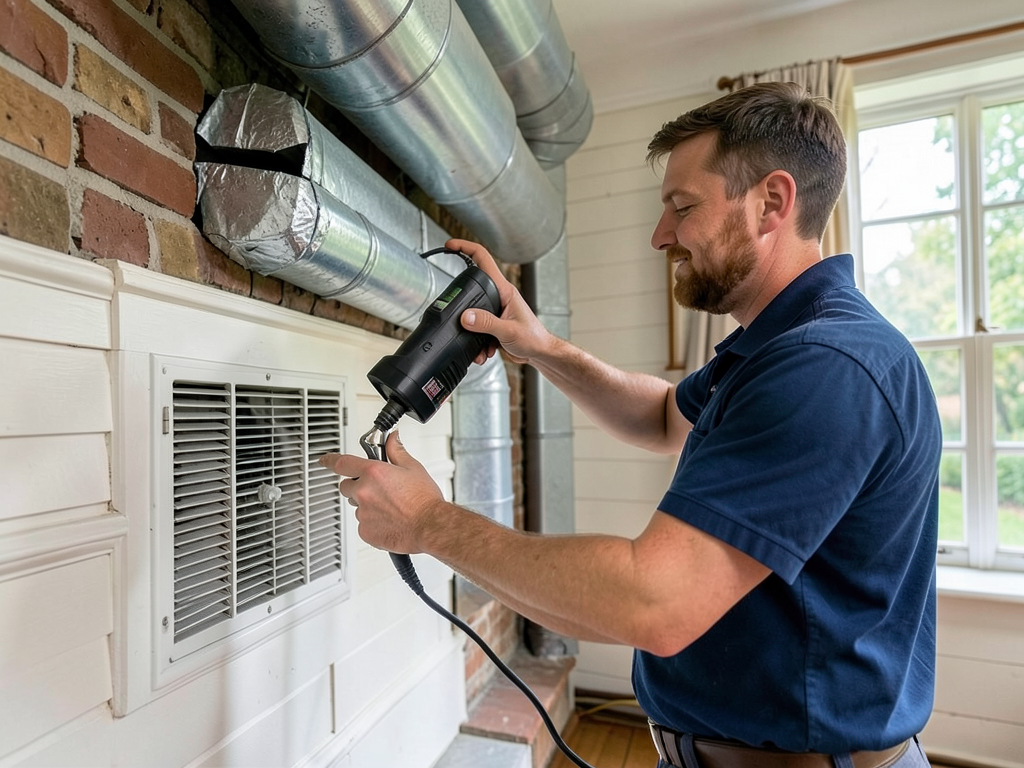
Dealing with Sewer Smells Coming From Your Hyde Park AC Vents
If your AC vents suddenly smell like sewage in your Hyde Park home you need to act fast. That rotten egg or sewer gas odor is not just unpleasant—it can signal a dangerous methane or hydrogen sulfide buildup that threatens your family’s health. In Tampa’s humid climate where moisture accelerates mold and pipe corrosion these smells often point to specific HVAC or plumbing failures unique to historic South Tampa neighborhoods.
The most common culprit is a dry P-trap under a floor drain or condensate line. When humidity drops or a drain sits unused the water seal evaporates letting sewer gases escape into your air handler. Other causes include blocked plumbing vents cracked sewer lines near return ducts or biofilm buildup in condensate pipes. Each of these failures creates a pathway for toxic gases to enter your living space through the very vents meant to keep you cool.
Before you panic check for these warning signs: the smell intensifies when the AC runs sewage odors near plumbing fixtures or visible moisture around your indoor unit. If you detect any of these call (656) 237-5377 immediately. Our NATE-certified technicians can diagnose whether you need a plumber to clear a vent stack or an HVAC pro to inspect your condensate drainage system.
Why Do My AC Vents Smell Like Sewage? (Causes & Fixes for Tampa Homes)
Hyde Park’s mix of historic bungalows and modern builds creates unique HVAC challenges. Many homes sit on sandy soil with high water tables that shift plumbing connections over time. When a condensate drain line clogs or a P-trap dries out sewer gases travel through your ductwork faster than you might expect. The Florida heat and humidity also accelerate bacterial growth inside pipes turning a minor blockage into a major odor problem within days. Florida Building Code.
Another factor is the proximity of plumbing vents to outdoor AC units. In older Hyde Park homes vent stacks sometimes run parallel to refrigerant lines creating condensation points where sewer gases can condense and be drawn into return air ducts. This is especially true for second-story additions where vent routing was modified without proper sealing.
If you notice the smell only when the AC first starts it could be a dry trap releasing trapped gases. If it persists throughout the cooling cycle you likely have a more serious breach in your drainage or vent system. Either way do not ignore it. Methane is flammable and hydrogen sulfide can cause respiratory distress even in small concentrations.
3 Most Common Reasons for Sewage Smells in Your AC
Understanding the root cause helps you decide whether to tackle it yourself or call a professional. Here are the three most frequent failures we see in Tampa homes:
- Dry P-trap under floor drains or condensate pans – When water evaporates the gas seal breaks
- Blocked or cracked plumbing vent stacks – Prevents proper air pressure equalization causing gases to back up
- Cracked sewer lines near return air ducts – Direct pathway for gases into the HVAC system
Each of these failures requires a different fix. A dry trap needs water or a trap primer. A blocked vent may need professional snaking. A cracked line requires plumbing excavation and repair. Guessing wrong can waste time and money while the hazard remains. EPA Indoor Air Quality.
Is the Smell Dangerous? Understanding Sewer Gas Risks
Sewer gas is a mixture of methane hydrogen sulfide ammonia and other compounds. In enclosed spaces like your AC ducts these gases can reach dangerous concentrations quickly. Methane is highly flammable and can cause explosions in confined areas. Hydrogen sulfide smells like rotten eggs but deadens your sense of smell at high concentrations making it a silent killer.
According to the Florida Building Code mechanical ventilation systems must maintain negative pressure to prevent gas infiltration. If your AC system pulls air from a compromised area it creates a direct route for these toxins into your living space. Symptoms of exposure include headaches dizziness nausea and in severe cases unconsciousness.
If you smell sewage and experience any of these symptoms evacuate immediately and call emergency services. Once safe call (656) 237-5377 for a thorough inspection. We use gas detectors and thermal imaging to locate breaches that are invisible to the naked eye. Who to Call for 24-Hour AC Service in New Tampa When the Temperature Starts Climbing.
Tampa Specifics: How Humidity Affects Your Drainage System
Tampa’s year-round humidity above 70% accelerates several failure modes unique to our area. First the constant moisture causes P-traps to dry out faster especially in guest bathrooms or floor drains that see infrequent use. Second the humid air promotes rapid biofilm growth inside condensate lines turning a slow clog into a full blockage in just weeks.
Sandy soil also plays a role. It shifts more than clay soils causing subtle movements in drain connections that create hairline cracks. These cracks expand with thermal cycling from your AC unit’s frequent starts and stops. In historic Hyde Park where many homes have mixed old and new plumbing this problem is magnified.
Another local factor is the high water table. In flood-prone areas condensate lines can back up when the ground is saturated forcing sewer gases to find alternate escape routes through your vents. This is why homes near the Hillsborough River or Bayshore Boulevard often experience these issues seasonally. Troubleshooting AC Issues.
DIY Solutions to Try Before Calling a Technician
Before you call for emergency service try these steps to rule out simple fixes. First pour a gallon of water down all floor drains and into the condensate pan. This re-primes any dry P-traps. Second mix one cup of bleach with one gallon of water and pour it down the condensate drain line. This kills biofilm and clears minor clogs.
Third check your outdoor AC unit for standing water or visible cracks in the condensate drain. If you see algae growth or mineral deposits the line likely needs cleaning. Fourth inspect visible vent stacks on your roof for blockages like bird nests or debris. Use binoculars from the ground—do not climb onto the roof.
If none of these steps eliminate the smell the problem is likely inside your walls or under your slab. At that point you need professional diagnostic tools like smoke testing or video pipe inspection. Continuing to run your AC in this state risks spreading contaminated air throughout your home.
When to Call a Tampa HVAC Professional
Call a professional immediately if you notice any of these signs: the smell persists after DIY fixes you hear gurgling in drains when the AC runs or you see water stains around vents. Also call if you have a gas detector alarm or experience symptoms like dizziness or nausea when the AC is running.
Professional diagnosis involves more than sniffing around. We use infrared cameras to detect temperature anomalies that indicate air leaks. We pressure test drain lines to find hidden cracks. We also inspect your air handler’s internal components because sometimes the evaporator coil or blower wheel can harbor bacteria that mimic sewer smells.
According to the EPA indoor air quality issues like this can reduce HVAC efficiency by up to 30%. That means you are not just breathing contaminated air—you are also paying higher utility bills. A proper repair restores both safety and efficiency.
Preventing Future Sewage Smells in Your AC
Prevention starts with regular maintenance. Schedule annual HVAC tune-ups that include condensate line cleaning and drain pan inspection. Install trap primers on floor drains that see infrequent use. Consider upgrading to PVC drain lines which resist biofilm better than older metal pipes.
In Tampa’s climate it also helps to run your AC periodically during cooler months to keep condensate lines flushed. If you have a vacation home in Hyde Park arrange for a neighbor to run water in sinks and flush toilets monthly to maintain trap seals.
Finally ask your HVAC technician about installing a whole-home air purifier with activated carbon filters. These capture gases before they circulate through your ducts adding an extra layer of protection against sewer gas infiltration.
Frequently Asked Questions
Why does my AC only smell like sewage when it first turns on?
This usually indicates a dry P-trap that releases trapped gases when air begins moving. Running water through the trap should solve it.
Can a dirty air filter cause sewer smells?
Not directly. A clogged filter restricts airflow but does not introduce sewer gases. If you smell sewage the source is likely in your plumbing or drain system.
How much does it cost to fix a sewage-smelling AC in Tampa?
Costs vary widely. A simple trap refill might cost under $100. Vent stack repairs or line replacements can range from $300 to $1500 depending on accessibility and damage extent.
Is it safe to keep using my AC if it smells like sewage?
No. Continued operation spreads contaminated air and can worsen the underlying problem. Evacuate if you experience symptoms and call a professional immediately.
Can high humidity make the smell worse?
Yes. Humidity accelerates bacterial growth in condensate lines and can cause P-traps to dry out faster. Tampa’s climate makes these issues more common than in drier regions.
If you are dealing with sewage smells from your AC vents in Hyde Park do not wait for the problem to escalate. Call (656) 237-5377 today to schedule your inspection. Our NATE-certified technicians will diagnose the issue quickly and restore safe clean air to your home.
Pick up the phone and call (656) 237-5377 before the next storm hits. In Tampa’s humid climate delays can turn a minor repair into a major health hazard.
{
“@context”: “https://schema.org”,
“@type”: “BlogPosting”,
“headline”: “Dealing with Sewer Smells Coming From Your Hyde Park AC Vents”,
“description”: “Sewer smells from AC vents in Hyde Park can indicate serious plumbing or HVAC issues. Learn the causes, risks, and when to call Tampa’s HVAC experts at (656) 237-5377.”,
“wordCount”: 1614,
“datePublished”: “2026-05-25T12:05:00.000Z”,
“dateModified”: “2026-05-25T12:05:00.000Z”,
“inLanguage”: “en-US”,
“mainEntityOfPage”: {
“@type”: “WebPage”,
“@id”: “https://peakhvactampa.com”
},
“publisher”: {
“@type”: “LocalBusiness”,
“name”: “Peak HVAC Tampa”,
“url”: “https://peakhvactampa.com”
},
“author”: {
“@type”: “Organization”,
“name”: “Peak HVAC Tampa”,
“url”: “https://peakhvactampa.com”
},
“image”: {
“@type”: “ImageObject”,
“url”: “https://peakhvactampa.com/wp-content/uploads/2026/03/dealing-with-sewer-smells-coming-from-your-hyde-pa-1.png”
}
}
{
“@context”: “https://schema.org”,
“@type”: “HVACBusiness”,
“name”: “Peak HVAC Tampa”,
“url”: “https://peakhvactampa.com”,
“address”: {
“@type”: “PostalAddress”,
“addressLocality”: “Tampa”
},
“areaServed”: {
“@type”: “City”,
“name”: “Tampa”
}
}
{
“@context”: “https://schema.org”,
“@type”: “FAQPage”,
“mainEntity”: [
{
“@type”: “Question”,
“name”: “Why does my AC only smell like sewage when it first turns on?”,
“acceptedAnswer”: {
“@type”: “Answer”,
“text”: “This usually indicates a dry P-trap that releases trapped gases when air begins moving. Running water through the trap should solve it.”
}
},
{
“@type”: “Question”,
“name”: “Can a dirty air filter cause sewer smells?”,
“acceptedAnswer”: {
“@type”: “Answer”,
“text”: “Not directly. A clogged filter restricts airflow but does not introduce sewer gases. If you smell sewage the source is likely in your plumbing or drain system.”
}
},
{
“@type”: “Question”,
“name”: “How much does it cost to fix a sewage-smelling AC in Tampa?”,
“acceptedAnswer”: {
“@type”: “Answer”,
“text”: “Costs vary widely. A simple trap refill might cost under $100. Vent stack repairs or line replacements can range from $300 to $1500 depending on accessibility and damage extent.”
}
},
{
“@type”: “Question”,
“name”: “Is it safe to keep using my AC if it smells like sewage?”,
“acceptedAnswer”: {
“@type”: “Answer”,
“text”: “No. Continued operation spreads contaminated air and can worsen the underlying problem. Evacuate if you experience symptoms and call a professional immediately.”
}
},
{
“@type”: “Question”,
“name”: “Can high humidity make the smell worse?”,
“acceptedAnswer”: {
“@type”: “Answer”,
“text”: “Yes. Humidity accelerates bacterial growth in condensate lines and can cause P-traps to dry out faster. Tampa’s climate makes these issues more common than in drier regions.”
}
}
]
}
{
“@context”: “https://schema.org”,
“@type”: “BreadcrumbList”,
“itemListElement”: [
{
“@type”: “ListItem”,
“position”: 1,
“name”: “Home”,
“item”: “https://peakhvactampa.com”
},
{
“@type”: “ListItem”,
“position”: 2,
“name”: “Blog”,
“item”: “https://peakhvactampa.com/blog”
},
{
“@type”: “ListItem”,
“position”: 3,
“name”: “Dealing with Sewer Smells Coming From Your Hyde Park AC Vents”
}
]
}
{
“@context”: “https://schema.org”,
“@type”: “Service”,
“serviceType”: “HVAC”,
“provider”: {
“@type”: “LocalBusiness”,
“name”: “Peak HVAC Tampa”,
“url”: “https://peakhvactampa.com”
},
“areaServed”: {
“@type”: “City”,
“name”: “Tampa”
},
“description”: “Sewer smells from AC vents in Hyde Park can indicate serious plumbing or HVAC issues. Learn the causes, risks, and when to call Tampa’s HVAC experts at (656) 237-5377.”
}