
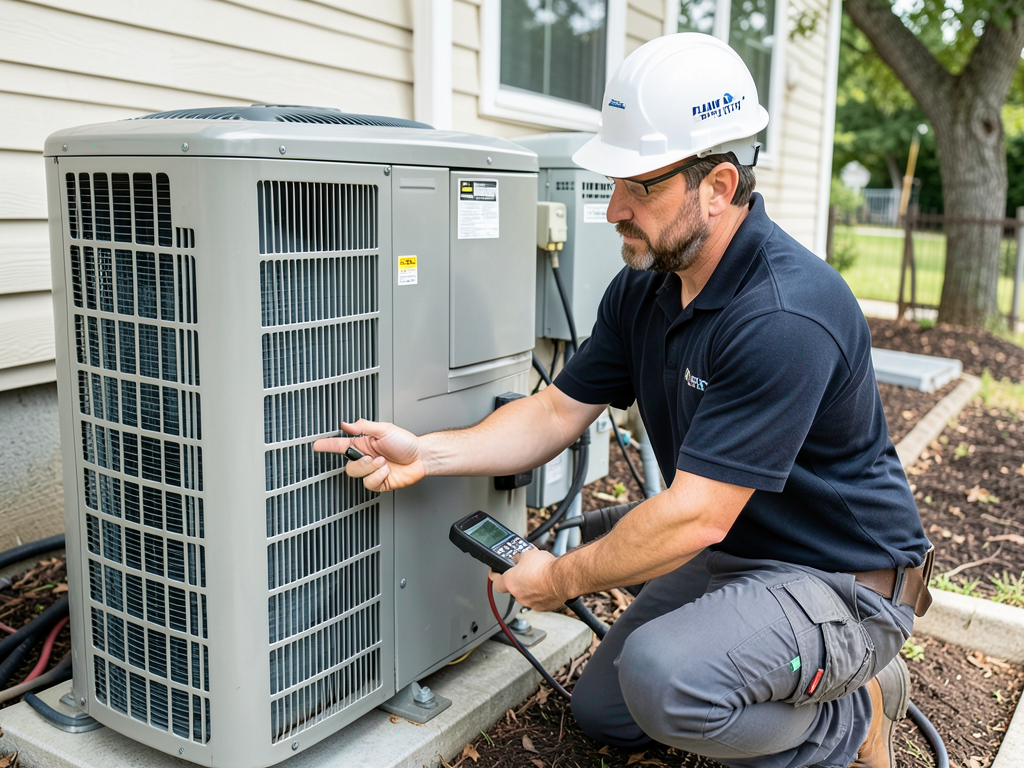
How to tell if your Plant City air conditioner is finally on its last legs
Your AC has been humming along for years but lately it just isn’t keeping up. Maybe the house feels sticky even when the thermostat reads 74 degrees. Maybe your TECO bill keeps climbing despite no change in habits. These are the early warning signs that your air conditioner is entering its final season of service. Who to Call for 24-Hour AC Service in New Tampa When the Temperature Starts Climbing.
Plant City’s humid subtropical climate puts unique stress on cooling systems. While national averages suggest a 15-year lifespan for air conditioners, Florida units typically fail between 8 and 12 years. The constant run times during our nine-month cooling season combined with high humidity loads push components to their limits faster than in milder climates.. Read more about Financing Your New HVAC System with Low Monthly Payments in Greater Northdale.
Before you call for another repair, it helps to understand what’s happening inside your system. The compressor, which acts as the heart of your AC, gradually loses efficiency. Coils develop microscopic cracks that let refrigerant escape. Electrical components degrade from Tampa Bay’s frequent lightning strikes and power surges. All these failures compound until the system can no longer keep up with demand.
Here are the five most reliable indicators that replacement makes more sense than another repair: Reliable Commercial HVAC Services for Temple Terrace Business Owners.
1. Your AC runs constantly but never quite cools the house
When your system runs non-stop yet the temperature keeps creeping up, something has fundamentally changed. This usually means your unit can no longer move enough heat from inside to outside. The problem often starts with low refrigerant levels from tiny leaks that develop over time in the copper lines.
Listen for the compressor cycling pattern. A healthy system should run for 15-20 minutes then shut off for 10-15 minutes. If yours runs for hours without cycling, that’s a red flag. The constant operation not only fails to cool but also drives up your energy costs dramatically.
Another sign is uneven cooling throughout your home. You might notice the master bedroom stays 5-7 degrees warmer than the living room even when doors are open. This happens when the system can’t maintain proper pressure across all the evaporator coils.
2. Your energy bills keep rising even though usage hasn’t changed
Track your kilowatt-hour usage on your TECO bill over the past 12 months. If you’re using the same amount of electricity but paying significantly more, your AC efficiency has dropped. Modern units achieve SEER2 ratings of 14.3 or higher, while a 10-year-old system might operate at SEER 8-10.
Here’s what that means for your wallet: a new high-efficiency unit could cut your cooling costs by 30-40 percent. In Plant City’s climate where AC runs nearly year-round, that savings adds up quickly. The math becomes compelling when you factor in the rising cost of R-410A refrigerant, which is being phased out under EPA regulations.
Watch for spikes in usage during mild weather. If your AC consumes as much power on a 75-degree day as it did last summer on 95-degree days, the system is struggling to do basic heat exchange.
3. You’re scheduling repairs more than once a year
Frequency matters more than cost when evaluating repairs. The industry uses a simple formula called the $5,000 Rule: multiply your unit’s age by the repair cost. If that number exceeds $5,000, replacement is usually the better investment.
Consider this scenario: a six-year-old unit needs a $600 capacitor replacement and a $400 refrigerant recharge. That’s $1,000 in repairs. Six times $1,000 equals $6,000, which exceeds the $5,000 threshold. Add in the likelihood of another failure within 12 months and the case for replacement strengthens.
Pay attention to what’s being repaired. Repeated fixes to the same component like the contactor or capacitor suggest electrical stress from voltage fluctuations common in Hillsborough County. These aren’t random failures but symptoms of a system under chronic strain.
4. Your home feels humid even when the AC is running
Florida’s humidity is the silent killer of AC performance. Your system doesn’t just cool air; it must also remove moisture. When humidity levels stay above 55-60 percent indoors, you’ll notice condensation on windows, musty odors, and that uncomfortable sticky feeling.
Modern variable-speed systems excel at humidity control because they run longer at lower speeds, allowing more moisture removal. A single-stage unit from 2010 might cool adequately but leave your home feeling like a swamp. This is especially problematic in Plant City’s older neighborhoods where homes often lack proper vapor barriers.
Test your indoor humidity with a simple hygrometer. If readings consistently hit 65-70 percent despite the AC running, your system has lost its ability to dehumidify. This isn’t just uncomfortable; high humidity promotes mold growth and can damage wood floors and furniture.
5. Your unit is over 10 years old and uses R-410A refrigerant
Age alone doesn’t dictate replacement, but it becomes critical when combined with refrigerant type. R-410A systems face increasing maintenance costs as the EPA phases down production. By 2025, R-410A prices could double or triple, making even simple recharges expensive.
More importantly, newer systems use A2L refrigerants that are mildly flammable but much more efficient. The transition isn’t just about compliance; it’s about accessing technology that handles Florida’s heat better. Modern units also feature two-stage or variable-speed compressors that match output to demand, reducing wear and improving comfort.
Listen for unusual noises from your outdoor unit. A failing compressor often makes a distinctive rumbling or knocking sound. If you hear this along with the age factor, you’re likely facing a major failure soon.
The Repair vs. Replace Decision Framework
Making this decision requires weighing immediate costs against long-term value. Here’s a framework that factors in Plant City’s specific conditions:
- Calculate the 5,000 Rule
Multiply your unit’s age by the repair quote. If the result exceeds $5,000, replacement is likely more economical.
- Estimate Annual Operating Costs
Compare your current electric bills with projected costs for a new high-efficiency unit. In Plant City, savings often reach $400-600 annually.
- Factor in Available Incentives
The federal Energy Efficient Home Improvement Credit offers up to $2,000 for qualifying systems. Duke Energy and TECO also provide rebates that can reduce your net cost by $500-1,000. federal Energy Efficient Home Improvement Credit.
- Consider Replacement Timing
Fall and winter are ideal for replacements in Florida. Contractors have more availability, and you avoid the emergency premium charged during summer breakdowns.
Plant City-Specific Factors That Shorten AC Lifespan
Understanding why your unit failed helps prevent repeating the same mistakes. Plant City’s unique conditions create accelerated wear patterns:
Sandy Soil Movement: The loose, sandy soil common in eastern Hillsborough County allows concrete pads to shift slightly each year. This creates stress on refrigerant lines and electrical connections. A shifted unit can develop micro-fractures in copper tubing that leak refrigerant slowly over months.
High Water Table: Parts of Plant City sit just above the aquifer. During rainy seasons, the water table rises and creates additional hydrostatic pressure on underground lines. This can force moisture into electrical compartments, causing corrosion and short circuits.
Agricultural Chemicals: The region’s farming heritage means airborne fertilizers and pesticides can settle on outdoor coils. These chemicals, when combined with humidity, create a mildly acidic film that eats away at aluminum fins. Annual coil cleaning becomes essential in these areas.
Lightning Frequency: Hillsborough County ranks among Florida’s top counties for lightning strikes. Each strike within a mile can send voltage spikes through your home’s electrical system. Surge protectors help, but repeated exposure degrades capacitors and contactors over time.
Cost-Benefit Analysis: Repair vs. Replace
Here’s how the economics typically break down for a Plant City homeowner:
| Factor | Repair Path | Replace Path |
|---|---|---|
| Initial Cost | $300-800 | $4,500-7,500 |
| Energy Savings | Minimal | 30-40% reduction |
| Expected Lifespan | 1-3 more years | 12-15 years |
| Monthly Cost | Higher electric bills | Lower bills offset payment |
| Risk of Failure | High within 12 months | Warranty coverage |
The tipping point often comes when repair costs exceed 50 percent of replacement cost. For example, if a new unit costs $5,000 and a repair quote is $2,600, you’re at the threshold where replacement becomes the smarter long-term choice.
Modern AC Technology Advantages
If you decide to replace, today’s systems offer features that address Plant City’s specific challenges:
Enhanced Humidity Control: Variable-speed compressors can remove 30 percent more moisture than single-stage units. They achieve this by running longer cycles at lower speeds, allowing more time for water vapor to condense on the coils.
Smart Diagnostics: Many new systems include onboard computers that detect performance issues before they cause failures. They can alert you to dirty filters, low refrigerant, or failing components via smartphone apps.
Improved Durability: Coastal-grade coatings on outdoor units resist the corrosive effects of salt air that drifts inland from Tampa Bay. These treatments can extend outdoor coil life by 3-5 years in Plant City’s climate.
Better Filtration: Modern systems accommodate higher-MERV filters without restricting airflow. This is crucial for Plant City residents who deal with pollen from surrounding agricultural areas and occasional wildfire smoke.
Timing Your Replacement
The best time to replace your AC isn’t when it breaks down during a July heatwave. Strategic timing offers several advantages:
Shoulder Season Benefits: October through April provides mild weather that lets you schedule replacements without emergency premiums. Contractors have more flexible scheduling and can take time to address ductwork issues properly.
Utility Rebate Windows: TECO and Duke Energy often run enhanced rebate programs during off-peak seasons. These can add $200-400 to your savings compared to summer replacement.
Planning Time: A planned replacement lets you research options, get multiple quotes, and arrange financing if needed. Emergency replacements force rushed decisions that often cost more.
Consider this: a homeowner who replaces in October might pay $5,200 installed with rebates. The same system in July could cost $5,800 due to demand pricing and rushed installation schedules.
Making the Final Call
Ultimately, the decision comes down to your specific situation. Ask yourself these questions:
- Does my current system keep the house comfortable on mild days?
- Am I spending more than $200 annually on repairs?
- Do I have the cash flow for a $150-200 monthly payment on a new system?
- Will I stay in this home for at least 5 more years?
If you answered yes to most of these, replacement likely makes financial sense. The energy savings alone often cover the monthly payment on a financed system.
Remember that a failed AC during Florida’s cooling season isn’t just inconvenient; it can make your home unsafe for children, elderly family members, or anyone with health conditions. The peace of mind from a new, reliable system has value beyond the spreadsheet calculations.
Frequently Asked Questions
How long does an AC replacement take in Plant City?
Most replacements take 6-8 hours for a straightforward swap. Complex installations involving ductwork modifications or electrical upgrades might require two days. Weather rarely delays work since the indoor portion continues running during outdoor unit changes.
Can I keep repairing my old AC indefinitely?
You can keep repairing it until replacement parts become unavailable or prohibitively expensive. However, each repair becomes a temporary fix on a system with declining overall reliability. Eventually, you’ll face a major failure that requires emergency replacement at premium pricing.
What size AC do I need for my Plant City home?
Size depends on your home’s square footage, insulation quality, window orientation, and local climate factors. Plant City’s high humidity means proper dehumidification capacity matters as much as cooling tonnage. A professional load calculation using Manual J methodology ensures you get the right size. How to Choose the Right New Air Conditioner for Your Westchase Home.
Ready to Make Your Decision?
Don’t wait for your AC to fail on the hottest day of the year. If you’re experiencing any of the warning signs we’ve discussed, now is the time to get a professional assessment. A thorough inspection can identify whether you’re facing a simple repair or a system nearing the end of its service life.
Peak HVAC Tampa has served Plant City and the surrounding areas for over 15 years. Our technicians understand the specific challenges that Florida’s climate creates for cooling systems. We’ll provide honest recommendations based on your home’s needs, not sales pressure.
Call (656) 237-5377 today to schedule your inspection. Our team will evaluate your current system, explain your options clearly, and help you make the best decision for your comfort and budget. Don’t let another summer of sticky, uncomfortable air convince you it’s too late to act.
Pick up the phone and call (656) 237-5377 before the next storm hits. Your comfort and peace of mind are worth the call. For more information, visit Duke Energy rebates.
{
“@context”: “https://schema.org”,
“@type”: “BlogPosting”,
“headline”: “How to tell if your Plant City air conditioner is finally on its last legs”,
“description”: “Learn the 5 warning signs that your Plant City AC unit is failing and when it makes sense to replace it. Get expert advice from Peak HVAC Tampa.”,
“wordCount”: 2123,
“datePublished”: “2026-03-28T12:50:00.000Z”,
“dateModified”: “2026-03-28T12:50:00.000Z”,
“inLanguage”: “en-US”,
“mainEntityOfPage”: {
“@type”: “WebPage”,
“@id”: “https://peakhvactampa.com”
},
“publisher”: {
“@type”: “LocalBusiness”,
“name”: “Peak HVAC Tampa”,
“url”: “https://peakhvactampa.com”
},
“author”: {
“@type”: “Organization”,
“name”: “Peak HVAC Tampa”,
“url”: “https://peakhvactampa.com”
},
“image”: {
“@type”: “ImageObject”,
“url”: “https://peakhvactampa.com/wp-content/uploads/2026/03/how-to-tell-if-your-plant-city-air-conditioner-is-1.png”
}
}
{
“@context”: “https://schema.org”,
“@type”: “HVACBusiness”,
“name”: “Peak HVAC Tampa”,
“url”: “https://peakhvactampa.com”,
“address”: {
“@type”: “PostalAddress”,
“addressLocality”: “Tampa”
},
“areaServed”: {
“@type”: “City”,
“name”: “Tampa”
}
}
{
“@context”: “https://schema.org”,
“@type”: “FAQPage”,
“mainEntity”: [
{
“@type”: “Question”,
“name”: “How long does an AC replacement take in Plant City?”,
“acceptedAnswer”: {
“@type”: “Answer”,
“text”: “Most replacements take 6-8 hours for a straightforward swap. Complex installations involving ductwork modifications or electrical upgrades might require two days. Weather rarely delays work since the indoor portion continues running during outdoor unit changes.”
}
},
{
“@type”: “Question”,
“name”: “Can I keep repairing my old AC indefinitely?”,
“acceptedAnswer”: {
“@type”: “Answer”,
“text”: “You can keep repairing it until replacement parts become unavailable or prohibitively expensive. However, each repair becomes a temporary fix on a system with declining overall reliability. Eventually, you’ll face a major failure that requires emergency replacement at premium pricing.”
}
},
{
“@type”: “Question”,
“name”: “What size AC do I need for my Plant City home?”,
“acceptedAnswer”: {
“@type”: “Answer”,
“text”: “Size depends on your home’s square footage, insulation quality, window orientation, and local climate factors. Plant City’s high humidity means proper dehumidification capacity matters as much as cooling tonnage. A professional load calculation using Manual J methodology ensures you get the right size. How to Choose the Right New Air Conditioner for Your Westchase Home.”
}
},
{
“@type”: “Question”,
“name”: “Ready to Make Your Decision?”,
“acceptedAnswer”: {
“@type”: “Answer”,
“text”: “Don’t wait for your AC to fail on the hottest day of the year. If you’re experiencing any of the warning signs we’ve discussed, now is the time to get a professional assessment. A thorough inspection can identify whether you’re facing a simple repair or a system nearing the end of its service life.”
}
}
]
}
{
“@context”: “https://schema.org”,
“@type”: “HowTo”,
“name”: “How to Decide Between AC Repair and Replacement”,
“step”: [
{
“@type”: “HowToStep”,
“position”: 1,
“name”: “Calculate the 5,000 Rule”,
“text”: “Multiply your unit’s age by the repair quote. If the result exceeds $5,000, replacement is likely more economical.”
},
{
“@type”: “HowToStep”,
“position”: 2,
“name”: “Estimate Annual Operating Costs”,
“text”: “Compare your current electric bills with projected costs for a new high-efficiency unit. In Plant City, savings often reach $400-600 annually.”
},
{
“@type”: “HowToStep”,
“position”: 3,
“name”: “Factor in Available Incentives”,
“text”: “The federal Energy Efficient Home Improvement Credit offers up to $2,000 for qualifying systems. Duke Energy and TECO also provide rebates that can reduce your net cost by $500-1,000. federal Energy Efficient Home Improvement Credit.”
},
{
“@type”: “HowToStep”,
“position”: 4,
“name”: “Consider Replacement Timing”,
“text”: “Fall and winter are ideal for replacements in Florida. Contractors have more availability, and you avoid the emergency premium charged during summer breakdowns.”
}
],
“image”: “https://peakhvactampa.com/wp-content/uploads/2026/03/how-to-tell-if-your-plant-city-air-conditioner-is-1.png”
}
{
“@context”: “https://schema.org”,
“@type”: “BreadcrumbList”,
“itemListElement”: [
{
“@type”: “ListItem”,
“position”: 1,
“name”: “Home”,
“item”: “https://peakhvactampa.com”
},
{
“@type”: “ListItem”,
“position”: 2,
“name”: “Blog”,
“item”: “https://peakhvactampa.com/blog”
},
{
“@type”: “ListItem”,
“position”: 3,
“name”: “How to tell if your Plant City air conditioner is finally on its last legs”
}
]
}
{
“@context”: “https://schema.org”,
“@type”: “Service”,
“serviceType”: “HVAC”,
“provider”: {
“@type”: “LocalBusiness”,
“name”: “Peak HVAC Tampa”,
“url”: “https://peakhvactampa.com”
},
“areaServed”: {
“@type”: “City”,
“name”: “Tampa”
},
“description”: “Learn the 5 warning signs that your Plant City AC unit is failing and when it makes sense to replace it. Get expert advice from Peak HVAC Tampa.”
}