
Installing Modern AC in Historic Hyde Park Homes Without Ruining the Architecture
Living in a historic Hyde Park home means enjoying architectural details like high ceilings, original hardwood floors, and intricate moldings that modern construction rarely replicates. But it also means battling Tampa’s brutal humidity without damaging those irreplaceable features. The challenge is real: how do you install modern air conditioning in a 1920s bungalow without destroying its character? Tampa’s Historic Districts.
The answer lies in understanding both the technical requirements of modern HVAC systems and the strict preservation guidelines that govern Tampa’s historic districts. You need a solution that delivers comfort without visible ductwork, noisy equipment, or structural modifications that would violate the Tampa Architectural Review Commission’s standards.
Hyde Park’s unique construction presents specific challenges. Most homes were built before central air existed, using lath and plaster walls that crumble if disturbed. The electrical systems often can’t handle modern HVAC loads. And the narrow crawl spaces and low attics typical of 1920s construction leave little room for conventional ductwork. But these challenges are solvable with the right approach and expertise.
The Challenges of Cooling Tampa’s Historic Architecture
Historic Hyde Park homes were designed for a different era. Built before air conditioning, they relied on cross-ventilation, high ceilings, and deep porches to stay comfortable. Today’s Tampa heat and humidity overwhelm these passive cooling methods, especially during our nine-month cooling season. Cooling Tower Services.
The structural integrity of these homes adds another layer of complexity. Lath and plaster walls can’t support the weight of traditional ductwork. Original wood windows and doors require careful sealing to prevent drafts without compromising their operation. And the foundation systems in many 1920s homes weren’t designed to accommodate modern mechanical equipment.
Florida’s climate makes the problem worse. Our high latent heat loads mean air conditioners must remove massive amounts of moisture from the air. Standard systems struggle in historic homes because they can’t run long enough to properly dehumidify without overcooling the space. This leads to that sticky feeling even when the temperature reads comfortable. Florida Building Code Residential.
The Tampa Architectural Review Commission (ARC) adds another dimension to the challenge. Any exterior modifications must maintain the home’s historic character. That means no visible condenser units on the front of the house, no rooftop equipment that changes the silhouette, and no ductwork that shows through original walls or ceilings.
Modern HVAC Solutions for Historic Tampa Homes
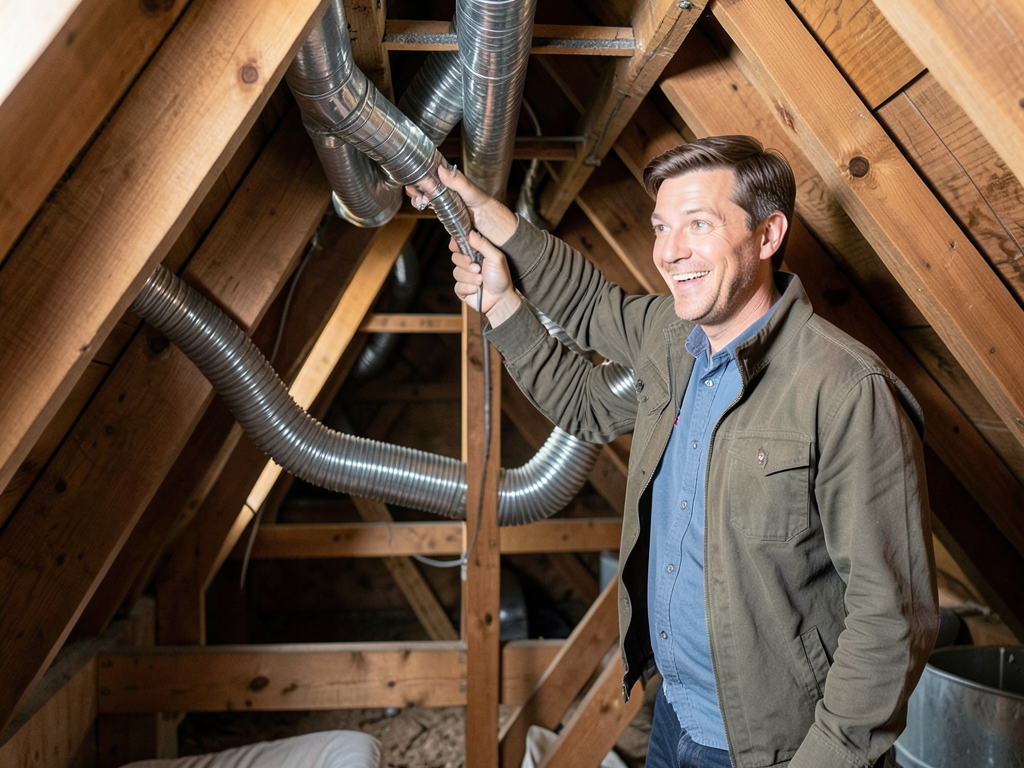
High-velocity HVAC systems represent the gold standard for historic home retrofits. These systems use small, flexible ducts about 2 inches in diameter that can snake through existing wall cavities, floor joists, and attic spaces without major demolition. The Unico System and SpacePak are two leading manufacturers that specialize in this technology.
The key advantage is the system’s ability to deliver high-velocity air through tiny outlets. These can be installed in ceilings, walls, or floors with minimal visual impact. Many outlets look like standard ceiling registers or can be painted to match existing trim. The main unit, called an air handler, can often fit in existing closets or attic spaces.
Ductless mini-split systems offer another excellent option, especially for homes where even small ductwork is impractical. These systems use individual wall-mounted or ceiling-mounted units connected to an outdoor compressor by small refrigerant lines. The indoor units can be installed in individual rooms, allowing for zoned cooling without any ductwork at all.
For the most sensitive applications, variable refrigerant flow (VRF) systems provide ultimate flexibility. These high-end systems can simultaneously heat and cool different zones, making them perfect for historic homes where different rooms have different sun exposure and cooling needs. The indoor units are extremely quiet and can be concealed in custom enclosures.
Dehumidification must be addressed separately in most cases. Standard AC units remove some moisture, but in Tampa’s climate, dedicated dehumidification is often necessary. Whole-house dehumidifiers can be integrated with your HVAC system to maintain optimal humidity levels between 45-55%, preventing mold growth and protecting antique wood and plaster. Humidity Issues Indoors.
High-Velocity vs. Ductless Mini-Splits: Which is Best for Your Property?
| Feature | High-Velocity Systems | Ductless Mini-Splits |
|---|---|---|
| Installation Impact | Minimal wall/ceiling damage | No ductwork required |
| Visual Impact | Small outlets blend with decor | Wall/ceiling units visible |
| Energy Efficiency | SEER2 ratings 15-20 | SEER2 ratings 20-25 |
| Humidity Control | Excellent with proper sizing | Good, but may need supplemental dehumidifier |
| Cost Range | $12,000-$25,000 | $8,000-$18,000 |
| Best For | Whole-house cooling | Room-by-room control |
High-velocity systems excel when you need whole-house cooling with minimal visual impact. The small ducts can be routed through existing cavities, and the outlets can be placed strategically to maintain your home’s aesthetic. However, they require more invasive installation than ductless systems.
Ductless mini-splits shine when you want maximum flexibility and the lowest installation impact. Each indoor unit operates independently, allowing you to cool only occupied rooms. The main drawback is the visibility of the indoor units, though modern designs are becoming increasingly discreet.
Consider your specific situation. If you have a two-story home with many rooms, high-velocity might be more cost-effective. If you have a smaller home or want zoned control, ductless could be the better choice. Both systems can be integrated with smart thermostats for modern convenience.
Preserving Architectural Integrity: Non-Invasive Installation Techniques
The key to successful historic home HVAC installation is treating every surface as irreplaceable. That means using diagnostic tools like thermal imaging cameras to map existing wall cavities before cutting any holes. It means testing electrical circuits to ensure they can handle new loads without upgrades that would damage original wiring.
Installation crews must be trained in historic preservation techniques. This includes using specialized tools that minimize vibration, working slowly to avoid damaging fragile plaster, and having the skills to repair any accidental damage using period-appropriate materials and techniques.
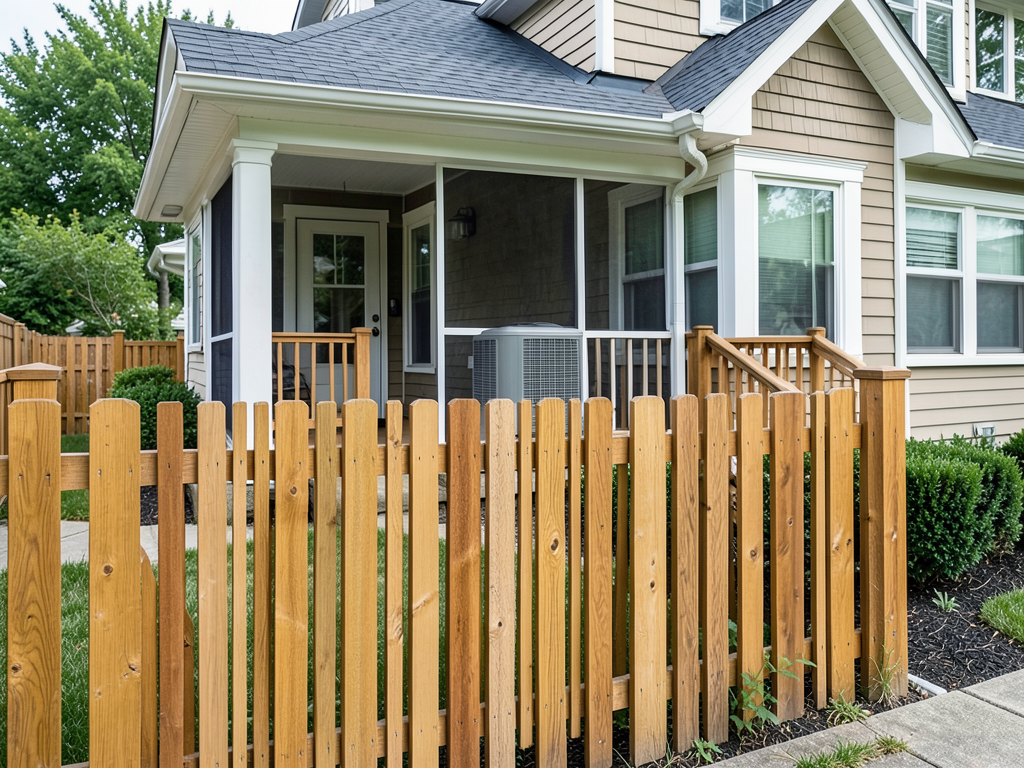
Exterior equipment placement requires careful planning. The best locations are often side yards or rear yards where condensers can be screened by landscaping or fencing. Some installations use custom enclosures that match the home’s architecture, making the equipment virtually invisible from the street.
Interior equipment placement is equally critical. Air handlers can often be installed in existing closets, under stairs, or in attic spaces. The goal is to keep mechanical equipment out of living spaces while maintaining easy access for maintenance. Custom cabinetry can sometimes conceal equipment while maintaining the room’s historic character.
Noise control is another preservation consideration. Modern systems are much quieter than older units, but proper vibration isolation and strategic placement are still essential. This is especially important in bedrooms and home offices where noise would be most disruptive.
Navigating Tampa’s Historic Preservation Codes and Permitting
Before any work begins, you must understand Tampa’s preservation requirements. The Tampa Architectural Review Commission (ARC) oversees changes to properties in historic districts. Their guidelines require that any new mechanical equipment maintain the property’s historic character and not be visible from public streets.
The permitting process typically takes 30-45 days for historic properties. You’ll need detailed drawings showing equipment locations, electrical plans, and how the installation preserves architectural features. Some projects may require approval from both the ARC and the Hillsborough County Building Department.
Florida Building Code Section 403.7 specifically addresses historic preservation, requiring that modifications maintain the building’s character-defining features. This means any new penetrations through walls or roofs must be carefully planned to avoid damaging structural elements or historic materials.
Energy efficiency requirements under Florida Building Code 5th Edition (2020) must also be met. This includes minimum SEER2 ratings of 14 for cooling equipment and proper insulation levels. However, the code provides exceptions for historic properties where compliance would damage character-defining features.
Working with contractors who have experience in historic preservation is crucial. They understand the documentation requirements, have relationships with local preservation officials, and know how to design systems that meet both comfort needs and preservation standards.
Case Study: Modernizing Comfort in a Hyde Park Craftsman Bungalow
A 1925 Craftsman bungalow in the heart of Hyde Park presented the classic challenges: original cypress siding, no existing ductwork, and a need for modern comfort without visible equipment. The solution required a hybrid approach using high-velocity air handlers and strategically placed ductless units.
The installation team used thermal imaging to map existing wall cavities, identifying routes for the small ducts that wouldn’t require removing original plaster. They discovered that the home’s balloon-frame construction actually provided ideal pathways for the flexible ductwork.
Exterior condensers were placed in a side yard and screened with a custom cedar fence that matched the home’s siding. The fence included ventilation panels to ensure proper airflow while maintaining the visual screening required by the ARC.
Inside, the high-velocity system served the main living areas through small outlets placed in ceilings and baseboards. Ductless units were added to the bedrooms, where individual temperature control was most important. The total installation took three weeks and preserved every original architectural feature.
The homeowner reported 40% reduction in humidity levels and consistent temperatures throughout the home. The system’s quiet operation meant no disruption to the home’s peaceful atmosphere. Most importantly, from the street, no one could tell that modern air conditioning had been installed in this historic treasure.
Energy Efficiency and Long-Term Performance
Modern HVAC systems offer significantly better efficiency than units from even a decade ago. Today’s high-velocity systems achieve SEER2 ratings of 15-20, while top-tier ductless mini-splits can reach SEER2 ratings of 20-25. This translates to lower utility bills and reduced environmental impact.
The high latent heat loads in Tampa require careful system sizing. Oversized units short-cycle, meaning they turn on and off frequently without properly dehumidifying. This leaves you feeling sticky even when the temperature is correct. Proper Manual J calculations are essential for historic homes, accounting for their unique construction characteristics.
Maintenance requirements differ slightly for historic home installations. The small ducts in high-velocity systems need regular cleaning to prevent dust buildup. The flexible nature of the ductwork means it can sometimes develop minor leaks at joints, requiring periodic inspection and sealing.
Dehumidification performance is critical in our climate. Many homeowners find that dedicated whole-house dehumidifiers, running independently of the AC, provide the best comfort. These units can maintain optimal humidity levels even when cooling isn’t needed, preventing mold growth and protecting antique materials.
Smart thermostats add modern convenience while improving efficiency. These devices learn your schedule and can automatically adjust temperatures based on occupancy. Many can also monitor system performance and alert you to potential issues before they become major problems. Troubleshooting AC Issues.
Frequently Asked Questions
Will installing AC damage my historic plaster walls?
Professional installation using high-velocity or ductless systems typically causes minimal damage. The small ducts in high-velocity systems can often be routed through existing cavities without removing plaster. Ductless systems require only small refrigerant line penetrations. Experienced contractors use specialized tools and techniques to preserve original materials.
How long does installation take in a historic home?
Most installations require 2-4 weeks from start to finish. This includes design, permitting, and actual installation. Complex projects or those requiring electrical upgrades may take longer. The key is working with contractors who understand historic preservation and can coordinate with local preservation authorities.
Will my utility bills increase with new AC?
Modern high-efficiency systems typically reduce utility bills compared to older equipment or window units. SEER2 ratings of 15-25 mean significantly better efficiency than 10-12 SEER units common in the 1990s. Proper sizing and humidity control also contribute to lower operating costs.. Read more about High-Efficiency HVAC Solutions for Waterfront Homes on Davis Islands.
Can I keep my original windows with new AC?
Yes, modern HVAC systems work perfectly with original windows. In fact, proper humidity control often makes original wood windows more comfortable than replacement windows in our climate. The key is ensuring your AC system can handle Tampa’s humidity without overcooling.
What about permits and historic district rules?
Properties in Tampa’s historic districts require approval from the Architectural Review Commission. This process typically adds 30-45 days to your project timeline. Experienced contractors handle the permitting process and ensure all work meets both building codes and preservation guidelines.
Ready to Cool Your Historic Home Without Losing Its Character?
Installing modern air conditioning in your historic Hyde Park home doesn’t mean sacrificing its architectural integrity. With the right system and experienced professionals, you can enjoy year-round comfort while preserving the details that make your home special.
The key is choosing a contractor who understands both HVAC technology and historic preservation. They should be familiar with Tampa’s preservation codes, experienced with high-velocity and ductless systems, and committed to protecting your home’s original features.
Don’t let another Tampa summer make your historic home uncomfortable. Modern solutions exist that can cool your space without visible equipment or structural damage. The investment in proper installation pays off in comfort, efficiency, and preserved property value.
Call (656) 237-5377 today to schedule your historic home HVAC consultation. Our team specializes in cooling Tampa’s historic homes while maintaining their architectural integrity. We’ll assess your specific needs, explain your options, and provide a detailed plan that works for your home and budget.
Pick up the phone and call (656) 237-5377 before the next heatwave hits. Your historic home deserves modern comfort without modern compromises. Let’s keep Tampa’s architectural heritage alive while making it livable for today’s standards.
Don’t wait until your current cooling methods fail. Contact us now to learn how we can transform your historic home’s comfort while preserving its irreplaceable character. Your home’s future comfort starts with a single phone call to (656) 237-5377.
{
“@context”: “https://schema.org”,
“@type”: “BlogPosting”,
“headline”: “Installing Modern AC in Historic Hyde Park Homes Without Ruining the Architecture”,
“description”: “Discover how to cool your historic Hyde Park home with modern AC systems while preserving its 1920s charm. Learn about high-velocity HVAC, Tampa preservation codes, and expert installation techniques.”,
“wordCount”: 2226,
“datePublished”: “2026-02-18T15:51:00.000Z”,
“dateModified”: “2026-02-18T15:51:00.000Z”,
“inLanguage”: “en-US”,
“mainEntityOfPage”: {
“@type”: “WebPage”,
“@id”: “https://peakhvactampa.com”
},
“publisher”: {
“@type”: “LocalBusiness”,
“name”: “Peak HVAC Tampa”,
“url”: “https://peakhvactampa.com”
},
“author”: {
“@type”: “Organization”,
“name”: “Peak HVAC Tampa”,
“url”: “https://peakhvactampa.com”
},
“image”: {
“@type”: “ImageObject”,
“url”: “https://peakhvactampa.com/wp-content/uploads/2026/03/installing-modern-ac-in-historic-hyde-park-homes-w-1.png”
}
}
{
“@context”: “https://schema.org”,
“@type”: “HVACBusiness”,
“name”: “Peak HVAC Tampa”,
“url”: “https://peakhvactampa.com”,
“address”: {
“@type”: “PostalAddress”,
“addressLocality”: “Tampa”
},
“areaServed”: {
“@type”: “City”,
“name”: “Tampa”
}
}
{
“@context”: “https://schema.org”,
“@type”: “FAQPage”,
“mainEntity”: [
{
“@type”: “Question”,
“name”: “Will installing AC damage my historic plaster walls?”,
“acceptedAnswer”: {
“@type”: “Answer”,
“text”: “Professional installation using high-velocity or ductless systems typically causes minimal damage. The small ducts in high-velocity systems can often be routed through existing cavities without removing plaster. Ductless systems require only small refrigerant line penetrations. Experienced contractors use specialized tools and techniques to preserve original materials.”
}
},
{
“@type”: “Question”,
“name”: “How long does installation take in a historic home?”,
“acceptedAnswer”: {
“@type”: “Answer”,
“text”: “Most installations require 2-4 weeks from start to finish. This includes design, permitting, and actual installation. Complex projects or those requiring electrical upgrades may take longer. The key is working with contractors who understand historic preservation and can coordinate with local preservation authorities.”
}
},
{
“@type”: “Question”,
“name”: “Will my utility bills increase with new AC?”,
“acceptedAnswer”: {
“@type”: “Answer”,
“text”: “Modern high-efficiency systems typically reduce utility bills compared to older equipment or window units. SEER2 ratings of 15-25 mean significantly better efficiency than 10-12 SEER units common in the 1990s. Proper sizing and humidity control also contribute to lower operating costs.”
}
},
{
“@type”: “Question”,
“name”: “Can I keep my original windows with new AC?”,
“acceptedAnswer”: {
“@type”: “Answer”,
“text”: “Yes, modern HVAC systems work perfectly with original windows. In fact, proper humidity control often makes original wood windows more comfortable than replacement windows in our climate. The key is ensuring your AC system can handle Tampa’s humidity without overcooling.”
}
},
{
“@type”: “Question”,
“name”: “What about permits and historic district rules?”,
“acceptedAnswer”: {
“@type”: “Answer”,
“text”: “Properties in Tampa’s historic districts require approval from the Architectural Review Commission. This process typically adds 30-45 days to your project timeline. Experienced contractors handle the permitting process and ensure all work meets both building codes and preservation guidelines.”
}
},
{
“@type”: “Question”,
“name”: “Ready to Cool Your Historic Home Without Losing Its Character?”,
“acceptedAnswer”: {
“@type”: “Answer”,
“text”: “Installing modern air conditioning in your historic Hyde Park home doesn’t mean sacrificing its architectural integrity. With the right system and experienced professionals, you can enjoy year-round comfort while preserving the details that make your home special.”
}
}
]
}
{
“@context”: “https://schema.org”,
“@type”: “BreadcrumbList”,
“itemListElement”: [
{
“@type”: “ListItem”,
“position”: 1,
“name”: “Home”,
“item”: “https://peakhvactampa.com”
},
{
“@type”: “ListItem”,
“position”: 2,
“name”: “Blog”,
“item”: “https://peakhvactampa.com/blog”
},
{
“@type”: “ListItem”,
“position”: 3,
“name”: “Installing Modern AC in Historic Hyde Park Homes Without Ruining the Architecture”
}
]
}
{
“@context”: “https://schema.org”,
“@type”: “Service”,
“serviceType”: “HVAC”,
“provider”: {
“@type”: “LocalBusiness”,
“name”: “Peak HVAC Tampa”,
“url”: “https://peakhvactampa.com”
},
“areaServed”: {
“@type”: “City”,
“name”: “Tampa”
},
“description”: “Discover how to cool your historic Hyde Park home with modern AC systems while preserving its 1920s charm. Learn about high-velocity HVAC, Tampa preservation codes, and expert installation techniques.”
}