
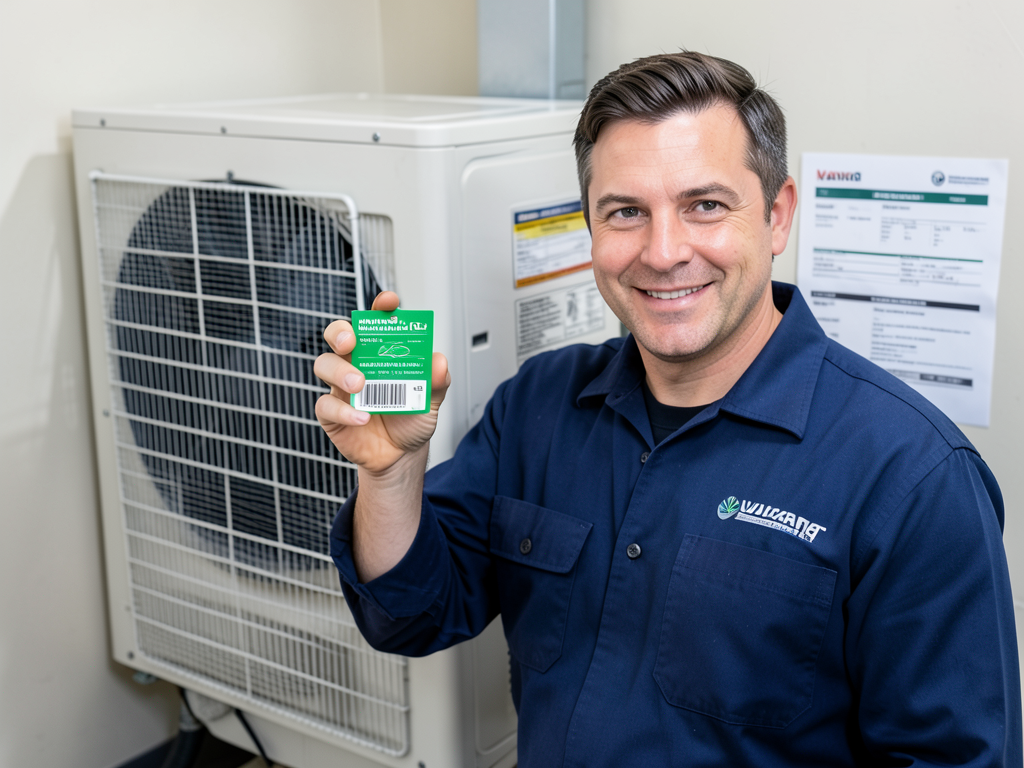
Navigating Tampa Building Permits for Your New Air Conditioning Installation
Installing a new air conditioner in Tampa requires more than just picking a unit and scheduling installation. Florida’s strict building codes and permit requirements exist to protect homeowners from unsafe installations and ensure energy efficiency in our hot humid climate. Without the proper permit you risk fines failed inspections and insurance headaches down the road. Florida Building Code 8th Edition.
The process starts with understanding whether your specific project needs a permit. In Tampa you need a permit for any new air conditioning installation or replacement that changes the size type or location of your system. Simple repairs like replacing a capacitor or fan motor typically do not require permits but anything involving refrigerant lines ductwork or electrical connections does.
Once you determine you need a permit the next step involves gathering required documentation. This includes a completed permit application Manual J load calculations showing proper sizing AHRI certification for your equipment and proof of contractor licensing through the Florida Department of Business and Professional Regulation.
The permitting process itself takes three to seven business days for standard residential installations. You submit your application pay the permit fee and schedule inspections. After installation a final mechanical inspection ensures everything meets code before you can legally operate your new system.
Understanding these requirements upfront saves you time money and stress. This guide walks you through exactly what permits you need how to get them and what to expect at each step of the process in Tampa’s unique regulatory environment.
Understanding When You Need a Permit in Tampa
Florida law requires permits for most HVAC work but the specific requirements vary based on what you are doing. Here is what triggers the need for a permit in Tampa.
Full system replacements require permits when you change the size type or efficiency rating of your air conditioner. This includes switching from a standard efficiency unit to a high SEER2 model or changing from a split system to a package unit.
Relocating your outdoor condenser also requires permitting. Moving the unit even just a few feet to a different side of your house triggers new electrical and mechanical code requirements.
Ductwork modifications need permits when you are changing the layout adding new vents or replacing more than twenty five percent of the existing duct system. This ensures proper airflow and energy efficiency.
Emergency replacements have special provisions. If your system fails during extreme heat you can replace it immediately but you must apply for the permit within twenty four hours and complete the installation within the standard timeline.
The city offers expedited permits for like-for-like replacements where you are installing the exact same size and type of unit in the same location. These walk-through permits can be issued same day but still require proper documentation. City of Tampa Construction Services.
City of Tampa vs. Hillsborough County Permit Requirements
Your permit requirements depend on whether you live within Tampa city limits or in unincorporated Hillsborough County. The jurisdictions have different fees processes and inspectors.
| Jurisdiction | Permit Office | Typical Fees | Processing Time |
|---|---|---|---|
| City of Tampa | Construction Services Center 1400 N Boulevard | $185-$350 | 3-7 business days |
| Hillsborough County | Development Services 2401 W Main Street | $165-$320 | 5-10 business days |
| Temple Terrace | City Hall Building Department | $175-$290 | 4-8 business days |
The key difference involves inspector availability. City of Tampa inspectors typically work Monday through Friday while county inspectors may have more flexible schedules for commercial properties. Reliable Commercial HVAC Services for Temple Terrace Business Owners.
Unincorporated areas also have different setback requirements. County properties often need more distance between outdoor units and property lines especially in residential neighborhoods.
Mandatory Documentation for Your HVAC Permit
Missing documentation causes the most permit delays. Here is exactly what you need for a smooth application process.
Manual J load calculations prove your new system is properly sized for your home. These calculations consider square footage insulation window types and local climate data. Tampa requires Manual J calculations for all new installations regardless of size.
AHRI certificates verify your equipment meets efficiency standards. The Air-Conditioning Heating and Refrigeration Institute provides these certificates showing your unit’s SEER2 rating and compatibility with matched components.
Manual S calculations ensure your equipment matches your home’s cooling load. This prevents oversizing which wastes energy and causes humidity problems common in Tampa’s climate.
Manual D calculations become required when you modify ductwork. These show proper duct sizing and layout to maintain efficient airflow throughout your home.
Energy calculations using Florida Building Code Form 405 demonstrate your system meets current efficiency standards. This form is mandatory for all new installations in Hillsborough County.
The Step-by-Step Permitting Process
Following these steps ensures your installation stays on schedule and passes inspection.
- Gather Documentation
Collect all required forms calculations and equipment documentation before applying.
- Submit Application
File your application online through Accela Citizen Access or in person at the appropriate office.
- Pay Permit Fees
Permit fees range from $165 to $350 depending on jurisdiction and project scope.
- Schedule Rough-in Inspection
Before closing walls or covering equipment schedule the rough-in inspection.
- Complete Installation
Install your new system following all code requirements and manufacturer specifications.
- Schedule Final Inspection
Call for final inspection once installation is complete but before operating the system.
- Receive Approval
Pass final inspection and receive your approval tag before regular use.
Each inspection step is critical. Failing an inspection means correcting issues and rescheduling which can delay your project by days or weeks. Troubleshooting AC Issues.
Understanding Permit Fees and Timelines
Permit costs vary based on system size and jurisdiction but here are typical ranges for 2026.
| System Size | City of Tampa | Hillsborough County | Temple Terrace |
|---|---|---|---|
| 1.5-3 tons | $185-$225 | $165-$195 | $175-$215 |
| 3.5-5 tons | $225-$285 | $195-$255 | $215-$275 |
| 5+ tons | $285-$350 | $255-$320 | $275-$340 |
Expedited permits cost an additional $50 to $75 but can be issued same day for like-for-like replacements.
Processing times depend on workload and season. Expect longer waits during summer months when AC failures peak across Tampa Bay.
Rush fees are available for emergency situations but still require proper documentation. The $100 rush fee does not guarantee same-day service during peak periods. Who to Call for 24-Hour AC Service in New Tampa When the Temperature Starts Climbing.
Risks of Unpermitted HVAC Work
Skipping permits might seem like a shortcut but it creates serious problems that cost more than the permit itself.
Insurance companies routinely deny claims for unpermitted work. If your unpermitted AC causes a fire or water damage your claim could be rejected leaving you responsible for thousands in repairs.
Code enforcement fines start at $250 per day for unpermitted work. These fines continue accumulating until you obtain permits and pass inspections.
Home sales often fall through when unpermitted work is discovered during inspections. Buyers and their lenders require proof of permits for major system replacements.
Safety risks increase without proper inspections. Unpermitted installations may have electrical issues improper refrigerant charging or inadequate drainage that creates hazards.
Resale value drops when unpermitted work is documented. Future buyers see unpermitted modifications as red flags requiring expensive remediation.
Special Considerations for Tampa’s Climate
Tampa’s unique climate creates specific permit requirements that other regions do not face.
High humidity requires proper condensate drainage design. Florida Building Code Section 307.2.3 mandates specific trap configurations and drain line sizing to prevent mold growth and water damage.
Coastal salt air requires corrosion-resistant materials. Permits in coastal zones may require stainless steel components or special coatings on outdoor units.
Hurricane resistance becomes critical in wind-borne debris zones. Permits in these areas require specific mounting hardware and tie-down straps rated for 175+ mph winds.
Energy efficiency standards are stricter in Florida than most states. The 8th Edition Florida Building Code requires minimum SEER2 ratings that exceed national standards.
Flood zone considerations affect outdoor unit placement. Properties in flood zones A and V require elevated mounting or special drainage provisions approved during permitting.
Commercial vs. Residential Permitting Differences
Commercial HVAC installations follow different rules than residential projects.
| Aspect | Residential | Commercial |
|---|---|---|
| Permit Fees | $165-$350 | $500-$2500 |
| Processing Time | 3-7 days | 7-14 days |
| Inspections | 2-3 inspections | 4-6 inspections |
| Documentation | Manual J/S/D | Full mechanical plans |
Commercial projects require engineered drawings signed by a Florida professional engineer. These drawings must show structural support for rooftop units and compliance with all applicable codes.
Business interruption insurance often requires permits for all mechanical work. Your insurer may deny coverage if you operate unpermitted commercial HVAC equipment.
Frequently Asked Questions
Do I need a permit to replace my air conditioner in Tampa?
Yes you need a permit for any air conditioner replacement in Tampa. Florida Building Code requires permits for all new HVAC installations including replacements that change the size type or efficiency rating of your system.
How long does it take to get an HVAC permit in Tampa?
Standard permits take three to seven business days in Tampa. Expedited permits for like-for-like replacements can be issued same day for an additional fee. Commercial permits typically take seven to fourteen days.
What happens if I install an AC without a permit?
Installing without a permit can result in fines up to $250 per day code enforcement actions and insurance claim denials. You may also face difficulties selling your home and potential safety hazards from uninspected work.
Can I get a permit as a homeowner or do I need a contractor?
Homeowners can obtain permits for work on their primary residence but must meet all code requirements and pass inspections. Most homeowners hire licensed contractors who handle permitting as part of their services. Why Most Carrollwood Homeowners Choose Local HVAC Experts Over Big Box Brands.
Getting Professional Help with Your Permit
Navigating Tampa’s permit requirements can feel overwhelming especially when your AC fails during summer heat. Licensed HVAC contractors handle permitting daily and understand exactly what documentation each jurisdiction requires.
Professional contractors know which forms to submit which calculations to include and how to expedite the process when time matters. They also understand local inspector preferences and common reasons for failed inspections.
When choosing a contractor verify their Florida Mechanical Contractor License through the DBPR website. Ask if permit fees are included in their quotes and whether they handle the entire permitting process from application to final inspection.
Remember that the cheapest quote often excludes permit costs or uses unlicensed subcontractors. The few hundred dollars saved upfront can cost thousands in fines delays and insurance issues later.
Final Steps Before Installation
Once you have your permit the countdown begins. Most permits expire if work does not start within six months so schedule your installation promptly.
Before work begins verify your contractor has obtained the physical permit. The permit must be posted at your property before any work begins.
Schedule your rough-in inspection as soon as the new equipment is in place but before final connections are made. This inspection catches issues early when they are easier to fix.
After installation but before operating your new system schedule the final inspection. The inspector will verify proper installation electrical connections and overall compliance with code requirements.
Only after receiving your final approval tag should you operate your new air conditioning system. This protects your warranty ensures safety and keeps you in compliance with local regulations.
Call (656) 237-5377 for Expert Permit Assistance
Don’t let permit confusion delay your new air conditioning installation. Our licensed HVAC professionals handle every aspect of the permitting process from initial application to final inspection approval.
We understand Tampa’s unique building code requirements and can expedite your permit application to get your new system installed quickly and correctly. Our team handles all documentation calculations and inspections so you don’t have to worry about compliance issues.
Whether you need emergency replacement or planned installation we make the permitting process simple and stress-free. Call (656) 237-5377 today to schedule your consultation and permit assistance.
Pick up the phone and call (656) 237-5377 before the next heat wave hits. Our experts will ensure your new air conditioning system is installed properly permitted and ready to keep your home comfortable all summer long.
{
“@context”: “https://schema.org”,
“@type”: “BlogPosting”,
“headline”: “Navigating Tampa Building Permits for Your New Air Conditioning Installation”,
“description”: “Confused about Tampa HVAC permit requirements? Learn when you need one, how to apply, and avoid costly fines with this 2026 guide to Florida Building Code compliance.”,
“wordCount”: 2007,
“datePublished”: “2026-03-17T09:19:00.000Z”,
“dateModified”: “2026-03-17T09:19:00.000Z”,
“inLanguage”: “en-US”,
“mainEntityOfPage”: {
“@type”: “WebPage”,
“@id”: “https://peakhvactampa.com”
},
“publisher”: {
“@type”: “LocalBusiness”,
“name”: “Peak HVAC Tampa”,
“url”: “https://peakhvactampa.com”
},
“author”: {
“@type”: “Organization”,
“name”: “Peak HVAC Tampa”,
“url”: “https://peakhvactampa.com”
},
“image”: {
“@type”: “ImageObject”,
“url”: “https://peakhvactampa.com/wp-content/uploads/2026/03/navigating-tampa-building-permits-for-your-new-air-1.png”
}
}
{
“@context”: “https://schema.org”,
“@type”: “HVACBusiness”,
“name”: “Peak HVAC Tampa”,
“url”: “https://peakhvactampa.com”,
“address”: {
“@type”: “PostalAddress”,
“addressLocality”: “Tampa”
},
“areaServed”: {
“@type”: “City”,
“name”: “Tampa”
}
}
{
“@context”: “https://schema.org”,
“@type”: “FAQPage”,
“mainEntity”: [
{
“@type”: “Question”,
“name”: “Do I need a permit to replace my air conditioner in Tampa?”,
“acceptedAnswer”: {
“@type”: “Answer”,
“text”: “Yes you need a permit for any air conditioner replacement in Tampa. Florida Building Code requires permits for all new HVAC installations including replacements that change the size type or efficiency rating of your system.”
}
},
{
“@type”: “Question”,
“name”: “How long does it take to get an HVAC permit in Tampa?”,
“acceptedAnswer”: {
“@type”: “Answer”,
“text”: “Standard permits take three to seven business days in Tampa. Expedited permits for like-for-like replacements can be issued same day for an additional fee. Commercial permits typically take seven to fourteen days.”
}
},
{
“@type”: “Question”,
“name”: “What happens if I install an AC without a permit?”,
“acceptedAnswer”: {
“@type”: “Answer”,
“text”: “Installing without a permit can result in fines up to $250 per day code enforcement actions and insurance claim denials. You may also face difficulties selling your home and potential safety hazards from uninspected work.”
}
},
{
“@type”: “Question”,
“name”: “Can I get a permit as a homeowner or do I need a contractor?”,
“acceptedAnswer”: {
“@type”: “Answer”,
“text”: “Homeowners can obtain permits for work on their primary residence but must meet all code requirements and pass inspections. Most homeowners hire licensed contractors who handle permitting as part of their services. Why Most Carrollwood Homeowners Choose Local HVAC Experts Over Big Box Brands.”
}
}
]
}
{
“@context”: “https://schema.org”,
“@type”: “HowTo”,
“name”: “How to Obtain an HVAC Permit in Tampa”,
“step”: [
{
“@type”: “HowToStep”,
“position”: 1,
“name”: “Gather Documentation”,
“text”: “Collect all required forms calculations and equipment documentation before applying.”
},
{
“@type”: “HowToStep”,
“position”: 2,
“name”: “Submit Application”,
“text”: “File your application online through Accela Citizen Access or in person at the appropriate office.”
},
{
“@type”: “HowToStep”,
“position”: 3,
“name”: “Pay Permit Fees”,
“text”: “Permit fees range from $165 to $350 depending on jurisdiction and project scope.”
},
{
“@type”: “HowToStep”,
“position”: 4,
“name”: “Schedule Rough-in Inspection”,
“text”: “Before closing walls or covering equipment schedule the rough-in inspection.”
},
{
“@type”: “HowToStep”,
“position”: 5,
“name”: “Complete Installation”,
“text”: “Install your new system following all code requirements and manufacturer specifications.”
},
{
“@type”: “HowToStep”,
“position”: 6,
“name”: “Schedule Final Inspection”,
“text”: “Call for final inspection once installation is complete but before operating the system.”
},
{
“@type”: “HowToStep”,
“position”: 7,
“name”: “Receive Approval”,
“text”: “Pass final inspection and receive your approval tag before regular use.”
}
],
“image”: “https://peakhvactampa.com/wp-content/uploads/2026/03/navigating-tampa-building-permits-for-your-new-air-1.png”
}
{
“@context”: “https://schema.org”,
“@type”: “BreadcrumbList”,
“itemListElement”: [
{
“@type”: “ListItem”,
“position”: 1,
“name”: “Home”,
“item”: “https://peakhvactampa.com”
},
{
“@type”: “ListItem”,
“position”: 2,
“name”: “Blog”,
“item”: “https://peakhvactampa.com/blog”
},
{
“@type”: “ListItem”,
“position”: 3,
“name”: “Navigating Tampa Building Permits for Your New Air Conditioning Installation”
}
]
}
{
“@context”: “https://schema.org”,
“@type”: “Service”,
“serviceType”: “HVAC”,
“provider”: {
“@type”: “LocalBusiness”,
“name”: “Peak HVAC Tampa”,
“url”: “https://peakhvactampa.com”
},
“areaServed”: {
“@type”: “City”,
“name”: “Tampa”
},
“description”: “Confused about Tampa HVAC permit requirements? Learn when you need one, how to apply, and avoid costly fines with this 2026 guide to Florida Building Code compliance.”
}