
Preventing Algae Growth in Your Palma Ceia AC Drain Line During the Rainy Season
Your AC drain line is working overtime during Tampa’s rainy season and algae growth is the silent saboteur causing most drain line failures. When humidity levels stay above 85% for weeks and afternoon thunderstorms dump inches of rain, your air conditioner’s condensate drain line becomes the perfect breeding ground for algae slime that can shut down your entire cooling system.
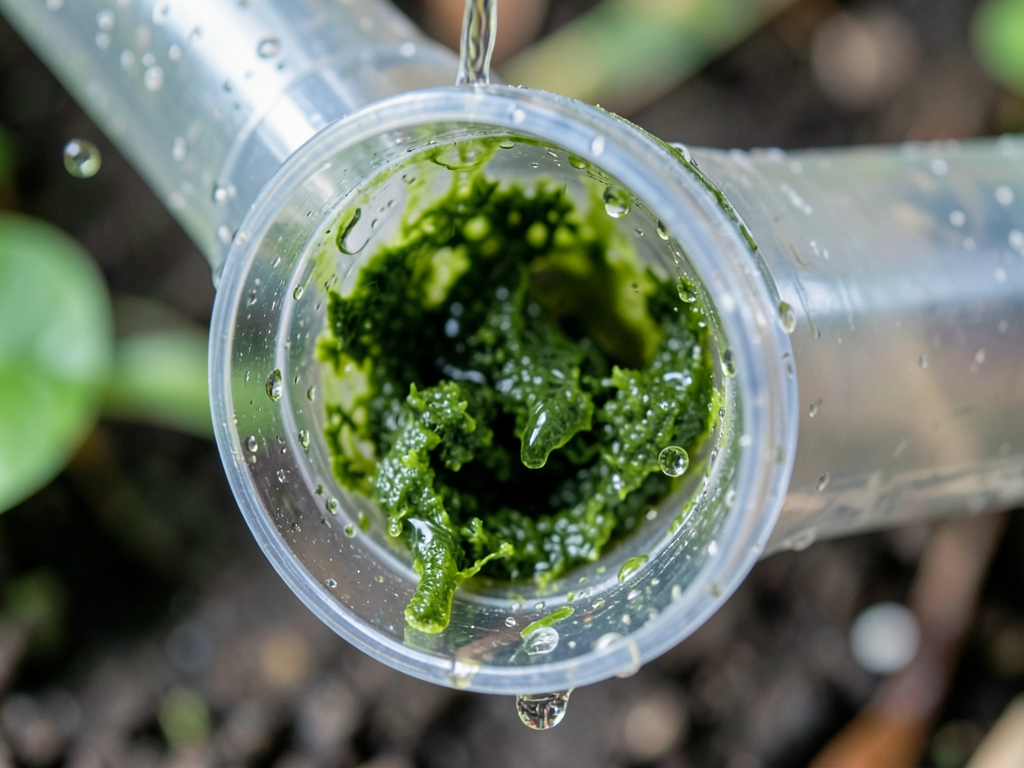
The problem starts when warm, moist air passes over your evaporator coil. This process creates condensation that drips into the drain pan and flows through the PVC pipe to the outside. In Palma Ceia’s climate, where summer temperatures regularly hit the 90s with near-constant humidity, that moisture stays in the pipe long enough for algae to multiply rapidly. Within days, a clear pipe can become a green, slimy mess that traps debris and causes water to back up into your home.
Water damage from a clogged AC drain line costs Tampa homeowners thousands in repairs each year. The secondary drain pan overflow can ruin ceilings, walls, and flooring before you even notice a problem. Understanding how to prevent algae growth is essential for protecting your home during our longest and wettest season. EPA mold and moisture control guidelines.
How Tampa’s Climate Creates the Perfect Storm for Drain Line Algae
Palma Ceia sits in a unique microclimate where the combination of factors creates ideal conditions for algae growth in AC drain lines. The area’s proximity to Tampa Bay means salt-laden air mixes with humidity, creating a slightly alkaline environment that algae thrive in. When afternoon thunderstorms roll through, they bring not just rain but also organic debris that gets pulled into your AC system through the outdoor unit.
The constant temperature swings between hot days and cooler nights cause condensation to form and re-form repeatedly in your drain line. This cycling creates the perfect environment for algae spores to attach to the pipe walls and multiply. Unlike drier climates where drain lines might stay relatively clean, Tampa’s year-round AC usage means your system never gets a chance to dry out completely.
According to the Florida Building Code, all residential AC systems must have a secondary drain pan with a water level detection device that shuts off the system when the primary drain line clogs. This safety feature prevents catastrophic flooding but also means your AC will shut down unexpectedly when algae growth becomes severe enough to trigger the float switch. Florida Building Code Section 1101.2.
Warning Signs Your Drain Line Has an Algae Problem
Recognizing the early warning signs of algae growth can save you from emergency service calls and water damage repairs. The first indicator is often a musty odor coming from your vents when the AC runs. This smell comes from algae and mold growing in the drain line and drain pan. As the problem worsens, you might notice water pooling around your indoor air handler unit or hear gurgling sounds from the drain line when the system cycles on. Who to Call for 24-Hour AC Service in New Tampa When the Temperature Starts Climbing.
Most homeowners first discover the issue when their AC suddenly shuts off and won’t restart. This happens when the float switch in the secondary drain pan detects water backup from a clogged primary line. The system won’t turn back on until the clog is cleared, which means no cooling during the hottest part of the day when you need it most. Why Most Carrollwood Homeowners Choose Local HVAC Experts Over Big Box Brands.
Visual inspection can reveal algae problems before they cause system failure. If you can access the drain line exit point outside your home, look for green or brown slime around the opening. You might also notice water trickling slowly instead of flowing freely, which indicates partial blockage from algae buildup.
DIY Methods to Clear and Prevent Algae Growth
Regular maintenance can prevent most algae-related drain line problems. The most effective DIY method is the vinegar flush, which uses the acidic properties of white vinegar to kill algae and dissolve minor buildup. Pour one cup of white vinegar into the drain line access point every 30 days during the rainy season. The vinegar should sit in the line for at least 30 minutes before running the system again.
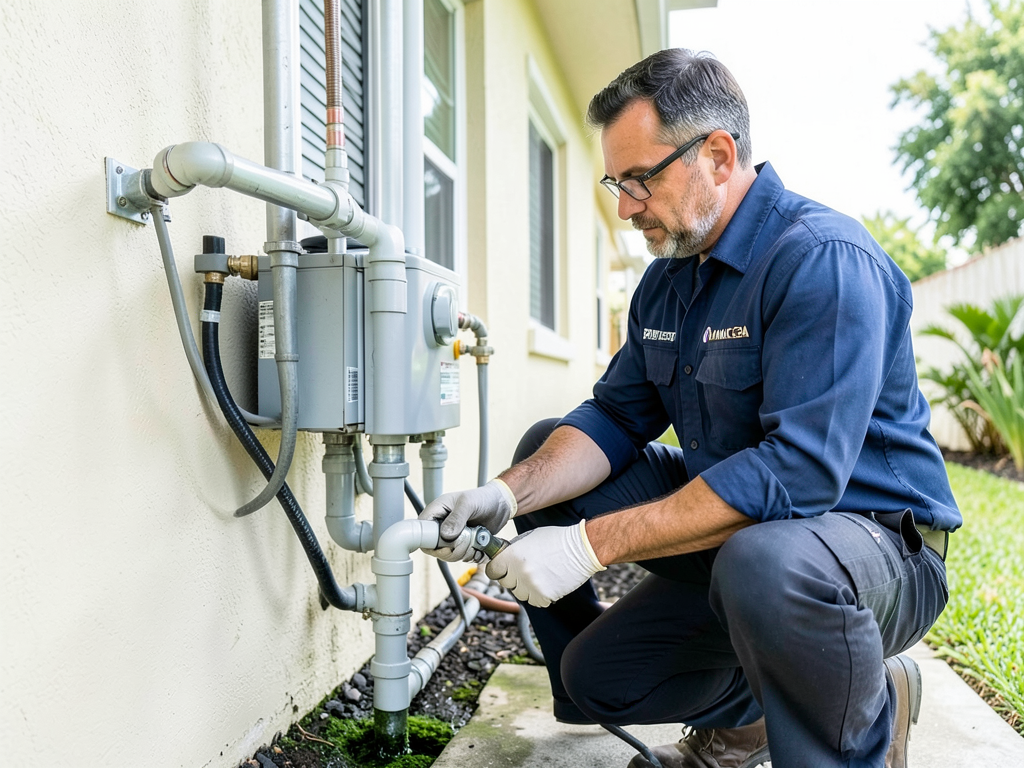
Another effective prevention method is installing a wet/dry vacuum on the drain line exit. This creates suction that pulls out algae, debris, and standing water that would otherwise stagnate in the pipe. Perform this cleaning monthly during peak season by attaching the vacuum to the outdoor drain line opening and running it for 2-3 minutes.
Commercial-grade drain pan tablets provide ongoing protection by slowly releasing algae-killing chemicals into the condensate water. These tablets last 3-4 months and are specifically formulated for the high humidity conditions found in Florida. Place one tablet in the primary drain pan according to the manufacturer’s instructions. Reliable Commercial HVAC Services for Temple Terrace Business Owners.
Professional Solutions for Stubborn Algae Problems
When DIY methods aren’t enough, professional cleaning services use specialized equipment to restore your drain line to like-new condition. Technicians use high-pressure nitrogen flushing to blast away stubborn algae buildup without damaging the PVC pipe. This method is particularly effective for lines that have years of accumulated slime and debris.
UV light systems installed near the evaporator coil kill algae spores before they enter the drain line. These systems use ultraviolet light to sterilize the condensate water, preventing biological growth throughout the entire drainage system. While more expensive upfront, UV systems eliminate the need for ongoing chemical treatments and provide continuous protection.
Upgrading to larger diameter drain lines can also help prevent clogs. Standard 3/4-inch PVC pipe is adequate for most homes, but switching to 1-inch pipe provides more capacity to handle the heavy condensate loads during our rainy season. The increased diameter makes it harder for algae to create complete blockages.
Comparing Prevention Methods: Which Works Best for Your Home
| Method | Cost | Effectiveness | Maintenance Frequency | Best For |
|---|---|---|---|---|
| Vinegar Flush | $2-5 per treatment | Moderate | Monthly | Preventative maintenance |
| Wet/Dry Vacuum | $15-30 per cleaning | High | Monthly | Active clogs and prevention |
| Drain Pan Tablets | $8-15 each | Moderate | Every 3-4 months | |
| UV Light System | $200-400 installed | Very High | Annual bulb replacement | Severe recurring problems |
| Professional Flushing | $75-150 per service | High | As needed | Existing severe clogs |
Building Code Requirements for AC Drain Lines in Palma Ceia
The Florida Building Code Section 1101.2 requires all residential air conditioning systems to have proper condensate drainage that prevents water damage to the structure. This includes a primary drain line that must be at least 3/4-inch diameter PVC pipe and slope downward at a minimum of 1/8 inch per foot toward the discharge point.. Read more about How Florida Lizards and Ants Can Actually Short Out Your Lutz AC Unit.
Secondary drain pans are mandatory under FBC 1101.2.2 when the air handler is located in areas where condensate overflow would cause damage. The secondary pan must have a separate drain line that discharges to a conspicuous point and include a water level detection device that shuts off the equipment when the primary drain line clogs.
Local Hillsborough County amendments require that all drain line terminations be at least 6 inches above grade and discharge at least 12 inches away from the foundation to prevent erosion and water intrusion. These requirements help prevent the very problems that algae growth can cause when drain lines become completely blocked.
Seasonal Maintenance Schedule for Tampa Homeowners
Creating a seasonal maintenance schedule helps prevent algae growth before it becomes a problem. Start your rainy season preparation in late May by inspecting all drain lines and cleaning them with vinegar. Check that all drain line connections are secure and that the outdoor termination point is clear of debris and vegetation.
During the peak rainy season from June through September, perform monthly maintenance including vinegar flushes, wet/dry vacuum cleaning, and visual inspections. This is when algae grows fastest due to the combination of heat and moisture. Pay special attention to any changes in AC performance, such as longer cooling cycles or reduced airflow.
As we transition into fall, continue monthly maintenance through October when afternoon thunderstorms can still occur. By November, you can reduce maintenance to every other month, but don’t stop completely. Tampa’s mild winters still produce enough humidity to support algae growth in drain lines.
When to Call a Professional: Emergency Signs
Certain situations require immediate professional attention to prevent extensive damage. If you notice water leaking from your ceiling or walls near the air handler location, shut off the system immediately and call for emergency service. This indicates the secondary drain pan is overflowing, which means both the primary line and secondary drain are clogged.
Strange noises from your AC unit, such as bubbling or gurgling sounds that persist for more than a few minutes, suggest severe algae blockage that DIY methods can’t clear. These sounds indicate air is trapped in the line or water is backing up into the air handler, both of which can cause compressor damage if left untreated.
If your AC shuts off repeatedly despite your attempts to clear the drain line, the problem may be more complex than simple algae growth. Professional technicians can diagnose issues like cracked drain pans, disconnected pipes, or pump failures that require specialized tools and replacement parts. Troubleshooting AC Issues.
Long-Term Solutions for Chronic Drain Line Problems
Homeowners who experience recurring algae problems may need to consider system upgrades for long-term relief. Installing a condensate pump with a built-in safety switch provides an additional layer of protection by actively removing water from the drain pan even when the primary line is partially clogged.
Converting from traditional drain pans to sloped, antimicrobial-coated pans reduces algae attachment points and improves water flow. These pans have smooth surfaces that prevent algae from establishing colonies and include built-in drainage channels that direct water away from critical components.
For homes in particularly vulnerable locations, such as those near Palma Ceia Golf Course where humidity levels stay elevated due to nearby water features, installing a complete drain line replacement with antimicrobial PVC pipe can provide years of trouble-free operation. These specialized pipes have smooth interiors that resist algae adhesion and include UV inhibitors to prevent degradation from sun exposure.
Frequently Asked Questions
How often should I clean my AC drain line during rainy season?
Monthly cleaning is recommended during June through September when humidity and rainfall are highest. Perform vinegar flushes every 30 days and use a wet/dry vacuum monthly to remove accumulated debris and algae.
Can algae in my drain line make me sick?
While algae itself isn’t typically harmful to breathe, it creates conditions for mold growth which can cause respiratory issues. The musty odor from algae-infested drain lines often indicates mold presence, which can trigger allergies and asthma symptoms.
What’s the difference between a primary and secondary drain line?
The primary drain line carries normal condensate away from your AC unit. The secondary drain line serves as a backup and includes a float switch that shuts off the system when water backs up, preventing overflow damage. Both lines must remain clear for proper operation.
How much does professional drain line cleaning cost in Palma Ceia?
Professional cleaning typically costs $75-150 depending on the severity of the clog and your specific system configuration. Emergency service calls during peak hours may cost more, while scheduled maintenance visits often include drain line cleaning at a discounted rate.
Can I use bleach instead of vinegar to clean my drain line?
Avoid using bleach as it can damage PVC pipes and create harmful fumes when mixed with other chemicals. White vinegar is safer, equally effective at killing algae, and won’t harm your plumbing system or the environment.
Protecting Your Home from Seasonal AC Problems
Preventing algae growth in your AC drain line is about more than just avoiding inconvenient system shutdowns. It’s about protecting your Palma Ceia home from water damage that can cost thousands in repairs and create unhealthy living conditions. The combination of Tampa’s rainy season humidity and the constant operation of your air conditioning system creates conditions where algae can multiply rapidly if left unchecked.
By implementing a regular maintenance schedule and knowing when to call professionals, you can keep your AC system running efficiently throughout our longest and wettest season. Remember that prevention is always less expensive than emergency repairs, and a few minutes of monthly maintenance can save you from the stress and expense of system failures during the hottest months of the year.
Don’t wait until you’re dealing with water damage or a complete system shutdown. Take action now to protect your home and ensure your AC system is ready for whatever weather our rainy season brings. Your comfort and peace of mind are worth the small investment in proper drain line maintenance.. Read more about Dealing with Sewer Smells Coming From Your Hyde Park AC Vents.
Take Action Before the Next Storm Hits
If you’re experiencing any of the warning signs mentioned in this article or if it’s been more than 30 days since your last drain line maintenance, now is the time to act. Our team of certified HVAC technicians understands the unique challenges that Palma Ceia homeowners face during Tampa’s rainy season.
Call (656) 237-5377 today to schedule your comprehensive AC drain line inspection and cleaning. We’ll identify any existing problems, clear away algae and debris, and provide you with a customized maintenance plan to keep your system running smoothly all season long. Don’t let algae growth turn your rainy season into an AC emergency.
Pick up the phone and call (656) 237-5377 before the next afternoon thunderstorm rolls through. Our emergency service team is standing by to help Palma Ceia residents protect their homes from water damage and ensure their air conditioning systems are ready for the challenges of our unique Florida climate.
{
“@context”: “https://schema.org”,
“@type”: “BlogPosting”,
“headline”: “Preventing Algae Growth in Your Palma Ceia AC Drain Line During the Rainy Season”,
“description”: “Stop AC drain line clogs before they flood your Palma Ceia home. Learn why Tampa’s rainy season causes algae growth and how to prevent costly water damage.”,
“wordCount”: 2296,
“datePublished”: “2026-06-02T09:22:00.000Z”,
“dateModified”: “2026-06-02T09:22:00.000Z”,
“inLanguage”: “en-US”,
“mainEntityOfPage”: {
“@type”: “WebPage”,
“@id”: “https://peakhvactampa.com”
},
“publisher”: {
“@type”: “LocalBusiness”,
“name”: “Peak HVAC Tampa”,
“url”: “https://peakhvactampa.com”
},
“author”: {
“@type”: “Organization”,
“name”: “Peak HVAC Tampa”,
“url”: “https://peakhvactampa.com”
},
“image”: {
“@type”: “ImageObject”,
“url”: “https://peakhvactampa.com/wp-content/uploads/2026/03/preventing-algae-growth-in-your-palma-ceia-ac-drai-1.png”
}
}
{
“@context”: “https://schema.org”,
“@type”: “HVACBusiness”,
“name”: “Peak HVAC Tampa”,
“url”: “https://peakhvactampa.com”,
“address”: {
“@type”: “PostalAddress”,
“addressLocality”: “Tampa”
},
“areaServed”: {
“@type”: “City”,
“name”: “Tampa”
}
}
{
“@context”: “https://schema.org”,
“@type”: “FAQPage”,
“mainEntity”: [
{
“@type”: “Question”,
“name”: “How often should I clean my AC drain line during rainy season?”,
“acceptedAnswer”: {
“@type”: “Answer”,
“text”: “Monthly cleaning is recommended during June through September when humidity and rainfall are highest. Perform vinegar flushes every 30 days and use a wet/dry vacuum monthly to remove accumulated debris and algae.”
}
},
{
“@type”: “Question”,
“name”: “Can algae in my drain line make me sick?”,
“acceptedAnswer”: {
“@type”: “Answer”,
“text”: “While algae itself isn’t typically harmful to breathe, it creates conditions for mold growth which can cause respiratory issues. The musty odor from algae-infested drain lines often indicates mold presence, which can trigger allergies and asthma symptoms.”
}
},
{
“@type”: “Question”,
“name”: “What’s the difference between a primary and secondary drain line?”,
“acceptedAnswer”: {
“@type”: “Answer”,
“text”: “The primary drain line carries normal condensate away from your AC unit. The secondary drain line serves as a backup and includes a float switch that shuts off the system when water backs up, preventing overflow damage. Both lines must remain clear for proper operation.”
}
},
{
“@type”: “Question”,
“name”: “How much does professional drain line cleaning cost in Palma Ceia?”,
“acceptedAnswer”: {
“@type”: “Answer”,
“text”: “Professional cleaning typically costs $75-150 depending on the severity of the clog and your specific system configuration. Emergency service calls during peak hours may cost more, while scheduled maintenance visits often include drain line cleaning at a discounted rate.”
}
},
{
“@type”: “Question”,
“name”: “Can I use bleach instead of vinegar to clean my drain line?”,
“acceptedAnswer”: {
“@type”: “Answer”,
“text”: “Avoid using bleach as it can damage PVC pipes and create harmful fumes when mixed with other chemicals. White vinegar is safer, equally effective at killing algae, and won’t harm your plumbing system or the environment.”
}
}
]
}
{
“@context”: “https://schema.org”,
“@type”: “BreadcrumbList”,
“itemListElement”: [
{
“@type”: “ListItem”,
“position”: 1,
“name”: “Home”,
“item”: “https://peakhvactampa.com”
},
{
“@type”: “ListItem”,
“position”: 2,
“name”: “Blog”,
“item”: “https://peakhvactampa.com/blog”
},
{
“@type”: “ListItem”,
“position”: 3,
“name”: “Preventing Algae Growth in Your Palma Ceia AC Drain Line During the Rainy Season”
}
]
}
{
“@context”: “https://schema.org”,
“@type”: “Service”,
“serviceType”: “HVAC”,
“provider”: {
“@type”: “LocalBusiness”,
“name”: “Peak HVAC Tampa”,
“url”: “https://peakhvactampa.com”
},
“areaServed”: {
“@type”: “City”,
“name”: “Tampa”
},
“description”: “Stop AC drain line clogs before they flood your Palma Ceia home. Learn why Tampa’s rainy season causes algae growth and how to prevent costly water damage.”
}