
Protecting Your HVAC System from Tampa’s Brutal Oak Pollen Season
The moment oak trees in Tampa release their yellow-green pollen cloud, your HVAC system becomes ground zero for indoor allergies. Those microscopic particles don’t just coat your car—they infiltrate your air conditioner, ductwork, and every surface inside your home. When humidity and pollen collide in our subtropical climate, your AC can transform from a comfort system into an allergy amplifier.. Read more about Steps every South Tampa homeowner should take to protect their AC before a hurricane.
Understanding how Tampa’s unique environmental conditions affect your HVAC system is the first step to breathing easier this spring. From the microscopic size of oak pollen to the mold-friendly humidity levels, several factors make our area particularly challenging for allergy sufferers. Environmental Protection Agency.
The Connection Between Your AC and Tampa’s Allergy Season
Your air conditioning system functions as your home’s respiratory system, cycling air through filters, coils, and ductwork multiple times per hour. During Tampa’s oak pollen season, which typically runs from February through May, this system can either protect you or make your symptoms worse.
Oak pollen particles measure between 10-40 microns—small enough to pass through standard filters and lodge deep in your lungs. When these particles enter your HVAC system, they accumulate on evaporator coils, clog condensate drain lines, and create the perfect environment for mold growth. The combination of organic material (pollen) and moisture (condensation) becomes a breeding ground for spores that get distributed throughout your home.. Read more about Choosing between washable and pleated air filters for your Riverview home.
According to the American College of Allergy, Asthma and Immunology, indoor air can be 2-5 times more polluted than outdoor air when HVAC systems aren’t properly maintained during high pollen seasons. American College of Allergy, Asthma and Immunology.
5 Critical Maintenance Steps to Reduce Indoor Allergens
Taking a proactive approach to HVAC maintenance during pollen season can significantly reduce indoor allergen levels. Here are five essential steps that go beyond basic filter changes.. Read more about How Ybor City landlords can reduce emergency AC repair calls from tenants.
- Deep Coil Cleaning
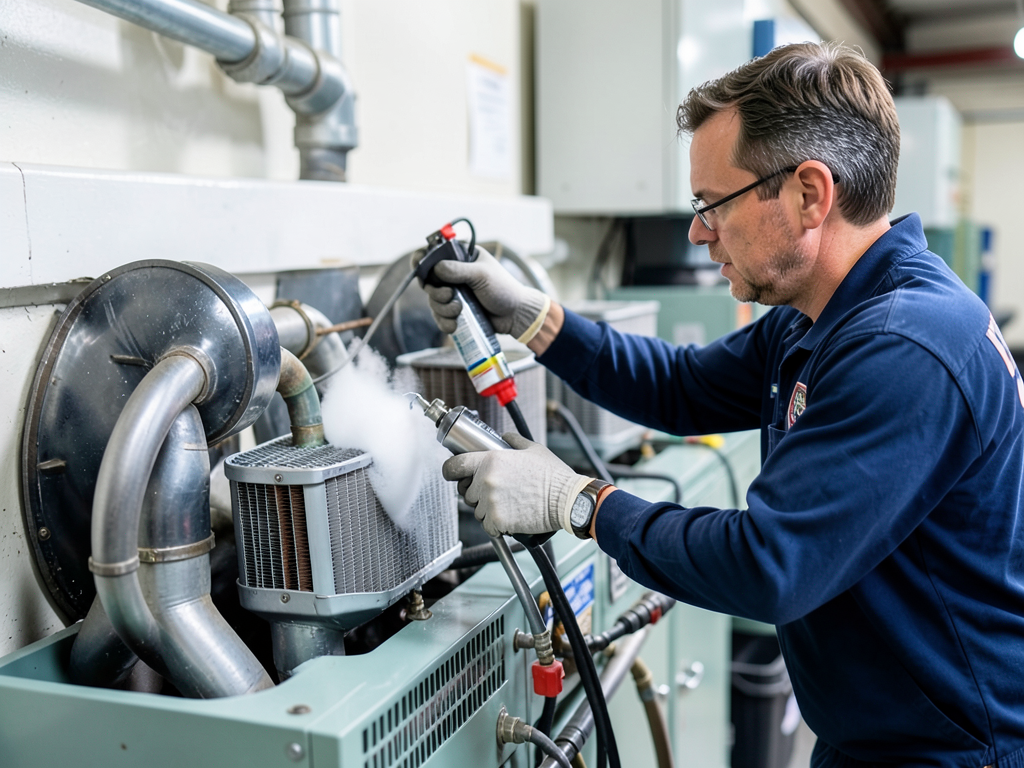
Evaporator coils collect pollen, dust, and moisture throughout the cooling season. A thorough cleaning removes this buildup and prevents mold growth. Technicians use specialized coil cleaners that break down organic material without damaging the aluminum fins.. Read more about How often you actually need to clean the evaporator coils in your Town ‘n’ Country home.
- High-Efficiency Filter Upgrades
Standard fiberglass filters capture only 10-20% of airborne particles. Upgrading to MERV 11 or MERV 13 filters can trap 85-95% of pollen-sized particles. However, higher MERV ratings require proper system calibration to maintain airflow.
- Ductwork Inspections
Leaky ducts in attics or crawl spaces can draw in pollen-contaminated air. A professional inspection identifies gaps, holes, and disconnected sections that need sealing. This prevents your system from pulling in allergens from unconditioned spaces.
- Condensate Drain Line Clearing
Pollen and debris can clog condensate drain lines, causing water to back up and create mold growth. Flushing these lines with a vinegar solution or commercial cleaner prevents blockages and maintains proper drainage. Reliable Commercial HVAC Services for Temple Terrace Business Owners.
- Blower Housing Cleaning
The blower assembly accumulates dust and pollen over time. Cleaning the blower wheel, housing, and motor improves efficiency and prevents the redistribution of collected allergens throughout your home.
Understanding MERV Ratings for Florida Homes
Minimum Efficiency Reporting Value (MERV) ratings indicate a filter’s ability to capture particles of specific sizes. For Tampa homes dealing with oak pollen, understanding these ratings helps you make informed decisions about filtration.. Read more about The Truth About HEPA Filtration Upgrades for Families Living Near MacDill Air Force Base.
| MERV Rating | Pollen Capture Efficiency | Airflow Impact | Best For |
|---|---|---|---|
| MERV 6-8 | 20-35% | Minimal | Basic dust protection |
| MERV 11 | 85-95% | Moderate | Pollen and mold spores |
| MERV 13 | 90-95% | Significant | Severe allergies, smoke |
| MERV 16 | 95-98% | High | HEPA-level filtration |
Florida’s high humidity creates unique challenges for air filtration. Higher MERV filters restrict airflow, which can cause your AC to work harder and potentially freeze up. A professional assessment of your system’s static pressure determines the highest MERV rating your equipment can handle without compromising performance.
The Florida Building Code (FBC) Energy Conservation requirements specify that HVAC systems must maintain minimum airflow rates to ensure proper dehumidification. Installing filters that are too restrictive violates these requirements and can lead to mold growth from inadequate moisture removal.. Read more about The Benefits of Installing an Air Scrubber in Your Bayside West Home to Eliminate Cooking Odors.
Advanced IAQ Solutions: UV Lights and Air Purifiers
When standard filtration isn’t enough, advanced indoor air quality solutions can provide additional protection against pollen and other biological contaminants common in Tampa’s climate.
UV-C germicidal lights installed near evaporator coils kill mold, bacteria, and viruses that thrive in the moist environment. These lights operate continuously, preventing the buildup of biological growth that can reduce system efficiency and distribute contaminants through your home.
Whole-home air purifiers go beyond filtration by using technologies like photocatalytic oxidation or ionization to neutralize airborne particles. The REME HALO system, for example, produces hydro-peroxide plasma that actively seeks out and destroys pollutants throughout your entire home, not just at the filter.
According to the EPA, proper ventilation and air cleaning can reduce indoor airborne pollen concentrations by up to 90% when combined with high-efficiency filtration systems.
Professional vs. DIY: What Homeowners Can Safely Do
While some maintenance tasks are safe for homeowners, others require professional expertise and equipment. Knowing the difference can save you time, money, and potential system damage. Why Most Carrollwood Homeowners Choose Local HVAC Experts Over Big Box Brands.
- Safe DIY Tasks:
- Changing air filters monthly during pollen season
- Keeping outdoor units clear of debris and vegetation
- Checking and cleaning accessible vents
- Monitoring thermostat settings for optimal performance
- Professional-Only Tasks:
- Refrigerant level checks and adjustments
- Electrical component testing and repairs
- Deep coil cleaning with specialized equipment
- Duct leakage testing and sealing
- System airflow balancing
The difference between DIY and professional maintenance often comes down to diagnostic tools. A technician uses a digital manometer to measure static pressure, an anemometer to check airflow velocity, and a thermal camera to identify hot spots in ductwork. These tools reveal problems invisible to the naked eye.
Tampa’s Unique Climate Challenges for HVAC Systems
Tampa’s subtropical climate creates conditions that make pollen season particularly challenging for HVAC systems. Our high humidity levels, typically 70-90% during pollen season, combine with airborne allergens to create indoor air quality problems that don’t exist in drier climates.
The Florida peninsula’s geography means we experience pollen seasons earlier and more intensely than most of the country. Oak trees release pollen when temperatures rise above 50°F, which in Tampa can happen as early as January. This extended season means your HVAC system works harder for a longer period.
Salt air from our coastal location also affects HVAC components. The corrosive nature of salt mist can degrade outdoor coils and electrical connections, making systems more vulnerable to pollen infiltration through compromised components.
Creating an Allergy-Season Maintenance Schedule
Timing your HVAC maintenance around Tampa’s pollen calendar can maximize effectiveness and minimize allergy symptoms. Here’s a recommended schedule for local homeowners:
- Early February:
Schedule professional tune-up before oak pollen peaks. This includes coil cleaning, filter assessment, and system calibration.
- Mid-March:
Replace filters with high-efficiency MERV 11 or 13 options. Check for early signs of mold growth.
- Early April:
Inspect ductwork for leaks and seal any gaps. This prevents pollen-contaminated air from entering the system.
- Late April:
Clean condensate drain lines and check for proper drainage. Address any standing water issues. Troubleshooting AC Issues.
- Early May:
Final inspection to ensure system is operating at peak efficiency for the remainder of pollen season.
Following this schedule helps your system handle the heaviest pollen loads when oak trees release the most pollen, typically in mid-April.
Indoor Air Quality Testing: When to Call the Pros
Sometimes allergy symptoms persist even with proper HVAC maintenance. Professional indoor air quality testing can identify specific pollutants and their sources, allowing for targeted solutions.
IAQ testing measures particulate matter, volatile organic compounds, humidity levels, and carbon dioxide concentrations. These tests can reveal whether your HVAC system is effectively filtering allergens or if additional measures are needed.
The American Society of Heating, Refrigerating and Air-Conditioning Engineers (ASHRAE) recommends maintaining indoor humidity between 30-60% for optimal comfort and health. In Tampa’s climate, this often requires active dehumidification beyond what standard AC systems provide.
Cost Considerations for Pollen-Season Protection
Investing in pollen-season HVAC protection involves several cost factors. Professional coil cleaning typically ranges from $150-300, while high-efficiency filter upgrades cost $50-150 annually for replacement filters. Advanced solutions like UV light systems require $500-1,200 installation with $100-200 annual bulb replacement.
However, these investments often pay for themselves through improved system efficiency, extended equipment life, and reduced allergy medication costs. A study by the EPA found that proper HVAC maintenance can reduce energy consumption by 5-15% while improving indoor air quality.
Frequently Asked Questions
How often should I change my AC filter during oak pollen season?
During peak pollen season in Tampa, replace standard filters every 30 days and high-efficiency filters every 60-90 days. Check filters monthly and replace sooner if they appear dirty or if allergy symptoms worsen.
Can pollen damage my AC system?
While pollen itself doesn’t typically cause mechanical damage, the organic material it carries can promote mold growth on coils and in drain pans. This biological growth can reduce efficiency and potentially lead to component failure if left unaddressed.
Should I run my AC during high pollen days?
Yes, running your AC with proper filtration actually helps reduce indoor pollen levels. The system continuously filters indoor air, and high-efficiency filters can capture most pollen particles before they circulate through your home.
What’s the best MERV rating for pollen allergies?
MERV 11 provides an excellent balance of pollen filtration and system compatibility for most Tampa homes. MERV 13 offers superior filtration but may require system modifications to maintain proper airflow in older or smaller systems.
How can I tell if my AC is spreading pollen?
Symptoms include increased allergy problems indoors, visible dust accumulation near vents, musty odors when the system runs, and higher-than-normal indoor humidity levels. Professional IAQ testing can confirm whether your system is effectively filtering allergens.
Take Action Before Pollen Season Peaks
Don’t wait until your family is suffering from indoor allergies to address your HVAC system’s pollen protection. The time to act is now, before oak trees release their heaviest pollen loads in April and May.
A professional HVAC inspection can identify vulnerabilities in your system and recommend specific solutions for your home’s unique needs. From simple filter upgrades to advanced air purification systems, there are options at every price point to improve your indoor air quality.
Call (656) 237-5377 today to schedule your pre-pollen season HVAC inspection. Our NATE-certified technicians understand Tampa’s unique climate challenges and can help you breathe easier this allergy season.
Don’t let oak pollen season turn your home into an allergy nightmare. Pick up the phone and call (656) 237-5377 before the next storm hits and pollen counts soar. Your family’s comfort and health are worth the call.

[IMAGE_PLACEHOLDER_3>
{
“@context”: “https://schema.org”,
“@type”: “BlogPosting”,
“headline”: “Protecting your HVAC system from the brutal oak pollen season in Tampa”,
“description”: “Tampa’s oak pollen season can overwhelm your AC. Learn how to protect your HVAC system from allergens and maintain clean indoor air during peak allergy months.”,
“wordCount”: 1771,
“datePublished”: “2026-04-29T14:11:00.000Z”,
“dateModified”: “2026-04-29T14:11:00.000Z”,
“inLanguage”: “en-US”,
“mainEntityOfPage”: {
“@type”: “WebPage”,
“@id”: “https://peakhvactampa.com”
},
“publisher”: {
“@type”: “LocalBusiness”,
“name”: “Peak HVAC Tampa”,
“url”: “https://peakhvactampa.com”
},
“author”: {
“@type”: “Organization”,
“name”: “Peak HVAC Tampa”,
“url”: “https://peakhvactampa.com”
},
“image”: {
“@type”: “ImageObject”,
“url”: “https://peakhvactampa.com/wp-content/uploads/2026/03/protecting-your-hvac-system-from-the-brutal-oak-po-1.png”
}
}
{
“@context”: “https://schema.org”,
“@type”: “HVACBusiness”,
“name”: “Peak HVAC Tampa”,
“url”: “https://peakhvactampa.com”,
“address”: {
“@type”: “PostalAddress”,
“addressLocality”: “Tampa”
},
“areaServed”: {
“@type”: “City”,
“name”: “Tampa”
}
}
{
“@context”: “https://schema.org”,
“@type”: “FAQPage”,
“mainEntity”: [
{
“@type”: “Question”,
“name”: “How often should I change my AC filter during oak pollen season?”,
“acceptedAnswer”: {
“@type”: “Answer”,
“text”: “During peak pollen season in Tampa, replace standard filters every 30 days and high-efficiency filters every 60-90 days. Check filters monthly and replace sooner if they appear dirty or if allergy symptoms worsen.”
}
},
{
“@type”: “Question”,
“name”: “Can pollen damage my AC system?”,
“acceptedAnswer”: {
“@type”: “Answer”,
“text”: “While pollen itself doesn’t typically cause mechanical damage, the organic material it carries can promote mold growth on coils and in drain pans. This biological growth can reduce efficiency and potentially lead to component failure if left unaddressed.”
}
},
{
“@type”: “Question”,
“name”: “Should I run my AC during high pollen days?”,
“acceptedAnswer”: {
“@type”: “Answer”,
“text”: “Yes, running your AC with proper filtration actually helps reduce indoor pollen levels. The system continuously filters indoor air, and high-efficiency filters can capture most pollen particles before they circulate through your home.”
}
},
{
“@type”: “Question”,
“name”: “What’s the best MERV rating for pollen allergies?”,
“acceptedAnswer”: {
“@type”: “Answer”,
“text”: “MERV 11 provides an excellent balance of pollen filtration and system compatibility for most Tampa homes. MERV 13 offers superior filtration but may require system modifications to maintain proper airflow in older or smaller systems.”
}
},
{
“@type”: “Question”,
“name”: “How can I tell if my AC is spreading pollen?”,
“acceptedAnswer”: {
“@type”: “Answer”,
“text”: “Symptoms include increased allergy problems indoors, visible dust accumulation near vents, musty odors when the system runs, and higher-than-normal indoor humidity levels. Professional IAQ testing can confirm whether your system is effectively filtering allergens.”
}
}
]
}
{
“@context”: “https://schema.org”,
“@type”: “HowTo”,
“name”: “HVAC Maintenance During Pollen Season”,
“step”: [
{
“@type”: “HowToStep”,
“position”: 1,
“name”: “Deep Coil Cleaning”,
“text”: “Evaporator coils collect pollen, dust, and moisture throughout the cooling season. A thorough cleaning removes this buildup and prevents mold growth. Technicians use specialized coil cleaners that break down organic material without damaging the aluminum fins.”
},
{
“@type”: “HowToStep”,
“position”: 2,
“name”: “High-Efficiency Filter Upgrades”,
“text”: “Standard fiberglass filters capture only 10-20% of airborne particles. Upgrading to MERV 11 or MERV 13 filters can trap 85-95% of pollen-sized particles. However, higher MERV ratings require proper system calibration to maintain airflow.”
},
{
“@type”: “HowToStep”,
“position”: 3,
“name”: “Ductwork Inspections”,
“text”: “Leaky ducts in attics or crawl spaces can draw in pollen-contaminated air. A professional inspection identifies gaps, holes, and disconnected sections that need sealing. This prevents your system from pulling in allergens from unconditioned spaces.”
},
{
“@type”: “HowToStep”,
“position”: 4,
“name”: “Condensate Drain Line Clearing”,
“text”: “Pollen and debris can clog condensate drain lines, causing water to back up and create mold growth. Flushing these lines with a vinegar solution or commercial cleaner prevents blockages and maintains proper drainage. Reliable Commercial HVAC Services for Temple Terrace Business Owners.”
},
{
“@type”: “HowToStep”,
“position”: 5,
“name”: “Blower Housing Cleaning”,
“text”: “The blower assembly accumulates dust and pollen over time. Cleaning the blower wheel, housing, and motor improves efficiency and prevents the redistribution of collected allergens throughout your home.”
}
],
“image”: “https://peakhvactampa.com/wp-content/uploads/2026/03/protecting-your-hvac-system-from-the-brutal-oak-po-1.png”
}
{
“@context”: “https://schema.org”,
“@type”: “BreadcrumbList”,
“itemListElement”: [
{
“@type”: “ListItem”,
“position”: 1,
“name”: “Home”,
“item”: “https://peakhvactampa.com”
},
{
“@type”: “ListItem”,
“position”: 2,
“name”: “Blog”,
“item”: “https://peakhvactampa.com/blog”
},
{
“@type”: “ListItem”,
“position”: 3,
“name”: “Protecting your HVAC system from the brutal oak pollen season in Tampa”
}
]
}
{
“@context”: “https://schema.org”,
“@type”: “Service”,
“serviceType”: “HVAC”,
“provider”: {
“@type”: “LocalBusiness”,
“name”: “Peak HVAC Tampa”,
“url”: “https://peakhvactampa.com”
},
“areaServed”: {
“@type”: “City”,
“name”: “Tampa”
},
“description”: “Tampa’s oak pollen season can overwhelm your AC. Learn how to protect your HVAC system from allergens and maintain clean indoor air during peak allergy months.”
}