
Protecting Your Water Street Condo AC System from Ongoing Construction Dust and Debris
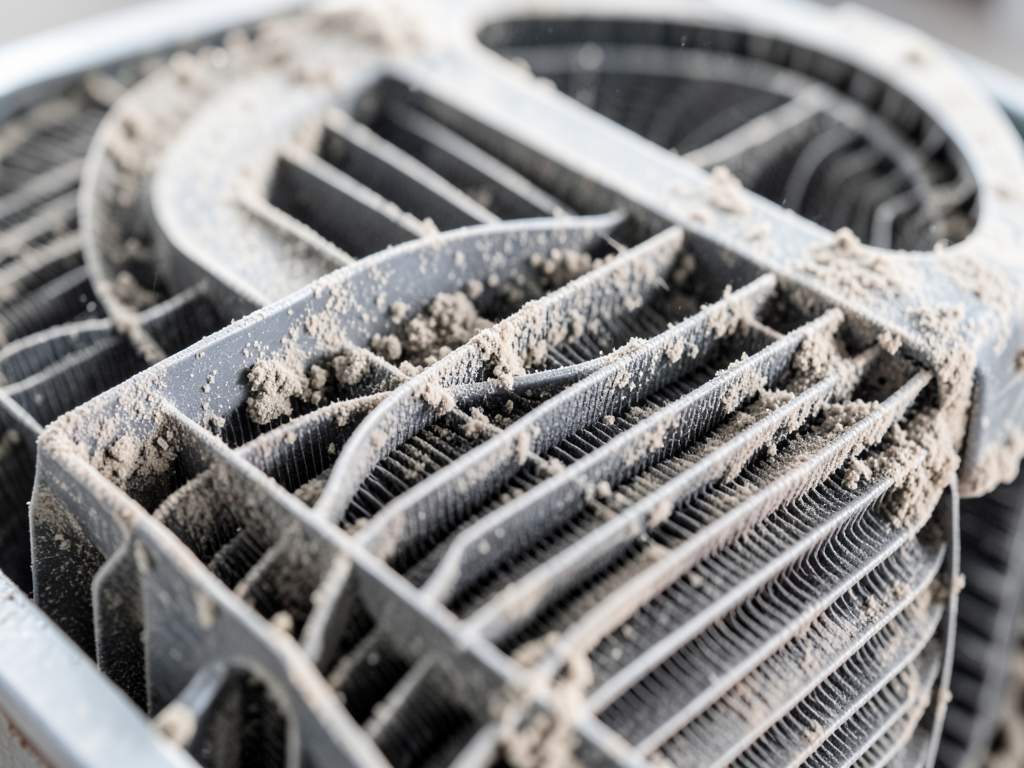
Your condo’s air conditioning system is under attack from construction dust that can silently destroy efficiency and air quality. Water Street’s massive development creates unique challenges for nearby residents as fine particles from drywall, concrete, and other materials infiltrate HVAC systems. These microscopic invaders coat coils, clog filters, and reduce cooling capacity while increasing energy costs.
The humid Tampa climate makes matters worse. Moisture in the air combines with construction dust to create a sticky sludge that adheres to evaporator coils and blower wheels. This combination not only reduces cooling efficiency but creates ideal conditions for microbial growth that can trigger allergies and respiratory issues. Troubleshooting AC Issues.
Understanding how construction dust affects your specific condo HVAC setup is crucial. Unlike single-family homes, many Water Street condos use water-source heat pumps or vertical stack units that share common ventilation systems. This means dust from one area can travel through shared ducts and affect multiple units.. Read more about Avoiding Common Duct Cleaning Scams Targeting Seniors in Sun City Center.
Why Construction Dust is a ‘Silent Killer’ for Tampa Condo HVACs
Construction dust isn’t just regular household dust. It contains silica particles from drywall, concrete dust, sawdust, and other abrasive materials that are much finer than typical indoor pollutants. These particles can be as small as 0.5 microns, easily passing through standard filters and coating internal components.
When construction dust settles on evaporator coils, it creates an insulating layer that prevents proper heat transfer. Your AC has to work harder and longer to achieve the same cooling effect, leading to increased energy consumption and premature system failure. The blower motor also suffers as dust accumulates on fan blades, causing imbalance and bearing wear.
According to the Florida Building Code Section 403.3.2.2, proper ventilation during construction is required to prevent dust migration into occupied spaces. However, with ongoing Water Street development, complete dust control is nearly impossible, making proactive AC protection essential.
The Specific Challenges of Condo Air Systems
Condo HVAC systems face unique vulnerabilities compared to single-family homes. Many Water Street buildings use water-source heat pumps that rely on a central cooling tower system. These units are particularly susceptible to dust infiltration because they have smaller air handling components and often share common return air pathways.
Vertical stack configurations common in high-rise condos create additional challenges. Dust can travel through vertical shafts and stairwells, entering your unit through ceiling penetrations or utility closets. Even with closed doors, fine particles find their way through gaps around pipes, electrical conduits, and ventilation grilles.
Shared ductwork means your neighbor’s construction dust can become your problem. Without proper filtration at the building level, particles circulate through the entire system, affecting every unit on the same air handler. This makes individual unit protection only part of the solution.
Condo association rules often limit what modifications you can make to your HVAC system. You may not be able to upgrade to HEPA filtration or install additional return air filters without board approval, leaving your system more vulnerable to construction debris. EPA Indoor Air Quality Guidelines.
5 Signs Your AC is Suffering from Post-Construction Clog
Recognizing early warning signs can prevent expensive repairs. Here are five indicators that construction dust is affecting your AC system:
- Increased humidity levels – If your unit runs constantly but your condo still feels sticky, dust may be coating the evaporator coil and reducing its ability to remove moisture from the air.
- Unusual whistling sounds – Restricted airflow through clogged filters or dirty coils creates whistling noises when the blower motor struggles to move air.
- Rapid cycling – Short cycling occurs when the system can’t maintain proper temperature due to reduced heat transfer, causing the compressor to turn on and off frequently.
- ‘Dusty’ smells when the compressor kicks on – This indicates dust is burning off components or that microbial growth has started in the moist, dusty environment.
- Visible dust accumulation on vents – If you see dust building up on supply vents faster than normal, your system is likely circulating construction particles throughout your condo.
According to EPA guidelines on indoor air quality, construction dust can contain harmful substances like crystalline silica, which poses respiratory risks when airborne. Your AC system’s inability to properly filter these particles compounds the health hazard.
Professional Maintenance vs. DIY Cleaning
Understanding the difference between basic filter changes and professional maintenance is crucial for protecting your investment. While changing filters is important, it only addresses surface-level contamination.
Professional HVAC technicians use specialized tools to measure coil cleanliness and airflow restriction. They employ digital manometers to test static pressure and anemometers to measure actual airflow at different points in the system. These diagnostic tools reveal problems that aren’t visible to the naked eye.
The cleaning process for construction-affected systems goes beyond simple vacuuming. Technicians use chemical coil cleaners specifically formulated to break down construction dust without damaging aluminum fins. They also clean blower wheels with industrial degreasers to remove the sticky residue that forms when dust mixes with condensate.
Filter selection matters significantly. Standard MERV 8 filters capture about 80% of particles 3-10 microns in size, but construction dust often contains particles as small as 0.3 microns. MERV 11 filters capture more fine particles but may restrict airflow in older condo units not designed for higher resistance.
HEPA filtration provides the best protection but requires system modifications that may not be permitted in condo associations. Some buildings are installing central HEPA units that serve multiple floors, but this requires building-wide approval and significant investment.
Tampa-Specific Maintenance Checklist
Florida’s unique climate creates specific maintenance requirements for construction-affected AC systems. Here’s a comprehensive checklist for Water Street condo owners:
- Monthly filter inspection – Check filters every 30 days during construction season. Replace when you can see light through the filter material, not just on a schedule.
- Drain line flushing – Florida humidity means your condensate drain line works overtime. Flush with vinegar solution monthly to prevent algae growth that construction dust can feed.
- Coil sanitation – Have evaporator coils professionally cleaned every 6 months during active construction periods. This prevents the ‘concrete-like’ buildup that occurs when dust mixes with Tampa’s high humidity.
- Refrigerant level check – Construction dust can cause coils to ice up, potentially damaging refrigerant lines. Annual pressure testing ensures your system isn’t developing leaks.
- Duct inspection – Have ducts inspected for construction debris accumulation. Shared systems may need building-wide cleaning to address cross-contamination.
The EPA’s Energy Star program recommends annual professional maintenance, but construction-affected systems may need service every 3-4 months during peak development periods. This investment prevents the $3,000-$5,000 replacement costs that result from neglected systems. Who to Call for 24-Hour AC Service in New Tampa When the Temperature Starts Climbing.
Water-source heat pumps common in Water Street condos require specific attention to the condenser water loop. Construction dust can enter the cooling tower system and circulate back through your unit, making building-level filtration equally important.
Protecting Your System During Neighboring Renovations
Even if you’re not renovating, your neighbor’s construction project can affect your AC system. Taking proactive steps can minimize the impact:
Install temporary barriers around your HVAC closet or utility area. Plastic sheeting with painter’s tape creates a dust barrier that significantly reduces infiltration. This is especially important for units with outdoor condenser access through shared spaces.
Communicate with your condo association about construction dust management. Many associations have guidelines for contractors regarding dust control, but enforcement varies. Request that contractors use HEPA air scrubbers and seal off work areas properly.
Consider installing a secondary filter system. While permanent modifications may require approval, temporary solutions like room air purifiers with HEPA filters can reduce the dust load on your main AC system.
Monitor your energy bills closely. A sudden increase in electricity usage often indicates your system is working harder due to dust buildup. Catching this early can prevent catastrophic failures during Tampa’s hottest months.
Post-Construction Recovery Steps
Once nearby construction completes, your AC system needs specific recovery steps to return to optimal performance. Don’t assume everything returns to normal automatically.
Schedule a comprehensive system cleaning. This should include evaporator coil cleaning, blower motor inspection, and drain line flushing. Construction dust continues settling for weeks after active work stops, so immediate cleaning prevents long-term damage.
Replace all filters, even if they appear clean. Construction dust creates microscopic scratches on filter media that reduce effectiveness. New filters ensure your system can properly capture any remaining airborne particles.
Test your system’s airflow using the ’tissue test.’ Hold a tissue near supply vents while the system runs. Weak airflow indicates duct contamination or blower motor issues that require professional attention.
Monitor indoor air quality for several weeks. Construction dust can trigger allergies and respiratory issues long after visible dust clears. If you notice persistent symptoms, your system may need additional filtration upgrades.
According to the American Society of Heating, Refrigerating and Air-Conditioning Engineers (ASHRAE) Standard 62.1, proper ventilation after construction events requires specific air changes per hour to clear airborne contaminants. Your condo’s system may need temporary adjustments to achieve these rates. ASHRAE Standard 62.1.
Cost-Benefit Analysis of Protection vs. Replacement
Understanding the financial implications helps justify preventive maintenance. Here’s a comparison of typical costs:
| Service Type | Average Cost | Frequency | Long-term Impact |
|---|---|---|---|
| Professional coil cleaning | $150-$300 | Every 6 months | Extends system life by 3-5 years |
| Complete system cleaning | $400-$800 | Annually | Prevents major component failures |
| Evaporator coil replacement | $900-$1,500 | Every 10-15 years | Avoided with proper maintenance |
| Blower motor replacement | $400-$700 | Every 8-12 years | Prevented by regular cleaning |
| Complete system replacement | $3,000-$7,000 | Every 15-20 years | Avoided with proper maintenance |
The numbers tell a clear story. Investing $600-$1,000 annually in preventive maintenance can save $3,000-$5,000 in premature replacement costs while extending your system’s useful life by 5-8 years.
Energy savings provide additional justification. A dirty system can use 15-20% more electricity than a clean one. In Tampa’s climate, where AC runs most of the year, this translates to $200-$400 in annual energy savings.
Choosing the Right HVAC Professional
Not all HVAC technicians understand the unique challenges of condo systems and construction dust. Look for professionals with specific qualifications:
NATE certification ensures technicians understand complex system diagnostics. This certification requires passing specialized exams covering heat pumps, air distribution, and refrigeration – all crucial for construction-affected systems.
Experience with high-rise buildings is essential. Water Street condos often have unique access challenges and system configurations that require specialized knowledge. Ask potential contractors about their experience with similar properties.
Look for technicians who use diagnostic equipment rather than just visual inspection. Digital manometers, thermal imaging cameras, and airflow meters provide objective data about system performance that guides proper maintenance decisions.
Ask about their approach to construction dust specifically. Do they understand the unique properties of drywall dust, silica particles, and how these materials interact with humid Florida air? Generic HVAC knowledge isn’t enough for this specialized challenge.
Future-Proofing Your System
As Water Street development continues, planning for long-term protection makes sense. Consider these upgrades that can reduce future maintenance needs:
Smart thermostat integration allows you to monitor system performance and receive alerts about unusual patterns that might indicate dust-related problems. Many modern systems can detect reduced airflow or increased run times that signal maintenance needs.
UV light installation in your air handler can prevent microbial growth that construction dust often triggers. These lights kill mold and bacteria that thrive in the moist, dusty environment common in Florida AC systems.. Read more about Preventing Algae Growth in Your Palma Ceia AC Drain Line During the Rainy Season.
Upgraded filtration systems, while requiring condo association approval, can significantly reduce maintenance needs. Whole-house HEPA filtration or advanced MERV 13+ filters capture more construction dust while maintaining proper airflow.
Consider a maintenance agreement with a qualified HVAC company. These programs typically include quarterly inspections, priority service, and discounted repairs. Given the unique challenges of Water Street construction, having a trusted professional on call is invaluable.
The International Energy Conservation Code (IECC) Section C403.2.3 requires specific filtration efficiencies for commercial buildings, but many condo associations haven’t updated their standards. Advocating for building-wide improvements can benefit all residents. Reliable Commercial HVAC Services for Temple Terrace Business Owners.
Frequently Asked Questions
How often should I change my AC filter during nearby construction?
During active construction, check your filter monthly and replace it when you can see light through the material. Construction dust can clog filters in as little as 30 days, reducing airflow and system efficiency.
Can construction dust damage my AC compressor?
Yes. While the compressor itself isn’t directly affected by dust, restricted airflow from dirty coils causes the system to run hotter and longer, potentially leading to compressor overheating and premature failure.
Should I turn off my AC during neighbor’s construction?
No. Turning off your AC can cause humidity problems that make dust adhesion worse. Instead, use high-quality filters and consider running your system on ‘fan only’ mode during the dustiest construction phases.
How do I know if construction dust is affecting my air quality?
Signs include increased dust accumulation on furniture, musty odors when the AC runs, and respiratory symptoms that improve when you leave your condo. Professional IAQ testing can measure specific particle counts.
Is it worth upgrading to HEPA filtration in my condo?
HEPA filtration provides superior protection but requires system modifications that may need condo board approval. If you have severe allergies or respiratory issues, the health benefits often justify the investment and approval process.
Take Action Before Dust Damages Your System
Construction dust is a silent threat to your Water Street condo’s air conditioning system. The fine particles from ongoing development can reduce efficiency by up to 30% and shorten system life by several years if left unchecked. The humid Tampa climate makes this problem even more severe as moisture combines with dust to create stubborn buildup.
Don’t wait until you notice reduced cooling or higher energy bills. Professional maintenance now can prevent expensive repairs later. Our technicians understand the unique challenges of Water Street condo systems and use specialized equipment to diagnose and solve construction-related HVAC problems.
Call (656) 237-5377 today to schedule your construction dust protection assessment. We’ll evaluate your system’s vulnerability, clean critical components, and recommend specific steps to protect your investment. The cost of prevention is always less than the cost of replacement.
Pick up the phone and call (656) 237-5377 before the next wave of construction hits Water Street. Your AC system works hard enough without fighting construction dust too. Let our experienced team help you maintain comfort and efficiency throughout Tampa’s development boom.
Remember, your condo association may have guidelines about HVAC maintenance during construction. We can help you understand these requirements and ensure your system stays protected while remaining compliant with building rules.
Don’t let construction dust turn your cooling system into a costly problem. Call (656) 237-5377 now for expert assessment and cleaning. Your comfort and your wallet will thank you.
{
“@context”: “https://schema.org”,
“@type”: “BlogPosting”,
“headline”: “Protecting Your Water Street Condo AC System from Ongoing Construction Dust and Debris”,
“description”: “Tampa condo owners near Water Street construction need to protect their AC systems from dust and debris. Learn how to prevent costly damage and maintain efficiency.”,
“wordCount”: 2462,
“datePublished”: “2026-06-01T10:37:00.000Z”,
“dateModified”: “2026-06-01T10:37:00.000Z”,
“inLanguage”: “en-US”,
“mainEntityOfPage”: {
“@type”: “WebPage”,
“@id”: “https://peakhvactampa.com”
},
“publisher”: {
“@type”: “LocalBusiness”,
“name”: “Peak HVAC Tampa”,
“url”: “https://peakhvactampa.com”
},
“author”: {
“@type”: “Organization”,
“name”: “Peak HVAC Tampa”,
“url”: “https://peakhvactampa.com”
},
“image”: {
“@type”: “ImageObject”,
“url”: “https://peakhvactampa.com/wp-content/uploads/2026/03/protecting-your-water-street-condo-ac-system-from-1.png”
}
}
{
“@context”: “https://schema.org”,
“@type”: “HVACBusiness”,
“name”: “Peak HVAC Tampa”,
“url”: “https://peakhvactampa.com”,
“address”: {
“@type”: “PostalAddress”,
“addressLocality”: “Tampa”
},
“areaServed”: {
“@type”: “City”,
“name”: “Tampa”
}
}
{
“@context”: “https://schema.org”,
“@type”: “FAQPage”,
“mainEntity”: [
{
“@type”: “Question”,
“name”: “How often should I change my AC filter during nearby construction?”,
“acceptedAnswer”: {
“@type”: “Answer”,
“text”: “During active construction, check your filter monthly and replace it when you can see light through the material. Construction dust can clog filters in as little as 30 days, reducing airflow and system efficiency.”
}
},
{
“@type”: “Question”,
“name”: “Can construction dust damage my AC compressor?”,
“acceptedAnswer”: {
“@type”: “Answer”,
“text”: “Yes. While the compressor itself isn’t directly affected by dust, restricted airflow from dirty coils causes the system to run hotter and longer, potentially leading to compressor overheating and premature failure.”
}
},
{
“@type”: “Question”,
“name”: “Should I turn off my AC during neighbor’s construction?”,
“acceptedAnswer”: {
“@type”: “Answer”,
“text”: “No. Turning off your AC can cause humidity problems that make dust adhesion worse. Instead, use high-quality filters and consider running your system on ‘fan only’ mode during the dustiest construction phases.”
}
},
{
“@type”: “Question”,
“name”: “How do I know if construction dust is affecting my air quality?”,
“acceptedAnswer”: {
“@type”: “Answer”,
“text”: “Signs include increased dust accumulation on furniture, musty odors when the AC runs, and respiratory symptoms that improve when you leave your condo. Professional IAQ testing can measure specific particle counts.”
}
},
{
“@type”: “Question”,
“name”: “Is it worth upgrading to HEPA filtration in my condo?”,
“acceptedAnswer”: {
“@type”: “Answer”,
“text”: “HEPA filtration provides superior protection but requires system modifications that may need condo board approval. If you have severe allergies or respiratory issues, the health benefits often justify the investment and approval process.”
}
}
]
}
{
“@context”: “https://schema.org”,
“@type”: “BreadcrumbList”,
“itemListElement”: [
{
“@type”: “ListItem”,
“position”: 1,
“name”: “Home”,
“item”: “https://peakhvactampa.com”
},
{
“@type”: “ListItem”,
“position”: 2,
“name”: “Blog”,
“item”: “https://peakhvactampa.com/blog”
},
{
“@type”: “ListItem”,
“position”: 3,
“name”: “Protecting Your Water Street Condo AC System from Ongoing Construction Dust and Debris”
}
]
}
{
“@context”: “https://schema.org”,
“@type”: “Service”,
“serviceType”: “HVAC”,
“provider”: {
“@type”: “LocalBusiness”,
“name”: “Peak HVAC Tampa”,
“url”: “https://peakhvactampa.com”
},
“areaServed”: {
“@type”: “City”,
“name”: “Tampa”
},
“description”: “Tampa condo owners near Water Street construction need to protect their AC systems from dust and debris. Learn how to prevent costly damage and maintain efficiency.”
}