
Steps every South Tampa homeowner should take to protect their AC before a hurricane
Living in South Tampa means facing the annual threat of hurricanes. Your air conditioning system represents a significant investment that can be severely damaged by high winds, flying debris, and storm surge. Taking the right steps before a storm hits can mean the difference between a quick recovery and a costly replacement. How to Choose the Right New Air Conditioner for Your Westchase Home.
South Tampa’s unique geography near Tampa Bay creates specific risks for outdoor HVAC equipment. The combination of salt air, potential flooding, and intense wind patterns means your AC needs specialized protection that goes beyond generic hurricane advice. This guide provides the exact steps Tampa homeowners need to safeguard their systems. Why Most Carrollwood Homeowners Choose Local HVAC Experts Over Big Box Brands.
Pre-Storm Checklist: Securing Your HVAC System
Before the storm arrives, you need to act quickly and methodically. Start by gathering your supplies and preparing your outdoor unit for the coming weather. EPA Section 608 Refrigerant Regulations.
- Turn Off Power at the Breaker
Locate your HVAC circuit breaker in the main electrical panel and switch it to the OFF position. This prevents electrical damage from power surges when electricity is restored.. Read more about Why whole-house surge protection is a must for new HVAC systems in lightning-prone Lutz.
- Clear the Surrounding Area
Remove all loose objects within a 5-foot radius of your outdoor unit. Patio furniture, potted plants, garden tools, and children’s toys can become dangerous projectiles in hurricane-force winds.
- Inspect and Secure the Pad
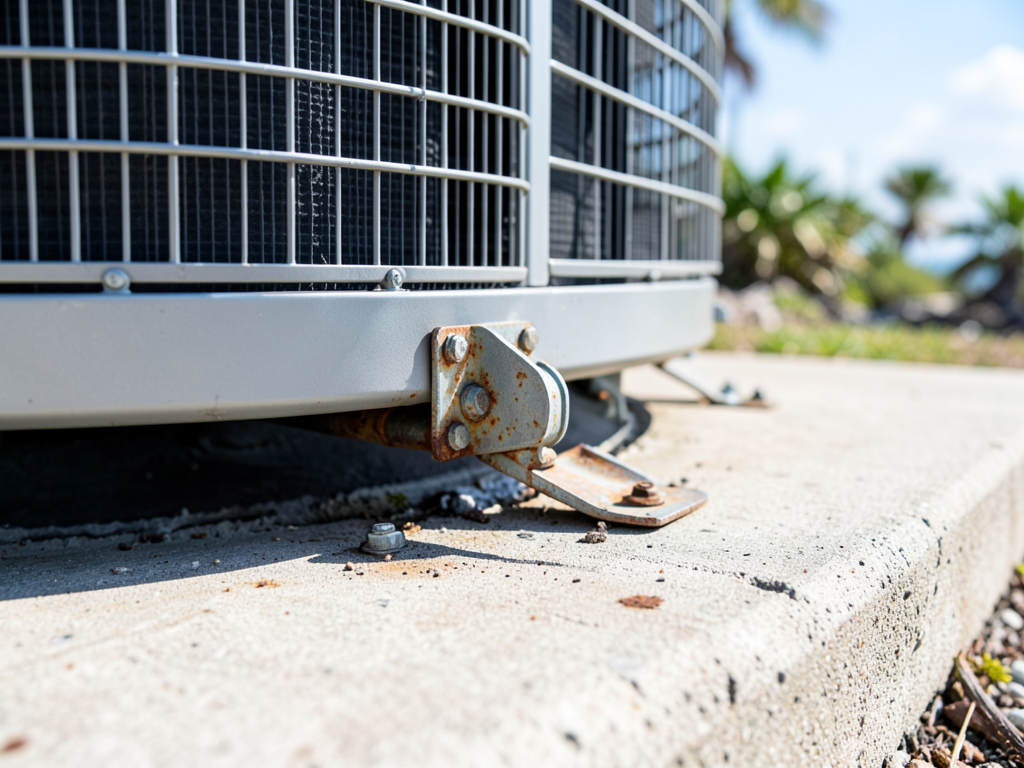
Check that your concrete pad hasn’t shifted or cracked. A stable foundation prevents the unit from tipping during high winds. If the pad is damaged, contact a professional immediately.
According to Florida Building Code Section 553.73, all outdoor HVAC equipment in hurricane zones must be properly anchored to resist wind loads. Many South Tampa homes, particularly those built before 2002, may not meet current standards. Florida Building Code Energy Requirements.
Why You Must Turn Off the Power (and How)
Electrical safety is non-negotiable during hurricane preparation. When water infiltrates your AC unit or power surges occur, live electrical components can create fire hazards or destroy expensive compressor motors.
Find your main electrical panel, typically located in the garage, laundry room, or on an exterior wall. Look for a double-pole breaker labeled “AC,” “HVAC,” or with the condenser’s horsepower rating. Flip it to the OFF position. Some South Tampa homes have separate disconnects near the outdoor unit – these should also be turned off.. Read more about Adding a separate AC zone for your new master suite in South Tampa.
Never rely on the thermostat alone. The indoor controls can fail while outdoor components remain energized, creating a dangerous situation if water enters the system.
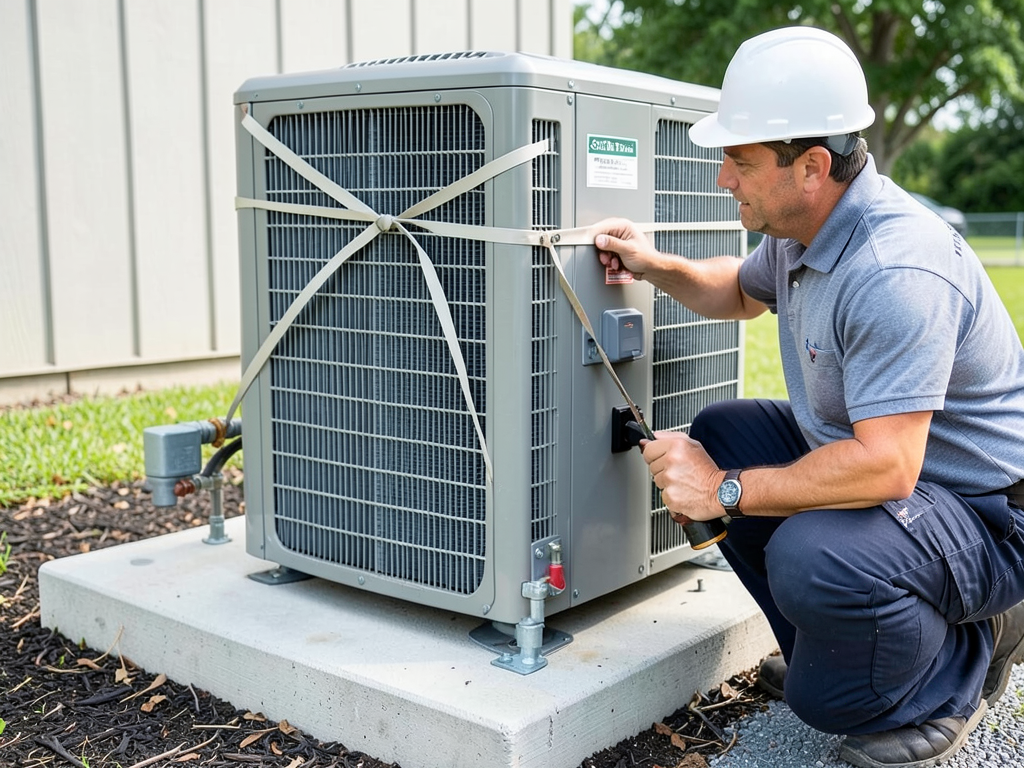
Securing the Condenser: Hurricane Straps and Tie-Downs
Your outdoor condenser unit needs physical restraint to prevent it from toppling or becoming airborne. Standard concrete pads alone are insufficient in Category 3 or higher winds.
Hurricane straps or certified tie-down kits anchor the unit to its pad using heavy-duty metal brackets and corrosion-resistant bolts. The Florida Building Code requires these for new installations in wind zones 3 and above, which includes all of Hillsborough County.
Professional installation involves drilling into the concrete pad and securing brackets to the unit’s frame. DIY kits exist but may not meet local code requirements. If your home is in a flood zone like Zone A or V, consider elevating the entire pad on a raised platform.
Check your straps annually for rust or loosening. The salt air in South Tampa accelerates corrosion, making regular inspection crucial for maintaining protection.
Protecting Against Flying Debris and Flooding
Flying debris causes most hurricane damage to outdoor AC units. While covering the unit might seem logical, solid covers trap moisture and accelerate corrosion. Instead, use a breathable mesh cover specifically designed for hurricane protection.
Install a protective cage or barrier around the unit using galvanized steel mesh. This allows airflow while deflecting larger objects. Some South Tampa homeowners install removable plywood panels that can be quickly attached before a storm.
Flood protection is equally important. If your unit sits at ground level in a flood-prone area like near the Hillsborough River or in low-lying South Tampa neighborhoods, consider building a small retaining wall or installing a sump pump system to divert water.
Document your unit’s condition with photos before the storm. This provides crucial evidence for insurance claims if damage occurs.
During the Storm: What to Do (and What to Avoid)
Once the storm hits, your preparation work is done. Do not go outside to check on your AC unit. Flying debris and lightning pose serious risks.
Monitor local weather reports through a battery-powered radio or charged mobile device. If you evacuated, wait for official all-clear announcements before returning to assess damage.
Never attempt to restart your AC immediately after power returns. Electrical surges when the grid comes back online can destroy your compressor if the system wasn’t properly shut down.
Post-Hurricane Recovery: Safely Restarting Your AC
Patience is critical during the recovery phase. Rushing to restore cooling can cause more damage than the storm itself.
- Visual Inspection
Check for obvious damage like bent fins, detached panels, or standing water around the unit. Look for signs of saltwater exposure if you’re near the bay.
- Clear Debris
Remove leaves, branches, and other debris from around and inside the unit. Use a garden hose to gently rinse away salt residue, especially if you’re in coastal areas.
- Wait 24 Hours
Allow the system to dry completely before attempting to restart. This prevents electrical shorts and allows any trapped moisture to evaporate.
- Professional Inspection
Have a licensed HVAC technician check the system before restoring power. They can test electrical components and check for refrigerant leaks.
Checking for Saltwater Damage and Electrical Shorts
South Tampa’s proximity to Tampa Bay means saltwater intrusion is a major concern. Even if your home isn’t in a flood zone, salt spray can travel miles inland during a hurricane.
Signs of saltwater damage include white, chalky deposits on aluminum fins, corroded electrical connections, and rust on the condenser coil. These issues can cause premature system failure if not addressed. Troubleshooting AC Issues.
Electrical shorts may not be visible but can cause fires or destroy your compressor. A professional uses a multimeter to test continuity and insulation resistance before restoring power.
The EPA’s Section 608 regulations require certified technicians to handle refrigerant systems, especially important after storm damage when leaks are common.
When to Call a Tampa HVAC Professional
Some situations require immediate professional attention. If you notice any of these signs, call (656) 237-5377 right away:
- Water inside the unit that won’t drain
- Visible electrical damage or burning smells
- Refrigerant lines that appear damaged or disconnected
- Unit won’t power on after following proper restart procedures
- Unusual noises when the system attempts to start
Professional technicians can also perform post-storm cleaning to remove salt residue and apply protective coatings that extend your system’s life in Tampa’s harsh coastal environment.
Frequently Asked Questions
Should I cover my AC with a tarp during a hurricane?
No. Solid covers trap moisture and create rust problems. Use a breathable mesh cover designed for hurricane protection instead.
How long should I wait before turning my AC back on after a storm?
Wait at least 24 hours after the storm passes and power is restored. Have a professional inspect the system before restarting.
Will my homeowner’s insurance cover hurricane damage to my AC?
Most policies cover wind damage but may exclude flood damage. Document the unit’s condition before the storm and check your specific policy details.
Do I need special straps for my AC in South Tampa?
Yes. South Tampa is in a high wind zone requiring hurricane-rated straps that meet Florida Building Code requirements for wind loads up to 175 mph.
What if my AC is on a second-story balcony?
Second-story units still need proper anchoring. The straps must be rated for both wind uplift and the additional height factor. Professional installation is strongly recommended.
Protecting your AC before a hurricane requires specific knowledge of Tampa’s unique climate challenges and building requirements. The combination of salt air, high winds, and potential flooding makes standard hurricane preparation insufficient for South Tampa homes.
By following these steps and knowing when to call a professional, you can significantly reduce the risk of costly damage to your HVAC system. Remember that proper preparation today can save you thousands in repairs tomorrow.
Don’t wait until the last minute. Call (656) 237-5377 today to schedule your pre-hurricane AC inspection and ensure your system is ready for whatever this season brings.
{
“@context”: “https://schema.org”,
“@type”: “BlogPosting”,
“headline”: “Steps every South Tampa homeowner should take to protect their AC before a hurricane”,
“description”: “Protect your South Tampa AC from hurricane damage with these essential steps. Learn how to secure your outdoor unit and prevent costly repairs after the storm.”,
“wordCount”: 1419,
“datePublished”: “2026-04-24T08:04:00.000Z”,
“dateModified”: “2026-04-24T08:04:00.000Z”,
“inLanguage”: “en-US”,
“mainEntityOfPage”: {
“@type”: “WebPage”,
“@id”: “https://peakhvactampa.com”
},
“publisher”: {
“@type”: “LocalBusiness”,
“name”: “Peak HVAC Tampa”,
“url”: “https://peakhvactampa.com”
},
“author”: {
“@type”: “Organization”,
“name”: “Peak HVAC Tampa”,
“url”: “https://peakhvactampa.com”
},
“image”: {
“@type”: “ImageObject”,
“url”: “https://peakhvactampa.com/wp-content/uploads/2026/03/steps-every-south-tampa-homeowner-should-take-to-p-1.png”
}
}
{
“@context”: “https://schema.org”,
“@type”: “HVACBusiness”,
“name”: “Peak HVAC Tampa”,
“url”: “https://peakhvactampa.com”,
“address”: {
“@type”: “PostalAddress”,
“addressLocality”: “Tampa”
},
“areaServed”: {
“@type”: “City”,
“name”: “Tampa”
}
}
{
“@context”: “https://schema.org”,
“@type”: “FAQPage”,
“mainEntity”: [
{
“@type”: “Question”,
“name”: “Should I cover my AC with a tarp during a hurricane?”,
“acceptedAnswer”: {
“@type”: “Answer”,
“text”: “No. Solid covers trap moisture and create rust problems. Use a breathable mesh cover designed for hurricane protection instead.”
}
},
{
“@type”: “Question”,
“name”: “How long should I wait before turning my AC back on after a storm?”,
“acceptedAnswer”: {
“@type”: “Answer”,
“text”: “Wait at least 24 hours after the storm passes and power is restored. Have a professional inspect the system before restarting.”
}
},
{
“@type”: “Question”,
“name”: “Will my homeowner’s insurance cover hurricane damage to my AC?”,
“acceptedAnswer”: {
“@type”: “Answer”,
“text”: “Most policies cover wind damage but may exclude flood damage. Document the unit’s condition before the storm and check your specific policy details.”
}
},
{
“@type”: “Question”,
“name”: “Do I need special straps for my AC in South Tampa?”,
“acceptedAnswer”: {
“@type”: “Answer”,
“text”: “Yes. South Tampa is in a high wind zone requiring hurricane-rated straps that meet Florida Building Code requirements for wind loads up to 175 mph.”
}
}
]
}
{
“@context”: “https://schema.org”,
“@type”: “HowTo”,
“name”: “Pre-Storm AC Protection”,
“step”: [
{
“@type”: “HowToStep”,
“position”: 1,
“name”: “Turn Off Power at the Breaker”,
“text”: “Locate your HVAC circuit breaker in the main electrical panel and switch it to the OFF position. This prevents electrical damage from power surges when electricity is restored.”
},
{
“@type”: “HowToStep”,
“position”: 2,
“name”: “Clear the Surrounding Area”,
“text”: “Remove all loose objects within a 5-foot radius of your outdoor unit. Patio furniture, potted plants, garden tools, and children’s toys can become dangerous projectiles in hurricane-force winds.”
},
{
“@type”: “HowToStep”,
“position”: 3,
“name”: “Inspect and Secure the Pad”,
“text”: “Check that your concrete pad hasn’t shifted or cracked. A stable foundation prevents the unit from tipping during high winds. If the pad is damaged, contact a professional immediately.”
}
],
“image”: “https://peakhvactampa.com/wp-content/uploads/2026/03/steps-every-south-tampa-homeowner-should-take-to-p-1.png”
}
{
“@context”: “https://schema.org”,
“@type”: “BreadcrumbList”,
“itemListElement”: [
{
“@type”: “ListItem”,
“position”: 1,
“name”: “Home”,
“item”: “https://peakhvactampa.com”
},
{
“@type”: “ListItem”,
“position”: 2,
“name”: “Blog”,
“item”: “https://peakhvactampa.com/blog”
},
{
“@type”: “ListItem”,
“position”: 3,
“name”: “Steps every South Tampa homeowner should take to protect their AC before a hurricane”
}
]
}
{
“@context”: “https://schema.org”,
“@type”: “Service”,
“serviceType”: “HVAC”,
“provider”: {
“@type”: “LocalBusiness”,
“name”: “Peak HVAC Tampa”,
“url”: “https://peakhvactampa.com”
},
“areaServed”: {
“@type”: “City”,
“name”: “Tampa”
},
“description”: “Protect your South Tampa AC from hurricane damage with these essential steps. Learn how to secure your outdoor unit and prevent costly repairs after the storm.”
}