
Stop Overpaying for Electricity with a Brandon AC Tune-Up
Your Brandon home should feel cool and comfortable without draining your bank account. Yet many homeowners see their electric bills spike during summer months. A comprehensive AC tune-up can cut energy costs by 15% or more while preventing costly breakdowns.
Brandon’s humid subtropical climate puts unique stress on air conditioning systems. The combination of high humidity and salt air near Tampa Bay accelerates wear on components. A proper tune-up addresses these local challenges through specific diagnostic steps and maintenance procedures.
Energy waste often comes from small issues that build up over time. Dirty coils reduce efficiency. Low refrigerant forces the system to run longer. Electrical connections degrade. These problems compound until your AC works twice as hard for the same cooling effect.
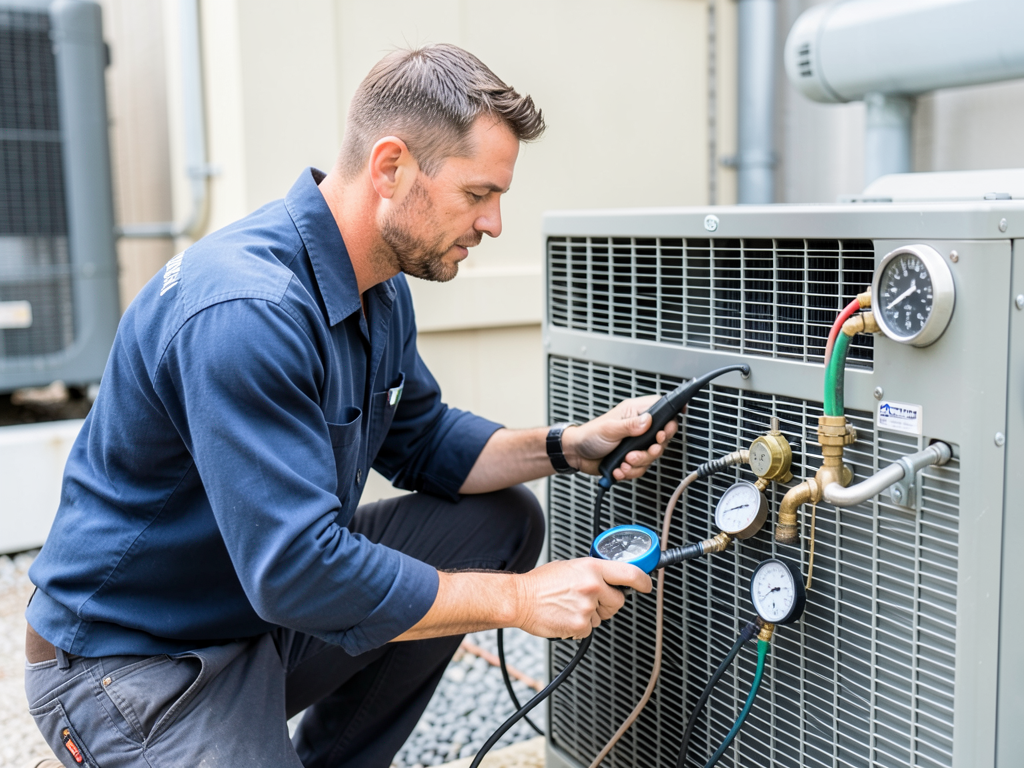
Professional maintenance catches these issues before they become expensive problems. The process takes about 90 minutes and includes multiple diagnostic tests. Technicians measure system performance, check electrical components, and clean critical parts.. Read more about Professional HVAC Service for Families Living in Fish Hawk and Lithia.
Brandon homeowners who schedule annual tune-ups typically see their systems last 3-5 years longer than neglected units. The investment pays for itself through lower utility bills and fewer emergency repairs.
Local building codes require proper condensate drainage and electrical safety. A tune-up ensures your system meets these standards while optimizing performance. This protects both your wallet and your home from potential damage.
What Happens During a Brandon AC Tune-Up
A thorough AC tune-up follows a specific diagnostic process. Each step measures current performance and identifies opportunities for improvement.
Technicians start with a visual inspection of the outdoor condenser unit. They check for debris, corrosion, and physical damage. Brandon’s frequent thunderstorms and salt air can cause visible wear on exposed components.
Electrical testing comes next. Technicians measure voltage and amperage draw on all motors and compressors. Abnormal readings indicate failing components that waste electricity.
Refrigerant levels receive careful measurement. Low refrigerant forces the compressor to work harder, increasing energy consumption by up to 20%. The system also loses cooling capacity when refrigerant drops even slightly.
Condensate drain lines get cleaned and tested. Clogged drains cause water damage and create conditions for mold growth. Brandon’s high humidity makes proper drainage critical for system health.
Indoor air handler components undergo inspection. Blower motors, belts, and electrical connections all affect system efficiency. Dust buildup on coils reduces heat transfer and forces longer run times.
Thermostat calibration ensures accurate temperature control. A thermostat that reads incorrectly causes the system to run too long or too short, both wasting energy.
Safety controls and sensors get tested. These prevent dangerous conditions but also affect efficiency when they malfunction.
Local Factors That Affect Brandon AC Performance
Brandon’s location creates specific challenges for air conditioning systems. Understanding these factors helps explain why maintenance matters more here than in other regions.
High humidity levels force AC systems to work harder. The latent heat load from moisture in the air requires more energy to remove than cooling dry air. Brandon’s average summer humidity often exceeds 70%.
Salt air from Tampa Bay accelerates corrosion on outdoor units. Metal components deteriorate faster, especially aluminum fins on condenser coils. This corrosion reduces heat transfer efficiency.
Brandon’s sandy soil can shift over time. This movement affects the concrete pad supporting outdoor units. A tilted unit reduces efficiency and causes premature wear on internal components.
Local building codes require specific hurricane protection for outdoor units. Proper tie-down straps prevent damage during storms but must be installed correctly to avoid restricting airflow.
Brandon’s frequent lightning strikes create power surge risks. Surge protectors on AC systems prevent electrical damage but degrade over time and need replacement.
The area’s high pollen counts affect indoor air quality. Dirty air filters force systems to work harder and reduce airflow. Monthly filter changes become essential during spring and fall.
Local water table levels affect condensate drainage. Brandon’s high water table can cause drainage issues in some neighborhoods, requiring special attention during maintenance.
Energy Savings from Professional Maintenance
Energy savings from AC maintenance show up in multiple ways. Clean systems use less electricity per hour of operation. Efficient systems run fewer hours to maintain comfort.
A dirty condenser coil can reduce efficiency by 30%. Cleaning restores original performance. This simple step alone often pays for the entire tune-up through reduced energy bills.
Low refrigerant charge forces compressors to run longer. A system with a 10% refrigerant deficit uses 20% more electricity. Finding and fixing small leaks prevents this waste.
Worn bearings in motors create friction. This friction wastes electricity and generates heat that further reduces efficiency. Lubrication or bearing replacement restores smooth operation.
Electrical connections that have loosened over time create resistance. This resistance generates heat and wastes power. Tightening connections can improve efficiency by 5-10%.
Proper refrigerant charge affects more than just cooling. It also impacts humidity removal. Systems with correct charge remove moisture more effectively, allowing higher thermostat settings without sacrificing comfort.
Clean evaporator coils transfer heat more effectively. This allows the system to cool air with less energy. The improvement can be dramatic in systems that haven’t been maintained for several years.
Programmable thermostats optimize run times. A properly programmed thermostat can reduce cooling costs by 10-15% without sacrificing comfort during occupied hours.
Diagnostic Tests That Reveal Hidden Problems
Professional AC technicians use specific diagnostic tools to measure system performance. These tests reveal problems invisible to homeowners.
Superheat and subcooling measurements indicate refrigerant charge accuracy. These measurements require special gauges and thermometers. Incorrect readings point to undercharging, overcharging, or airflow problems.
Static pressure testing measures airflow restriction. High static pressure indicates dirty filters, blocked ducts, or failing blower motors. This test often reveals the root cause of poor cooling performance.
Temperature split testing measures the difference between return and supply air. A normal split ranges from 15-20 degrees. Smaller splits indicate low refrigerant or poor airflow. Larger splits suggest restricted airflow or failing compressors.
Electrical amp draw testing compares current usage to manufacturer specifications. Higher than normal amperage indicates failing components or electrical problems. This test prevents costly breakdowns.
Capacitor testing checks the electrical components that start motors. Weak capacitors cause hard starting and reduce motor lifespan. Failed capacitors leave systems completely inoperable.
Contactor point inspection reveals electrical wear. Burned or pitted contacts create resistance and waste electricity. Replacement prevents complete system failure.
Drain pan and line inspection prevents water damage. Cracked pans or clogged lines cause expensive repairs. Early detection saves thousands in potential damage.
Insulation inspection on refrigerant lines prevents energy loss. Missing or damaged insulation causes condensation and reduces system efficiency.
Maintenance Schedule for Brandon Homes
Brandon’s climate requires specific maintenance timing. The area’s long cooling season means systems run almost year-round.
Spring maintenance prepares systems for summer’s peak demand. This timing catches winter damage before the hottest months arrive. Early scheduling ensures availability before the rush.
Fall maintenance addresses summer wear and tear. This timing prepares systems for the milder winter months when they still run frequently.
Monthly filter changes become essential during pollen season. Brandon’s spring and fall pollen counts can clog filters in weeks rather than months.
Condensate line cleaning should happen quarterly in Brandon. The area’s high humidity creates more condensation and increases clog risk.
Outdoor unit cleaning needs more frequent attention near coastal areas. Salt buildup requires cleaning every 3-4 months for homes within 5 miles of Tampa Bay.
Electrical connection checks should happen twice yearly. Brandon’s humidity accelerates corrosion on electrical terminals.
Refrigerant level checks work best annually. Small leaks often go unnoticed until they cause major problems. Annual verification prevents surprise failures.
Thermostat battery replacement prevents control failures. Many homeowners forget this simple step until their system stops responding.
Common Problems Found During Tune-Ups
Professional technicians consistently find specific problems during maintenance visits. These issues affect most systems to some degree.
Low refrigerant charge appears in about 30% of systems. Small leaks develop over time from vibration, corrosion, or physical damage. A tune-up catches these before they cause compressor failure.
Dirty condenser coils affect nearly every system over 2 years old. Brandon’s pollen, dust, and salt air coat coils with debris. Cleaning restores lost efficiency.
Worn contactor points appear in about 40% of systems over 5 years old. The electrical arcing that occurs during operation gradually burns these points. Replacement prevents complete system failure.
Weak capacitors show up in about 25% of systems over 7 years old. These components degrade from heat and electrical stress. Early replacement prevents hard starting and motor damage.
Clogged condensate drains occur in about 50% of systems without regular maintenance. Algae growth and debris accumulation block these lines. Cleaning prevents water damage and mold growth.
Improper refrigerant charge affects about 20% of systems. Installation errors or service mistakes leave systems under or overcharged. Correction improves both efficiency and cooling capacity.
Failed sensors or controls appear in about 15% of systems. These electronic components degrade from heat and humidity. Testing identifies problems before they cause comfort issues.
Damaged insulation on refrigerant lines shows up in about 35% of systems. Sun exposure, animals, or physical damage remove this critical component. Replacement prevents energy loss and condensation.
Brandon vs. Other Florida Areas
Brandon’s location creates specific HVAC challenges compared to other Florida areas. Understanding these differences helps explain maintenance needs. Florida Building Code.
Brandon sits inland from Tampa Bay, reducing but not eliminating salt air exposure. Homes within 3 miles of the bay need more frequent outdoor unit cleaning than those further inland.
The area’s soil composition affects outdoor unit stability. Brandon’s sandy soil shifts more than the clay soils found in northern Hillsborough County. This requires more frequent pad leveling checks.
Brandon’s elevation sits slightly higher than coastal areas. This reduces flood risk but doesn’t eliminate it during heavy rains. Proper drainage remains critical for outdoor units.
The area’s development patterns create specific airflow challenges. Many Brandon homes sit on smaller lots with restricted outdoor unit clearance. This requires more careful maintenance to ensure proper airflow.
Brandon’s proximity to major highways creates dust and pollution exposure. Systems in these areas need more frequent filter changes than those in more rural settings.
The area’s mix of older and newer homes creates varied maintenance needs. Older systems often need more frequent attention than newer high-efficiency units.
Brandon’s growing population means more AC systems running simultaneously. This increased load on the local power grid makes efficiency even more important for individual homeowners.
Cost Factors for AC Maintenance
AC maintenance costs in Brandon reflect the area’s specific needs and challenges. Understanding these factors helps homeowners budget appropriately.
System age affects maintenance complexity. Older systems often need more time and parts during tune-ups. A 15-year-old system might need 2-3 hours versus 90 minutes for a newer unit.
System size impacts service time and cost. Larger homes with bigger AC units require more time for thorough testing and cleaning.
Accessibility affects labor time. Units in tight attic spaces or difficult-to-reach outdoor locations increase service time and cost.
Local labor rates in Brandon reflect the area’s cost of living. Professional HVAC technicians charge rates consistent with other skilled trades in the region.
Parts availability affects repair costs. Brandon’s proximity to Tampa ensures quick parts delivery, reducing wait times for necessary replacements.
Emergency service premiums apply for after-hours calls. Planning maintenance during business hours avoids these additional costs.
Service agreements often provide cost savings. Annual contracts typically include discounts on both maintenance and repairs.
DIY maintenance mistakes can increase professional service costs. Attempting repairs without proper training often creates additional problems that professionals must fix.
Warning Signs That Maintenance Is Needed
Homeowners should watch for specific warning signs that indicate AC problems. Early detection prevents costly repairs and reduces energy waste.
Increased energy bills often signal declining efficiency. A sudden 20% increase without rate changes suggests system problems.
Reduced cooling capacity indicates developing issues. If your system runs constantly but can’t maintain set temperatures, problems exist.
Unusual noises from the outdoor unit suggest mechanical problems. Grinding, squealing, or rattling sounds indicate failing components.
Water pooling around the indoor unit signals drainage problems. This can indicate clogged condensate lines or cracked drain pans.
Ice formation on refrigerant lines or coils indicates serious problems. This can result from low refrigerant, restricted airflow, or failing components.
Strange odors from vents suggest mold or electrical problems. Musty smells often indicate biological growth in the system.
Short cycling (frequent on-off cycles) wastes energy and indicates control problems. This can result from thermostat issues, refrigerant problems, or failing components.
Warm air from vents during cooling mode indicates system failure. This requires immediate professional attention.
Visible rust or corrosion on outdoor units suggests accelerated wear. Brandon’s salt air accelerates this process in coastal areas.
Professional vs. DIY Maintenance
AC maintenance requires specific knowledge and tools. Understanding what homeowners can safely do versus what requires professionals helps protect both systems and homeowners.
Safe DIY tasks include regular filter changes and keeping outdoor units clear of debris. These simple steps improve efficiency without risk.
Thermostat programming and battery replacement fall within homeowner capabilities. Proper scheduling can reduce energy costs significantly.
Professional tasks include refrigerant handling, electrical testing, and internal component cleaning. These require specialized tools and training.
Refrigerant handling requires EPA certification. Improper handling releases harmful gases and can result in fines.
Electrical testing requires knowledge of safe procedures. AC systems operate at voltages that can cause serious injury or death.
Internal coil cleaning requires proper chemicals and techniques. Improper cleaning can damage delicate fins and reduce efficiency.
System diagnostics require experience to interpret correctly. What appears as one problem often indicates multiple related issues.
Safety controls testing ensures proper operation. These critical components prevent dangerous conditions but require specific testing procedures.
Manufacturer warranties often require professional maintenance. DIY service can void warranties and create liability issues.
Energy Efficiency Standards and Brandon AC Systems
Energy efficiency standards affect Brandon AC systems in specific ways. Understanding these requirements helps homeowners make informed decisions.
Florida Building Code Section 13 Energy Conservation requires minimum efficiency levels for new installations. These standards continue to increase, making older systems relatively inefficient.
SEER2 (Seasonal Energy Efficiency Ratio 2) ratings now measure efficiency more accurately than previous standards. A SEER2 rating of 14.3 became the minimum for new systems in 2023.
HSPF2 (Heating Seasonal Performance Factor 2) applies to heat pump efficiency. Brandon’s mild winters make heat pumps increasingly popular, though cooling efficiency remains the primary concern.
ENERGY STAR certification indicates systems meeting strict efficiency guidelines. These systems often qualify for utility rebates, reducing initial costs.
Local utility programs offer incentives for efficiency improvements. TECO and Duke Energy provide rebates for high-efficiency system replacements and certain maintenance activities.
Building permits ensure installations meet current codes. Brandon requires permits for system replacements, ensuring proper sizing and installation.
Inspection requirements verify code compliance. Final inspections confirm systems meet all efficiency and safety standards.
Future efficiency increases will continue making older systems less competitive. Systems installed just 10 years ago often fall below current minimum standards.
Choosing the Right AC Service Provider
Selecting an AC service provider requires specific considerations. Brandon homeowners should evaluate several factors before choosing a contractor.
State licensing through the Florida Department of Business and Professional Regulation ensures basic competency. Licensed contractors carry required insurance and meet continuing education requirements.
NATE (North American Technician Excellence) certification indicates advanced training. Technicians with these certifications demonstrate expertise in specific system types and technologies.
Local experience matters for Brandon’s specific conditions. Contractors familiar with local soil, weather patterns, and building practices provide better service.
Insurance coverage protects homeowners from liability. Proper workers’ compensation and liability insurance prevent financial exposure from accidents.
Service guarantees demonstrate confidence in work quality. Written guarantees for both parts and labor provide recourse if problems recur.
Emergency service availability matters during system failures. 24/7 availability prevents extended discomfort during breakdowns.
Transparent pricing prevents surprise costs. Written estimates before work begins establish clear expectations.
Maintenance agreements offer cost savings and priority service. These programs often include discounts and preferred scheduling.
Customer reviews reveal service quality. Multiple positive reviews from Brandon customers indicate consistent performance.
Manufacturer relationships ensure warranty support. Authorized dealers can provide warranty service and access to technical support.
Frequently Asked Questions
How often should I schedule AC maintenance in Brandon?
Annual maintenance works for most Brandon homes, but systems over 10 years old benefit from twice-yearly service. Spring maintenance prepares for summer, while fall service addresses summer wear.
Can I clean my AC coils myself?
Homeowners can rinse outdoor coils with a garden hose, but internal cleaning requires special chemicals and techniques. Professional cleaning prevents damage to delicate fins and ensures thorough results.
What’s the average cost for AC maintenance in Brandon?
Professional AC tune-ups in Brandon typically cost $150-250 depending on system size and complexity. Service agreements often reduce this cost and include additional benefits.
How much can maintenance reduce my energy bills?
Properly maintained systems use 15-30% less energy than neglected ones. The exact savings depend on initial system condition and specific problems found during maintenance.
Should I replace my old AC system?
Systems over 15 years old often cost more to maintain than to replace. New high-efficiency systems can reduce cooling costs by 30-50% while providing better comfort and reliability.
What causes AC systems to fail in Brandon?
Common causes include low refrigerant from small leaks, electrical component failure from heat and humidity, and corrosion from salt air. Regular maintenance prevents most of these failures.
How long does AC maintenance take?
A thorough AC tune-up typically takes 60-90 minutes. Complex systems or those with existing problems may require additional time for proper diagnosis and repair.
Will maintenance prevent all AC problems?
Maintenance prevents most common problems but cannot stop all failures. Components still wear out over time, though maintenance extends their lifespan significantly.
What should I do if my AC breaks down?
Check basic items like circuit breakers and filters first. If the system still won’t start or cool properly, call a licensed professional. Emergency service is available 24/7 for urgent situations.
How do I know if my AC needs repair or replacement?
Age, repair history, and efficiency all factor into this decision. Systems over 12 years old with frequent repairs often cost less to replace than to continue repairing.
Take Control of Your Energy Costs Today
Your Brandon AC system works hard to keep your home comfortable. Without proper maintenance, it works even harder to waste your money. Professional tune-ups prevent this waste while extending system life.
The humid Florida climate makes AC maintenance more critical here than in many other regions. Brandon’s specific conditions – from salt air to sandy soil – create unique challenges that require local expertise to address properly.
Don’t wait for your system to fail on the hottest day of the year. Schedule your AC tune-up now and start saving money immediately. The cost of maintenance is far less than emergency repairs or premature system replacement.
Call (656) 237-5377 today to schedule your Brandon AC tune-up. Our experienced technicians will diagnose your system’s current condition and recommend specific steps to improve efficiency and reliability.
Pick up the phone and call (656) 237-5377 before the next heat wave hits. Your comfort and your wallet will thank you. For more information, visit U.S. Department of Energy.
You may also find this helpful. Switching to a Heat Pump in Lutz – Is It Actually Worth the Money?.
{
“@context”: “https://schema.org”,
“@type”: “BlogPosting”,
“headline”: “Stop Overpaying for Electricity with a Brandon AC Tune-Up”,
“description”: “Discover how a professional AC tune-up in Brandon can slash your energy bills. Learn the diagnostic process, local factors, and maintenance steps that protect your system.”,
“wordCount”: 3200,
“datePublished”: “2026-02-13T11:12:00.000Z”,
“dateModified”: “2026-02-13T11:12:00.000Z”,
“inLanguage”: “en-US”,
“mainEntityOfPage”: {
“@type”: “WebPage”,
“@id”: “https://peakhvactampa.com”
},
“publisher”: {
“@type”: “LocalBusiness”,
“name”: “Peak HVAC Tampa”,
“url”: “https://peakhvactampa.com”
},
“author”: {
“@type”: “Organization”,
“name”: “Peak HVAC Tampa”,
“url”: “https://peakhvactampa.com”
},
“image”: {
“@type”: “ImageObject”,
“url”: “https://peakhvactampa.com/wp-content/uploads/2026/03/stop-overpaying-for-electricity-with-a-brandon-ac-1.png”
}
}
{
“@context”: “https://schema.org”,
“@type”: “HVACBusiness”,
“name”: “Peak HVAC Tampa”,
“url”: “https://peakhvactampa.com”,
“address”: {
“@type”: “PostalAddress”,
“addressLocality”: “Tampa”
},
“areaServed”: {
“@type”: “City”,
“name”: “Tampa”
}
}
{
“@context”: “https://schema.org”,
“@type”: “FAQPage”,
“mainEntity”: [
{
“@type”: “Question”,
“name”: “How often should I schedule AC maintenance in Brandon?”,
“acceptedAnswer”: {
“@type”: “Answer”,
“text”: “Annual maintenance works for most Brandon homes, but systems over 10 years old benefit from twice-yearly service. Spring maintenance prepares for summer, while fall service addresses summer wear.”
}
},
{
“@type”: “Question”,
“name”: “Can I clean my AC coils myself?”,
“acceptedAnswer”: {
“@type”: “Answer”,
“text”: “Homeowners can rinse outdoor coils with a garden hose, but internal cleaning requires special chemicals and techniques. Professional cleaning prevents damage to delicate fins and ensures thorough results.”
}
},
{
“@type”: “Question”,
“name”: “What’s the average cost for AC maintenance in Brandon?”,
“acceptedAnswer”: {
“@type”: “Answer”,
“text”: “Professional AC tune-ups in Brandon typically cost $150-250 depending on system size and complexity. Service agreements often reduce this cost and include additional benefits.”
}
},
{
“@type”: “Question”,
“name”: “How much can maintenance reduce my energy bills?”,
“acceptedAnswer”: {
“@type”: “Answer”,
“text”: “Properly maintained systems use 15-30% less energy than neglected ones. The exact savings depend on initial system condition and specific problems found during maintenance.”
}
},
{
“@type”: “Question”,
“name”: “Should I replace my old AC system?”,
“acceptedAnswer”: {
“@type”: “Answer”,
“text”: “Systems over 15 years old often cost more to maintain than to replace. New high-efficiency systems can reduce cooling costs by 30-50% while providing better comfort and reliability.”
}
},
{
“@type”: “Question”,
“name”: “What causes AC systems to fail in Brandon?”,
“acceptedAnswer”: {
“@type”: “Answer”,
“text”: “Common causes include low refrigerant from small leaks, electrical component failure from heat and humidity, and corrosion from salt air. Regular maintenance prevents most of these failures.”
}
},
{
“@type”: “Question”,
“name”: “How long does AC maintenance take?”,
“acceptedAnswer”: {
“@type”: “Answer”,
“text”: “A thorough AC tune-up typically takes 60-90 minutes. Complex systems or those with existing problems may require additional time for proper diagnosis and repair.”
}
},
{
“@type”: “Question”,
“name”: “Will maintenance prevent all AC problems?”,
“acceptedAnswer”: {
“@type”: “Answer”,
“text”: “Maintenance prevents most common problems but cannot stop all failures. Components still wear out over time, though maintenance extends their lifespan significantly.”
}
},
{
“@type”: “Question”,
“name”: “What should I do if my AC breaks down?”,
“acceptedAnswer”: {
“@type”: “Answer”,
“text”: “Check basic items like circuit breakers and filters first. If the system still won’t start or cool properly, call a licensed professional. Emergency service is available 24/7 for urgent situations.”
}
},
{
“@type”: “Question”,
“name”: “How do I know if my AC needs repair or replacement?”,
“acceptedAnswer”: {
“@type”: “Answer”,
“text”: “Age, repair history, and efficiency all factor into this decision. Systems over 12 years old with frequent repairs often cost less to replace than to continue repairing.”
}
}
]
}
{
“@context”: “https://schema.org”,
“@type”: “BreadcrumbList”,
“itemListElement”: [
{
“@type”: “ListItem”,
“position”: 1,
“name”: “Home”,
“item”: “https://peakhvactampa.com”
},
{
“@type”: “ListItem”,
“position”: 2,
“name”: “Blog”,
“item”: “https://peakhvactampa.com/blog”
},
{
“@type”: “ListItem”,
“position”: 3,
“name”: “Stop Overpaying for Electricity with a Brandon AC Tune-Up”
}
]
}
{
“@context”: “https://schema.org”,
“@type”: “Service”,
“serviceType”: “HVAC”,
“provider”: {
“@type”: “LocalBusiness”,
“name”: “Peak HVAC Tampa”,
“url”: “https://peakhvactampa.com”
},
“areaServed”: {
“@type”: “City”,
“name”: “Tampa”
},
“description”: “Discover how a professional AC tune-up in Brandon can slash your energy bills. Learn the diagnostic process, local factors, and maintenance steps that protect your system.”
}