
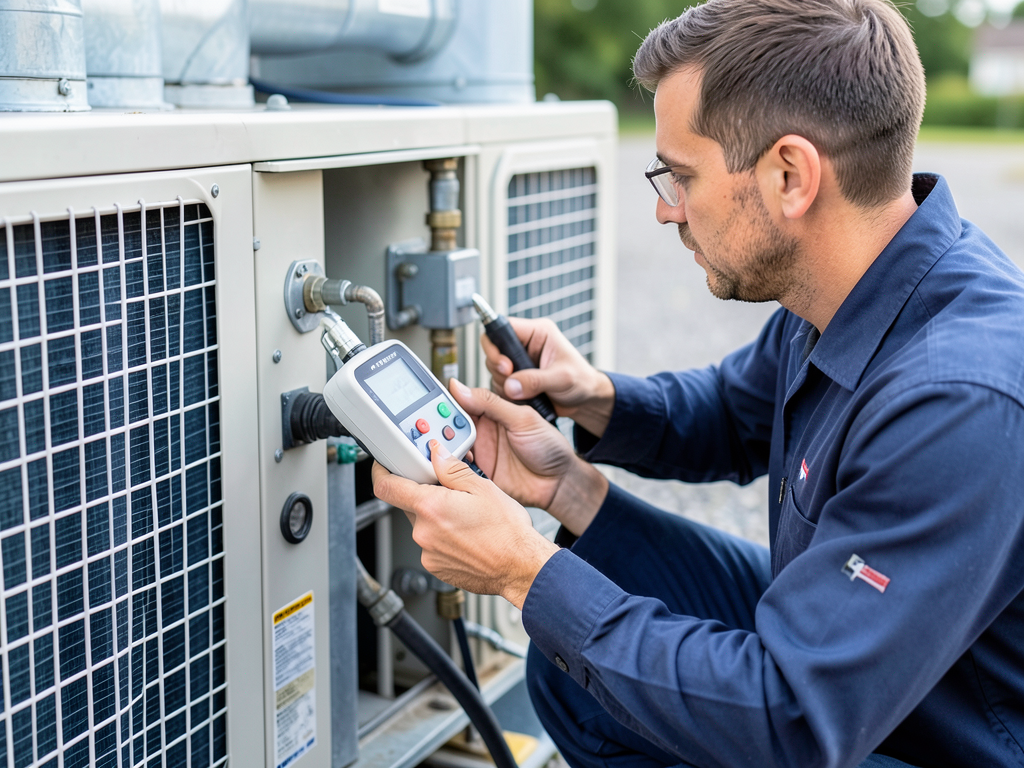
What to look for in an HVAC system when buying a home in Virginia Park
When buying a home in Virginia Park the HVAC system can make or break your comfort and budget. Florida’s extreme humidity and year-round heat put unique stress on air conditioning units. Before signing on the dotted line you need to know what red flags to watch for. This guide breaks down the exact things to check so you can avoid expensive surprises after moving in. Florida Building Code HVAC requirements.
Why Virginia Park HVAC Systems Face Unique Challenges
Virginia Park homes sit in a zone where salty Gulf breezes meet high humidity. That combination accelerates corrosion on outdoor condenser coils and can clog drain lines with algae growth. Many houses here were built in the 1970s and 1980s meaning systems may be near the end of their 12- to 15-year lifespan in this climate. Checking the installation date and maintenance history is critical.. Read more about Financing Your New HVAC System with Low Monthly Payments in Greater Northdale.
Another local factor is the sandy soil common in Hillsborough County. If the concrete pad under the outdoor unit has shifted even slightly it can strain refrigerant lines and cause leaks. Look for signs of tilting or rust streaks running down the unit’s side.
[IMAGE_PLACEHOLDER_1: Close-up of corroded aluminum fins on a coastal condenser coil showing white salt deposits and pitting]
Red Flags to Spot During Your Walk-Through
Start with the thermostat. If it is an old dial model or a basic digital unit without programmable features it likely predates modern energy standards. That can mean higher cooling costs. Next check the air handler inside. A musty smell often signals mold in the evaporator coil or ductwork—common when humidity stays above 60 percent for long periods.
Outside listen for unusual noises. A grinding or squealing sound points to failing bearings in the fan motor. Hissing could mean a refrigerant leak. If the unit short-cycles—turning on and off rapidly—it may be low on charge or have a faulty compressor. These issues can cost $1,500 to $3,000 to repair. EPA mold remediation guidelines.
Inspect the condensate drain line. If it is PVC and you see green or black buildup near the connection it is already growing algae. In Florida that growth can block the line in as little as six months causing water damage inside the home.
Key Components to Verify
Age and condition of the compressor matter most. Compressors in coastal areas often fail at 8 to 10 years due to salt-air corrosion. Ask the seller for the unit’s model number and check the manufacture date online. If it is over a decade old budget for replacement soon.
Check the evaporator coil for ice buildup or heavy dust. A dirty coil reduces efficiency by up to 30 percent and raises electric bills. Also inspect ductwork if accessible. Tears or disconnected joints leak cooled air into the attic wasting energy.. Read more about Do solar attic fans really help your air conditioner cool a Citrus Park home.
Look at the air filter. If it is clogged with dust the system has not been maintained. Neglect often means other hidden problems like low refrigerant or a failing capacitor.
Professional HVAC Inspection Must-Haves
A basic home inspection often only runs the system for a few minutes. For Florida homes you need a deeper check. A licensed HVAC technician should measure superheat and subcooling to confirm the refrigerant charge is correct. Low charge means the system has been leaking and will fail soon.
The tech should also test static pressure across the air handler. High static pressure indicates a dirty coil or undersized ductwork. Both reduce cooling and can cause the blower motor to overheat.
Ask for a combustion analysis if the home has a gas furnace. Even in Florida a failed heat exchanger can leak carbon monoxide. This test is quick but often skipped in basic inspections.
[IMAGE_PLACEHOLDER_2: Technician using a digital manifold gauge set to measure refrigerant pressures on an outdoor condenser unit]
Cost Considerations for Virginia Park Buyers
Replacing an HVAC system in Virginia Park typically costs $4,500 to $7,500 depending on size and efficiency. High-SEER2 units save about 20 percent on cooling costs but have a higher upfront price. If the current system is over 12 years old getting a replacement quote during negotiations can save you thousands. Getting Your AC Fixed Fast in South Tampa When It Quits Mid-Summer.
Repairs vary widely. A capacitor replacement runs $150 to $300. Fixing a refrigerant leak can cost $500 to $1,200 plus the price of new refrigerant. If the compressor fails you are often better off replacing the whole unit.
Factor in potential mold remediation. If the evaporator coil or ducts have heavy mold growth cleaning can cost $1,000 to $2,500. Ignoring it risks health issues and recurring odors. Troubleshooting AC Issues.
Negotiation Tips for HVAC Issues
If the inspection reveals problems you have leverage. For a system over 10 years old ask for a repair credit or price reduction equal to the replacement cost minus the expected remaining life. For example if replacement is $6,000 and the unit has two years left ask for $5,000 off.
For minor issues like a clogged drain line or dirty coil request the seller fix them before closing. These repairs cost under $300 and can prevent immediate headaches.
Always get repair estimates in writing. Some sellers will agree to a credit instead of making repairs. That gives you control over who does the work.
Final HVAC Walk-Through Checklist
- Verify thermostat type and functionality
- Check for unusual noises from indoor and outdoor units
- Inspect the condenser coil for corrosion and dirt
- Test the condensate drain for algae buildup
- Ask for the system’s age and maintenance records
- Smell for musty odors near vents
- Confirm all vents blow cold air consistently
- Look for rust streaks or tilting of the outdoor unit
Protect Your Investment with a Pre-Purchase HVAC Inspection
Skipping an HVAC check can cost you thousands after moving in. In Virginia Park the combination of salt air high humidity and aging systems makes a professional inspection essential. A licensed technician can spot hidden issues that a basic home inspector might miss.
Don’t wait until the first heatwave to discover your AC is failing. Call (656) 237-5377 today to schedule a pre-purchase HVAC inspection and buy your Virginia Park home with confidence.
[IMAGE_PLACEHOLDER_3: Before and after comparison of a cleaned evaporator coil showing heavy dust buildup removed to reveal clean aluminum fins]
Frequently Asked Questions
How long do HVAC systems last in Florida’s climate?
In coastal areas like Virginia Park expect 8 to 12 years for most systems due to salt-air corrosion and constant humidity. Inland homes may reach 15 years with good maintenance.
What does a pre-purchase HVAC inspection include?
It checks refrigerant levels electrical components thermostat function and inspects the coil and drain line. A technician also looks for signs of mold corrosion and airflow issues that could indicate bigger problems.
Should I replace an old system before selling my home?
If the unit is over 12 years old replacing it can make your home more attractive and avoid negotiation headaches. New buyers often ask for credits if the HVAC is outdated.
You may also find this helpful. How to tell if your Plant City air conditioner is finally on its last legs.
You may also find this helpful. Finding a Reliable Mobile Home AC Replacement Specialist in Ruskin.
You may also find this helpful. Installing a Ductless Mini-Split to Finally Finish Your Sunroom in Fish Hawk.
You may also find this helpful. Why an Upstairs AC Unit in New Tampa Struggles to Keep You Cool.
You may also find this helpful. Steps every South Tampa homeowner should take to protect their AC before a hurricane.
You may also find this helpful. Why some homeowners in Northdale still prefer a gas furnace over a heat pump.
You may also find this helpful. Why your Brandon home feels sticky even when the air conditioner is running.
{
“@context”: “https://schema.org”,
“@type”: “BlogPosting”,
“headline”: “What to look for in an HVAC system when buying a home in Virginia Park”,
“description”: “Buying a home in Virginia Park? Learn the critical HVAC warning signs to check before closing, from humidity issues to salt-air corrosion, and protect your investment.”,
“wordCount”: 1180,
“datePublished”: “2026-04-08T06:50:00.000Z”,
“dateModified”: “2026-04-08T06:50:00.000Z”,
“inLanguage”: “en-US”,
“mainEntityOfPage”: {
“@type”: “WebPage”,
“@id”: “https://peakhvactampa.com”
},
“publisher”: {
“@type”: “LocalBusiness”,
“name”: “Peak HVAC Tampa”,
“url”: “https://peakhvactampa.com”
},
“author”: {
“@type”: “Organization”,
“name”: “Peak HVAC Tampa”,
“url”: “https://peakhvactampa.com”
},
“image”: {
“@type”: “ImageObject”,
“url”: “https://peakhvactampa.com/wp-content/uploads/2026/03/what-to-look-for-in-an-hvac-system-when-buying-a-h-1.png”
}
}
{
“@context”: “https://schema.org”,
“@type”: “HVACBusiness”,
“name”: “Peak HVAC Tampa”,
“url”: “https://peakhvactampa.com”,
“address”: {
“@type”: “PostalAddress”,
“addressLocality”: “Tampa”
},
“areaServed”: {
“@type”: “City”,
“name”: “Tampa”
}
}
{
“@context”: “https://schema.org”,
“@type”: “FAQPage”,
“mainEntity”: [
{
“@type”: “Question”,
“name”: “How long do HVAC systems last in Florida’s climate?”,
“acceptedAnswer”: {
“@type”: “Answer”,
“text”: “In coastal areas like Virginia Park expect 8 to 12 years for most systems due to salt-air corrosion and constant humidity. Inland homes may reach 15 years with good maintenance.”
}
},
{
“@type”: “Question”,
“name”: “What does a pre-purchase HVAC inspection include?”,
“acceptedAnswer”: {
“@type”: “Answer”,
“text”: “It checks refrigerant levels electrical components thermostat function and inspects the coil and drain line. A technician also looks for signs of mold corrosion and airflow issues that could indicate bigger problems.”
}
},
{
“@type”: “Question”,
“name”: “Should I replace an old system before selling my home?”,
“acceptedAnswer”: {
“@type”: “Answer”,
“text”: “If the unit is over 12 years old replacing it can make your home more attractive and avoid negotiation headaches. New buyers often ask for credits if the HVAC is outdated.”
}
}
]
}
{
“@context”: “https://schema.org”,
“@type”: “BreadcrumbList”,
“itemListElement”: [
{
“@type”: “ListItem”,
“position”: 1,
“name”: “Home”,
“item”: “https://peakhvactampa.com”
},
{
“@type”: “ListItem”,
“position”: 2,
“name”: “Blog”,
“item”: “https://peakhvactampa.com/blog”
},
{
“@type”: “ListItem”,
“position”: 3,
“name”: “What to look for in an HVAC system when buying a home in Virginia Park”
}
]
}
{
“@context”: “https://schema.org”,
“@type”: “Service”,
“serviceType”: “HVAC”,
“provider”: {
“@type”: “LocalBusiness”,
“name”: “Peak HVAC Tampa”,
“url”: “https://peakhvactampa.com”
},
“areaServed”: {
“@type”: “City”,
“name”: “Tampa”
},
“description”: “Buying a home in Virginia Park? Learn the critical HVAC warning signs to check before closing, from humidity issues to salt-air corrosion, and protect your investment.”
}