
Why some homeowners in Northdale still prefer a gas furnace over a heat pump
In Tampa’s subtropical climate where winters rarely dip below freezing, heat pumps dominate new installations because they provide efficient cooling and heating in one system. However, some Northdale homeowners still choose gas furnaces for specific reasons tied to existing infrastructure, comfort preferences, and utility availability. The choice isn’t always about which system is objectively better, but rather which fits your home’s current setup and your personal comfort needs. How to Choose the Right New Air Conditioner for Your Westchase Home.
Northdale’s mix of mid-century ranch homes and newer developments means some properties already have natural gas lines from TECO Peoples Gas, while others are all-electric. This infrastructure reality often drives the initial decision. Beyond that, factors like the type of heat you prefer, your utility rates, and whether you want a hybrid system all play important roles in the final choice. TECO Energy rebate programs.
Heat Pumps in Tampa: Pros and Cons
Heat pumps work by transferring heat rather than generating it, making them highly efficient for Tampa’s mild winters. Modern units with SEER2 ratings of 16+ and HSPF2 ratings above 8.5 provide excellent cooling performance while handling the occasional cold snap. The dehumidification capability is particularly valuable in our humid climate, as variable-speed compressors can remove moisture without overcooling your home.. Read more about Crucial questions to ask a Tampa HVAC contractor before you agree to a replacement.
The main advantages include lower operating costs since electricity is generally cheaper than natural gas in Florida, simplified maintenance with one system instead of two, and eligibility for federal tax credits under the Inflation Reduction Act’s 25C provision. Heat pumps also eliminate combustion risks and don’t require venting through your roof.
However, heat pumps produce air that feels cooler than body temperature, around 85-95 degrees Fahrenheit, which some people find less comfortable than the 120-140 degree air from gas furnaces. During extended cold periods, which are rare but do occur in Tampa, heat pumps work harder and efficiency drops. The outdoor units are also more vulnerable to lightning strikes and salt-air corrosion in coastal areas.
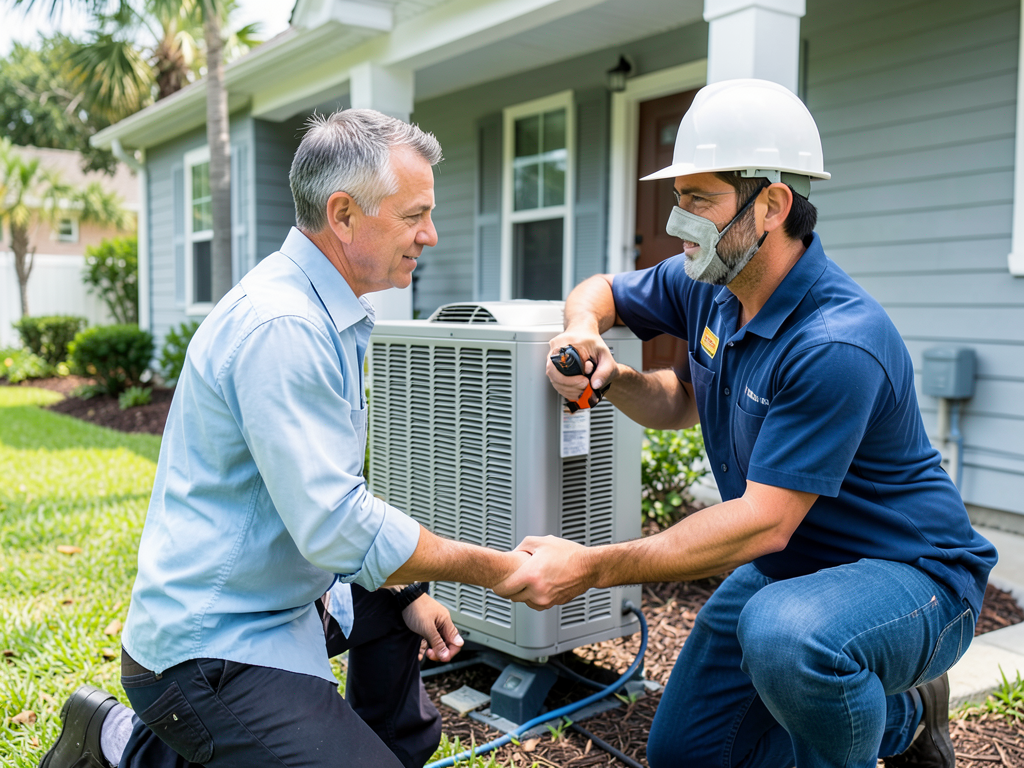
Diagram showing heat pump operation cycle with SEER2 and HSPF2 rating labels
Gas Furnaces in Tampa: When do they make sense?
Gas furnaces remain popular in Northdale for several practical reasons. First, if your home already has a gas line, the installation cost is significantly lower since you don’t need to add electrical infrastructure for a heat pump. Second, the type of heat matters to many people – gas furnaces produce air that feels noticeably warmer, often described as a “cozier” heat that some find more comfortable during the few cold nights we experience.
Existing gas infrastructure in older Northdale neighborhoods means many homes were built with gas lines for water heaters and stoves. Adding a gas furnace to an existing system is straightforward and often costs $1,500-2,500 less than installing a complete heat pump system with new electrical service. The familiarity factor also matters – many homeowners simply prefer the proven reliability of gas heating technology they’ve used for decades. Who to Call for 24-Hour AC Service in New Tampa When the Temperature Starts Climbing.
The downside is that gas furnaces only provide heating, so you still need a separate air conditioning system. This means higher total installation costs if starting from scratch, and you’re dependent on two different systems for year-round comfort. Gas prices can also fluctuate more than electricity rates, potentially affecting long-term operating costs.
Cost Comparison Table
| Factor | Heat Pump | Gas Furnace + AC |
|---|---|---|
| Installation Cost | $5,500-9,000 | $4,000-7,000 (plus $3,500-5,000 for AC) |
| Monthly Operating Cost | $80-120 (heating season) | $100-150 (heating season) |
| Maintenance Requirements | Annual check, filter changes | Annual check for each system |
| Lifespan in Tampa Humidity | 12-15 years | 15-20 years (furnace only) |
| Space Requirements | One outdoor unit | Outdoor AC unit + furnace space |
Local Utility Analysis (TECO vs. Duke Energy)
Your utility provider significantly impacts the cost comparison between gas and electric heating. TECO Peoples Gas serves most of Hillsborough County including Northdale, while Duke Energy provides electricity to the same areas. Current rates show electricity at approximately $0.14 per kWh and natural gas around $1.50 per therm. Energy Star heat pump efficiency ratings.
For a typical winter month with 30 heating days, a heat pump might use 600-800 kWh, costing $84-112. A gas furnace using 40-60 therms would cost $60-90 for the same period. However, heat pumps provide cooling during summer, potentially saving $40-60 monthly on air conditioning compared to separate systems.
TECO offers rebates for high-efficiency heat pumps with SEER2 ratings above 16, currently providing up to $300 for qualifying systems. Duke Energy’s energy efficiency programs sometimes include heat pump rebates as well. These incentives can offset the higher initial cost of heat pump installation, making the long-term economics more favorable.
The Hybrid Option: Dual Fuel Systems
Dual fuel systems combine a heat pump with a gas furnace backup, automatically switching between the two based on outdoor temperatures and efficiency. In Tampa’s climate, the heat pump handles most heating needs, but the gas furnace provides backup during unusually cold periods or when electricity rates spike.
This setup offers the best of both worlds – the efficiency and cooling benefits of a heat pump with the comfort and reliability of gas heat when needed. The system typically switches at around 35-40 degrees Fahrenheit, though this threshold can be adjusted. For Northdale homeowners who want flexibility and maximum efficiency, dual fuel represents a compelling middle ground. Why Most Carrollwood Homeowners Choose Local HVAC Experts Over Big Box Brands.
The main drawback is higher upfront cost – expect to pay $7,000-11,000 for a complete dual fuel system. However, the improved efficiency and comfort can justify the investment, especially in homes with existing gas infrastructure where the furnace portion of the installation is already partially complete.
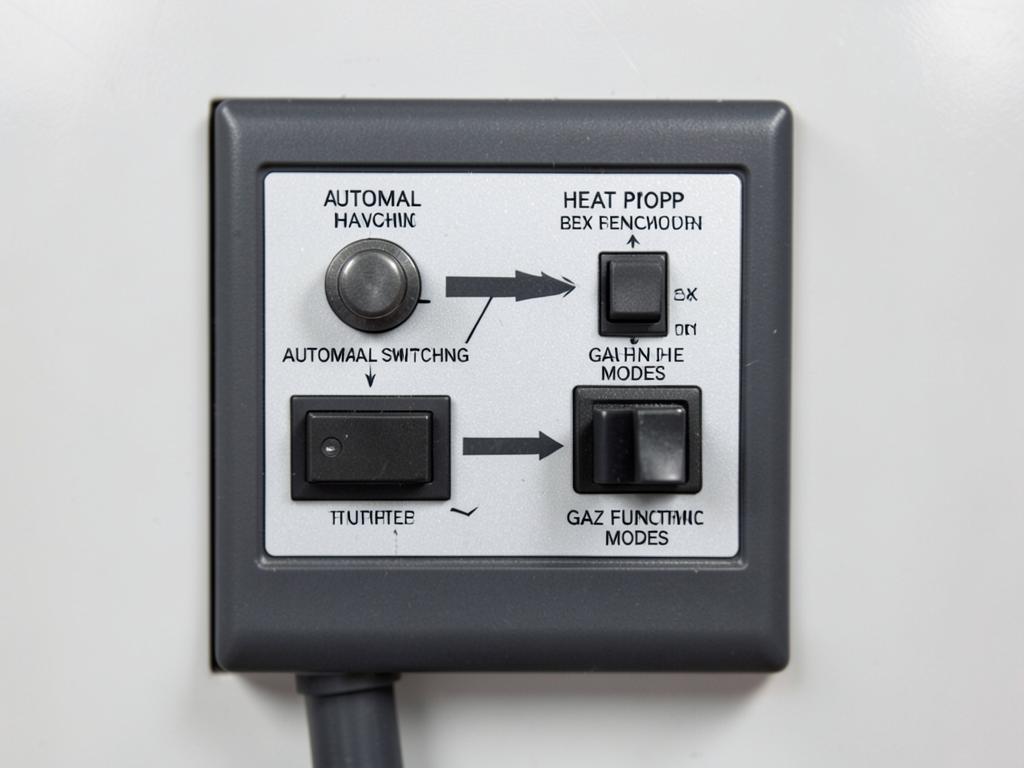
Photo of dual fuel HVAC system control panel showing automatic switching between heat pump and gas furnace
Final Verdict & Selection Checklist
Choose a heat pump if you want one system for both heating and cooling, prefer lower maintenance, have no existing gas lines, want federal tax credits, and value the dehumidification benefits for Tampa’s humid climate. Heat pumps make the most sense for new construction or when replacing an aging AC system.
Choose a gas furnace if you already have gas lines installed, prefer the feel of warmer air, want potentially lower heating costs depending on utility rates, and don’t mind maintaining separate heating and cooling systems. Gas furnaces are often the better choice for quick replacements when the existing gas infrastructure is already in place.
Consider a dual fuel system if you want maximum flexibility, have existing gas lines but also want efficient cooling, and are willing to invest more upfront for long-term efficiency and comfort. This option works well for Northdale homes where both utility types are available.
The decision ultimately comes down to your specific situation – existing infrastructure, comfort preferences, and long-term cost considerations. Many Northdale homeowners find that their choice is driven more by what’s already in their home than by which technology is objectively “better.”
Call (656) 237-5377 today to schedule your inspection and get personalized recommendations for your Northdale home. Our technicians will evaluate your current system, utility availability, and comfort needs to help you make the right choice between gas furnace and heat pump options.
Frequently Asked Questions
Which is cheaper to operate in Tampa – gas or electric heat?
Heat pumps typically cost less to operate in Tampa’s mild climate, with monthly heating costs around $80-120 versus $100-150 for gas furnaces. However, actual costs depend on your specific utility rates and how often you use heating.
Do heat pumps work well during Tampa’s occasional cold snaps?
Yes, modern heat pumps function effectively down to about 25-30 degrees Fahrenheit. During rare extended cold periods, they may run longer but still provide adequate heating. Some homeowners keep space heaters as backup for extreme cases.
Can I switch from a gas furnace to a heat pump without major modifications?
Switching requires removing the gas furnace and potentially upgrading electrical service, which can cost $1,500-3,000 in modifications. If you have existing ductwork in good condition, the indoor air handler installation is straightforward.
What’s the lifespan difference between heat pumps and gas furnaces in Tampa?
Heat pumps typically last 12-15 years in Tampa’s humid climate, while gas furnaces often reach 15-20 years. The outdoor condenser unit on heat pumps is more exposed to salt air and lightning, which can reduce longevity compared to indoor gas furnaces.
Are there tax credits available for heat pump installations in Florida?
Yes, the federal 25C tax credit allows homeowners to claim 30% of installation costs up to $2,000 for qualifying heat pumps. Many Florida utilities also offer rebates for high-efficiency systems with SEER2 ratings above 16.
{
“@context”: “https://schema.org”,
“@type”: “BlogPosting”,
“headline”: “Why some homeowners in Northdale still prefer a gas furnace over a heat pump”,
“description”: “Confused about gas furnaces vs heat pumps in Tampa? Learn why some Northdale homeowners stick with gas despite Florida’s heat. Expert comparison with local utility data.”,
“wordCount”: 1461,
“datePublished”: “2026-05-05T11:53:00.000Z”,
“dateModified”: “2026-05-05T11:53:00.000Z”,
“inLanguage”: “en-US”,
“mainEntityOfPage”: {
“@type”: “WebPage”,
“@id”: “https://peakhvactampa.com”
},
“publisher”: {
“@type”: “LocalBusiness”,
“name”: “Peak HVAC Tampa”,
“url”: “https://peakhvactampa.com”
},
“author”: {
“@type”: “Organization”,
“name”: “Peak HVAC Tampa”,
“url”: “https://peakhvactampa.com”
},
“image”: {
“@type”: “ImageObject”,
“url”: “https://peakhvactampa.com/wp-content/uploads/2026/03/why-some-homeowners-in-northdale-still-prefer-a-ga-1.png”
}
}
{
“@context”: “https://schema.org”,
“@type”: “HVACBusiness”,
“name”: “Peak HVAC Tampa”,
“url”: “https://peakhvactampa.com”,
“address”: {
“@type”: “PostalAddress”,
“addressLocality”: “Tampa”
},
“areaServed”: {
“@type”: “City”,
“name”: “Tampa”
}
}
{
“@context”: “https://schema.org”,
“@type”: “FAQPage”,
“mainEntity”: [
{
“@type”: “Question”,
“name”: “Gas Furnaces in Tampa: When do they make sense?”,
“acceptedAnswer”: {
“@type”: “Answer”,
“text”: “Gas furnaces remain popular in Northdale for several practical reasons. First, if your home already has a gas line, the installation cost is significantly lower since you don’t need to add electrical infrastructure for a heat pump. Second, the type of heat matters to many people – gas furnaces produce air that feels noticeably warmer, often described as a \”cozier\” heat that some find more comfortable during the few cold nights we experience.”
}
},
{
“@type”: “Question”,
“name”: “Which is cheaper to operate in Tampa – gas or electric heat?”,
“acceptedAnswer”: {
“@type”: “Answer”,
“text”: “Heat pumps typically cost less to operate in Tampa’s mild climate, with monthly heating costs around $80-120 versus $100-150 for gas furnaces. However, actual costs depend on your specific utility rates and how often you use heating.”
}
},
{
“@type”: “Question”,
“name”: “Do heat pumps work well during Tampa’s occasional cold snaps?”,
“acceptedAnswer”: {
“@type”: “Answer”,
“text”: “Yes, modern heat pumps function effectively down to about 25-30 degrees Fahrenheit. During rare extended cold periods, they may run longer but still provide adequate heating. Some homeowners keep space heaters as backup for extreme cases.”
}
},
{
“@type”: “Question”,
“name”: “Can I switch from a gas furnace to a heat pump without major modifications?”,
“acceptedAnswer”: {
“@type”: “Answer”,
“text”: “Switching requires removing the gas furnace and potentially upgrading electrical service, which can cost $1,500-3,000 in modifications. If you have existing ductwork in good condition, the indoor air handler installation is straightforward.”
}
},
{
“@type”: “Question”,
“name”: “What’s the lifespan difference between heat pumps and gas furnaces in Tampa?”,
“acceptedAnswer”: {
“@type”: “Answer”,
“text”: “Heat pumps typically last 12-15 years in Tampa’s humid climate, while gas furnaces often reach 15-20 years. The outdoor condenser unit on heat pumps is more exposed to salt air and lightning, which can reduce longevity compared to indoor gas furnaces.”
}
},
{
“@type”: “Question”,
“name”: “Are there tax credits available for heat pump installations in Florida?”,
“acceptedAnswer”: {
“@type”: “Answer”,
“text”: “Yes, the federal 25C tax credit allows homeowners to claim 30% of installation costs up to $2,000 for qualifying heat pumps. Many Florida utilities also offer rebates for high-efficiency systems with SEER2 ratings above 16.”
}
}
]
}
{
“@context”: “https://schema.org”,
“@type”: “BreadcrumbList”,
“itemListElement”: [
{
“@type”: “ListItem”,
“position”: 1,
“name”: “Home”,
“item”: “https://peakhvactampa.com”
},
{
“@type”: “ListItem”,
“position”: 2,
“name”: “Blog”,
“item”: “https://peakhvactampa.com/blog”
},
{
“@type”: “ListItem”,
“position”: 3,
“name”: “Why some homeowners in Northdale still prefer a gas furnace over a heat pump”
}
]
}
{
“@context”: “https://schema.org”,
“@type”: “Service”,
“serviceType”: “HVAC”,
“provider”: {
“@type”: “LocalBusiness”,
“name”: “Peak HVAC Tampa”,
“url”: “https://peakhvactampa.com”
},
“areaServed”: {
“@type”: “City”,
“name”: “Tampa”
},
“description”: “Confused about gas furnaces vs heat pumps in Tampa? Learn why some Northdale homeowners stick with gas despite Florida’s heat. Expert comparison with local utility data.”
}