
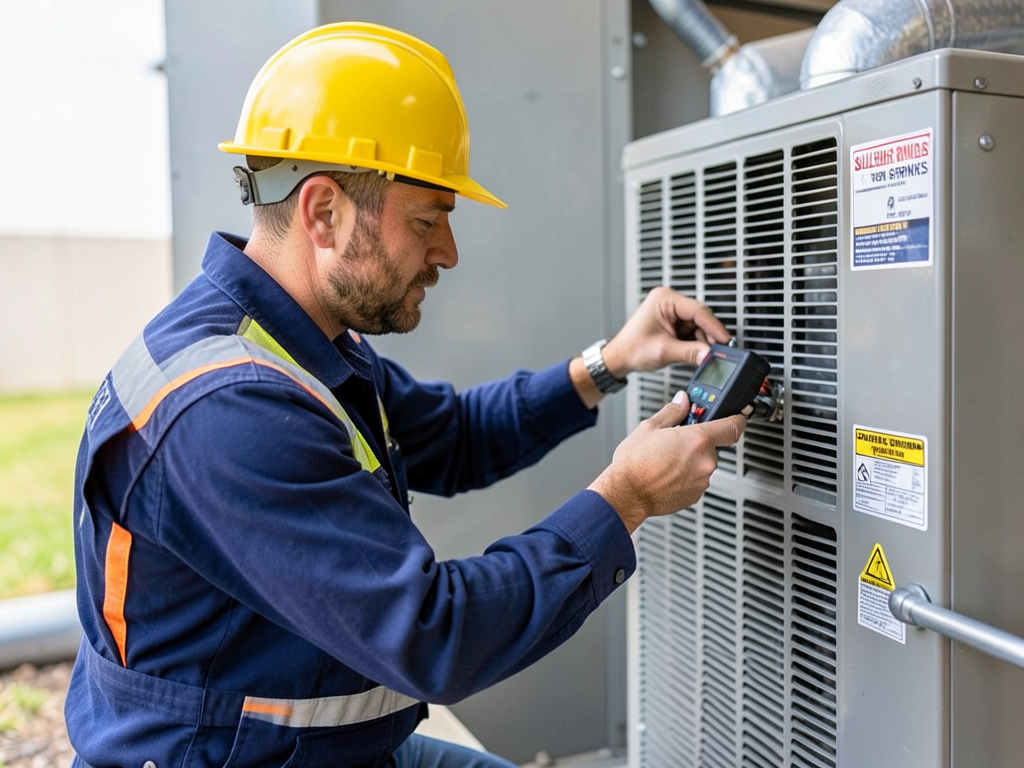
Three HVAC repairs you should never try to DIY in your Sulphur Springs home
Living in Sulphur Springs means dealing with Tampa’s brutal heat and humidity. When your AC stops working the temptation to fix it yourself can be strong. But three specific HVAC repairs carry serious risks that could cost you far more than a service call. High-voltage capacitors can store lethal energy even when the system is off. Handling refrigerant without EPA Section 608 certification is illegal and carries fines up to $37,500. And most manufacturers void warranties if unlicensed work damages components. Before you grab your toolbox understand why these repairs demand professional expertise from a licensed Tampa HVAC contractor. Who to Call for 24-Hour AC Service in New Tampa When the Temperature Starts Climbing.
The hidden dangers of DIY AC repair
DIY projects can save money on simple tasks like changing air filters or clearing debris from around your outdoor unit. But modern HVAC systems contain pressurized chemicals high-voltage components and complex electronics that require specialized training. A single mistake can lead to electrical shock refrigerant leaks or complete system failure. In Sulphur Springs where homes often feature mid-century construction with aging ductwork the risks multiply. Salt air from nearby waterways accelerates corrosion on electrical connections. High humidity creates perfect conditions for mold growth if condensate lines are improperly handled. These local factors make professional diagnosis and repair essential for safety and long-term system health. HVAC Spring Hill.
1. Electrical repairs: The capacitor hazard
Capacitors store electrical energy even when the power is disconnected. A typical dual-run capacitor in a Sulphur Springs home operates at 370-440 volts and can retain a dangerous charge for up to 30 minutes after shutdown. Touching the terminals without proper discharge procedures can cause severe burns cardiac arrest or death. Many DIYers don’t realize that capacitors continue storing energy after the system powers down. The visual warning signs are subtle bulging casing oil residue or slight corrosion around terminals. A trained technician uses a multimeter to verify discharge and specialized tools to handle replacement safely. In Florida’s lightning-prone climate power surges frequently damage capacitors making professional inspection critical after storms.
2. Refrigerant handling: EPA violations and environmental damage
Handling refrigerant without proper certification violates EPA Section 608 of the Clean Air Act. This federal law requires technicians to pass exams demonstrating knowledge of refrigerant recovery recycling and safe handling procedures. R-410A the standard refrigerant in modern units operates at pressures up to 600 PSI. A single loose connection can release refrigerant into the atmosphere causing both environmental harm and potential fines of $37,500 per violation. Sulphur Springs homes built before 2010 may still use R-22 which is being phased out due to ozone depletion concerns. DIY attempts to recharge systems often result in overcharging which reduces efficiency and can cause compressor failure. Professional technicians use digital manifold gauges and vacuum pumps to ensure proper charge levels and system integrity.. Read more about How to find out if your Westchase air conditioner is still under manufacturer warranty.
3. Warranty violations: The hidden financial trap
Most HVAC manufacturers require professional installation and maintenance to honor warranty claims. Carrier Trane and Lennox all specify that unlicensed work voids coverage for parts and labor. A DIY repair that damages a compressor or control board can turn a $200 service call into a $3,000 replacement bill. Manufacturers track service history through diagnostic logs and serial number registration. If they detect unlicensed modifications they deny claims even for unrelated failures. In Sulphur Springs where many homes have 10-15 year old systems warranty coverage remains valuable for expensive components like heat exchangers and compressors. Professional maintenance also includes performance testing that catches developing issues before they cause catastrophic failure during Tampa’s peak cooling season. Troubleshooting AC Issues.
Tampa-specific challenges that complicate DIY repairs
Sulphur Springs sits in a unique microclimate where several factors increase repair complexity. The area’s high water table means outdoor units often sit in damp soil accelerating electrical component corrosion. Salt air from Tampa Bay penetrates condenser coils and electrical panels causing premature failure of connections and contacts. Florida’s Building Code requires specific hurricane tie-down straps for outdoor units in wind zones which many DIYers overlook. The region’s extreme humidity often above 80% means condensate drain systems must handle massive water volumes. Improper installation causes overflow leading to ceiling damage and mold growth within 24-48 hours. These conditions demand diagnostic tools like thermal imaging cameras and humidity sensors that most homeowners don’t own. Why Most Carrollwood Homeowners Choose Local HVAC Experts Over Big Box Brands.
When DIY is safe: Basic maintenance tasks
Some HVAC tasks remain perfectly safe for homeowners. Changing air filters monthly improves efficiency and indoor air quality. Keeping the outdoor condenser clear of leaves grass clippings and debris maintains proper airflow. Pouring a cup of white vinegar down condensate drain lines every few months prevents algae buildup. Checking thermostat batteries and settings takes seconds but prevents unnecessary service calls. These simple steps can extend system life and improve performance. However if your system makes unusual noises blows warm air or cycles erratically these symptoms indicate problems requiring professional diagnosis. Sulphur Springs’ aging housing stock often has undersized ductwork or inadequate return air pathways that create pressure imbalances affecting system performance.. Read more about Simple HVAC safety checks every Tampa Heights family should perform.
Cost comparison: DIY vs. professional repair
| Repair Type | DIY Attempt Cost | Professional Repair Cost | Potential Additional Costs |
|---|---|---|---|
| Capacitor Replacement | $30-50 (part only) | $150-250 (parts + labor) | $500-2,000 if electrical damage occurs |
| Refrigerant Recharge | $50-100 (illegal online purchase) | $250-600 (certified service) | $2,000-5,000 if compressor burns out |
| Thermostat Wiring | $80-150 (part only) | $200-400 (parts + labor) | $1,500-3,000 if control board fails |
Professional vs DIY: Key differences
| Aspect | Professional Service | DIY Attempt |
|---|---|---|
| Safety Equipment | Insulated tools voltage detectors discharge wands | Basic hand tools only |
| Diagnostic Tools | Digital manifolds thermal cameras combustion analyzers | Visual inspection only |
| Code Compliance | Florida Building Code certified permits pulled | Often violates local codes |
| Warranty Protection | Manufacturer warranty maintained | Warranty voided immediately |
| Long-term Cost | Preventative maintenance extends system life | Often causes premature failure |
Frequently Asked Questions
Can I replace my AC capacitor myself if I’m careful?
No. Even with power disconnected capacitors store lethal voltage for up to 30 minutes. Florida’s Building Code requires licensed electricians for high-voltage work. The risk of severe injury or death far outweighs potential savings.
Is it illegal to buy refrigerant online and recharge my system?
Yes. EPA Section 608 certification is required to purchase and handle regulated refrigerants. Online sales to unlicensed individuals violate federal law. Additionally improper charging techniques often damage compressors creating expensive repairs.
Will my homeowner’s insurance cover DIY HVAC damage?
Most policies exclude coverage for damage caused by unlicensed work. If a DIY repair causes a fire or water damage your claim may be denied. Insurance companies require proof of professional licensing for major system repairs.
How can I tell if my system needs professional repair?
Signs include unusual noises warm air from vents short cycling ice on coils or burning smells. These symptoms indicate electrical refrigerant or mechanical problems requiring specialized diagnostic equipment and EPA-certified technicians.
Call (656) 237-5377 before attempting dangerous DIY repairs
Don’t risk electrical shock EPA fines or voided warranties trying to fix complex HVAC problems yourself. Sulphur Springs homes face unique challenges from salt air corrosion to high humidity that demand professional expertise. Peak HVAC’s licensed technicians carry EPA Section 608 certification and understand Florida’s specific building requirements. We diagnose problems accurately the first time preventing costly mistakes and ensuring your system operates safely and efficiently. Call (656) 237-5377 today to schedule your inspection before the next heatwave hits. Your safety and comfort are worth the professional investment.
Peak HVAC serves Sulphur Springs and all of Tampa with 24/7 emergency service. Our technicians arrive fully equipped to handle any repair from capacitor replacement to complete system diagnostics. Don’t wait until your system fails completely call (656) 237-5377 now for fast reliable service you can trust.
You may also find this helpful. Why your Carrollwood Village furnace might be making a clicking sound this winter.
You may also find this helpful. Finding a Reliable Mobile Home AC Replacement Specialist in Ruskin.
You may also find this helpful. Why you should get a second opinion before replacing your AC in Carrollwood.
{
“@context”: “https://schema.org”,
“@type”: “BlogPosting”,
“headline”: “Three HVAC repairs you should never try to DIY in your Sulphur Springs home”,
“description”: “Learn why three dangerous HVAC repairs require professional expertise in Sulphur Springs. Protect your home from electrical hazards, EPA violations, and warranty voids.”,
“wordCount”: 1305,
“datePublished”: “2026-04-11T10:06:00.000Z”,
“dateModified”: “2026-04-11T10:06:00.000Z”,
“inLanguage”: “en-US”,
“mainEntityOfPage”: {
“@type”: “WebPage”,
“@id”: “https://peakhvactampa.com”
},
“publisher”: {
“@type”: “LocalBusiness”,
“name”: “Peak HVAC Tampa”,
“url”: “https://peakhvactampa.com”
},
“author”: {
“@type”: “Organization”,
“name”: “Peak HVAC Tampa”,
“url”: “https://peakhvactampa.com”
},
“image”: {
“@type”: “ImageObject”,
“url”: “https://peakhvactampa.com/wp-content/uploads/2026/03/three-hvac-repairs-you-should-never-try-to-diy-in-1.png”
}
}
{
“@context”: “https://schema.org”,
“@type”: “HVACBusiness”,
“name”: “Peak HVAC Tampa”,
“url”: “https://peakhvactampa.com”,
“address”: {
“@type”: “PostalAddress”,
“addressLocality”: “Tampa”
},
“areaServed”: {
“@type”: “City”,
“name”: “Tampa”
}
}
{
“@context”: “https://schema.org”,
“@type”: “FAQPage”,
“mainEntity”: [
{
“@type”: “Question”,
“name”: “Can I replace my AC capacitor myself if I’m careful?”,
“acceptedAnswer”: {
“@type”: “Answer”,
“text”: “No. Even with power disconnected capacitors store lethal voltage for up to 30 minutes. Florida’s Building Code requires licensed electricians for high-voltage work. The risk of severe injury or death far outweighs potential savings.”
}
},
{
“@type”: “Question”,
“name”: “Is it illegal to buy refrigerant online and recharge my system?”,
“acceptedAnswer”: {
“@type”: “Answer”,
“text”: “Yes. EPA Section 608 certification is required to purchase and handle regulated refrigerants. Online sales to unlicensed individuals violate federal law. Additionally improper charging techniques often damage compressors creating expensive repairs.”
}
},
{
“@type”: “Question”,
“name”: “Will my homeowner’s insurance cover DIY HVAC damage?”,
“acceptedAnswer”: {
“@type”: “Answer”,
“text”: “Most policies exclude coverage for damage caused by unlicensed work. If a DIY repair causes a fire or water damage your claim may be denied. Insurance companies require proof of professional licensing for major system repairs.”
}
},
{
“@type”: “Question”,
“name”: “How can I tell if my system needs professional repair?”,
“acceptedAnswer”: {
“@type”: “Answer”,
“text”: “Signs include unusual noises warm air from vents short cycling ice on coils or burning smells. These symptoms indicate electrical refrigerant or mechanical problems requiring specialized diagnostic equipment and EPA-certified technicians.”
}
}
]
}
{
“@context”: “https://schema.org”,
“@type”: “BreadcrumbList”,
“itemListElement”: [
{
“@type”: “ListItem”,
“position”: 1,
“name”: “Home”,
“item”: “https://peakhvactampa.com”
},
{
“@type”: “ListItem”,
“position”: 2,
“name”: “Blog”,
“item”: “https://peakhvactampa.com/blog”
},
{
“@type”: “ListItem”,
“position”: 3,
“name”: “Three HVAC repairs you should never try to DIY in your Sulphur Springs home”
}
]
}
{
“@context”: “https://schema.org”,
“@type”: “Service”,
“serviceType”: “HVAC”,
“provider”: {
“@type”: “LocalBusiness”,
“name”: “Peak HVAC Tampa”,
“url”: “https://peakhvactampa.com”
},
“areaServed”: {
“@type”: “City”,
“name”: “Tampa”
},
“description”: “Learn why three dangerous HVAC repairs require professional expertise in Sulphur Springs. Protect your home from electrical hazards, EPA violations, and warranty voids.”
}