
How to find out if your Westchase air conditioner is still under manufacturer warranty
Living in Westchase means dealing with Tampa’s intense heat and humidity. When your air conditioner starts making strange noises or stops cooling properly, the first question many homeowners ask is whether the repair costs are covered by warranty. This guide walks you through exactly how to check your HVAC warranty status so you can make informed decisions about repairs or replacement. Why Most Carrollwood Homeowners Choose Local HVAC Experts Over Big Box Brands.
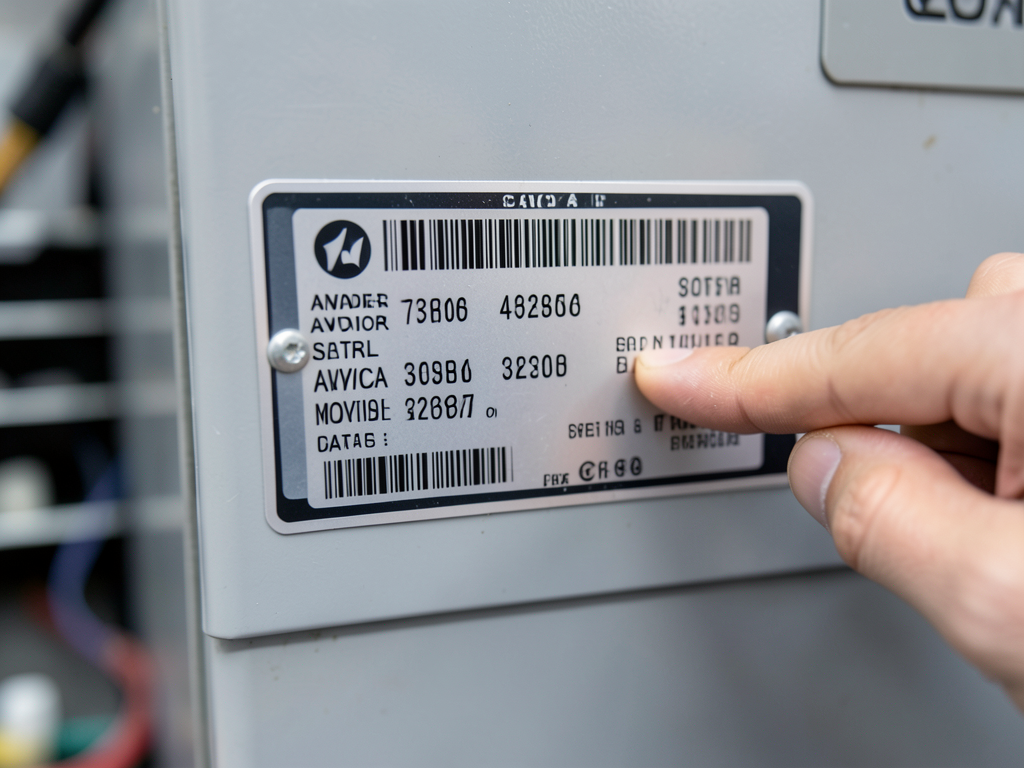
The process is straightforward once you know where to look. You’ll need your unit’s model number and serial number, which are typically found on a metal plate on the outdoor condenser unit. With these details, you can verify if your system is still covered under the manufacturer’s parts warranty or if you might need to consider a replacement.. Read more about Why Your Home Warranty HVAC Repair in Progress Village Might Be Costing You More in the Long Run.
Where to find your AC’s model and serial numbers
Before checking warranty status, you need to locate your unit’s identification information. The model number and serial number are usually printed on a data plate attached to the outdoor condenser unit. Look for a metal or plastic plate mounted on the side of the unit, typically near the refrigerant lines.
The serial number contains valuable information about your unit’s age. For most brands, the first four digits represent the week and year of manufacture. For example, a serial number starting with ‘1234’ would indicate the unit was made in the 12th week of 2034. This manufacturing date is crucial because most manufacturer warranties begin from the installation date, not the manufacturing date.. Read more about Crucial questions to ask a Tampa HVAC contractor before you agree to a replacement.
If you cannot locate the data plate or the numbers are worn off, you can also find this information in your home’s original building documents or by contacting the HVAC contractor who installed the system. Many Westchase homes built in the past decade have similar AC models, so local contractors often recognize common units by sight.
Understanding manufacturer warranty coverage
HVAC manufacturers typically offer different warranty tiers. The standard parts warranty usually covers major components like the compressor, condenser coil, and evaporator coil for 5 to 10 years from installation. Some premium brands offer extended coverage of up to 12 years on specific components.
The compressor is often the most expensive part to replace, sometimes costing $1,500 to $2,500 including labor. Having compressor coverage can save you significant money if failure occurs during the warranty period. However, it’s important to understand that manufacturer warranties typically cover only parts, not labor costs for diagnosis or installation.
Many Westchase homeowners are surprised to learn that even with a valid parts warranty, they may still face substantial out-of-pocket expenses. A typical service call in Tampa costs $75 to $150, and labor rates for AC repairs range from $85 to $150 per hour. These costs add up quickly, even when parts are covered. Who to Call for 24-Hour AC Service in New Tampa When the Temperature Starts Climbing.
Step-by-step warranty verification process
Once you have your model and serial numbers, you can verify warranty status through several methods. The most reliable approach is using the manufacturer’s official warranty lookup tool, which provides real-time coverage information based on your unit’s specific details. Reliable Commercial HVAC Services for Temple Terrace Business Owners.
Start by visiting the manufacturer’s website and navigating to their warranty verification page. You’ll typically need to enter the model number, serial number, and sometimes the installation date. Some manufacturers also require the contractor’s information who performed the installation.
If you purchased your home recently, the warranty might still be transferable to you as the new owner. Most manufacturers allow warranty transfers within a specific timeframe, usually 60 to 90 days after the sale closes. You’ll need to provide proof of purchase and complete a transfer form, which may involve a small fee.
Keep in mind that warranty coverage can be voided by several factors common in Florida homes. Lack of annual maintenance, using non-OEM parts for repairs, or damage from power surges during storms can all invalidate your coverage. Tampa’s humid climate also accelerates certain types of wear that manufacturers may not cover.. Read more about Using remote thermostat sensors to balance the temperature in your multi-story Westchase house.
Warranty lookup tools by major HVAC brands
Each major HVAC manufacturer maintains its own warranty verification system. Here’s a comprehensive guide to checking warranty status across the most common brands found in Westchase homes.
| Brand | Warranty Lookup Tool | Typical Coverage |
|---|---|---|
| Carrier | Carrier Warranty Center | 5-10 years on parts |
| Trane | Trane Warranty Lookup | 5-10 years on parts |
| Lennox | Lennox Warranty Registration | 5-10 years on parts |
| Rheem | Rheem Warranty Registration | 5-10 years on parts |
| Goodman | Goodman Warranty Center | 10 years on parts |
Most manufacturers require you to create an account or provide contact information to access warranty details. This process typically takes 5 to 10 minutes and provides immediate results about your coverage status.
For older units or brands not listed above, you may need to contact the manufacturer directly by phone. Have your model and serial numbers ready, as customer service representatives will need these details to look up your warranty information.
Common reasons warranties are voided in Florida
Florida’s unique climate creates specific challenges for HVAC systems that can affect warranty coverage. Understanding these factors can help you maintain your warranty and avoid unexpected repair costs.
High humidity levels in Tampa accelerate corrosion on metal components, particularly in coastal areas like Westchase. Salt air can cause premature failure of coils and electrical connections. Some manufacturers specifically exclude corrosion damage from warranty coverage, especially in areas within three miles of the coast.
Power surges from lightning strikes are another common issue in Florida. Even with surge protectors, electrical components can fail during summer thunderstorms. Most manufacturers require whole-home surge protection to maintain warranty coverage on control boards and other sensitive electronics.
Lack of annual maintenance is the most frequent reason warranties are voided. Manufacturers typically require professional maintenance at least once per year to keep warranties valid. This maintenance should include coil cleaning, refrigerant level checks, and electrical connection inspections.
Using non-OEM replacement parts can also void your warranty. While aftermarket parts may cost less initially, they can cause compatibility issues that lead to premature system failure. Always verify that replacement parts are manufacturer-approved if you want to maintain warranty coverage. Troubleshooting AC Issues.
Parts warranty vs. labor warranty: What you need to know
Understanding the difference between parts and labor warranties is crucial for Westchase homeowners. While manufacturer parts warranties cover the cost of defective components, they do not cover the labor required to diagnose problems, remove old parts, or install new ones.
A typical AC repair involving a compressor replacement might look like this: The compressor itself could be covered under warranty, saving you $800 to $1,200. However, you would still pay $400 to $600 for labor, plus the cost of refrigerant and any additional parts needed. The total savings might only be 40% to 60% of the total repair cost.
Many local HVAC contractors in Tampa offer extended labor warranties that complement manufacturer parts coverage. These labor warranties typically cost $200 to $500 upfront but can save you significant money if major repairs are needed within the coverage period.
When comparing repair quotes, always ask whether the contractor includes parts warranty coverage and what labor warranty they provide. A slightly higher upfront cost might be worthwhile if it includes better warranty protection and peace of mind.
What to do if your warranty has expired
If your warranty verification shows expired coverage, you have several options to consider. The age of your unit plays a significant role in determining the most cost-effective approach.
Units older than 10 to 12 years often cost more to repair than to replace, especially when considering energy efficiency improvements in newer models. Modern AC systems can reduce cooling costs by 20% to 40% compared to units installed a decade ago.
For units between 5 and 10 years old, targeted repairs might make sense if the system is otherwise in good condition. Focus on replacing only failed components rather than investing in major repairs on aging systems.
Consider a maintenance agreement with a local HVAC contractor even without warranty coverage. These agreements typically cost $150 to $300 annually and include two annual tune-ups, priority service, and discounts on repairs. This proactive approach can extend your system’s life and prevent costly breakdowns.
Many contractors offer financing options for both repairs and replacements, making it easier to manage costs without warranty coverage. Look for 0% interest promotions or low monthly payment plans that fit your budget.
Transferring HVAC warranties during home sales
If you’re buying or selling a home in Westchase, understanding warranty transferability is important. Most manufacturer warranties are transferable to new owners, but specific procedures must be followed to maintain coverage.
The transfer process typically requires documentation showing the change of ownership and may involve a transfer fee of $50 to $200. Some manufacturers require the new owner to register the warranty within 60 days of closing to maintain full coverage.
During real estate transactions, sellers should provide warranty documentation to buyers as part of the sale. This information can be a valuable selling point, especially for newer homes with comprehensive HVAC coverage still in effect.
Buyers should verify warranty status as part of their home inspection process. An active warranty can save thousands in potential repair costs during the first years of ownership.
Maintaining your warranty coverage
Once you’ve verified your warranty status, taking steps to maintain coverage is essential. Regular maintenance not only preserves your warranty but also improves system efficiency and prevents unexpected breakdowns.
Schedule professional maintenance twice yearly – once before cooling season and once before heating season. These tune-ups should include cleaning coils, checking refrigerant levels, testing electrical components, and verifying proper airflow.
Keep detailed records of all maintenance and repairs. Many manufacturers require proof of regular maintenance if you need to make a warranty claim. Save invoices and service reports in a dedicated file or digital folder.
Address minor issues promptly rather than letting them develop into major problems. Small refrigerant leaks or electrical issues can cause cascading damage that might not be covered under warranty if they result from neglect.
Consider installing a whole-home surge protector if you haven’t already. These devices protect your entire electrical system, including your AC, from power surges that commonly occur during Florida thunderstorms.
Local HVAC regulations and warranty requirements
Tampa and Hillsborough County have specific regulations that affect HVAC installation and warranty coverage. Understanding these requirements can help you avoid costly mistakes and ensure your system remains compliant.
Florida Building Code Section 633.101 requires all HVAC contractors to be licensed and insured. Working with unlicensed contractors can void your manufacturer warranty and create liability issues if problems arise.
Local permitting requirements mandate that all new HVAC installations be inspected by county officials. These inspections verify proper installation and ensure compliance with energy efficiency standards. Skipping permits can invalidate both manufacturer and contractor warranties.
Energy efficiency standards in Florida are among the strictest in the nation. Units installed before 2015 may not meet current SEER (Seasonal Energy Efficiency Ratio) requirements, which can affect both performance and warranty eligibility for replacement parts.
Condensate drainage requirements are particularly important in Florida’s humid climate. Improper drainage can cause water damage and mold growth, issues that manufacturers often exclude from warranty coverage. Ensure your system includes proper condensate lines and drain pans.
Emergency AC repair considerations
When your AC fails during Tampa’s hot summer months, knowing your warranty status becomes even more critical. Emergency repair situations require quick decisions, but understanding your coverage can prevent costly mistakes.
Many homeowners rush to replace entire systems when a single component fails, not realizing that the specific part might still be under warranty. Take a few minutes to verify coverage before authorizing major repairs or replacements.
Emergency repair services in Tampa typically charge premium rates, often 25% to 50% more than standard service calls. If your warranty covers the needed parts, waiting until regular business hours for non-emergency repairs can save substantial money.
Keep your warranty documentation and manufacturer contact information readily accessible. Having this information on hand during an emergency can help you make informed decisions quickly.
Consider establishing a relationship with a local HVAC contractor before emergencies occur. Many contractors offer priority service to existing customers, which can be invaluable during peak demand periods when AC failures are most common.
Frequently Asked Questions
How long do HVAC warranties typically last?
Most manufacturer parts warranties last 5 to 10 years, with premium brands offering up to 12 years on certain components. Labor warranties vary by contractor but typically range from 1 to 5 years.
Can I check warranty status without the model number?
It’s difficult to verify warranty status without the model number and serial number. These unique identifiers are required to access manufacturer warranty databases and determine coverage details.
What voids an HVAC warranty?
Common warranty void reasons include lack of annual maintenance, using non-OEM parts, damage from power surges, corrosion in coastal areas, and installation by unlicensed contractors. Always review your warranty terms for specific exclusions.
Is labor covered under manufacturer warranty?
No, manufacturer warranties typically cover only parts, not labor. You’ll need to pay for service calls, diagnosis, and installation even when parts are covered under warranty.
How do I transfer a warranty when selling my home?
Most warranties are transferable within 60 to 90 days of sale. You’ll need to complete a transfer form and may pay a small fee. Provide warranty documentation to buyers as part of the real estate transaction.
Take action to protect your comfort and investment
Don’t wait until your AC fails on a hot Tampa afternoon to discover your warranty status. Take a few minutes today to locate your model and serial numbers, then verify your coverage using the manufacturer’s warranty lookup tool.
If you need help understanding your warranty status or want professional maintenance to keep your coverage active, call (656) 237-5377 today. Our experienced technicians can verify your warranty, perform comprehensive maintenance, and help you make informed decisions about repairs or replacement.
Remember that even with valid warranty coverage, regular maintenance is essential for optimal performance and longevity. Don’t let a simple oversight void your coverage when you need it most. Contact us now to schedule your warranty verification and maintenance service.
{
“@context”: “https://schema.org”,
“@type”: “BlogPosting”,
“headline”: “How to find out if your Westchase air conditioner is still under manufacturer warranty”,
“description”: “Need to know if your Westchase AC repair is covered? Learn how to check your HVAC warranty status with our step-by-step guide for Tampa homeowners.”,
“wordCount”: 2384,
“datePublished”: “2026-04-27T06:04:00.000Z”,
“dateModified”: “2026-04-27T06:04:00.000Z”,
“inLanguage”: “en-US”,
“mainEntityOfPage”: {
“@type”: “WebPage”,
“@id”: “https://peakhvactampa.com”
},
“publisher”: {
“@type”: “LocalBusiness”,
“name”: “Peak HVAC Tampa”,
“url”: “https://peakhvactampa.com”
},
“author”: {
“@type”: “Organization”,
“name”: “Peak HVAC Tampa”,
“url”: “https://peakhvactampa.com”
},
“image”: {
“@type”: “ImageObject”,
“url”: “https://peakhvactampa.com/wp-content/uploads/2026/03/how-to-find-out-if-your-westchase-air-conditioner-1.png”
}
}
{
“@context”: “https://schema.org”,
“@type”: “HVACBusiness”,
“name”: “Peak HVAC Tampa”,
“url”: “https://peakhvactampa.com”,
“address”: {
“@type”: “PostalAddress”,
“addressLocality”: “Tampa”
},
“areaServed”: {
“@type”: “City”,
“name”: “Tampa”
}
}
{
“@context”: “https://schema.org”,
“@type”: “FAQPage”,
“mainEntity”: [
{
“@type”: “Question”,
“name”: “How long do HVAC warranties typically last?”,
“acceptedAnswer”: {
“@type”: “Answer”,
“text”: “Most manufacturer parts warranties last 5 to 10 years, with premium brands offering up to 12 years on certain components. Labor warranties vary by contractor but typically range from 1 to 5 years.”
}
},
{
“@type”: “Question”,
“name”: “Can I check warranty status without the model number?”,
“acceptedAnswer”: {
“@type”: “Answer”,
“text”: “It’s difficult to verify warranty status without the model number and serial number. These unique identifiers are required to access manufacturer warranty databases and determine coverage details.”
}
},
{
“@type”: “Question”,
“name”: “What voids an HVAC warranty?”,
“acceptedAnswer”: {
“@type”: “Answer”,
“text”: “Common warranty void reasons include lack of annual maintenance, using non-OEM parts, damage from power surges, corrosion in coastal areas, and installation by unlicensed contractors. Always review your warranty terms for specific exclusions.”
}
},
{
“@type”: “Question”,
“name”: “Is labor covered under manufacturer warranty?”,
“acceptedAnswer”: {
“@type”: “Answer”,
“text”: “No, manufacturer warranties typically cover only parts, not labor. You’ll need to pay for service calls, diagnosis, and installation even when parts are covered under warranty.”
}
},
{
“@type”: “Question”,
“name”: “How do I transfer a warranty when selling my home?”,
“acceptedAnswer”: {
“@type”: “Answer”,
“text”: “Most warranties are transferable within 60 to 90 days of sale. You’ll need to complete a transfer form and may pay a small fee. Provide warranty documentation to buyers as part of the real estate transaction.”
}
}
]
}
{
“@context”: “https://schema.org”,
“@type”: “BreadcrumbList”,
“itemListElement”: [
{
“@type”: “ListItem”,
“position”: 1,
“name”: “Home”,
“item”: “https://peakhvactampa.com”
},
{
“@type”: “ListItem”,
“position”: 2,
“name”: “Blog”,
“item”: “https://peakhvactampa.com/blog”
},
{
“@type”: “ListItem”,
“position”: 3,
“name”: “How to find out if your Westchase air conditioner is still under manufacturer warranty”
}
]
}
{
“@context”: “https://schema.org”,
“@type”: “Service”,
“serviceType”: “HVAC”,
“provider”: {
“@type”: “LocalBusiness”,
“name”: “Peak HVAC Tampa”,
“url”: “https://peakhvactampa.com”
},
“areaServed”: {
“@type”: “City”,
“name”: “Tampa”
},
“description”: “Need to know if your Westchase AC repair is covered? Learn how to check your HVAC warranty status with our step-by-step guide for Tampa homeowners.”
}