
Using Ductless Mini-Splits to Cool Tight Spaces in Ybor City
Historic Ybor City’s brick buildings and narrow shotgun houses present unique cooling challenges that traditional ductwork cannot solve. Ductless mini-split systems offer the perfect solution for these tight spaces, providing efficient cooling without the need for invasive installation. These systems work exceptionally well in Ybor’s older structures where wall cavities are filled with masonry or where preserving architectural integrity is paramount.. Read more about Installing Modern AC in Historic Hyde Park Homes Without Ruining the Architecture.
Ductless mini-splits use inverter technology to maintain consistent temperatures while consuming less energy than conventional systems. This matters in Florida’s humid climate where traditional AC units often struggle with moisture control. The multi-zone capability allows different rooms to maintain individual temperatures, perfect for Ybor’s mixed-use spaces where a converted loft might serve as both living area and home office. Energy Department heat pump guide.
The installation process for ductless systems in Ybor City typically takes one to two days depending on the number of zones required. Unlike central air systems that need extensive ductwork, mini-splits require only a small three-inch hole for the refrigerant lines, minimizing structural impact on these historic properties.
Call (656) 237-5377 today to schedule your Ybor City ductless mini-split consultation and keep your historic home comfortable year-round.
Why Ybor City Homes Need Specialized Cooling Solutions
Ybor City’s architectural heritage creates specific HVAC challenges that modern builders never encounter. The neighborhood’s shotgun houses, built in the early 1900s, feature long narrow layouts with rooms arranged front to back. These designs make traditional duct routing nearly impossible without major structural modifications.
Brick construction common in Ybor’s commercial buildings and many residences presents another obstacle. The dense masonry walls prevent the kind of duct chases that work in wood-frame construction. Running ductwork through these walls would require extensive demolition and compromise the building’s structural integrity. Reliable Commercial HVAC Services for Temple Terrace Business Owners.
Many Ybor properties also feature high ceilings, sometimes reaching twelve feet or more. While beautiful and historically accurate, these tall spaces create additional cooling challenges as hot air naturally rises away from occupied areas. Ductless systems with ceiling cassette options can direct airflow more effectively in these vertical spaces.
The Florida Building Code Section 13 requires all new HVAC installations to meet specific energy efficiency standards. For historic properties, this creates a delicate balance between maintaining architectural authenticity and achieving modern comfort levels. Ductless mini-splits meet these requirements while preserving the visual character of Ybor’s unique buildings. Florida Solar Energy Center ductless research.
How Ductless Mini-Split Technology Works in Florida’s Climate
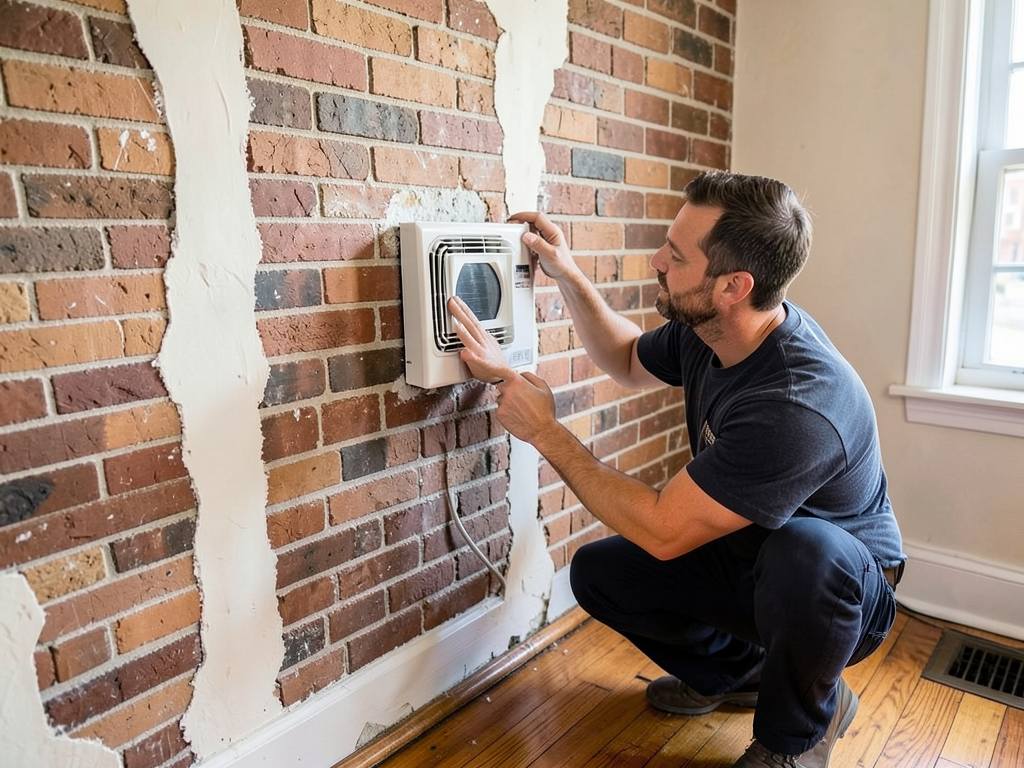
Ductless mini-split systems operate on fundamentally different principles than traditional central air. Instead of pushing cooled air through extensive ductwork, these systems use refrigerant lines to transfer heat directly between indoor and outdoor units. This direct transfer method eliminates the energy losses that occur in duct systems, which can account for up to 30% of cooling energy in traditional setups.
The inverter-driven compressors in modern mini-splits adjust their speed continuously rather than cycling on and off. This technology maintains more stable temperatures and uses significantly less electricity. In Tampa’s climate where cooling demands persist for much of the year, this efficiency translates to substantial energy savings.
Florida’s high humidity creates specific challenges for cooling systems. Traditional AC units cool air so rapidly that they often shut off before adequately removing moisture. Ductless systems with variable speed operation run longer at lower capacities, allowing more time for moisture removal. This process, called latent heat removal, is crucial for comfort in Tampa’s sticky summers.
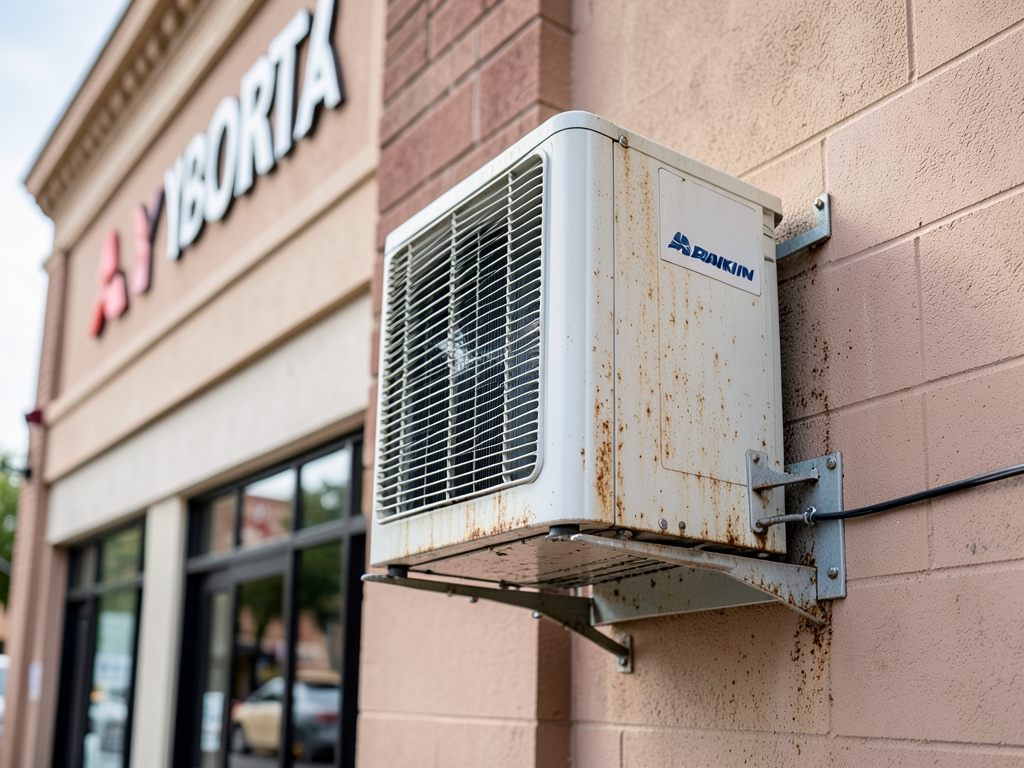
The outdoor units in ductless systems feature enhanced corrosion protection specifically designed for coastal environments. Tampa’s salt air can quickly degrade standard HVAC equipment, but mini-split outdoor condensers include special coatings and materials that resist this corrosive effect. This durability matters in Ybor City where many properties sit just miles from Tampa Bay.
Multi-zone configurations allow different areas of a home to maintain separate temperatures. This zoning capability proves especially valuable in Ybor’s mixed-use spaces where a kitchen might need more cooling than a bedroom, or where a home office requires different temperature settings than living areas.
Installation Process for Ybor City Properties
Professional ductless installation in Ybor City follows a specific sequence designed to protect both the historic structure and ensure optimal system performance. The process begins with a comprehensive load calculation using Manual J methodology, which determines the exact cooling capacity needed for each space based on square footage, insulation levels, and local climate conditions.
Mounting location selection represents a critical early decision. Indoor units require placement on exterior walls for refrigerant line routing, but must avoid direct sunlight and heat sources. In Ybor’s older buildings, finding suitable mounting points often requires creative solutions, such as utilizing closet spaces or building small utility enclosures that blend with existing architecture.
Refrigerant line installation involves drilling a small three-inch hole through the wall for the conduit that houses the lines, control wiring, and condensate drain. This minimal intrusion preserves the building’s integrity while providing all necessary connections. The lines themselves can run up to 50 feet between indoor and outdoor units, offering flexibility in equipment placement.
Electrical requirements for ductless systems typically involve a dedicated 220-volt circuit. In Ybor’s older electrical systems, this often necessitates panel upgrades or circuit modifications. Professional installers assess the existing electrical infrastructure and make recommendations to ensure safe, code-compliant operation.
Final commissioning includes testing all zones, verifying proper refrigerant charge, and calibrating the system for optimal performance. Technicians use specialized tools to measure superheat and subcooling, ensuring the system operates at peak efficiency. This diagnostic testing proves especially important in Tampa’s demanding climate where even small performance issues can lead to significant comfort problems. Troubleshooting AC Issues.
Cost Comparison: Ductless vs. Traditional Cooling in Historic Homes
Understanding the true cost of cooling solutions requires looking beyond initial installation prices. Traditional central air installation in Ybor City’s historic homes often involves extensive demolition to run ductwork through walls, floors, and ceilings. These structural modifications can easily double or triple the base equipment cost.
Ductless mini-split installation typically ranges from $3,500 to $8,000 for a single zone system in Ybor City, with multi-zone setups running $7,000 to $15,000 depending on the number of indoor units required. While these figures may seem high compared to standard installations, they represent significant savings when compared to the alternative of retrofitting ductwork in historic structures.
Energy efficiency provides another cost consideration. Ductless systems typically achieve SEER2 ratings between 18 and 30, compared to 14-18 for standard central air. In Tampa’s long cooling season, this efficiency difference can save $300 to $600 annually on electricity bills. Over a ten-year period, these savings often offset the higher initial investment.
Maintenance costs also favor ductless technology. With no ducts to clean and fewer moving parts than traditional systems, annual maintenance typically runs $75 to $150 versus $200 to $400 for central air systems. The simpler design also means fewer repair calls over the system’s lifespan.
Property value impact represents another financial consideration. Installing a modern, efficient cooling system without compromising historic character can actually increase a Ybor home’s market value. Buyers often pay premiums for homes that combine historic charm with modern comfort and efficiency.
| System Type | Initial Cost Range | Annual Energy Cost | Typical Lifespan | Best For |
|---|---|---|---|---|
| Ductless Single Zone | $3,500 – $8,000 | $250 – $400 | 15-20 years | Single room additions, small apartments |
| Ductless Multi-Zone | $7,000 – $15,000 | $400 – $600 | 15-20 years | Whole-home cooling, historic properties |
| Central Air (New Construction) | $5,000 – $10,000 | $500 – $800 | 15-20 years | New homes, open floor plans |
| Central Air (Retrofit) | $10,000 – $25,000+ | $500 – $800 | 15-20 years | Modern homes with existing ducts |
Energy Rebates and Incentives for Ybor City Residents
Tampa Electric Company offers substantial rebates for high-efficiency cooling equipment installations throughout its service area, including Ybor City. Current programs provide up to $500 per ton for qualifying heat pump systems with SEER2 ratings of 16 or higher. These rebates apply to both residential and small commercial properties within Ybor’s historic district. Who to Call for 24-Hour AC Service in New Tampa When the Temperature Starts Climbing.
The federal Inflation Reduction Act extends tax credits for qualifying HVAC installations through 2032. Homeowners can claim 30% of installation costs, up to $2,000, for energy-efficient heat pump systems. This credit applies to both equipment and installation labor, making high-efficiency ductless systems even more attractive from a cost perspective. Why Most Carrollwood Homeowners Choose Local HVAC Experts Over Big Box Brands.
Hillsborough County periodically offers additional energy efficiency programs for older homes, particularly those within historic districts like Ybor City. These programs may include free energy audits, insulation upgrades, or additional rebates for improvements that reduce overall energy consumption. Checking current county offerings can reveal opportunities for combined savings.
Many ductless manufacturers also provide their own rebate programs, often timed with seasonal promotions. These manufacturer rebates can stack with utility and federal incentives, potentially reducing net installation costs by 40% or more. Working with a certified dealer ensures access to all available rebate programs and proper documentation for claims.
Commercial properties in Ybor City may qualify for additional incentives through the Property Assessed Clean Energy (PACE) program. This financing mechanism allows building owners to fund energy efficiency improvements through property tax assessments, spreading costs over 10 to 20 years while immediate energy savings help offset payments.
Top Mini-Split Brands for Tampa’s Climate
Mitsubishi Electric leads the market for ductless cooling in Florida, offering systems specifically engineered for high humidity and salt-air environments. Their Hyper-Heating INVERTER technology maintains full heating capacity down to 5°F, though cooling performance matters more in Tampa. Mitsubishi’s Diamond Contractor network ensures proper installation and warranty coverage.
Daikin provides another excellent option for Ybor City properties, with systems featuring advanced filtration that removes allergens and airborne particulates. This filtration proves valuable in Tampa’s pollen-heavy seasons when outdoor air quality affects indoor comfort. Daikin’s VRV systems offer scalable solutions for larger historic commercial buildings that need multi-zone control.
Fujitsu’s Halcyon line combines reliability with competitive pricing, making it popular for budget-conscious Ybor homeowners. Their systems achieve SEER2 ratings up to 33, among the highest efficiency ratings available. Fujitsu’s warranty programs often include 10-year coverage when installed by certified contractors, providing long-term protection for historic property investments.
LG and Samsung have entered the mini-split market with consumer-friendly systems that integrate with smart home platforms. While these brands may offer lower initial costs, their long-term reliability in Florida’s harsh climate sometimes falls short of the Japanese manufacturers. For historic Ybor properties where replacement difficulty matters, the more established brands often prove worth the premium.
Noise levels vary significantly between brands and models. Bedroom installations in Ybor’s narrow shotgun houses require indoor units with sound levels below 25 decibels. Premium models from Mitsubishi and Daikin achieve these ultra-quiet levels while maintaining the cooling capacity needed for Tampa’s summer heat.
Maintenance Requirements for Coastal Environments
Tampa’s coastal location creates specific maintenance challenges for HVAC equipment. Salt air accelerates corrosion on outdoor condenser coils, electrical connections, and metal components. Annual professional maintenance should include coil cleaning with specialized solutions that remove salt buildup without damaging the protective coatings on modern equipment.
Condensate drain lines in Florida’s humid climate grow algae and mold rapidly. These biological growths can block drains, causing water damage to walls and floors. Monthly inspection of condensate drains, particularly during peak cooling season, prevents these costly failures. Some Ybor properties benefit from installing secondary drain pans with float switches that shut down the system if primary drains clog.
Air filters in ductless systems require more frequent replacement than manufacturer recommendations suggest. Tampa’s high pollen counts and dust levels mean filters often need changing every 30-60 days rather than the standard 90 days. Clean filters maintain system efficiency and prevent the musty odors that develop when dust accumulates on indoor coils.
Electrical connections in coastal environments corrode faster than inland areas. Annual maintenance should include tightening all electrical connections and applying dielectric grease to prevent corrosion. This preventative maintenance prevents the intermittent failures that often occur during Tampa’s afternoon thunderstorms when cooling demand peaks.
Refrigerant levels require professional checking annually. Florida’s heat loads push systems to their design limits, and even small refrigerant losses can significantly impact performance. Technicians use electronic leak detectors specifically calibrated for modern refrigerants to identify and repair small leaks before they cause system failure during peak cooling season.
Common Problems and Troubleshooting
Ice formation on indoor coils indicates either dirty filters, low refrigerant, or restricted airflow. In Ybor’s older homes with plaster walls, locating the source of airflow restrictions often requires removing cover plates to inspect for hidden obstructions. Never attempt to chip away ice; instead, turn off the system and call for professional service.
Water leaks around indoor units typically signal clogged condensate drains. Ybor’s older plumbing systems sometimes lack proper condensate drain routing, causing backups. Installing cleanout ports on drain lines allows easier maintenance and prevents the water damage that can destroy hardwood floors common in historic properties.
Strange noises from outdoor units often indicate failing fan motors or debris in the condenser coils. Tampa’s afternoon thunderstorms frequently blow leaves and small branches into outdoor units. Regular visual inspection and keeping the area around condensers clear prevents many common noise issues.
Reduced cooling capacity might result from dirty coils, low refrigerant, or failing capacitors. Florida’s heat places continuous stress on HVAC components, causing premature failures. Annual professional maintenance identifies these issues before they cause complete system shutdown during Tampa’s hottest months.
Smart thermostats and Wi-Fi controls occasionally lose communication with indoor units. This connectivity issue rarely indicates equipment failure but rather network configuration problems. Resetting both the thermostat and indoor unit often resolves these communication failures without requiring service calls.
Commercial Applications in Ybor City
Ybor City’s commercial district benefits significantly from ductless technology in its mixed-use buildings. Restaurants in the area often occupy narrow historic structures where kitchen heat loads would overwhelm standard cooling systems. Multi-zone ductless setups allow separate temperature control for dining areas, kitchens, and bar spaces, optimizing comfort while controlling energy costs.
Art galleries and retail spaces in Ybor require precise temperature and humidity control to protect merchandise and artwork. Ductless systems with advanced filtration and humidity control maintain the stable conditions these businesses need without the visual intrusion of extensive ductwork. Ceiling cassette options provide cooling while preserving the architectural character of exposed brick and beam interiors.
Office conversions in Ybor’s historic buildings often involve dividing larger spaces into multiple tenant areas. Ductless zoning allows each tenant to control their environment independently, a significant advantage for attracting small businesses to these unique spaces. The individual metering capability also simplifies utility billing between tenants.
Historic preservation guidelines in Ybor City often restrict exterior modifications to buildings. Ductless outdoor units can be located on rear elevations or rooftops, preserving the historic street-facing facades while still providing modern comfort. Some installations use decorative screens or plantings to further conceal equipment from public view.
Noise considerations become critical in Ybor’s dense urban environment. Commercial ductless installations require indoor units with sound levels below 30 decibels to avoid disturbing adjacent tenants or street-level businesses. Proper vibration isolation and strategic equipment placement minimize noise transmission through shared walls and floors.
Frequently Asked Questions
How long does ductless mini-split installation take in Ybor City?
Most single-zone installations complete in one day, while multi-zone systems typically require two days. Historic properties may need additional time for electrical upgrades or creative mounting solutions that preserve architectural integrity.
Can ductless systems heat my Ybor City home during winter?
Yes, most modern mini-splits function as heat pumps, providing both heating and cooling. While Tampa’s winters rarely require extensive heating, heat pump technology offers efficient supplemental heat when temperatures drop into the 40s or 50s.
Will a ductless system damage my historic Ybor home?
Ductless installation causes minimal structural impact, requiring only a three-inch hole for refrigerant lines. Professional installers experienced with historic properties take extra precautions to protect plaster walls, hardwood floors, and other original features during installation.
How do I control humidity levels with a ductless system?
Modern mini-splits include dehumidification modes that run the system at reduced cooling capacity to maximize moisture removal. Some models offer dedicated dehumidification settings that maintain target humidity levels without significant temperature changes.
What maintenance do ductless systems require in Tampa?
Monthly filter cleaning, annual professional maintenance including coil cleaning and refrigerant checking, and keeping outdoor units clear of debris represent the primary maintenance requirements. Coastal properties may need more frequent coil cleaning due to salt air exposure.
Call (656) 237-5377 today to schedule your Ybor City ductless mini-split consultation and keep your historic home comfortable year-round.
Choosing the Right Contractor for Your Ybor City Installation
Selecting a contractor experienced with Ybor City’s unique requirements makes the difference between a successful installation and ongoing problems. Look for companies with specific experience in historic districts, proper licensing from the Florida Department of Business and Professional Regulation, and insurance coverage that includes historic property work.
Ask potential contractors about their experience with Ybor City properties specifically. Have they completed installations in the area? Can they provide references from similar historic properties? Experience with Ybor’s building codes, historic district guidelines, and common architectural features proves invaluable for smooth project completion.
Verify manufacturer certifications beyond basic licensing. Diamond Contractor status from Mitsubishi, Daikin Comfort Pro certification, or similar brand-specific credentials indicate advanced training and access to full warranty coverage. These certifications require ongoing education and demonstrate commitment to current technology and best practices.
Request detailed proposals that include load calculations, equipment specifications, and clear scope definitions. Professional contractors provide written documentation of all work to be performed, including any necessary electrical upgrades or structural modifications. Avoid contractors who provide quotes without conducting on-site assessments.
Check online reviews specifically mentioning Ybor City or similar historic district work. Reviews from properties with similar characteristics provide better insight into a contractor’s capabilities than generic positive reviews. Look for comments about cleanliness, respect for historic features, and problem-solving abilities.
Professional contractors carry both liability insurance and workers’ compensation coverage. For historic properties, additional insurance riders may be necessary to cover potential damage to irreplaceable features. Request certificates of insurance and verify coverage before signing contracts.
Communication style matters significantly in historic district work. The best contractors explain technical concepts clearly, provide regular progress updates, and maintain clean, organized job sites. They understand that Ybor City homeowners often have specific concerns about preserving their property’s character and address these proactively.
Post-installation support separates good contractors from great ones. Ask about warranty coverage, maintenance programs, and emergency service availability. Companies that offer comprehensive maintenance agreements often provide better long-term value through preventative care that extends system life and prevents costly repairs.
Price alone should never determine contractor selection. The lowest bid often indicates corners cut in critical areas like equipment quality, installation care, or proper commissioning. Focus on value and total cost of ownership rather than initial price when evaluating proposals.
Trust your instincts during initial consultations. Professional contractors demonstrate respect for your property, listen to your concerns, and provide clear, confident answers to technical questions. If something feels off during the sales process, consider it a warning sign for the actual installation work.
Ready to upgrade your Ybor City home with efficient, quiet cooling? Call (656) 237-5377 now to speak with our historic property cooling specialists.
Future Trends in Ductless Technology
Heat pump technology continues advancing rapidly, with SEER2 ratings climbing toward 40 as manufacturers develop more efficient compressors and heat exchangers. These improvements particularly benefit Florida homeowners by reducing energy consumption during the long cooling season while maintaining humidity control performance.
Smart home integration expands beyond basic thermostat controls. Modern mini-splits offer occupancy sensing, learning algorithms that predict cooling needs based on usage patterns, and integration with whole-home automation systems. These features optimize comfort while minimizing energy waste in Ybor’s mixed-use spaces.
Refrigerant technology evolves toward more environmentally friendly options with lower global warming potential. While current systems use R-410A or R-32 refrigerants, future models will likely adopt newer formulations that maintain performance while reducing environmental impact. This transition aligns with increasing building code requirements for energy efficiency and environmental responsibility.
Noise reduction technology improves continuously, with some manufacturers developing systems that operate below 20 decibels. These ultra-quiet units prove ideal for Ybor’s dense urban environment where sound transmission between closely spaced buildings creates neighbor concerns. Advanced vibration isolation and aerodynamic fan designs contribute to these noise reductions.
Modular and scalable systems gain popularity for commercial applications in Ybor City. These systems allow building owners to start with basic cooling and expand capacity as needs change without replacing existing equipment. This flexibility proves valuable in Ybor’s evolving commercial landscape where tenant needs shift frequently.
Air quality monitoring and purification integrate directly into ductless systems. Advanced filtration removes not just dust and pollen but also volatile organic compounds, bacteria, and viruses. These capabilities address growing concerns about indoor air quality, particularly relevant in Tampa’s high-pollen environment and post-pandemic awareness of airborne pathogens.
Energy storage integration emerges as a future possibility, with some manufacturers exploring systems that can operate during power outages using battery backup. While currently limited to high-end commercial applications, this technology could eventually benefit Ybor homeowners seeking resilience during Florida’s occasional severe weather events.
Building codes continue tightening energy efficiency requirements, driving further innovation in heat pump technology. Future systems will likely achieve even higher efficiency ratings while maintaining or improving humidity control performance. These advancements ensure ductless technology remains the optimal solution for Ybor City’s unique cooling challenges.
{
“@context”: “https://schema.org”,
“@type”: “BlogPosting”,
“headline”: “Using Ductless Mini-Splits to Cool Tight Spaces in Ybor City”,
“description”: “Discover how ductless mini-splits solve cooling challenges in Ybor City’s historic lofts and tight spaces. Learn about installation, costs, and local Tampa rebates.”,
“wordCount”: 3585,
“datePublished”: “2026-02-27T16:16:00.000Z”,
“dateModified”: “2026-02-27T16:16:00.000Z”,
“inLanguage”: “en-US”,
“mainEntityOfPage”: {
“@type”: “WebPage”,
“@id”: “https://peakhvactampa.com”
},
“publisher”: {
“@type”: “LocalBusiness”,
“name”: “Peak HVAC Tampa”,
“url”: “https://peakhvactampa.com”
},
“author”: {
“@type”: “Organization”,
“name”: “Peak HVAC Tampa”,
“url”: “https://peakhvactampa.com”
},
“image”: {
“@type”: “ImageObject”,
“url”: “https://peakhvactampa.com/wp-content/uploads/2026/03/using-ductless-mini-splits-to-cool-tight-spaces-in-1.png”
}
}
{
“@context”: “https://schema.org”,
“@type”: “HVACBusiness”,
“name”: “Peak HVAC Tampa”,
“url”: “https://peakhvactampa.com”,
“address”: {
“@type”: “PostalAddress”,
“addressLocality”: “Tampa”
},
“areaServed”: {
“@type”: “City”,
“name”: “Tampa”
}
}
{
“@context”: “https://schema.org”,
“@type”: “FAQPage”,
“mainEntity”: [
{
“@type”: “Question”,
“name”: “How long does ductless mini-split installation take in Ybor City?”,
“acceptedAnswer”: {
“@type”: “Answer”,
“text”: “Most single-zone installations complete in one day, while multi-zone systems typically require two days. Historic properties may need additional time for electrical upgrades or creative mounting solutions that preserve architectural integrity.”
}
},
{
“@type”: “Question”,
“name”: “Can ductless systems heat my Ybor City home during winter?”,
“acceptedAnswer”: {
“@type”: “Answer”,
“text”: “Yes, most modern mini-splits function as heat pumps, providing both heating and cooling. While Tampa’s winters rarely require extensive heating, heat pump technology offers efficient supplemental heat when temperatures drop into the 40s or 50s.”
}
},
{
“@type”: “Question”,
“name”: “Will a ductless system damage my historic Ybor home?”,
“acceptedAnswer”: {
“@type”: “Answer”,
“text”: “Ductless installation causes minimal structural impact, requiring only a three-inch hole for refrigerant lines. Professional installers experienced with historic properties take extra precautions to protect plaster walls, hardwood floors, and other original features during installation.”
}
},
{
“@type”: “Question”,
“name”: “How do I control humidity levels with a ductless system?”,
“acceptedAnswer”: {
“@type”: “Answer”,
“text”: “Modern mini-splits include dehumidification modes that run the system at reduced cooling capacity to maximize moisture removal. Some models offer dedicated dehumidification settings that maintain target humidity levels without significant temperature changes.”
}
},
{
“@type”: “Question”,
“name”: “What maintenance do ductless systems require in Tampa?”,
“acceptedAnswer”: {
“@type”: “Answer”,
“text”: “Monthly filter cleaning, annual professional maintenance including coil cleaning and refrigerant checking, and keeping outdoor units clear of debris represent the primary maintenance requirements. Coastal properties may need more frequent coil cleaning due to salt air exposure.”
}
}
]
}
{
“@context”: “https://schema.org”,
“@type”: “BreadcrumbList”,
“itemListElement”: [
{
“@type”: “ListItem”,
“position”: 1,
“name”: “Home”,
“item”: “https://peakhvactampa.com”
},
{
“@type”: “ListItem”,
“position”: 2,
“name”: “Blog”,
“item”: “https://peakhvactampa.com/blog”
},
{
“@type”: “ListItem”,
“position”: 3,
“name”: “Using Ductless Mini-Splits to Cool Tight Spaces in Ybor City”
}
]
}
{
“@context”: “https://schema.org”,
“@type”: “Service”,
“serviceType”: “HVAC”,
“provider”: {
“@type”: “LocalBusiness”,
“name”: “Peak HVAC Tampa”,
“url”: “https://peakhvactampa.com”
},
“areaServed”: {
“@type”: “City”,
“name”: “Tampa”
},
“description”: “Discover how ductless mini-splits solve cooling challenges in Ybor City’s historic lofts and tight spaces. Learn about installation, costs, and local Tampa rebates.”
}